How Motorcycle Pipes Affect Exhaust Sound
Many riders wonder about their motorcycle’s exhaust sound. It’s a big part of the bike’s personality. But getting that perfect rumble can seem tricky.

YZCHAIN
Motorcycle Exhaust Mid Pipe, Slip-On Muffler Adapter…
- Direct Fit for Ninja 500/400: Exact match for Kawasaki Ninja 400/Z400 (2018-2023) and Ninja 500/Z500 (2024); no cutting or welding…
- Stainless Steel Muffler: Made of quality stainless steel; handles high heat and resists rust, lasts way longer than regular steel…
- Lightweight Design: Only 0.86 lbs, 25% lighter than stock parts; eases bike load without losing performance
As an Amazon Associate I earn from qualifying purchases.
If you’re new to this, figuring out How Motorcycle Pipes Affect Exhaust Sound might feel a bit confusing. Don’t worry! We’ll break it down simply, step by step.
Let’s explore what makes your bike sound the way it does and how you can change it.
Understanding Motorcycle Exhaust Pipes
How Motorcycle Pipes Affect Exhaust Sound
Motorcycle exhaust pipes are more than just metal tubes. They play a huge role in how your bike sounds and even how it runs. Think of them as the voice of your engine.
The design, size, and materials of these pipes all work together to shape the noise you hear. For many riders, the stock pipes might be too quiet or just not have the right tone. This is where aftermarket pipes come in, offering a way to customize your bike’s sound.
Understanding these parts helps you choose the right ones for your preferences.
The Basic Role of Exhaust Pipes
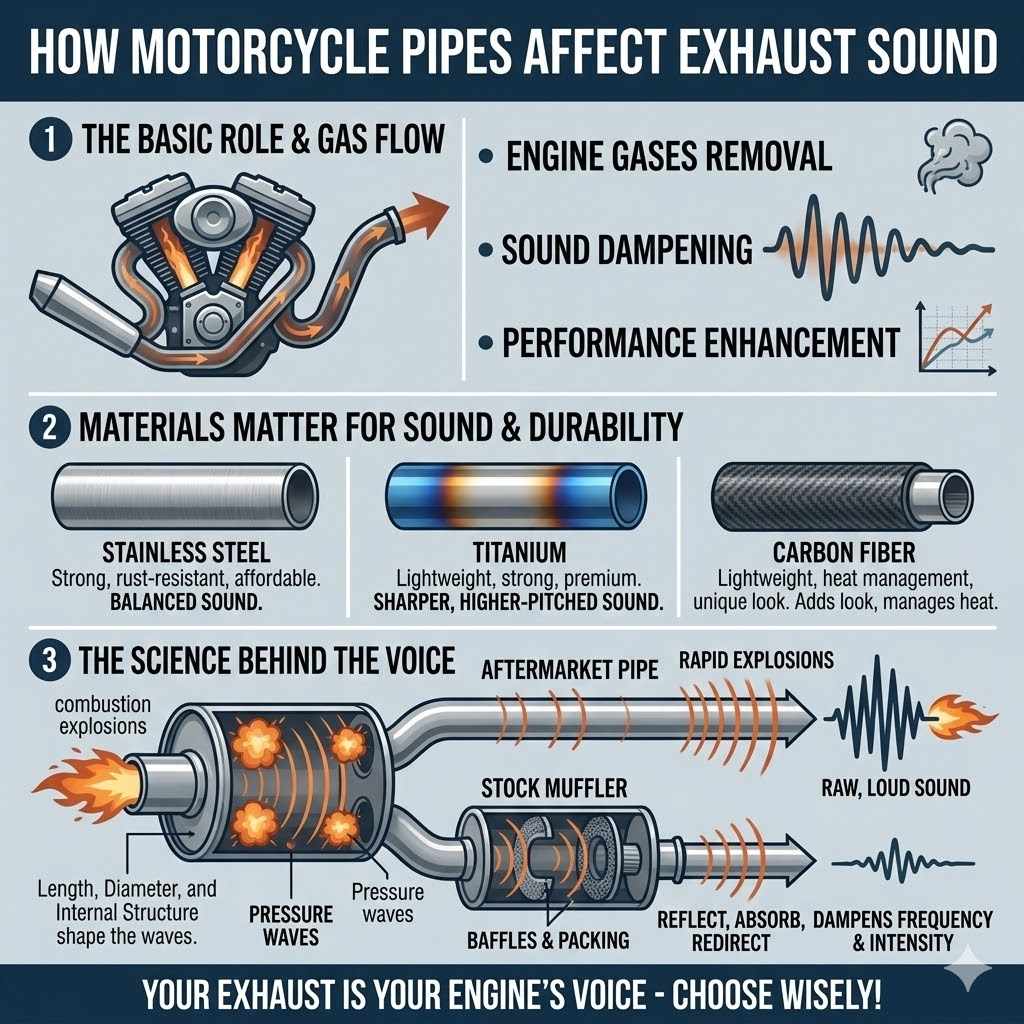
The main job of exhaust pipes is to safely get hot gases from the engine away from the rider. These gases are a byproduct of burning fuel. Without pipes, these gases would blast out directly from the engine.
This would be very loud, very hot, and very unpleasant. The pipes channel these gases through a system that also helps quiet them down. They are a critical part of the engine’s performance.
- Engine Gases Removal: The exhaust system starts right after the engine cylinders. It collects burnt gases and directs them outwards. This prevents harmful fumes from building up around the rider and the bike.
- Sound Dampening: A key function is to reduce the noise produced by the engine’s combustion. The faster and more powerful the engine, the louder the exhaust noise. Pipes use various methods to make this noise acceptable.
- Performance Enhancement: While not their primary goal, exhaust pipes can influence engine performance. The way gases flow through the pipes affects backpressure, which can impact horsepower and torque.
Materials Used in Exhaust Pipes
The materials used to build exhaust pipes can significantly impact their durability, weight, and even the sound they produce. Different metals have different acoustic properties. They also react differently to heat and stress over time.
Choosing the right material can mean a longer-lasting pipe and a sound that ages well.
- Stainless Steel: This is a very common material. It’s strong, resists rust well, and is reasonably priced. Stainless steel pipes tend to offer a balanced sound, not too loud and not too quiet. They are a popular choice for many street bikes.
- Titanium: This is a premium material. It’s much lighter than stainless steel and very strong. Titanium pipes often produce a sharper, higher-pitched sound. They are common on high-performance or racing motorcycles where weight saving is important.
- Carbon Fiber: Often used as a decorative or outer casing for exhaust cans. The core structure might be stainless steel or titanium. Carbon fiber itself doesn’t produce much sound but can add a unique look. It’s lightweight and can help manage heat.
The Science Behind Exhaust Sound
Sound is created by vibrations. When fuel burns in the engine, it creates rapid explosions that push gases out. These gases create pressure waves, which we hear as sound.
The exhaust pipes shape these waves. The length, diameter, and internal structure of the pipes all affect the frequency and intensity of these sound waves. This means a longer pipe might produce a deeper sound, while a shorter, wider pipe could sound louder and more aggressive.
For example, a simple straight pipe allows gases to escape very quickly with little resistance. This creates a loud, raw sound. However, most pipes have baffles or mufflers inside.
These are designed to reflect, absorb, or redirect sound waves. They break up the loud explosions into smaller, less intense sounds. The way these baffles are arranged is a big part of how How Motorcycle Pipes Affect Exhaust Sound.
Types of Motorcycle Exhaust Systems
Key Differences in Motorcycle Exhaust Systems
Motorcycle exhaust systems come in various forms, each impacting sound and performance differently. The most common types are stock systems, slip-on mufflers, and full exhaust systems. Each offers a unique level of customization and sound alteration.
Understanding these differences is essential for riders looking to change their bike’s exhaust note or improve its performance.
Stock Exhaust Systems
Stock exhaust systems are the ones that come with your motorcycle when you buy it new. They are designed to meet noise and emission regulations. This means they are usually built to be as quiet as possible.
They often include a catalytic converter and a large muffler packed with sound-deadening material.
- Quiet Operation: The primary goal of a stock system is to minimize noise. This is important for meeting legal standards and for everyday riding comfort.
- Emission Control: Stock exhausts typically include a catalytic converter. This device converts harmful exhaust gases into less harmful ones before they exit the pipe.
- Moderate Performance: While functional, stock exhausts are not optimized for maximum engine performance. They can sometimes restrict airflow, limiting the engine’s potential.
Slip-On Mufflers
A slip-on muffler is a replacement for the stock muffler. It connects to the existing exhaust pipe. This is a popular upgrade because it’s relatively easy to install and can significantly change the sound of your motorcycle.
Slip-ons offer a good balance between affordability, ease of installation, and sound improvement.
- Easy Installation: Most slip-on mufflers are designed to bolt directly onto the stock header pipes. This makes them a great option for DIY enthusiasts.
- Sound Alteration: Slip-ons often have less baffling or different internal designs than stock mufflers. This results in a louder, deeper, or more aggressive exhaust note.
- Performance Gains: Some slip-ons can offer minor performance improvements by allowing gases to flow a bit more freely. However, the gains are usually less dramatic than with a full system.
Full Exhaust Systems
A full exhaust system replaces the entire stock exhaust, from the engine’s header pipes all the way to the tailpipe. This type of upgrade offers the most significant changes in sound and performance. Full systems are designed to optimize gas flow and often reduce weight.
- Maximum Performance: By replacing the entire system, full exhausts can greatly improve engine breathing. This can lead to noticeable gains in horsepower and torque.
- Deepest Sound: Full systems allow for more control over sound. They often feature less restrictive mufflers and improved pipe routing for a richer, more powerful exhaust note.
- Weight Reduction: Many full systems are made from lighter materials like titanium or stainless steel. This can lower the bike’s overall weight, improving handling.
How Pipe Design Influences Exhaust Sound
The Impact of Pipe Design on Motorcycle Exhaust Sound
The physical characteristics of motorcycle exhaust pipes are the primary drivers of the sound they produce. Every aspect, from the diameter of the pipes to the length and the internal baffling, plays a role. Riders looking to alter their bike’s sound often focus on these design elements.
Understanding them helps in choosing the right exhaust component for the desired auditory experience.
Pipe Diameter and Length
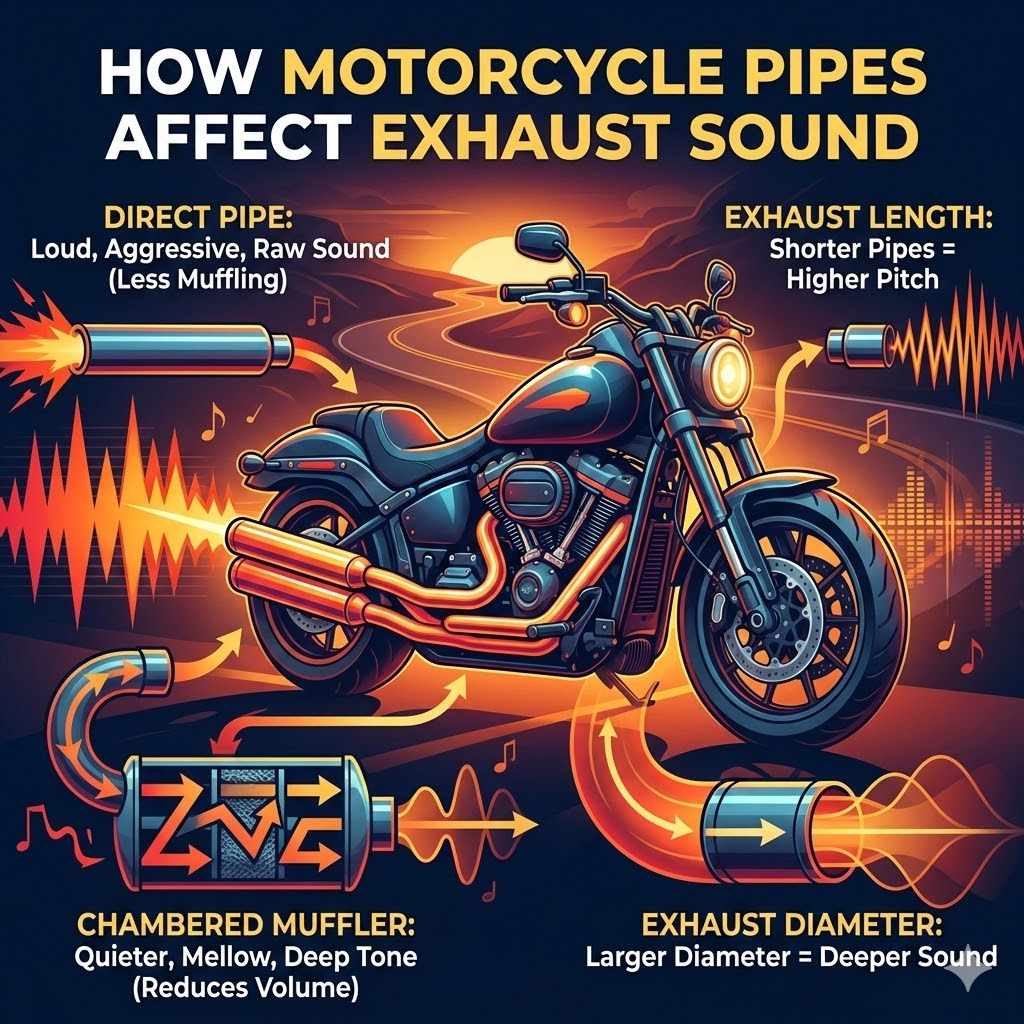
The diameter of the exhaust pipe affects how much air and gas can flow through it. A larger diameter generally allows for a freer flow of exhaust gases. This can lead to a deeper, louder sound.
Think of it like a wider river carrying more water.
The length of the exhaust pipe also plays a significant role. Longer pipes tend to create a deeper, lower-frequency sound. Shorter pipes, on the other hand, often produce a higher-pitched, more aggressive tone.
This is because sound waves have more time to travel and resonate in longer pipes, smoothing out the sharper edges of the engine’s noise.
- Diameter and Flow: A larger diameter pipe offers less resistance to the outgoing exhaust gases. This can result in a more throaty exhaust note.
- Length and Pitch: Longer exhaust pipes tend to resonate at lower frequencies, producing a deeper sound. Shorter pipes resonate at higher frequencies, leading to a sharper sound.
- Matching Pipe to Engine: The optimal diameter and length often depend on the engine’s size and power output. A small engine might sound poor with oversized pipes, and vice versa.
Baffling and Muffler Design
Baffles and mufflers are internal components designed to reduce the noise level of the exhaust. They work by reflecting, absorbing, or redirecting sound waves. The effectiveness and type of baffling are crucial in determining the final sound quality.
A straight-through baffle allows gases to flow with minimal obstruction but still offers some sound reduction. Perforated baffles have small holes that help break up sound waves. Packed baffles use sound-absorbing materials like fiberglass or steel wool to dampen the noise.
The configuration and density of these baffles directly influence How Motorcycle Pipes Affect Exhaust Sound.
- Straight Baffles: These tubes have holes allowing exhaust gas to pass through. They offer a mild reduction in noise while maintaining a sporty tone.
- Perforated Baffles: These have many small holes. Sound waves bounce off the walls of these holes, scattering and reducing the noise intensity.
- Sound Absorbing Materials: Some baffles are wrapped in materials that absorb sound energy, converting it into heat. This provides significant noise reduction.
Material Resonance and Tone
The material of the exhaust pipe itself can contribute to its sound. Different metals resonate differently. For instance, titanium can produce a sharper, more exotic sound compared to the deeper tone often associated with stainless steel.
When exhaust gases pass through the pipe, they cause the metal to vibrate. The way the metal vibrates affects the sound we hear. Thin-walled pipes might vibrate more easily, potentially creating a different tone than thicker-walled pipes.
This resonance adds character to the exhaust note.
- Stainless Steel Resonance: Often produces a deep, rich sound that many riders associate with classic motorcycles. It’s durable and cost-effective.
- Titanium Resonance: Known for its lightweight properties, titanium also produces a distinct, often higher-pitched and more resonant sound. This is favored in performance applications.
- Heat Shields and Coatings: While not directly part of the pipe’s acoustic chamber, heat shields and ceramic coatings can subtly influence the sound by altering how heat radiates away from the pipe.
Impact on Motorcycle Performance
How Exhaust Pipes Influence Motorcycle Performance
Beyond sound, exhaust pipes have a significant impact on how a motorcycle performs. The way exhaust gases flow affects the engine’s ability to breathe and expel waste products. This directly translates into horsepower, torque, and throttle response.
Riders often upgrade their exhaust not just for sound but also for improved performance.
Backpressure and Engine Breathing
Backpressure is the resistance that the exhaust system exerts on the outgoing gases from the engine. A certain amount of backpressure is actually necessary for optimal engine performance, especially in lower RPM ranges. It helps to “scavenge” the cylinder, pulling out the old exhaust gases more effectively.
However, too much backpressure, often caused by restrictive stock exhausts, can choke the engine. This limits the amount of fresh air-fuel mixture that can enter the cylinder, reducing power. Conversely, too little backpressure, from a wide-open exhaust with no mufflers, can lead to poor low-end torque and potentially damage the engine over time.
Finding the right balance is key.
- Optimal Scavenging: A well-designed exhaust system promotes efficient scavenging of cylinder gases. This ensures that spent gases are expelled quickly, making room for a new combustion cycle.
- Low-End Torque: Adequate backpressure helps maintain strong low-end torque. This is important for acceleration from a stop and for riding in traffic.
- High-End Power: Reducing excessive backpressure with a less restrictive exhaust can unlock significant horsepower gains at higher RPMs.
Horsepower and Torque Gains
Upgrading to a less restrictive exhaust system, particularly a full system, can result in noticeable increases in horsepower and torque. This is because the engine can now expel exhaust gases more easily and draw in more fresh air and fuel.
For example, a motorcycle with a stock exhaust might produce around 80 horsepower. After installing a high-performance full exhaust system, that same motorcycle could potentially gain 5-10 horsepower or even more, depending on the bike and the exhaust quality. This gain is often accompanied by improved throttle response, meaning the engine reacts more quickly when you twist the throttle.
A study by a motorcycle performance magazine found that on average, a full exhaust system upgrade on a sportbike resulted in a 7% increase in peak horsepower and a 5% increase in peak torque.
- Increased Airflow: Less restrictive pipes allow the engine to breathe better. This means more air and fuel can be burned, generating more power.
- Improved Combustion: Efficient expulsion of exhaust gases leads to a more complete combustion process, further boosting power output.
- Throttle Response: Riders often report that their bikes feel more responsive and quicker to accelerate after installing a performance exhaust.
Fuel Efficiency Considerations
While performance upgrades often focus on power, exhaust systems can also indirectly affect fuel efficiency. A more efficient engine that doesn’t have to work as hard to expel gases can sometimes lead to better fuel economy.
However, if the exhaust upgrade significantly increases power and encourages more aggressive riding, fuel efficiency can decrease. The overall impact on fuel economy depends heavily on how the rider uses the motorcycle and the specific design of the exhaust. For instance, a lighter exhaust system might reduce the bike’s overall weight, which can contribute to slightly better fuel economy.
- Engine Efficiency: A more efficient engine uses fuel more effectively, potentially leading to better mileage.
- Riding Style Impact: Aggressive acceleration with a performance exhaust will likely reduce fuel economy.
- Weight Reduction: Lighter exhaust systems can contribute to overall fuel efficiency by reducing the mass the engine needs to move.
Choosing the Right Motorcycle Exhaust
Making the Right Choice for Your Motorcycle Exhaust
Selecting the perfect exhaust system involves balancing several factors. You need to consider the sound you want, the performance gains you desire, your budget, and legal regulations. It’s not just about picking the loudest or the most expensive option.
A thoughtful approach ensures you get an exhaust that truly enhances your riding experience.
Defining Your Sound Preference
The most common reason for changing exhaust pipes is to alter the sound. What kind of sound do you want? Do you prefer a deep, rumbling tone, a sharp, aggressive bark, or something in between?
Your personal preference is the most important factor here.
Listen to sound clips online or, if possible, hear different exhausts on similar bikes in person. Think about how the sound will be when you’re riding at different speeds and RPMs. A sound that is exciting for a short burst might become annoying on a long ride.
- Deep Rumble: Often achieved with larger diameter pipes and specific baffling designs.
- Aggressive Roar: Typically comes from shorter pipes, less baffling, and lighter materials.
- Balanced Tone: A mix of both, often found in well-engineered systems designed for street use.
Considering Performance Goals
Are you looking for a significant boost in horsepower and torque, or are you content with minor improvements? If performance is a major goal, a full exhaust system is usually the best option. If you mainly want better sound and a slight performance edge, a slip-on muffler might suffice.
Full systems offer the greatest potential for performance gains because they replace the entire restrictive stock system. Slip-ons can provide some improvement, but they are often limited by the stock header pipes they connect to.
- Full System Advantage: Offers the highest potential for horsepower and torque gains.
- Slip-On Benefits: Good for sound changes and moderate performance improvements.
- ECU Tuning: For maximum gains from a full system, remapping the bike’s Engine Control Unit (ECU) is often recommended.
Budget and Installation
Exhaust systems vary greatly in price. Stock replacements are generally the most affordable. Slip-on mufflers are mid-range, and full systems are usually the most expensive.
Consider your budget carefully.
Also, think about installation. Are you comfortable doing it yourself, or will you need a professional mechanic? Slip-on mufflers are typically easy for DIY installation.
Full systems can be more complex and might require specialized tools or knowledge.
- Cost Breakdown: Stock
- DIY vs. Professional Install: Assess your mechanical skills. Some systems are plug-and-play, while others require more expertise.
- Hidden Costs: Remember to factor in potential costs like exhaust gaskets, new mounting hardware, or ECU tuning if necessary.
Legal and Environmental Regulations
It’s crucial to be aware of local noise and emission regulations. Many areas have strict laws regarding how loud motorcycles can be. Some exhaust systems may not be legal for street use.
Always check local laws before purchasing and installing an aftermarket exhaust.
Many aftermarket exhausts are labeled “for off-road use only” or “for competition use only.” This is because they may not meet noise or emissions standards for public roads. Using such systems on the street can result in fines or legal trouble.
- Noise Limits: Be aware of decibel limits set by your local authorities.
- Emission Standards: Some aftermarket exhausts might remove or bypass catalytic converters, which is illegal in many places.
- Legal Compliance: Choose exhausts specifically designed and certified for street use in your region.

Frequently Asked Questions
Question: What makes a motorcycle exhaust sound loud?
Answer: A loud exhaust sound is usually caused by less baffling inside the pipes, larger pipe diameters that allow gases to escape quickly, and the use of materials that resonate more. Simple, straight pipes with minimal obstruction create the loudest noises.
Question: Can changing my exhaust affect my bike’s performance?
Answer: Yes, definitely. A less restrictive exhaust system allows the engine to expel gases more efficiently. This can lead to noticeable gains in horsepower and torque, and often improves throttle response.
Question: How do I know if a slip-on muffler will fit my bike?
Answer: Slip-on mufflers are typically designed to fit specific makes and models of motorcycles. Always check the product description or consult with the manufacturer to ensure compatibility with your bike’s year and model.
Question: Is it legal to remove the catalytic converter from my exhaust?
Answer: In most places, it is illegal to remove or tamper with the catalytic converter on a motorcycle intended for street use. These devices are required to meet emission standards.
Question: Will a new exhaust make my motorcycle sound like a race bike?
Answer: A performance exhaust can certainly make your motorcycle sound more aggressive and sporty, similar to a race bike. The exact sound will depend on the specific pipes, mufflers, and materials used in the system.
Conclusion
Motorcycle pipes greatly influence your bike’s sound and performance. From simple slip-ons to full systems, each choice changes the engine’s voice and how it breathes. Understanding pipe diameter, length, and baffling helps you pick the right sound and power.
Always consider your riding goals and local laws.
Related pick: Check today's price on Amazon