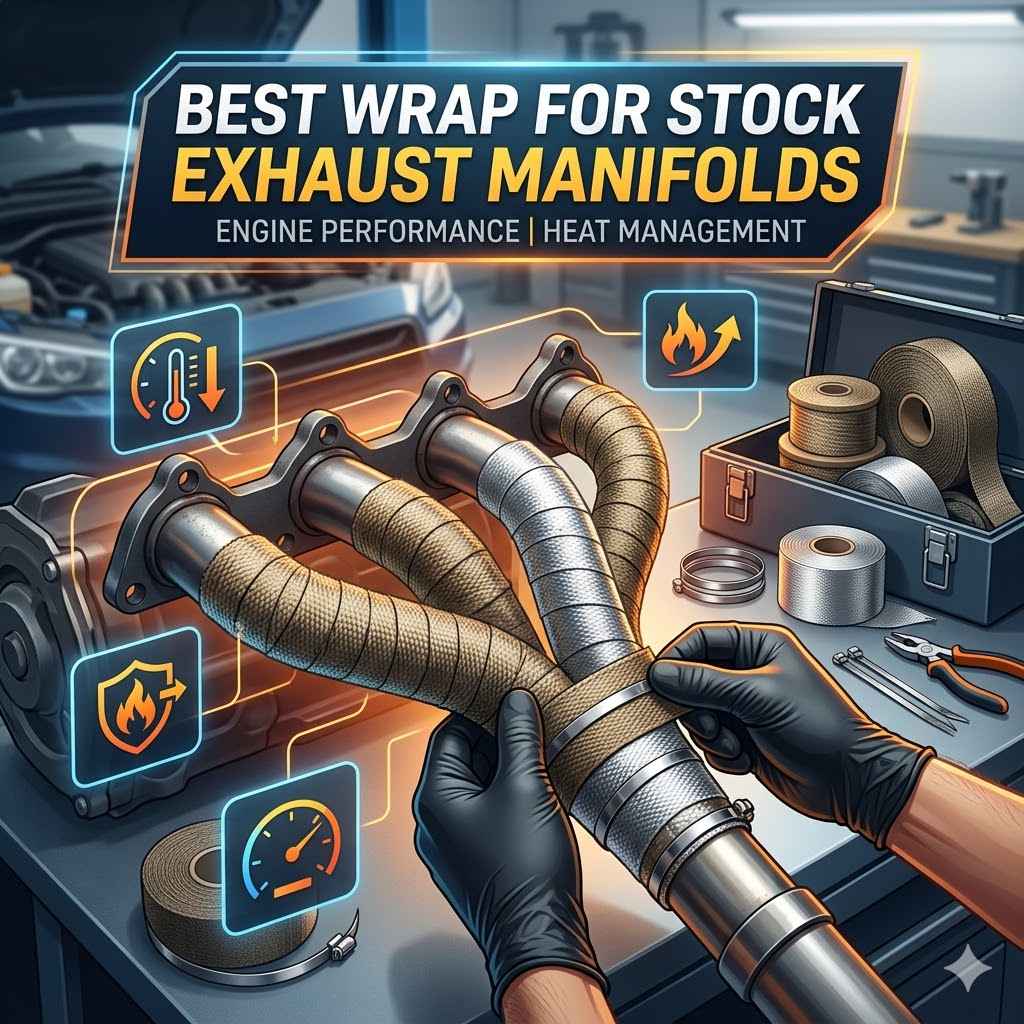
Best Wrap for Stock Exhaust Manifolds
Picking the Best Wrap for Stock Exhaust Manifolds might seem tricky at first, especially if you’re new to car projects. You want to protect your parts and maybe even get a little extra performance, but what’s the right stuff? Don’t worry, it’s simpler than it looks.
We’ll walk you through it step-by-step. Get ready to learn all about keeping your exhaust system looking and working great.
Choosing the Best Wrap for Stock Exhaust Manifolds
When you’re looking for the Best Wrap for Stock Exhaust Manifolds, you’re aiming to improve your vehicle’s performance and lifespan. Exhaust wrap helps keep heat contained within the manifold. This means less heat radiates into your engine bay, keeping vital components cooler.
It can also help speed up exhaust gas flow, giving your engine a little more power. We’ll explore the different types, what makes them work well, and how to pick the right one for your car.
What is Exhaust Wrap and Why Use It
Exhaust wrap is a material that wraps around your car’s exhaust manifold. It’s like a blanket for your exhaust pipes. Its main job is to keep the heat generated by your engine from escaping into the surrounding engine bay.
This has several good effects on your car.
For starters, cooler engine bay temperatures mean other parts, like sensors and wiring, are less likely to overheat and fail. This can save you money on repairs. Plus, by keeping the heat inside the manifold, the exhaust gases travel faster.
Think of it like pushing water through a narrower pipe. This faster flow can give your engine a slight boost in performance. It’s also great for keeping your engine bay looking sharp.
Benefits of Using Exhaust Wrap
Improved Engine Bay Temperatures
When exhaust manifolds get very hot, they radiate that heat everywhere around them. This extra heat in the engine bay can affect other car parts. It can make rubber hoses brittle, melt plastic covers, or even cause electrical wires to degrade faster.
By wrapping the manifold, you’re creating a barrier that traps most of this intense heat. This keeps the area around the manifold much cooler. It’s like putting on oven mitts for your exhaust.
Enhanced Engine Performance
The science behind this is pretty neat. Hot gases are less dense than cooler gases. When exhaust gases are kept hotter inside the manifold, they expand less.
This means they move through the exhaust system more quickly and with less resistance. This improved flow helps your engine “breathe” better. It’s like clearing a blockage in a pipe; everything flows much smoother and faster.
A quicker exhaust flow can lead to a noticeable, though usually small, increase in horsepower and torque.
Protection for Engine Components
Your engine bay is a busy place with lots of sensitive parts. Wires, hoses, sensors, and even the paint on your firewall can be damaged by constant high heat. Exhaust wrap acts as a shield.
It prevents the direct, intense heat from your manifold from scorching or weakening these nearby components. This can lead to fewer breakdowns and a longer life for your vehicle’s parts. It’s a simple way to offer a layer of protection to the heart of your car.
Customization and Aesthetics
Beyond the practical benefits, exhaust wrap can also change how your engine bay looks. It gives a more race-ready, high-performance appearance. Many wraps come in different colors, like black, white, red, or even metallic silver.
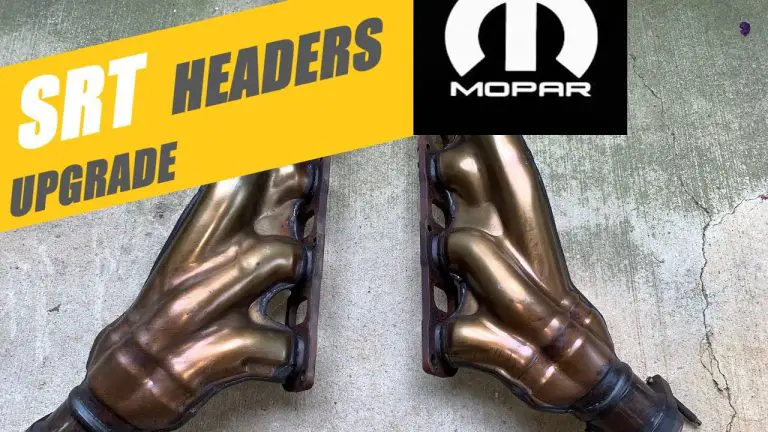
You can choose a color that matches your car’s theme or stands out. This is a popular choice for custom builds or for anyone wanting to give their engine bay a cleaner, more aggressive look.

Types of Exhaust Wrap Materials
Selecting the Best Wrap for Stock Exhaust Manifolds
Choosing the Best Wrap for Stock Exhaust Manifolds involves looking at a few key factors. It’s not just about what looks good, but what works best for your car’s needs and your budget. We’ll break down the most common materials and help you decide which one is right for your situation.
Thinking about heat resistance, durability, and ease of installation will make your choice easier.
Fiberglass Exhaust Wrap
Fiberglass wrap is one of the most common and budget-friendly options. It’s made from woven fiberglass threads, which are strong and can handle high temperatures. This makes it a popular choice for many car owners.
Think of fiberglass as a good all-around performer. It offers solid heat protection without breaking the bank. It’s flexible and easy to work with, making it a great choice for DIY installations.
Most fiberglass wraps can handle temperatures up to 1200 degrees Fahrenheit (about 649 degrees Celsius) continuously, and even higher for short bursts. This is usually more than enough for stock exhaust manifolds.
Heat Resistance
Fiberglass excels at resisting heat. It can withstand very high temperatures generated by exhaust systems. This is its primary function.
The woven structure helps to trap air, which is a natural insulator. This trapped air acts like a mini-blanket around your manifold.
Durability and Lifespan
While durable, fiberglass wrap can degrade over time, especially if exposed to excessive moisture or physical abrasion. However, for most typical driving conditions, it provides several years of effective heat shielding. It’s not as tough as some ceramic options but is perfectly adequate for its price point.
Ease of Installation
Fiberglass wrap is generally easy to install. It’s pliable and can be cut with scissors or a utility knife. It conforms well to the shape of the manifold, even around bends and curves.
You usually secure it with stainless steel ties or clamps. The only minor downside is that it can be itchy to work with, so wearing gloves and a mask is recommended.
Ceramic Exhaust Wrap
Ceramic wrap is considered a premium option for exhaust heat protection. It’s made from ground lava rock fibers, which gives it superior heat resistance and durability compared to fiberglass. If you need the best possible performance, ceramic is a strong contender.
This type of wrap is excellent for extreme conditions or for those who demand the absolute highest level of heat insulation. Ceramic wrap can often handle temperatures well over 2000 degrees Fahrenheit (about 1093 degrees Celsius). This is significantly higher than fiberglass.
It’s also more resistant to moisture and chemicals.
Superior Heat Insulation
Ceramic wrap is the king of heat resistance. Its unique fiber structure is incredibly effective at blocking heat transfer. This means your engine bay stays significantly cooler.
It’s ideal for high-performance vehicles, or cars that spend a lot of time in demanding situations like towing or racing.
Enhanced Durability and Longevity
Ceramic wrap is built to last. It’s much more resistant to wear and tear than fiberglass. It doesn’t break down as easily from heat cycles or exposure to the elements.
This means it will likely stay effective for the lifetime of your vehicle, often outlasting the original exhaust manifold itself.
Installation Considerations
Ceramic wrap is typically a bit stiffer than fiberglass wrap, which can make installation slightly more challenging. It might require more effort to get it to conform to tight curves. However, the results are usually well worth the extra effort.
It also typically uses stainless steel ties for fastening.
Other Materials (Basalt, etc.)
While fiberglass and ceramic are the most popular, other materials like basalt wrap are also available. Basalt wrap is made from volcanic rock and offers a good balance of heat resistance, durability, and cost. It often sits between fiberglass and ceramic in terms of performance.
These materials are gaining popularity because they can offer some of the benefits of ceramic at a price point closer to fiberglass. They are generally good at handling high temperatures and are quite durable. If you’re looking for something a bit different or between the main two options, exploring basalt or other advanced fiber wraps is a good idea.
Basalt Wrap Properties
Basalt wrap is known for its excellent thermal insulation properties, often rivaling ceramic wraps. It’s derived from natural basalt rock, which is processed into fine fibers. These fibers create a very effective barrier against heat.
Comparison Table
| Feature | Fiberglass Wrap | Ceramic Wrap | Basalt Wrap |
|---|---|---|---|
| Max Temp Resistance | 1200°F (649°C) | 2000°F+ (1093°C+) | 1800°F (982°C) |
| Durability | Good | Excellent | Very Good |
| Flexibility | Very High | Moderate | Good |
| Cost | Low | High | Medium |
| Ease of Installation | Easy | Moderate | Easy to Moderate |
This table shows that for most stock manifolds, fiberglass offers a great balance. If you have a high-performance car or extreme driving needs, ceramic or basalt might be better.
How to Install Exhaust Wrap
Installing the Best Wrap for Stock Exhaust Manifolds
Getting the Best Wrap for Stock Exhaust Manifolds installed correctly is key to its performance and how long it lasts. It might seem like a simple process, but a few steps can make a big difference. We’ll guide you through preparing your manifold, wrapping it tightly, and securing it properly so you get the best results.
Preparation Steps
Before you start wrapping, it’s crucial to prepare your exhaust manifold properly. This ensures the wrap adheres well and lasts longer. A clean surface is the most important thing.
First, make sure your engine is completely cool. Never work on a hot exhaust system. Then, inspect the manifold for any rust, oil, or dirt.
You’ll want to clean it thoroughly. A wire brush can remove loose rust, and a degreaser can get rid of oil and grime. Some people even recommend using a high-temperature primer on the manifold before wrapping, but this is usually not necessary for stock applications unless the manifold is heavily corroded.
Clean the Manifold Thoroughly
Use a wire brush to scrape off any loose rust or debris. Then, spray it down with a good degreaser. Wipe it clean with a rag.
Any oil or grease left on the manifold can burn off under the wrap and create fumes, and it can also prevent the wrap from sealing properly. A clean surface helps the wrap to do its job better and prevents unpleasant smells later.
Allow Manifold to Dry Completely
After cleaning, let the manifold air dry completely. You can speed this up with a clean cloth. Any moisture trapped under the wrap can cause corrosion or affect the wrap’s performance over time.
It’s essential that the metal is bone dry before you begin.
Wear Protective Gear
When working with exhaust wrap, especially fiberglass, it’s important to protect yourself. Fiberglass fibers can be irritating to the skin and lungs. Wear thick gloves to prevent skin irritation.
A long-sleeved shirt and pants are also a good idea. More importantly, wear a dust mask or a respirator to avoid breathing in any loose fibers. Eye protection is also recommended.
The Wrapping Process
Wrapping an exhaust manifold requires patience and a bit of technique. The goal is to create a tight, overlapping layer that won’t loosen over time.
Start at one end of the manifold, usually the hottest part closest to the engine. Leave a small gap at the very end where the manifold connects to the downpipe. Overlap each layer of wrap by about 25% to 50%.
This ensures there are no gaps for heat to escape. Pull the wrap taut as you go. This keeps it snug against the manifold and helps it last longer.
Work your way down the manifold, going around each pipe and any bends. If you need to cut the wrap, use sharp scissors or a utility knife for a clean edge. This makes the final look neater and prevents fraying.
When you get to the end of a roll of wrap, secure it properly before starting a new piece. You can overlap the end of the old wrap with the start of the new one.
Start at the Hottest Point
Begin wrapping at the exhaust port side of the manifold, which is the part closest to the engine block. This is typically where the temperatures are highest. By starting here and working your way outwards, you are effectively sealing the heat in from its source.
This method ensures a more efficient heat retention all the way down the exhaust path.
Overlap Each Layer
Each subsequent layer of wrap should overlap the previous one by at least one-third to one-half of its width. This overlap is critical. It prevents any hot exhaust gases from finding gaps and escaping.
Imagine shingles on a roof; they overlap to keep water out. This principle applies to exhaust wrap keeping heat in.
Pull the Wrap Taut
As you wrap, keep the material under tension. Pull it snug against the manifold. A tight wrap looks better, stays in place longer, and provides more effective insulation.
Loose wrap can sag, move around, and eventually unravel, reducing its effectiveness and potentially creating a fire hazard if it touches other engine components.
Securing the Wrap
Properly securing the exhaust wrap is as important as wrapping it well. This is what keeps it from coming undone over time.
Most wrap kits come with stainless steel ties. These are strong and won’t rust, even in the harsh engine bay environment. Use several ties along the length of the manifold, especially at the beginning and end of each roll of wrap.
You can also add a few ties in the middle for extra security. Make sure to trim any excess length from the ties so they don’t snag on anything.
Some people also use high-temperature exhaust tape to seal the ends or cover the ties. This tape is designed to withstand extreme heat and adds an extra layer of security and a cleaner look.
Use Stainless Steel Ties
Stainless steel ties are the standard for securing exhaust wrap. They are corrosion-resistant and can withstand high temperatures without degrading. You’ll typically use several ties per manifold.
Place them at the start and end of your wrap, and then every 6-12 inches along the length to ensure the wrap stays firmly in place.
Trim Excess Tie Length
After tightening the stainless steel ties, trim off any sharp ends or excess length. These sharp ends can snag on other engine components or wiring, causing damage. Cutting them flush with the tie mechanism makes the installation safer and neater.
Consider High-Temperature Tape
For an extra secure finish, you can use high-temperature exhaust tape to seal the ends of the wrap. This tape is often made of a fiberglass or silica material that bonds to itself when heated. It prevents the edges of the wrap from fraying and provides a clean, professional look.
It also adds another layer of insulation.
Initial Heat Cycling
After you’ve finished wrapping and securing the manifold, there’s one more important step: the initial heat cycle.
Start your engine and let it idle for about 15-30 minutes. During this time, the wrap will heat up for the first time. You might notice some smoke and a bit of a chemical smell.
This is normal. It’s the binders and resins in the wrap burning off.
Keep your engine bay clear during this process. After the initial idling period, shut off the engine and let it cool down completely. Once cool, you can inspect your work.
You might need to re-tighten some ties or adjust the wrap slightly. After this first heat cycle, the wrap will be more settled and will perform at its best.
Maintaining Your Exhaust Wrap
Caring for the Best Wrap for Stock Exhaust Manifolds
Once you’ve installed the Best Wrap for Stock Exhaust Manifolds, you’ll want to keep it in good shape. Proper maintenance ensures it continues to protect your engine and look great for a long time. We’ll cover how to check it, what to do if it gets damaged, and how to keep it clean.
Regular Inspections
It’s a good idea to check your exhaust wrap every so often, especially if you do a lot of driving or your car is exposed to rough conditions. You don’t need to do this every time you check your oil, but perhaps every few months or after a long trip.
Look for any signs of wear and tear. Are the ties still secure? Is the wrap starting to fray or unravel?
Are there any sections that look burned, brittle, or damaged? Catching small problems early can prevent them from becoming bigger issues.
Check for Loose Ties
Over time, vibrations and heat can cause the stainless steel ties to loosen slightly. Regularly check that all ties are still snug and holding the wrap firmly in place. If you find a loose tie, tighten it or replace it if it looks damaged.
A secure wrap performs better and lasts longer.
Inspect for Fraying or Tears
Examine the wrap for any signs of fraying, tearing, or unraveling. Small nicks or tears can grow larger over time, compromising the wrap’s insulation. If you find minor damage, you can sometimes repair it with high-temperature exhaust tape or by re-wrapping that section.
Look for Signs of Heat Damage
While wrap is designed for heat, excessive or prolonged exposure to extreme heat in one spot can cause damage. Look for areas that appear discolored, brittle, or have started to turn to ash. This could indicate a problem with the wrap itself or an issue with the exhaust system that is causing it to overheat.
Dealing with Damage
If you find damage to your exhaust wrap, don’t ignore it. Depending on the severity, you might be able to fix it or may need to replace the wrap.
Minor fraying or a small tear can often be repaired with high-temperature exhaust tape. Simply wrap the tape tightly around the damaged area. For more significant damage, like large tears or sections that have come completely undone, it’s usually best to replace that section of wrap or the entire manifold wrap.
If a whole section of wrap is damaged, it’s often easier to remove the old wrap from that area and re-wrap it with a new piece. Make sure to overlap the new wrap onto the existing, undamaged wrap to create a good seal.
Minor Repairs with Tape
For small frays or minor tears, a few wraps of high-temperature exhaust tape can often seal the damage and prevent it from getting worse. Ensure the tape is applied smoothly and firmly over the damaged area. This is a quick fix that can extend the life of your wrap.
When to Replace Sections
If a significant portion of the wrap is damaged, brittle, or has unraveled, it’s time to consider replacing that section. You can cut away the damaged part and install a new piece of wrap, overlapping it with the existing wrap to maintain insulation. This is often more cost-effective than replacing the entire wrap.
Full Replacement
In some cases, the entire exhaust manifold wrap may need to be replaced. This is usually necessary if the wrap is old, heavily damaged, or if you want to upgrade to a different type of material. Removing old wrap is usually straightforward; just cut the ties and unwrap it.
Cleaning the Wrap
Keeping exhaust wrap clean isn’t as simple as washing a car. You don’t want to saturate it with water or harsh chemicals, as this can damage the fibers.
For light dust and dirt, a soft brush or compressed air is usually sufficient. If there’s oil or grease on the wrap, use a degreaser sparingly and wipe it clean with a damp cloth. Avoid using high-pressure washers directly on the wrap, as this can force water into the fibers.
The primary goal of cleaning is to remove anything that could potentially catch fire or degrade the wrap. If the wrap is heavily soiled or stained, it’s often better to leave it be rather than risk damaging it with cleaning agents.
Use Compressed Air or a Soft Brush
For general dust and light grime, use a blast of compressed air or a soft brush to gently clean the surface of the wrap. This is usually enough to keep it looking tidy and prevent buildup that could trap heat or become a fire hazard.
Spot Cleaning with Degreaser
If you notice oil or grease spots, apply a small amount of automotive degreaser directly to the spot with a cloth. Gently dab the area rather than rubbing vigorously. Follow up with a clean, damp cloth to remove any residue.
Avoid soaking the wrap.
Avoid High-Pressure Washing
Using a high-pressure washer directly on exhaust wrap can force water deep into the material, which can be difficult to dry out completely. This trapped moisture can lead to corrosion on the manifold or weaken the wrap fibers. If you must wash your engine bay, keep the pressure washer at a distance from the wrapped manifold.

Frequently Asked Questions
Question: What is the main purpose of exhaust wrap
Answer: The main purpose of exhaust wrap is to insulate the exhaust manifold, keeping heat contained within the pipes. This helps to reduce under-hood temperatures and can slightly improve engine performance by speeding up exhaust gas flow.
Question: Is fiberglass exhaust wrap a good choice for most cars
Answer: Yes, fiberglass exhaust wrap is a good and often the best choice for most stock exhaust manifolds. It offers excellent heat resistance for normal driving, is affordable, and easy to install.
Question: How hot can ceramic exhaust wrap get
Answer: Ceramic exhaust wrap is designed for very high temperatures and can typically withstand continuous temperatures well over 2000 degrees Fahrenheit (1093 degrees Celsius), making it suitable for high-performance applications.
Question: Do I need to wear protection when installing exhaust wrap
Answer: Yes, it is highly recommended to wear gloves, a long-sleeved shirt, and a dust mask or respirator when installing exhaust wrap, especially fiberglass, as the fibers can be irritating to the skin and lungs.
Question: How often should I inspect my exhaust wrap
Answer: You should inspect your exhaust wrap periodically, perhaps every few months or after driving in rough conditions, to check for any signs of damage like loose ties, fraying, or tears.
Summary
Choosing the Best Wrap for Stock Exhaust Manifolds improves your car by reducing engine bay heat and enhancing exhaust flow. Fiberglass wrap is a solid, affordable choice for most needs. Ceramic offers superior performance for demanding situations.
Proper installation with careful preparation, tight wrapping, and secure fastening is vital. Regular checks and minor repairs keep your wrap working effectively.