Are X Pipes And H Pipes Interchangeable: Ultimate Guide Revealed
Are you wondering if X pipes and H pipes can be swapped without any issues? If you’re looking to upgrade your car’s exhaust system or just curious about how these two types of pipes work, this question matters a lot.
Choosing the right pipe affects your vehicle’s performance, sound, and fuel efficiency. You’ll discover the key differences between X pipes and H pipes, and whether they can truly replace each other. Keep reading to make sure you get the best setup for your ride.
Differences Between X Pipes And H Pipes
X pipes and H pipes are common choices for car exhaust systems. They help improve exhaust flow and affect sound and performance. Understanding their differences helps choose the right pipe for a vehicle.
Each type has unique features that change how a car sounds and runs. These differences come from design, flow, and the way they affect engine power.
Design And Structure
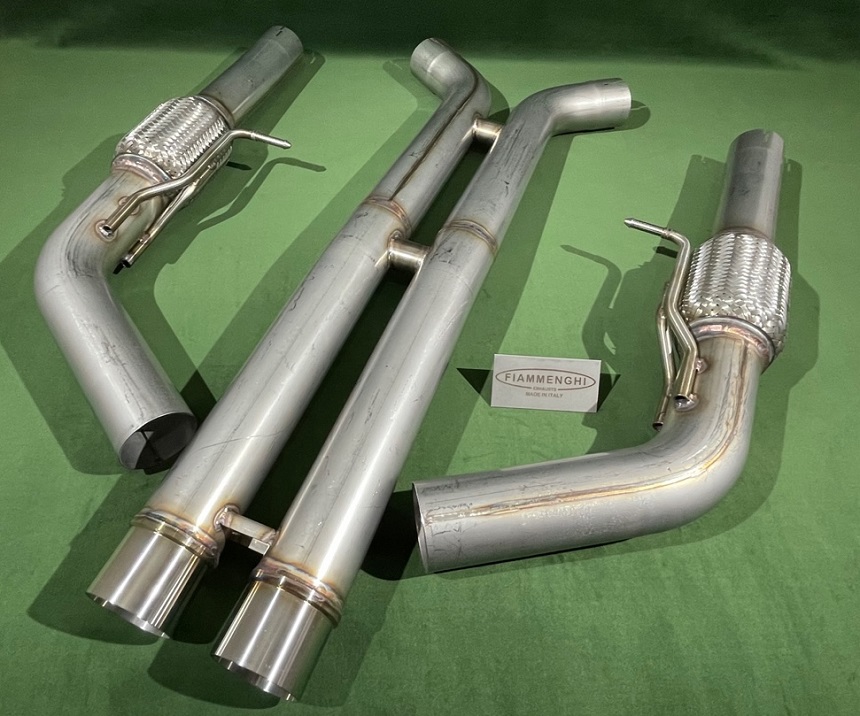
X pipes have a crossover in the shape of an “X”. This design allows exhaust gases to mix evenly from both sides of the engine. H pipes have a simple horizontal bar connecting two pipes. This bar looks like the letter “H”. The X pipe design is more complex, while the H pipe is simpler and easier to install.
Exhaust Flow Characteristics
X pipes help balance exhaust pulses between both sides of the engine. This balance reduces backpressure, allowing gases to flow smoother. H pipes also balance gases but not as well as X pipes. They create a bit more backpressure, which can affect how the engine breathes. The X pipe design usually improves exhaust flow more efficiently.

Sound And Performance Impact
X pipes produce a higher, smoother exhaust tone. This sound is often described as more refined or sporty. H pipes create a deeper, throatier exhaust note. This sound suits muscle cars and trucks. In terms of performance, X pipes can offer better horsepower gains. H pipes may provide better low-end torque but less top-end power.
Benefits Of Using X Pipes
X pipes offer several benefits for car enthusiasts and everyday drivers alike. These pipes help improve engine performance and change the sound of the exhaust. They are a popular choice for those who want a smoother and more efficient exhaust flow.
Choosing X pipes can lead to better power output and a more refined exhaust tone. They are designed to balance the exhaust gases from both sides of the engine, which creates a more efficient system overall.
Improved Exhaust Scavenging
X pipes help balance exhaust pressure between the two sides of the engine. This balancing improves exhaust scavenging, which means the engine clears out gases faster. Faster gas removal lets fresh air and fuel enter the cylinders more easily. This process helps the engine run smoother and more efficiently.
Enhanced Horsepower And Torque
By improving exhaust flow, X pipes can increase horsepower and torque. The engine breathes better, which boosts overall power. Drivers may notice quicker acceleration and stronger performance. This benefit is especially useful for those who want more power without major engine changes.
Sound Quality And Tone
X pipes create a higher-pitched, smoother exhaust sound. This tone is often described as more refined and less harsh. The design reduces the “bubbly” sound of some exhaust systems. Many drivers prefer this cleaner, more balanced exhaust note for daily driving.
Advantages Of H Pipes
H pipes offer several benefits for car exhaust systems. They help balance the flow of exhaust gases between the two sides of the engine. This balance improves engine performance and efficiency. Drivers also enjoy a smoother sound with less noise and vibration. Installing H pipes is often easier and fits well in many vehicle models.
These advantages make H pipes a popular choice for many car enthusiasts. They provide a good mix of power, sound, and ease of use.
Balanced Exhaust Flow
H pipes connect the two exhaust pipes with a cross pipe. This connection balances the pressure between both sides. The even flow helps the engine breathe better. It reduces back pressure and improves horsepower. Balanced flow also prevents uneven wear on engine parts.
Smooth Sound And Reduced Drone
H pipes create a deeper, smoother exhaust note. They reduce harsh sounds and high-pitched drone. This makes long drives more comfortable. The sound is less aggressive but still sporty. Many drivers prefer this quieter, more refined tone.
Installation And Fitment
H pipes usually fit well in classic and modern vehicles. Their simple design makes installation straightforward. Many H pipes come as direct replacements for stock pipes. This reduces the need for custom work or modifications. They often install faster and with fewer problems.
Factors Affecting Interchangeability
Understanding the factors affecting the interchangeability of X pipes and H pipes is important. These components look similar but serve different roles in exhaust systems. Their ability to replace each other depends on several key aspects. Knowing these factors helps avoid costly mistakes and ensures proper vehicle performance.
Vehicle Make And Model
Each vehicle has a unique exhaust design. The make and model affect pipe shape and size. Not all cars accept both X and H pipes. Some manufacturers design specific pipes for certain engines. Using the wrong pipe can cause fitment issues or damage.
Exhaust System Layout
Exhaust layout varies by vehicle type. The position of mufflers, catalytic converters, and sensors matters. X pipes often require more space than H pipes. Tight or complex layouts may limit pipe choice. Proper alignment is needed for exhaust gases to flow smoothly.
Compatibility With Engine Setup
Engine type influences pipe selection. V6 and V8 engines have different exhaust needs. X pipes balance exhaust pulses better for some V8s. H pipes help maintain sound quality in others. Matching pipe design with the engine setup improves power and noise control.
Potential Issues With Swapping Pipes
Swapping X pipes and H pipes might seem simple, but it brings several issues. These pipes have different designs and purposes. Changing one for the other can cause problems with fit, performance, and emissions. Knowing these issues helps avoid costly mistakes and ensures your exhaust works well.
Fitment Challenges
X pipes and H pipes have distinct shapes and sizes. They connect differently to the exhaust system. Swapping them can lead to gaps or misalignment. This causes leaks and reduces efficiency. Custom modifications may be needed to make the pipes fit properly. This adds time and expense to the installation.
Performance Trade-offs
X pipes improve exhaust flow and boost horsepower. H pipes balance exhaust pulses for smoother power delivery. Replacing one with the other changes how the engine breathes. You may lose some power or torque. The car might feel less responsive or less smooth. The swap affects engine tuning and overall driving experience.
Noise And Emissions Considerations
X pipes often create a higher, more aggressive sound. H pipes tend to produce a deeper, mellow tone. Swapping pipes changes the exhaust noise, which may not suit your taste. Emissions can also be affected. Different pipe designs influence how gases mix and exit. This might cause your vehicle to fail emissions tests or sound too loud.
Choosing Between X Pipes And H Pipes
Choosing between X pipes and H pipes is a key step in upgrading your exhaust system. Both have unique features that affect sound, performance, and driving feel. Understanding these differences helps pick the right pipe for your car.
Each pipe type suits different needs. Your driving style, power goals, and budget all play a role. This guide breaks down what to consider when choosing between X pipes and H pipes.
Driving Preferences
X pipes create a higher, smoother exhaust note. They often appeal to drivers who want a sportier sound. H pipes give a deeper, classic muscle car rumble. This suits those who prefer a strong, bold exhaust tone. Think about which sound fits your taste.
Performance Goals
X pipes improve exhaust flow by balancing pressure between pipes. This can boost horsepower and efficiency at higher RPMs. H pipes offer better low-end torque and throttle response. Choose X pipes for top-end power and H pipes for steady, low-speed strength.
Budget And Installation
H pipes usually cost less and are easier to install. They require simpler fabrication and fewer bends. X pipes tend to be pricier and need precise fitting. Consider your budget and ability to install before deciding.
Tips For Proper Installation
Proper installation of X pipes and H pipes ensures they work as designed. Careful steps help avoid leaks and noise issues. Follow these tips to install them safely and correctly.
Understanding the differences and how to fit each pipe type will improve your car’s performance. Preparation and the right tools matter a lot.
Professional Vs Diy
Professionals have experience and special tools for pipe installation. They can finish the job faster and with fewer errors. DIY installation saves money but needs patience and care.
Choose professional help if unsure about handling exhaust parts. For simple tasks, DIY is possible with detailed instructions and safety measures.
Required Tools And Materials
Prepare tools like wrenches, clamps, and a jack stand before starting. Use new gaskets and clamps for a tight seal. Make sure all parts fit your vehicle model.
Wear gloves and safety glasses to protect yourself. Keep a torque wrench handy to tighten bolts to the right level.
Ensuring Optimal Performance
Align pipes carefully to avoid stress and damage. Check for gaps and tighten clamps evenly. Test for leaks after installation by running the engine.
Regularly inspect the pipes and connections to keep performance high. Replace worn parts to prevent noise and loss of power.
Frequently Asked Questions
Are X Pipes And H Pipes Interchangeable In Exhaust Systems?
X Pipes and H Pipes are not fully interchangeable. They have different designs that affect exhaust flow and sound. X Pipes improve scavenging and offer a smoother tone. H Pipes provide a classic muscle car rumble. Choose based on desired performance and sound.
How Do X Pipes Differ From H Pipes In Function?
X Pipes merge exhaust gases centrally for better scavenging. This boosts horsepower and smooths sound. H Pipes connect two pipes with a simple crossbar, balancing pressure but lessening scavenging effects. Their functional differences impact performance and exhaust note distinctly.
Which Pipe Type Offers Better Horsepower Gains?
X Pipes generally provide better horsepower gains. Their design improves exhaust gas flow and scavenging. H Pipes focus more on balancing sound and reducing drone. For maximum power, X Pipes are usually preferred in performance setups.
Do X Pipes And H Pipes Affect Exhaust Sound Differently?
Yes, they do. X Pipes create a smoother, higher-pitched exhaust tone. H Pipes produce a deeper, classic muscle car rumble. Sound preference often guides the choice between these pipe types.
Conclusion
X pipes and H pipes serve similar roles but are not always interchangeable. Each design changes exhaust flow and sound differently. Choosing the right pipe depends on your vehicle’s needs and goals. Consider performance, noise, and budget before deciding. Always check compatibility with your car model.
Proper installation matters for best results. Understanding these differences helps you make a smart choice. Keep your engine running smoothly and sounding right. Simple decisions lead to better driving experiences.