Are Bosal Mufflers Loud? Essential Sound Guide
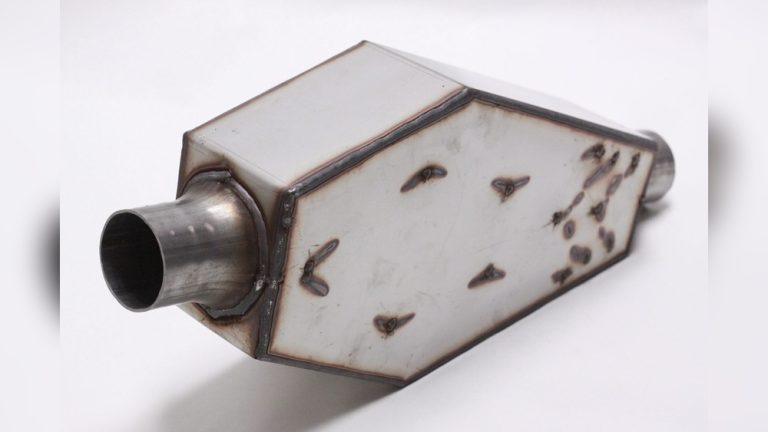
Bosal mufflers generally produce a moderate, pleasant exhaust note aimed at stock-like sound levels rather than aggressive loudness. Their design prioritizes balanced performance and emissions compliance, meaning they aren’t typically considered loud by enthusiasts seeking a throaty roar, but rather a refined and quieter operation suitable for everyday driving.
Welcome, fellow car enthusiasts! Ever found yourself wondering about the sound your car makes, especially when it comes to a new muffler? It’s a common puzzle, and if you’re looking at Bosal mufflers, you’re probably curious about their noise level. Don’t worry, understanding exhaust sounds doesn’t have to be complicated. I’m here to guide you through it, making sure you get the right information without any confusing jargon. We’ll break down exactly what Bosal mufflers sound like and help you make a confident choice for your vehicle. Let’s dive in!
Understanding Muffler Sound: It’s Not Just About Loudness
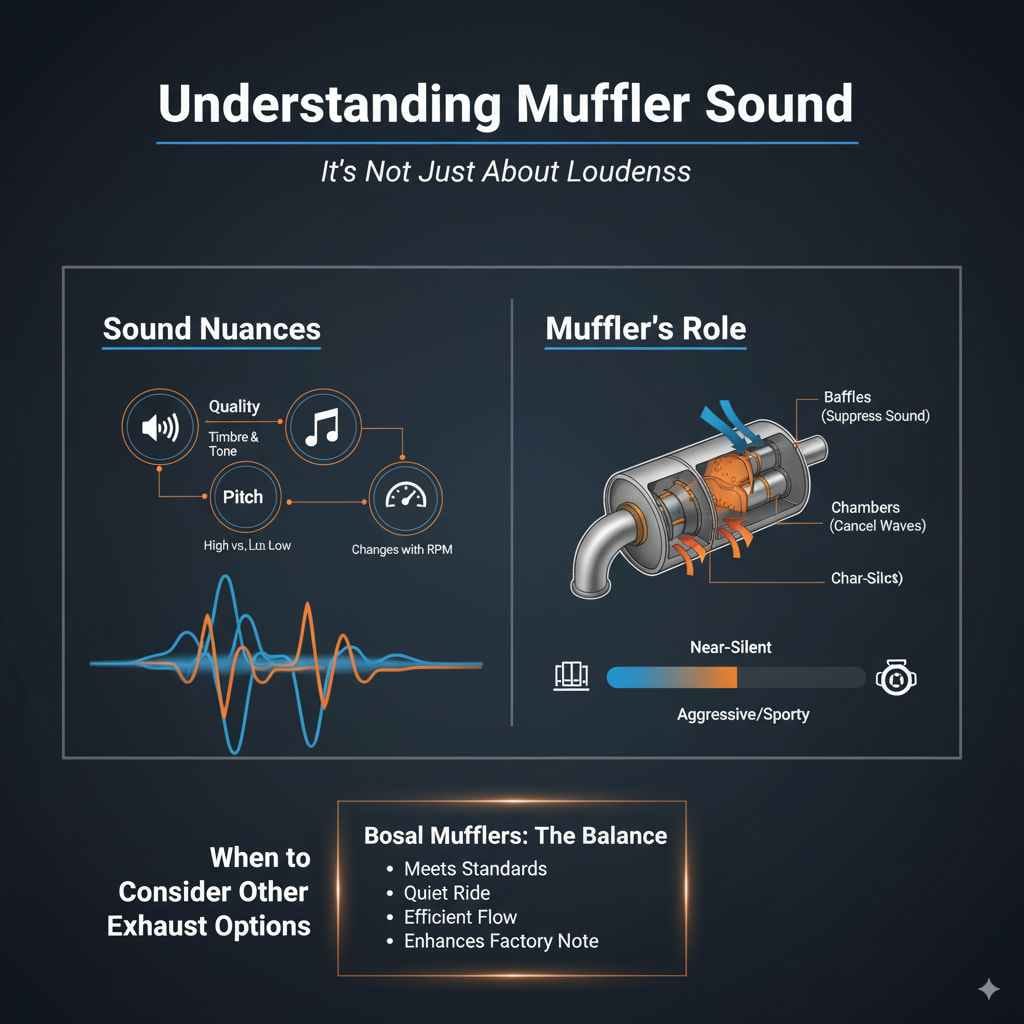
When we talk about mufflers, the first thing many people think of is “loud.” But exhaust sound is a bit more nuanced than just volume. It’s about the quality of the sound, the pitch, and how it changes with your car’s engine speed. A muffler’s main job is to reduce the noise produced by the engine by using internal baffles and chambers to suppress sound waves. However, the design of these chambers and the materials used can significantly impact the final sound you hear. Some mufflers aim for near-silent operation, while others are designed to give your car a more aggressive, sporty tone.
Bosal, a well-respected name in the automotive exhaust industry, generally focuses on creating mufflers that offer a good balance. This means they aim to meet emission standards and provide a quiet ride while still allowing the engine to breathe efficiently. They aren’t typically positioned as performance mufflers designed to make your car sound like a race car. Instead, they often aim to replicate or slightly enhance the original factory exhaust note, providing a pleasant, unobtrusive sound for daily driving.
Are Bosal Mufflers Loud? A Closer Look
So, to directly answer the question: are Bosal mufflers loud? For most drivers, the answer is no, they are not considered loud. Bosal’s product line tends to lean towards OEM (Original Equipment Manufacturer) replacement parts or upgrades that maintain a subtle, refined sound profile. This is often due to:
- Design Philosophy: Bosal’s primary goal is often to provide reliable, durable replacement parts that restore or slightly improve the original driving experience. This includes maintaining a comfortable noise level.
- Target Market: Many Bosal mufflers are designed for everyday vehicles where a quiet cabin is a priority. Enthusiasts looking for a dramatically louder exhaust note might find Bosal mufflers too subdued.
- Emissions and Regulations: Modern vehicles have strict noise regulations. Bosal, like other reputable manufacturers, designs its products to comply with these standards.
This doesn’t mean they are silent or produce no sound. You will still hear your engine, especially under acceleration, but it’s typically a low, pleasant rumble rather than a roaring exhaust note. Think of it as a mature, steady sound, not a shouting one.
What Makes a Muffler Sound the Way It Does?
Several factors contribute to a muffler’s sound. Understanding these can help you appreciate why a Bosal muffler might sound the way it does, and how it compares to others:
1. Internal Design (Chambers and Baffles)
This is the heart of muffler noise reduction. Traditional “chambered” mufflers use a series of passages and baffles to reflect and cancel out sound waves. The more complex and restrictive the chamber design, the quieter the muffler tends to be. Bosal often uses these designs to achieve their characteristic moderate sound.
2. Perforated Core (Straight-Through Design)
Some performance mufflers use a perforated core wrapped in sound-absorbing material. This allows exhaust gases to flow more freely, which can increase volume and produce a deeper tone. Bosal typically avoids this design for their standard replacement lines, favoring chambered mufflers for noise control.
3. Muffler Size and Volume
A larger muffler generally has more internal space to process sound waves, leading to quieter operation than a smaller, more compact one. Bosal mufflers are often sized appropriately for the vehicle to ensure effective noise reduction.
4. Packing Material
Some mufflers use fiberglass or steel wool packing to absorb sound. While effective, this material can degrade over time, potentially leading to a louder exhaust. Bosal products are known for their durability, so this degradation is usually less of a concern.
5. Exhaust System Configuration
The entire exhaust system plays a role. The number of mufflers, the presence of resonators (which further reduce specific sound frequencies), and the length of the pipes all influence the final sound. Even with a Bosal muffler, a car with a minimal exhaust setup might sound different than one with a full system.
Bosal Muffler Sound Profile: What to Expect
When you install a Bosal muffler, especially as a replacement for an original part, you can expect a sound that is:
- Subtle: The sound will be present but not intrusive. It enhances rather than overpowers the car’s natural engine sound.
- Deep, but Mellow: It usually produces a low-frequency tone that is pleasing to the ear, without being raspy or overly aggressive.
- Consistent: The sound should remain relatively constant across different engine RPMs, avoiding harsh or booming noises.
- OEM-like: For many, it sounds very close to what their car sounded like when it was new.
Think of it as a quiet hum during cruising and a healthy, controlled sound when you accelerate. It’s the kind of sound that doesn’t draw unwanted attention from law enforcement but still lets you know your engine is running.
Bosal vs. Other Muffler Brands: A Sound Comparison
How does Bosal stack up against other common muffler types? Here’s a simplified comparison:
| Muffler Type | Typical Sound Level | Sound Quality | Bosal’s Position |
|---|---|---|---|
| OEM Replacement (e.g., Bosal Standard) | Quiet to Moderate | Mellow, Deep, Refined | Bosal excels here, aiming for stock or slightly improved sound. |
| Performance Mufflers (e.g., Magnaflow, Flowmaster – some models) | Moderate to Loud | Deep, Aggressive, Sporty, sometimes Raspy | Bosal is generally quieter and less aggressive than most performance brands. |
| “Glasspack” or Straight-Through Mufflers | Loud | Aggressive, Raw, often Boomy or Raspy | Bosal is significantly quieter and less raw than glasspacks. |
| Resonated Systems | Varies (can reduce specific tones) | Smoother, deeper, less “droning” | While Bosal might have specific resonated products, their single mufflers typically do the primary sound dampening. |
Essentially, if you’re looking for a muffler that makes your car sound like it’s putting out twice the horsepower with a thunderous roar, Bosal isn’t likely what you’re after. However, if you want a quiet, reliable, and pleasant-sounding exhaust that performs well and doesn’t annoy the neighbors, Bosal is a solid choice.
When Might a Bosal Muffler Seem Loud?
While Bosal mufflers are designed to be quiet, there are a few scenarios where they might sound louder than expected:
- Worn-out Original Muffler: If you’re replacing a muffler that has completely rusted or failed internally, any new muffler, including a Bosal, will sound significantly “more present.”
- Engine Issues: A failing engine component, like a cracked exhaust manifold or a leak further up the exhaust system, can make even a quiet muffler sound surprisingly loud.
- Resonator Removal: If your car came with both a muffler and a resonator, and you replace only the muffler with a Bosal while leaving the resonator out (or if it was already missing), the overall sound might increase.
- “Sport” or Performance Models: While less common for Bosal, some brands offer sportier versions of their mufflers that might be slightly louder. Always check the specific product description.
- Vehicle Type: A small, four-cylinder engine will naturally sound different (and potentially less “loud” in a bad way) than a large V8, even with the same muffler. The inherent engine noise is amplified differently.
It’s always good to consider the context of your car’s existing exhaust system and any other potential issues.
DIY Installation Guide: Replacing Your Muffler (Simplified)
If you’ve decided on a Bosal muffler and are comfortable with some basic wrenching, replacing a muffler can be a rewarding DIY project. Safety first! Always ensure your vehicle is securely supported on jack stands before getting underneath it.
Tools You’ll Likely Need:
- New Bosal Muffler (ensure it’s the correct fit for your vehicle!)
- Jack and Jack Stands
- Wrench Set or Socket Set (common sizes are 13mm, 14mm, 15mm)
- Penetrating Oil (like WD-40 or PB Blaster)
- Wire Brush
- Exhaust Hanger Pliers or a Pry Bar
- Exhaust Sealant/Paste (optional, but recommended for sealing joints)
- Safety Glasses and Gloves
- Torque Wrench (optional, but good for ensuring proper tightness)
Step-by-Step Process:
- Safety First: Park your car on a level surface. Engage the parking brake and block the wheels. Use your jack to lift the rear of the vehicle and place jack stands securely under the frame or designated support points. Manufacturer recommendations for proper vehicle support like those from NHTSA (National Highway Traffic Safety Administration) are crucial for your safety.
- Locate the Muffler: Follow your exhaust pipe from the front of the car back. The muffler is usually a large, rectangular or oval-shaped component.
- Loosen Exhaust Clamps/Bolts: At the connection points where the muffler attaches to the exhaust pipe ahead of it and the tailpipe behind it, you’ll find clamps or bolts. Spray these generously with penetrating oil and let them soak for a few minutes.
- Remove Hangers: The muffler is typically held in place by rubber hangers attached to the car’s frame. Use your exhaust hanger pliers or pry bar to carefully release the muffler from these hangers. You might want to spray the hanger pins with penetrating oil too.
- Disconnect and Remove: Once the clamps are loosened and the hangers are free, carefully maneuver the old muffler out of the way. It might be heavy, so be prepared.
- Prepare Connections: Clean the ends of the exhaust pipe and tailpipe where the new muffler will connect. Use a wire brush to remove rust and debris.
- Install New Bosal Muffler: Position the new Bosal muffler. If your new muffler has a slip-fit connection, apply exhaust sealant to the pipe end before sliding the muffler on.
- Reconnect Hangers: Secure the new muffler to the rubber hangers.
- Tighten Clamps/Bolts: Reinstall the clamps or bolts, ensuring a snug fit. Don’t overtighten immediately; you might need to adjust the muffler’s position slightly for alignment.
- Check Alignment: Ensure that the muffler and pipes are properly aligned and not touching any other parts of the car’s undercarriage.
- Final Tightening: Once alignment is good, tighten all clamps and bolts securely. If you have a torque wrench, consult your vehicle’s manual for specific torque values.
- Start the Engine: Carefully lower the vehicle. Start the engine and listen for leaks. You may need to do a final tightening on any joints.
Always refer to your vehicle’s specific service manual for the most accurate instructions and torque specifications. If you’re unsure at any point, it’s always best to consult a professional mechanic.
When to Consider Other Exhaust Options
While Bosal offers excellent quality and a pleasant sound for everyday driving, there are times when you might want to explore other exhaust options:
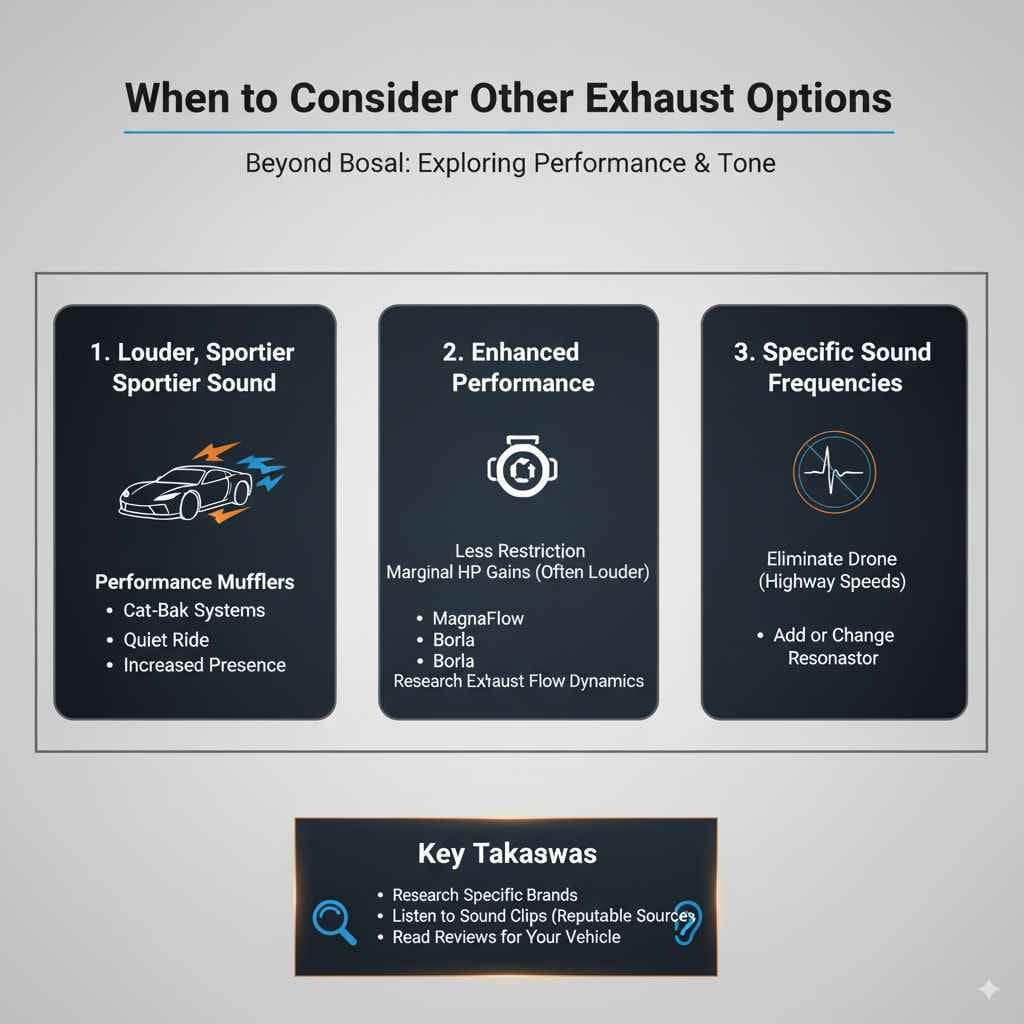
- Desire for a Louder, Sportier Sound: If you’re looking for a more aggressive exhaust note that announces your car’s presence, you’ll likely need to look at performance exhaust brands that specialize in this. Options like a “performance muffler” or a “cat-back exhaust system” from brands known for their sporty sounds might be more suitable.
- Enhanced Performance: While a good muffler helps the engine breathe, some “performance” mufflers are designed with less restriction to potentially offer marginal horsepower gains. However, these often come with increased noise levels. Manufacturers like MagnaFlow or Borla are often cited in these discussions. You can find information on exhaust flow dynamics and potential gains at reputable automotive engineering sites.
- Specific Sound Frequencies: Some drivers might want to eliminate a specific drone frequency at highway speeds. This often involves adding or changing a resonator, not just the muffler.
For these cases, it’s beneficial to research specific brands known for those characteristics. Always listen to sound clips online (from reputable sources!) and read reviews from other users with your specific vehicle model.
Frequently Asked Questions (FAQ) About Bosal Mufflers
Here are some common questions beginners have about Bosal mufflers and their sound:
1. Will a Bosal muffler make my car sound “sporty”?
Generally, no. Bosal mufflers are designed for a moderate, refined sound that is close to the original factory sound. They are not performance mufflers intended to produce a loud, aggressive roar.
2. Is a Bosal muffler quieter than my old, rusted muffler?
Yes, in most cases. If your old muffler is significantly rusted or has internal damage, a new Bosal muffler will restore the intended, quieter sound profile of your vehicle.
3. Do Bosal mufflers affect my car’s fuel economy?
When used as a direct replacement for an OEM muffler, a Bosal muffler is designed to maintain similar flow characteristics, so significant changes in fuel economy are unlikely. Some very restrictive mufflers can slightly hurt economy, while some efficient designs might offer marginal improvements, but Bosal typically aims for a balance that doesn’t negatively impact it.
4. How long does a Bosal muffler typically last?
Bosal mufflers are known for their durability. With proper installation and in normal driving conditions, they can last anywhere from 5 to 10 years, or even longer, often outlasting the vehicle’s original muffler.
5. Can I install a Bosal muffler myself?
Yes, if you have basic mechanical skills and the right tools, replacing a muffler is a manageable DIY project. However, always prioritize safety and consult your vehicle’s service manual.
6. Are Bosal mufflers legal in terms of noise?
Yes, Bosal mufflers are designed to meet or exceed federal and state noise emission standards. They are engineered to provide a sound level that is acceptable for street use in most regions.
7. Will a Bosal muffler fit any car?
No, mufflers are specific to vehicle make, model, year, and sometimes even engine size or trim level. You must purchase a Bosal muffler designed to fit your specific car.
Conclusion: Your Peace of Mind with Bosal
If you’re seeking a muffler that doesn’t break the bank, offers reliable quality, and most importantly, provides a calm and unobtrusive sound for your daily drives, then Bosal mufflers are an excellent choice. They are not designed to turn your commuter car into a muscle car by sound, but rather to ensure your vehicle operates quietly and efficiently, much like it did when it left the factory.
By understanding the internal workings of mufflers and Bosal’s focus on OEM-quality replacements, you can confidently select a product that meets your needs. Whether you’re a DIY enthusiast looking to restore your car’s exhaust or simply want to replace a failing part with something dependable, a Bosal muffler offers peace of mind. Remember to always verify the part number for your specific vehicle and, when in doubt, consult a trusted auto professional. Happy driving with your quieter, smoother ride!