Are Cats Considered Mufflers: Surprising Facts You Must Know
Have you ever noticed how your cat curls up on your lap and suddenly the whole room feels quieter? It’s almost like your furry friend is acting as a natural muffler, softening the noise around you.
But can cats really be considered mufflers? If you’ve ever wondered why your home feels calmer with a cat nearby, or how their presence affects sound and mood, this article is for you. Keep reading to discover surprising facts about cats and the quiet comfort they bring to your life.
Cats And Mufflers: The Connection
Cats and mufflers might seem unrelated at first. Yet, there is an interesting connection between the two. The term “muffler” is used in some contexts to describe cats. This idea comes from how cats behave and the sounds they make. Understanding this link helps explain why some people call cats “mufflers.”
Origin Of The Muffler Term
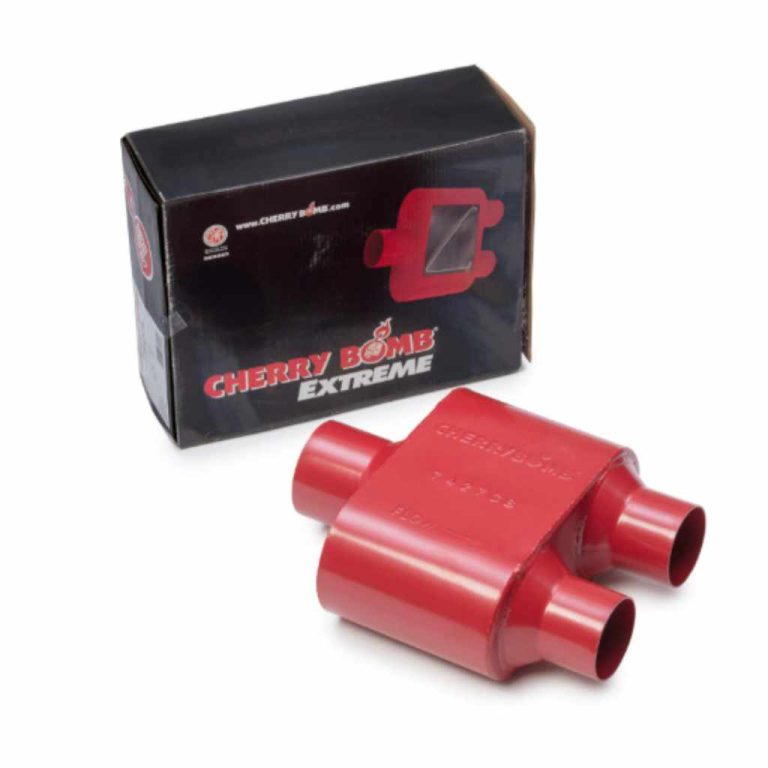
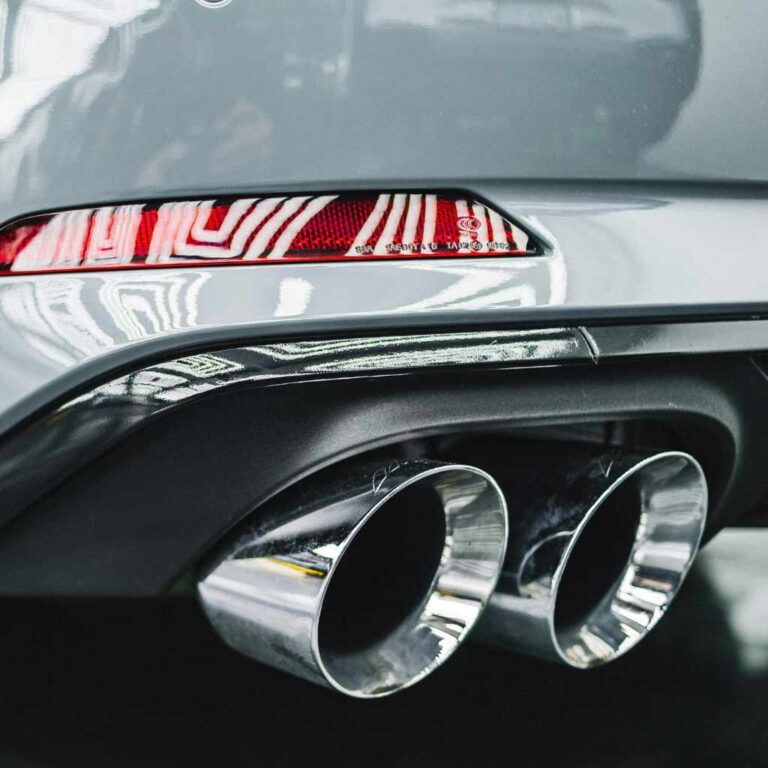
The word “muffler” usually refers to a device that reduces noise. It is often used for car parts that quiet engine sounds. Over time, this term found its way into pet descriptions. People noticed cats often soften loud noises around them. This quieting effect led to cats being nicknamed “mufflers.”
Why Cats Are Compared To Mufflers
Cats have a calming presence in many homes. Their purring sounds are soft and soothing. This can lower stress and mask harsher noises. Cats also move quietly, almost like they are muffling sounds. They help create a peaceful environment, much like a muffler does for a car. This peaceful effect is why people compare cats to mufflers.
How Cats Influence Car Mufflers

Cats are known for their love of warm, cozy places. Car mufflers provide just that warmth, especially after a drive. This attraction can cause cats to crawl inside mufflers. Understanding how cats influence car mufflers helps prevent damage and keeps cats safe.
Cats seek mufflers as a shelter during cold weather. The heat from the muffler keeps them warm and comfortable. Unfortunately, this can lead to problems for both cats and car owners. Knowing the signs of cats in mufflers is important for early detection.
Attraction To Warmth And Shelter
Car mufflers warm up quickly after a car runs. Cats feel this warmth and find mufflers inviting. Mufflers offer a small, hidden space that feels safe. Stray and outdoor cats often use mufflers as temporary shelter. This behavior is most common in cold seasons.
Common Signs Of Cats In Mufflers
Strange noises from the muffler can signal a cat inside. Meowing or scratching sounds may come from underneath the car. You might notice paw prints or fur near the exhaust. Cats may hide quickly when the car starts. Regularly checking around the muffler helps spot cats early.
Risks Of Cats Nesting In Mufflers
Cats sometimes find mufflers warm and safe for resting. This habit can cause serious problems. Both cats and vehicles face risks from this behavior. Understanding these risks helps protect pets and cars.
Potential Harm To Cats
Cat nesting in mufflers can lead to injury or death. The engine starts hot and can burn cats badly. Moving vehicles can trap or crush cats hiding there. Exhaust fumes inside mufflers can poison cats. Cats trapped in mufflers often suffer in silence. This makes it harder to spot and help them.
Damage To Vehicles
Cats nesting in mufflers can cause car damage. Fur and debris block airflow and cause overheating. Scratching or clawing damages muffler parts and wiring. Animals inside mufflers may trigger strange noises or smells. Repairs from such damage can be costly and time-consuming. Protecting your vehicle helps avoid unexpected repair bills.
Preventing Cats From Entering Mufflers
Cats sometimes crawl into car mufflers for warmth or shelter. This can be dangerous for both cats and drivers. Preventing cats from entering mufflers is important for safety and pet care. Simple steps can protect cats and avoid car damage.
Effective Deterrent Methods
Use natural scents like citrus or vinegar near the muffler. Cats dislike these smells and avoid the area. Place a screen or mesh around the muffler to block entry. Motion-activated lights or sounds can scare cats away. Regularly check under your car before starting it.
Safe Alternatives For Cats
Provide warm shelters away from cars, like cozy boxes or pet houses. Place soft bedding in quiet garden spots to attract cats. Offer safe outdoor spaces with food and water. These options keep cats comfortable and away from mufflers.
Myths And Facts About Cats As Mufflers
Cats have many interesting roles in our homes and lives. Some people say cats act like mufflers, softening sounds around them. This idea comes from how quiet and calm cats often seem. Understanding the truth behind this helps us learn more about cats and sound.
Common Misconceptions
Many believe cats can block or reduce noise like a muffler. This is not true. Cats do not have special body parts to stop sound. They may sit quietly, but they do not absorb or lower noise levels. Cats are usually silent themselves, but they cannot change sounds around them. People may think their purring or soft steps create a muffling effect. Actually, these noises are very low and do not affect other sounds.
Scientific Insights
Science shows that sound muffling needs materials that absorb or block waves. Cats’ fur and bodies do not have these properties. Their fur can soften touch but not sound. Research finds no evidence that cats reduce noise in a room. Their presence can make a space feel calm, but this is about mood, not sound. Studies focus on soundproofing materials, not animals. Cats help humans relax but do not act as natural mufflers.
What To Do If You Find A Cat In Your Muffler
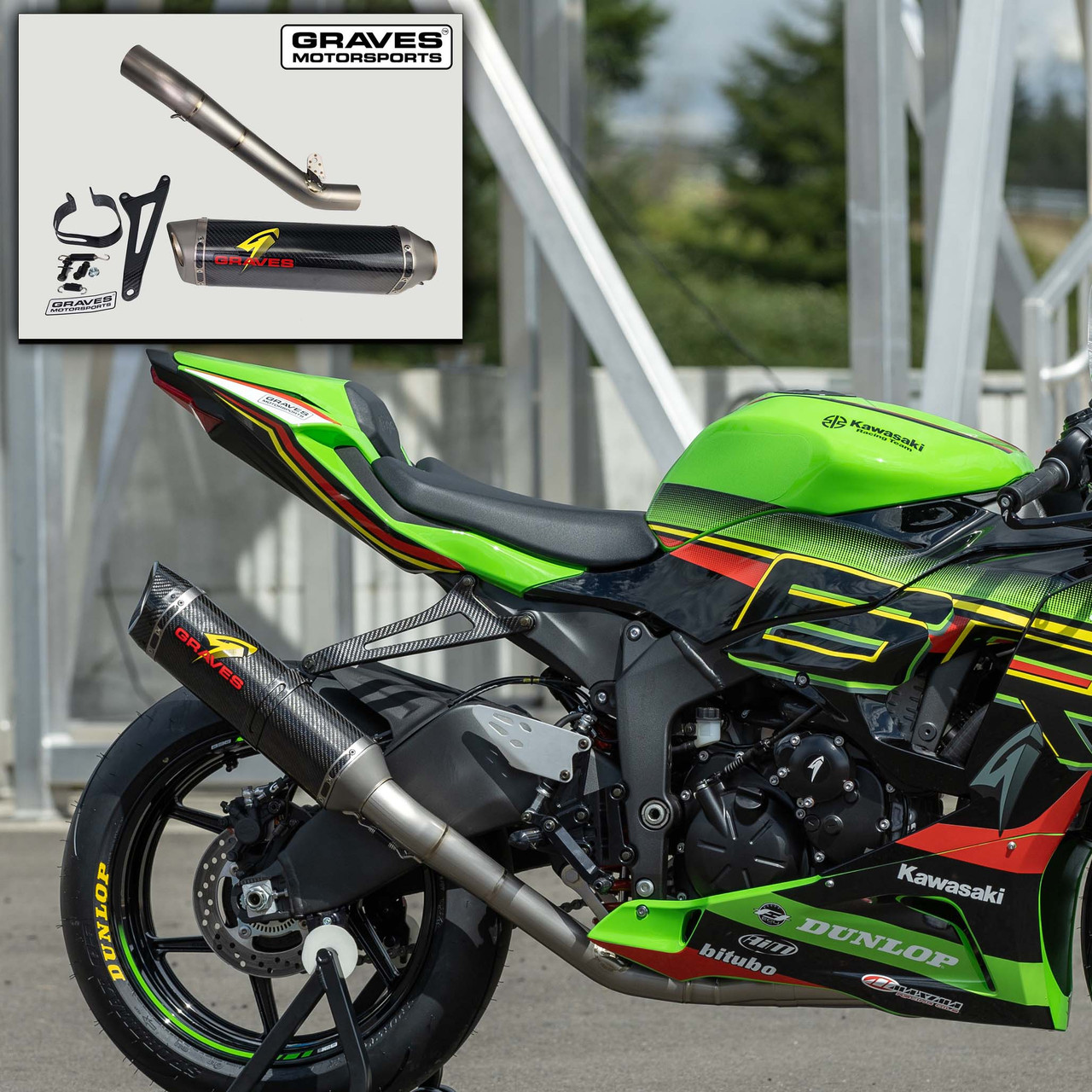
Finding a cat inside your car’s muffler is surprising and alarming. Cats often seek warm, quiet places, especially during cold weather. A muffler can seem like a safe spot for them. Handling this situation carefully is important to keep both you and the cat safe.
Acting quickly but calmly helps avoid injury or stress. Knowing the right steps to take ensures the cat leaves safely without harm. Here is what to do if you find a cat in your muffler.
Steps To Safely Remove The Cat
First, do not start the car or make loud noises. This can scare or hurt the cat. Open the hood and inspect the muffler area carefully. Use gloves to protect your hands. Gently try to coax the cat out using soft voices and slow movements.
Place food or treats near the muffler entrance to attract the cat. Use a flashlight to check inside the muffler if needed. Avoid poking or prodding the cat with objects. Give the cat time to come out on its own.
If the cat does not come out, try gently tapping the muffler to encourage movement. Never force the cat out; this can cause injury. Keep children and pets away during this process to reduce stress for the cat.
When To Seek Professional Help
Call animal control or a local rescue group if the cat stays trapped. Professionals have tools and training to remove animals safely. A mechanic can also help if the cat is stuck deep inside the muffler.
Seek help if the cat appears injured or unwell. Do not attempt to handle a frightened or aggressive cat alone. Experts can provide medical care and find a safe place for the cat.
Remember, safety for you and the cat is the priority. Taking the right steps avoids harm and helps the cat find safety quickly.

Frequently Asked Questions
What Does “mufflers” Mean In Relation To Cats?
Mufflers refer to devices that reduce noise, like in cars. Cats are not mufflers but animals sometimes called “mufflers” humorously for their quiet steps.
Are Cats Scientifically Classified As Mufflers?
No, cats are not scientifically classified as mufflers. They are mammals in the Felidae family, known for silent movement but not noise reduction devices.
Why Are Cats Sometimes Called “mufflers”?
Cats are called “mufflers” informally because of their soft, quiet paws. This nickname highlights their stealth but is not a formal classification.
Can Cats Reduce Noise Like Mechanical Mufflers?
Cats do not reduce noise mechanically. Their quiet walking might seem noise-dampening, but they do not function as noise-reducing devices.
Conclusion
Cats are not considered mufflers in any usual sense. They do not reduce noise like car parts do. Instead, cats bring calm and comfort to homes. Their soft purring can soothe people’s minds and hearts. While they don’t stop sounds, cats create a peaceful atmosphere.
They make spaces feel quieter by their gentle presence. People often enjoy their quiet company. So, cats offer a different kind of calm, not mechanical muffling. Understanding this helps clear up any confusion about cats and mufflers.