Are Cats And Mufflers the Same Thing? Shocking Truth Revealed!
Have you ever heard someone mention “cats” when talking about cars and wondered what they meant? It might sound strange, but “cats” and “mufflers” are often confused, even though they play very different roles.
If you’re curious about how these parts work and why knowing the difference matters for your vehicle, you’re in the right place. By the end of this article, you’ll understand exactly what sets cats and mufflers apart—and why this knowledge can save you time, money, and stress.
Keep reading to clear up the confusion once and for all!
Cats Vs Mufflers
Cats and mufflers might sound similar but serve very different purposes in cars. Both are parts of a vehicle’s exhaust system. Each plays a unique role in reducing pollution and controlling noise.
Basic Functions Compared
Cats, or catalytic converters, clean harmful gases from car exhaust. They change dangerous chemicals into safer ones before release. Mufflers reduce the noise created by the engine’s exhaust. They help make the car quieter and more comfortable to drive.
While cats focus on pollution control, mufflers focus on sound control. Both help the environment and improve driving experience.
Physical Differences
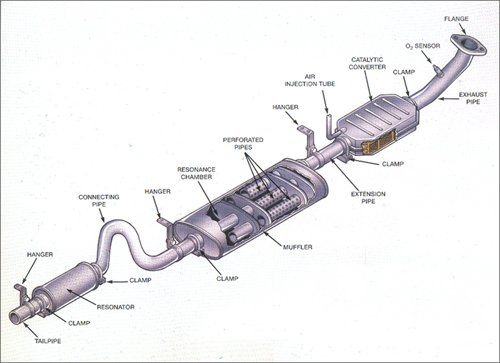
Cats look like small metal boxes with honeycomb structures inside. This honeycomb is coated with special metals that trigger chemical reactions. Mufflers are usually larger and shaped like tubes or cylinders. Inside, they have chambers and pipes to cancel sound waves.
Cats are placed closer to the engine, while mufflers are near the back of the car. Their size and shape reflect their different jobs in the exhaust system.

How Catalytic Converters Work
Catalytic converters play a key role in reducing vehicle pollution. They change harmful gases into less harmful ones before these gases leave the exhaust system. Understanding how catalytic converters work helps clear up confusion about their purpose and function.
Role In Emissions Control
The main job of catalytic converters is to lower toxic gases from car exhaust. They target gases like carbon monoxide, nitrogen oxides, and hydrocarbons. These gases are dangerous to health and the environment.
The converter uses chemical reactions to turn these gases into safer substances. Carbon monoxide becomes carbon dioxide. Nitrogen oxides change into nitrogen and oxygen. Hydrocarbons turn into carbon dioxide and water.
This process helps cars meet environmental laws and reduce air pollution. Catalytic converters keep the air cleaner and protect public health.
Materials Inside Cats
Catalytic converters contain special materials called catalysts. The main catalysts are platinum, palladium, and rhodium. These metals speed up chemical reactions without being used up.
These metals coat a ceramic or metal honeycomb inside the converter. The honeycomb shape increases surface area. This design helps gases flow smoothly and react quickly.
The catalysts help break down harmful gases into safe gases. Their presence is vital for the converter to work well and last long.

Purpose Of Mufflers
Mufflers are important parts of a car’s exhaust system. Their main job is to lower the loud sounds produced by the engine. Without mufflers, cars would be very noisy and unpleasant to drive or be around.
Mufflers also help control the flow of exhaust gases. This control improves engine performance and reduces harmful emissions. They make driving quieter and more comfortable for everyone nearby.
Noise Reduction Mechanism
Mufflers reduce noise by using chambers and tubes inside their body. These parts reflect sound waves and cancel each other out. This process makes the noise much softer before it leaves the tailpipe.
Some mufflers also use sound-absorbing materials. These materials soak up sound energy and lower noise further. The combination of reflection and absorption keeps engine noise under control.
Common Muffler Designs
There are several popular muffler designs. The most common are chambered, turbo, and straight-through types. Each design works differently to reduce noise and control exhaust flow.
Chambered mufflers use multiple chambers to break up sound waves. Turbo mufflers have curved tubes to create turbulence and reduce noise. Straight-through mufflers allow exhaust to flow freely, using sound-absorbing materials to lower sound.
Choosing the right muffler design affects noise level and engine efficiency. It depends on the vehicle type and the driver’s needs.
Why The Confusion Exists
People often get confused about cats and mufflers because of how the terms overlap in car parts. Both relate to the exhaust system in vehicles. This overlap causes mix-ups in everyday talk. Understanding the root of this confusion helps clear things up quickly.
Terminology Mix-ups
The word “cat” is short for catalytic converter. It cleans harmful gases from car exhaust. A muffler, on the other hand, reduces noise from the exhaust. Both parts sit along the exhaust pipe but have different jobs. Many people call the catalytic converter a “cat” without knowing its full function. Sometimes, they use “muffler” to describe any part near the exhaust. This mix-up in names leads to confusion.
Visual Misunderstandings
Cats and mufflers look similar from a distance. Both are metal parts attached under the car. They have a round or oval shape and connect to pipes. Without close inspection, it is hard to tell them apart. Mechanics and car owners might confuse one for the other. This visual similarity adds to the misunderstanding about what each part actually does.
Impact On Vehicle Performance
The impact on vehicle performance from cats and mufflers is a common concern. Both parts affect how your car runs and sounds. Understanding these effects helps you make better decisions about your vehicle’s exhaust system.
Effects Of Cat Removal
Removing the catalytic converter can change engine performance. It may increase power slightly by reducing back pressure. But it also causes more pollution. The engine might run louder and less smooth. Many cars need the cat to pass emissions tests. Without it, your vehicle could fail inspections.
Muffler Modifications
Changing or removing the muffler affects noise and exhaust flow. A modified muffler can make the car sound louder or deeper. It might improve exhaust flow a bit. This can increase engine power in some cases. But louder noise can lead to fines or complaints. Some mufflers also reduce emissions and protect engine parts.
Legal And Environmental Considerations
Legal and environmental issues matter for both cats and mufflers. Cars and animals both affect the world we live in. Rules help protect nature and keep people safe. Understanding these rules helps us make better choices.
Regulations On Cats And Mufflers
Many places have laws about mufflers. These laws reduce noise and air pollution. Cars must have mufflers that work well. Broken or missing mufflers can lead to fines.
Cats also have protection laws. Some cities have rules about caring for stray cats. Animal cruelty laws protect cats from harm. These laws ensure cats live in safe conditions.
Environmental Benefits
Mufflers help clean the air by reducing harmful gases. Cleaner air means healthier people and animals. Good mufflers lower noise pollution too.
Caring for cats keeps the environment balanced. Cats control pests like rats and mice. This natural pest control reduces the need for chemicals. Healthy cat populations support a cleaner environment.
Signs Of Faulty Cats And Mufflers
The signs of faulty cats and mufflers can be easy to miss. Both parts play a key role in your vehicle’s exhaust system. When they stop working right, your car shows clear symptoms. Knowing these signs helps you avoid bigger problems and expensive repairs.
Common Symptoms
A bad catalytic converter or muffler causes strange sounds. You might hear loud rumbling or hissing noises. The car could smell like rotten eggs, a sign of a failing cat. Poor engine performance is another symptom. The vehicle may struggle to accelerate or stall. Sometimes, the check engine light turns on. Smoke from the exhaust can also increase. These symptoms point to a need for inspection.
When To Seek Repairs
Seek repairs as soon as you notice these symptoms. Delaying can damage the engine and raise fuel costs. Strange noises or smells require immediate attention. If the check engine light stays on, visit a mechanic. Early repairs keep your car safe and efficient. Regular checkups prevent sudden breakdowns on the road.
Frequently Asked Questions
Are Cats And Mufflers Related In Any Way?
No, cats and mufflers are completely different. Cats are animals, while mufflers are car parts. They serve unrelated purposes.
What Does “cat” Mean In Car Mufflers?
In car mufflers, “cat” refers to a catalytic converter. It reduces harmful emissions from the vehicle’s exhaust system.
Can Mufflers Affect A Cat’s Safety?
Mufflers themselves don’t affect cats directly. However, loud noises from mufflers may disturb nearby cats or wildlife.
Why Might Someone Confuse Cats With Mufflers?
The confusion arises from the term “cat” in automotive parts. It’s short for catalytic converter, not the animal.
Conclusion
Cats and mufflers are very different things. One is a living animal, soft and warm. The other is a car part, made of metal and noise. Knowing this helps avoid confusion. People talk about both, but they do not mean the same.
Understanding simple facts makes learning easier. Now, you can clearly tell cats apart from mufflers. Simple, right? This shows how words can mean very different things. Keep curious and keep learning new things every day.