Are Installer Turbo Mufflers Loud? Essential Guide
Installer turbo mufflers are generally louder than factory stock mufflers, but they are typically much quieter than full straight-pipe systems or aggressive aftermarket performance mufflers. Their sound level is a moderate upgrade, designed to offer a deeper tone without excessive noise.
Welcome! If you are looking to give your car a little more “growl” without waking up the entire neighborhood, you’ve likely run into the term “turbo muffler.” It’s a common question for new automotive upgraders: just how loud are these things?
Many car owners feel frustrated trying to sort through confusing aftermarket jargon. You want a better sound, maybe even a tiny boost in flow, but you fear ending up with an exhaust that’s illegal or just plain annoying on long drives. Don’t worry! We are going to clear up the noise level right now.
As your friendly automotive guide, I will break down exactly what an installer turbo muffler does to your sound profile, who it’s best for, and how it compares to other common options. By the time we finish, you’ll know if this upgrade gives you the perfect sound balance.
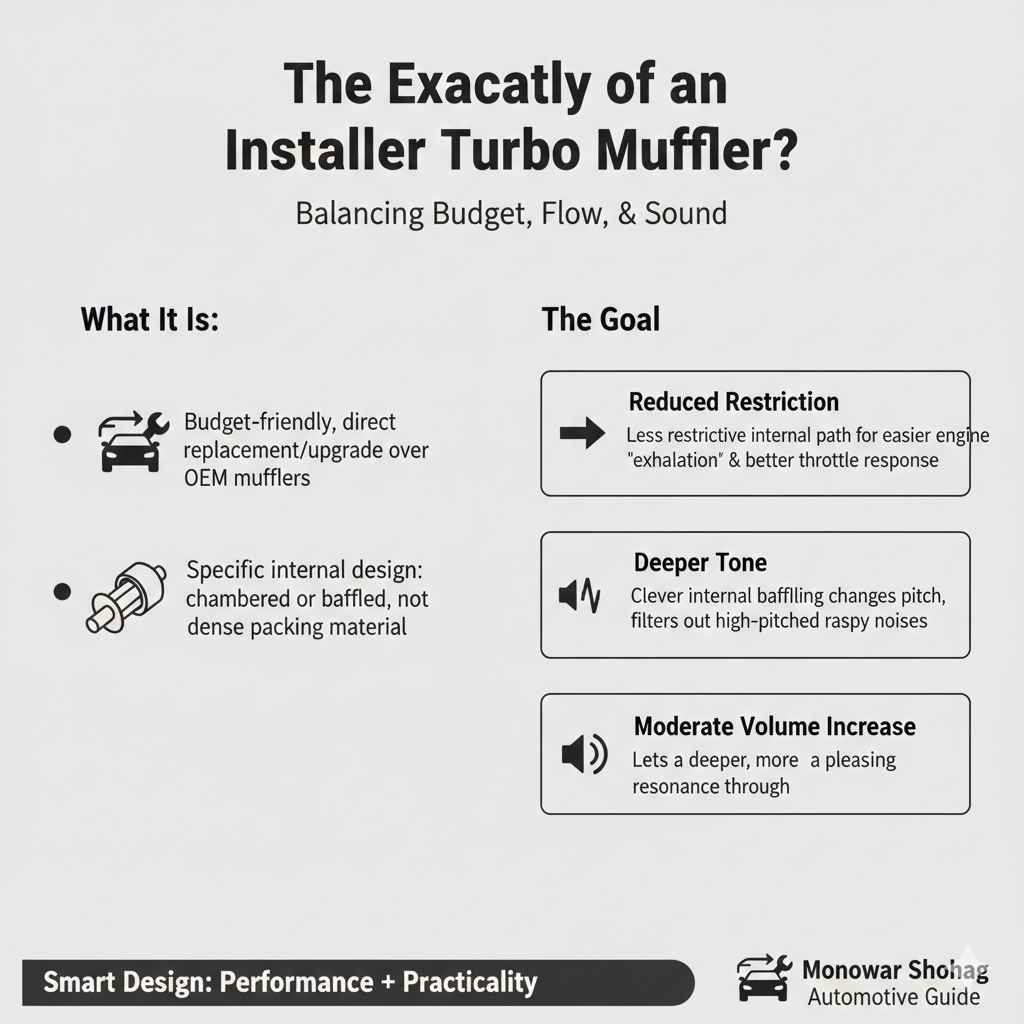
What Exactly is an Installer Turbo Muffler?
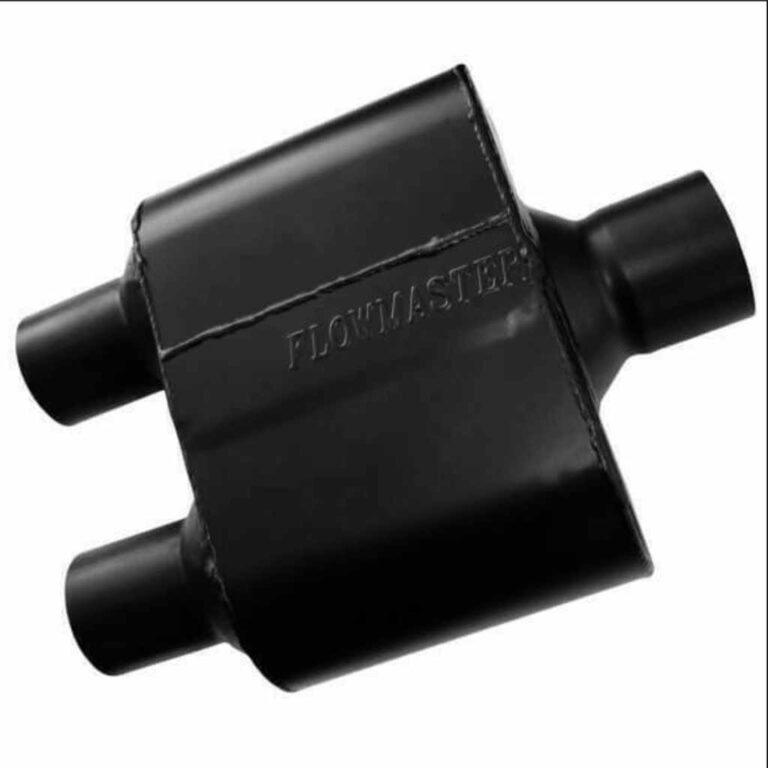
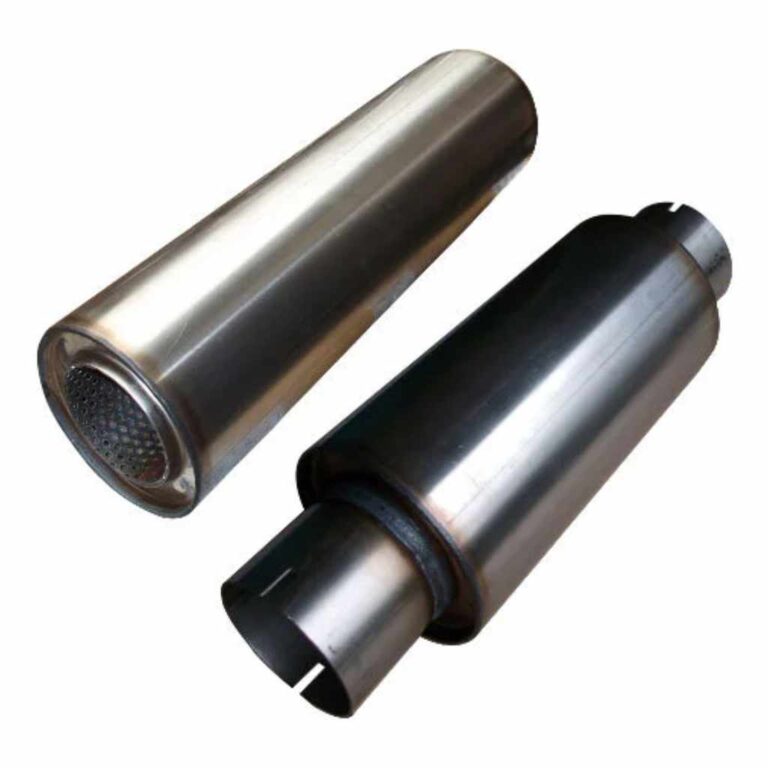
Before we talk about volume, let’s quickly define what we mean. When people talk about “installer turbo mufflers,” they usually mean a specific style of muffler, often designed to be a direct, budget-friendly replacement or upgrade over the original equipment manufacturer (OEM) stock muffler. They are not necessarily made by a company called “Installer,” but rather, they are the kind of generic, high-flow replacement part commonly installed by local repair shops.
These mufflers use a specific internal design, often relying on a chambered layout or tuned baffling rather than traditional dense packing material found in performance mufflers.
The Goal of the Turbo Muffler Design
The main job of any muffler is to silence the loud pressure pulses coming directly from your engine’s exhaust manifold. A stock muffler does this very well, making your car quiet but often restricting airflow.
The turbo muffler tries to find a sweet spot:
- Reduced Restriction: It often has a less restrictive internal path than stock. This means the engine can “exhale” more easily, which can sometimes lead to a very slight increase in performance or better throttle response.
- Deeper Tone: By using clever internal baffling (sometimes shaped like a mini-turbine or featuring perforated tubes), it changes the pitch of the sound wave.
- Moderate Volume Increase: This design filters out the highest-pitched, raspy noises while letting a deeper, more pleasing resonance through.
The Direct Answer: Are Installer Turbo Mufflers Loud?
This is the core question. The simple, honest answer is this: Yes, they are louder than stock, but they are generally not considered “loud” in the world of aftermarket exhausts.
Think of it like this scale:
- Stock Muffler: Very Quiet (Almost Silent)
- Installer Turbo Muffler: Moderate, Deeper Tone (Noticeable Rumble)
- Performance Mufflers (e.g., Flowmaster 40 Series): Loud, Aggressive
- Straight Pipes: Extremely Loud (Very Harsh)
What Determines the Final Volume?
The perceived loudness of any muffler, including the turbo style, isn’t just about the muffler itself. It depends heavily on the entire exhaust system it connects to. Here are the major factors:
1. Engine Size and Type
A large V8 engine naturally produces much more exhaust volume than a small four-cylinder engine. A turbo muffler on a powerful V8 might sound like a mild rumble, whereas the same muffler on a four-cylinder might sound significantly louder because the base noise level is lower.
2. Pipe Diameter
If the installer uses wider exhaust piping (e.g., going from 2 inches to 2.5 inches) along with the turbo muffler, the sound will increase because there is less backpressure and more volume moving through the system.
3. Location of the Muffler
If the turbo muffler is installed right behind the catalytic converter (mid-pipe location), the sound will be louder than if it replaces the rear stock muffler, which is furthest from the driver and often helps muffle cabin drone.
4. Resonators and Catalytic Converters
If you have removed your factory resonator or replaced the stock catalytic converter with a high-flow version, the turbo muffler will have less material to work with, resulting in a louder final sound.
For safety and legal considerations regarding noise pollution, it’s always wise to check local ordinances. Many jurisdictions have limits on decibel levels, especially residential areas. You can find general guidelines on vehicle noise regulations, though local laws are what truly matter via resources like the EPA website for context on air and noise standards.
Comparing Sound: Turbo Mufflers vs. Other Options
To give you a better handle on the noise level, let’s compare the installer turbo muffler against the three most common alternatives you’ll encounter when upgrading.
Turbo Muffler vs. Stock Muffler
The stock muffler is designed primarily for noise reduction, prioritizing cabin comfort above all else. It’s often large and heavily baffled.
- Turbo Muffler: Deeper, slightly throatier sound. More noticeable upon acceleration.
- Stock Muffler: Very quiet, barely audible during normal driving.
Turbo Muffler vs. Chambered Performance Mufflers (e.g., Flowmaster)
Chambered mufflers use simple, aggressive internal walls (chambers) to cancel out sound waves. They are famous for their deep “muscle car” tone but are inherently loud.
- Turbo Muffler: Quieter, less aggressive tone, often smoother sounding (less “drone”).
- Chambered Muffler: Much louder, distinct sound signature, higher potential for highway drone.
Turbo Muffler vs. Straight-Through Performance Mufflers (e.g., Glasspacks)
These mufflers use fiberglass or steel packing around a perforated core. They offer the least restriction but the least muffling power.
- Turbo Muffler: Significantly quieter. The turbo design actively cancels some frequencies.
- Straight-Through Muffler: Very loud and raw. Can sound harsh or raspy, especially under heavy throttle.
This comparison highlights the turbo muffler’s place: it’s the middle ground for sound.
| Muffler Type | Typical Sound Level (1-10) | Tone Description | Best For |
|---|---|---|---|
| Stock Muffler | 2 | Quiet, subtle | Maximum comfort and daily commuting. |
| Installer Turbo Muffler | 4 – 5 | Deeper rumble, noticeable but not aggressive | Budget-friendly sound upgrade. |
| Chambered Muffler | 7 – 8 | Aggressive, classic muscle car sound | Enthusiasts wanting a loud presence. |
| Straight-Through (Glasspack) | 8 – 9 | Loud, raw, high-pitched | Maximum volume and flow; track use. |
Installation Considerations: How the Shop Affects the Volume
When you go to a local shop and ask for a “turbo muffler installation,” the final result depends heavily on the technician’s choices regarding the rest of the system. A good installer will discuss your goals regarding noise.
What to Tell Your Installer for Volume Control
To ensure you get a sound that is just a little louder, not painfully loud, use these clear instructions:
- State Your Goal: Say, “I want a deeper tone than stock, but I need to keep highway drone very low.”
- Keep the Resonator: Ask the installer not to remove the factory resonator, even if they are swapping the muffler. The resonator is crucial for cutting out annoying mid-range frequencies (drone).
- Check Pipe Size: Agree on a pipe diameter that is only one size larger than stock, or stick to stock size if noise is your biggest concern. Going too large increases volume significantly.
- Muffler Placement: Ideally, the replacement should go into the factory muffler location (at the rear) for maximum sound dampening benefits from the rest of the pipes.
The Importance of Drone
Loudness isn’t just about the volume when you punch the gas; it’s also about “drone.” Drone is that annoying, low-frequency hum that settles in while cruising at highway speeds (usually between 1,800 and 2,500 RPM).
Turbo mufflers are generally better at controlling drone than aggressive chambered mufflers. Their design tries to manage sound waves across a broader spectrum, leading to a quieter cruising experience, which is essential for daily drivers.
Pros and Cons of Choosing an Installer Turbo Muffler
Every upgrade involves trade-offs. Here is a straightforward look at what you gain and what you give up when you choose a turbo-style muffler installation.
Advantages (Pros)
- Cost-Effective: Turbo mufflers are often the least expensive full muffler replacement available.
- Improved Tone: Provides a noticeable, pleasing low-end rumble that stock exhausts lack.
- Better Flow Than Stock: Offers slight improvements in exhaust gas velocity compared to overly restrictive factory units.
- Less Drone Risk: Generally produces less irritating highway drone than aggressive performance mufflers.
- Easy Installation: They are usually shaped similarly to stock mufflers, making them an easy bolt-on or weld-in job for any local shop.
Disadvantages (Cons)
- Not the Loudest Option: If you want a truly aggressive sound, this muffler will likely disappoint you.
- Performance Ceiling: They do not offer the maximum exhaust flow achievable by straight-through designs.
- Inconsistent Quality: Since “Installer Turbo Muffler” refers to a style, the quality of the internal materials can vary greatly between manufacturers.
Do Turbo Mufflers Affect Fuel Economy?
This is another frequent question. Will replacing your stock muffler make you use more gas?
In most cases, the change in fuel economy will be negligible or zero when only swapping the muffler for a turbo style.
Why? Modern cars rely heavily on the Oxygen Sensors (O2 sensors) and the Engine Control Unit (ECU) to manage the air/fuel mixture. A slight increase in exhaust flow efficiency from a turbo muffler might allow the engine to run a hair more efficiently under light load, but this is usually offset by the driver naturally enjoying the new sound and pressing the accelerator a little harder!
The biggest factor affecting your MPG after an exhaust upgrade is almost always the change in driving habits, not the muffler itself, unless you remove emissions equipment entirely (which is illegal and detrimental to engine health).
Legal and Safety Checklist for Muffler Upgrades
Safety and legality should always come first when modifying any part of your vehicle. Exhaust gases are dangerous, and noise levels are regulated.
Safety First: Exhaust Leaks
Any time you cut and weld or clamp a new muffler in place, you introduce potential leak points. A leaking exhaust system can push harmful carbon monoxide into the passenger cabin.
Always have your installer pressure test the system or visually inspect all welds/clamps before driving extensively.
For reference on the dangers of exhaust gases, the CDC provides essential safety information regarding Carbon Monoxide poisoning.
Legality: Noise Limits
While a mild turbo muffler is unlikely to get you pulled over in most areas, excessive noise is illegal in many cities and states. If you are replacing both the muffler and resonator, your sound level will climb significantly and may exceed local limits.
If you are concerned, consider purchasing a turbo muffler setup that is labeled as “Street Legal” or “Low Tone,” as these are usually tested to meet certain baseline standards.
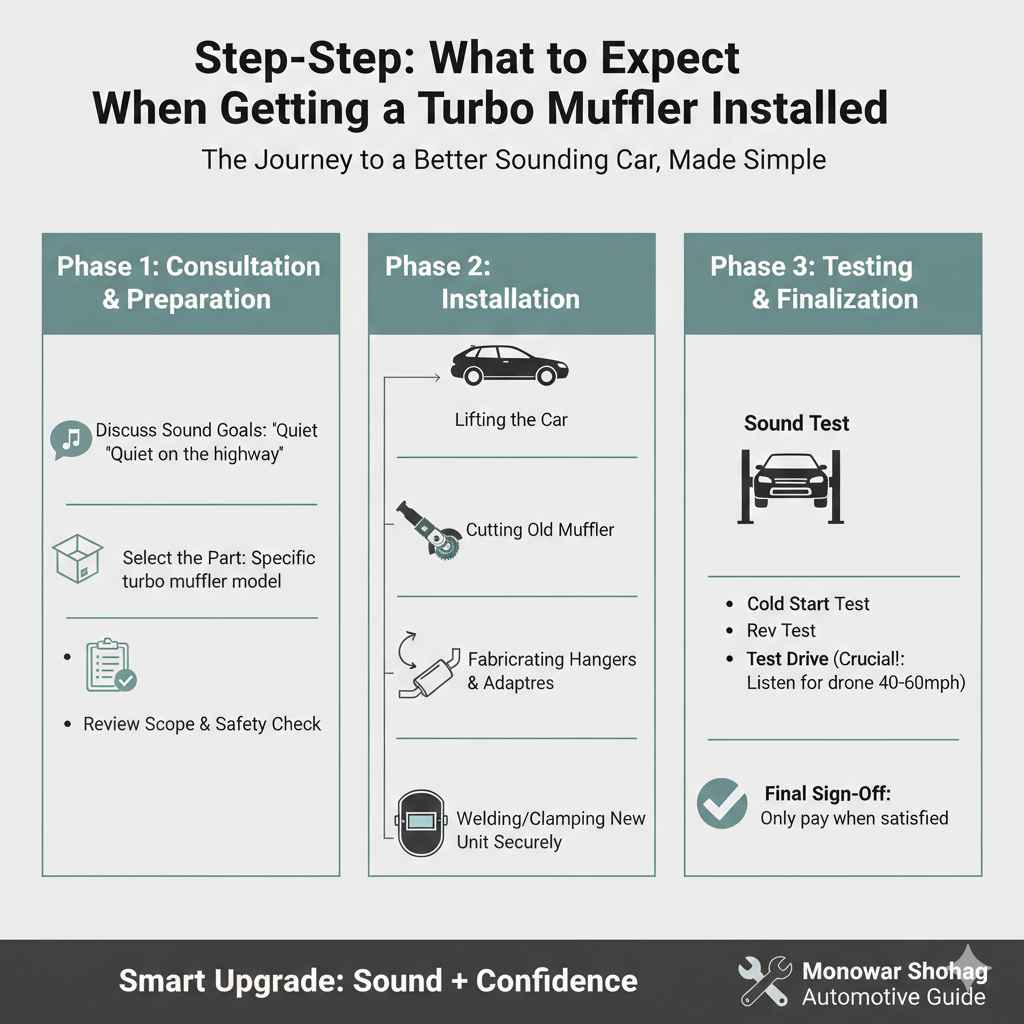
Step-by-Step: What to Expect When Getting a Turbo Muffler Installed
If you decide a turbo muffler is the right balance of sound and cost for you, here is what the process usually looks like at a professional shop:
Phase 1: Consultation and Preparation
- Discuss Sound Goals: Clearly communicate that you want “a little louder than stock, but quiet on the highway.” Reference the comparison chart above if needed.
- Select the Part: The installer will show you the specific brand/model of turbo muffler they recommend for your vehicle make and model.
- Review Scope: Confirm if they are only replacing the muffler or if they are also cutting out the resonator or changing pipe size.
- Safety Check: Ensure the shop confirms they will check for leaks once done.
Phase 2: Installation
The process typically involves:
- Lifting the car safely on a lift.
- Cutting out the old, restrictive stock muffler.
- Fabricating hangers or using the correct adapter pipes to fit the new turbo muffler into the space.
- Welding or clamping the new unit securely into place.
- Checking the fitment and clearances for suspension movement.
Phase 3: Testing and Finalization
This is crucial for noise satisfaction!
- Cold Start Test: The installer starts the car from cold. Listen carefully right at the tailpipe.
- Rev Test: The installer will rev the engine in neutral a few times to listen for excessive rasp or high-pitched noise.
- Test Drive (Crucial Step): You must insist on a short test drive with the mechanic, specifically listening for the drone level while cruising at 40–60 mph.
- Final Sign-Off: Only pay and accept the work once you are satisfied with the sound level inside and outside the car while driving normally.
Frequently Asked Questions (FAQ) about Turbo Muffler Noise
Q1: Will a turbo muffler void my car’s factory warranty?
A: Generally, replacing a muffler itself will not void the entire powertrain warranty, but it may void any warranty coverage specifically related to the exhaust system components that were replaced or modified. Always check your specific warranty documentation.
Q2: How long does it take a shop to install just one turbo muffler?
A: For a standard weld-in installation on a vehicle where the muffler is easily accessible, it usually takes a professional shop between 1 to 2 hours.
Q3: Do turbo mufflers work better on specific engine types (e.g., 4-cylinder vs. V8)?
A: Turbo mufflers are versatile, but they tend to provide the most noticeable positive sound change on four-cylinder and V6 engines, which often sound quieter or more tinny with stock mufflers. They provide a nice, deep tone to V8s without becoming overwhelming.
Q4: Can I make my turbo muffler quieter if it ends up being too loud?
A: Yes. The easiest fix is to have the shop install a resonator upstream of the turbo muffler. A resonator specializes in canceling out the drone frequencies that cause cabin noise on the highway.
Q5: Are these mufflers significantly lighter than the stock muffler?
A: Often, yes. Stock mufflers are built with heavy-gauge steel and large internal baffling for durability and sound deadening. Turbo mufflers are usually made of lighter materials, offering a small weight reduction, which is a nice bonus.
Q6: What is the difference between a turbo muffler and a chambered muffler?
A: A turbo muffler uses a tuned, baffled or perforated design to manage sound waves subtly, aiming for a deeper tone with less overall noise. A chambered muffler uses abrupt, hard walls inside to directly bounce sound waves against each other, which results in a louder, more aggressive sound signature.
Conclusion: Finding Your Perfect Balance
Deciding whether an installer turbo muffler is the right choice for you comes down to your personal preference for volume. If you are seeking a modest, affordable upgrade that adds a satisfying, deeper rumble to your daily commute without turning your car into a racetrack machine, the turbo muffler is an excellent candidate.
Remember, these mufflers sit comfortably in the middle ground: more exciting than stock, but far less aggressive than full performance systems. By paying attention to the rest of your exhaust setup—especially keeping your resonator installed—you can ensure the final sound is pleasing, deep, and perfectly suited for your driving style. Go ahead and talk to your trusted installer with confidence, knowing exactly what sound level to expect from this popular upgrade!