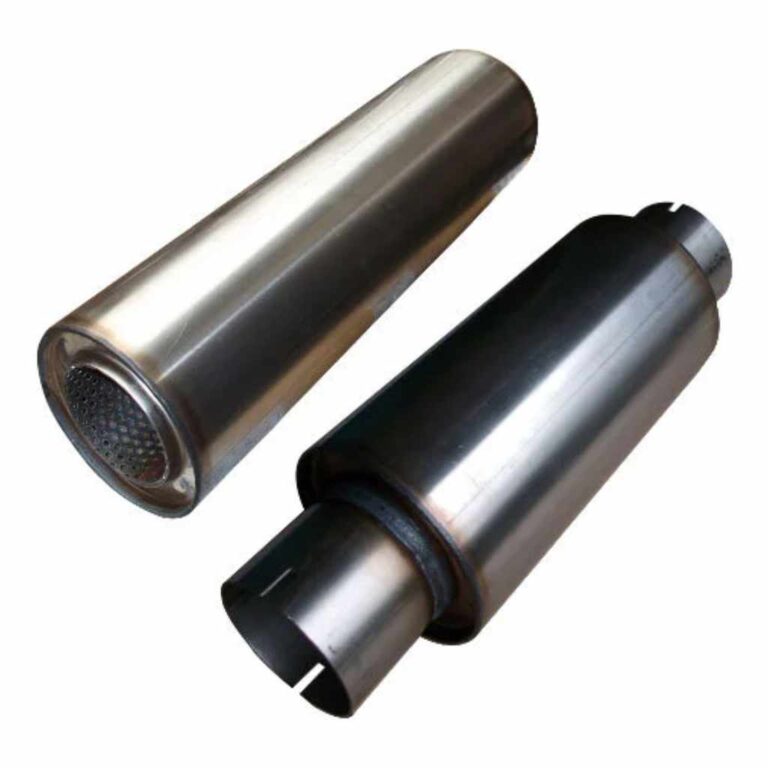
Ansa Mufflers: A Practical Choice for Everyday Drivers
Yes, Ansa mufflers are generally considered good quality for everyday drivers seeking a reliable replacement with a pleasant sound and decent durability. They offer a balance of performance and affordability without being overly aggressive, making them a solid choice for many car owners.
Your car’s exhaust system is vital, but it can be a puzzle. When it starts making strange noises or if you’re considering an upgrade, the muffler is often the first part you look at. If you’ve heard of Ansa mufflers, you might be wondering if they’re a good choice. It’s normal to feel a bit lost when picking parts for your car. This guide will break down what makes Ansa mufflers stand out, helping you decide if they’re the right fit for your vehicle and your needs. We’ll explore their quality, performance, and what makes them a popular option.
What’s inside a muffler? How does it quiet your engine? The muffler’s main job is to reduce the loud noise your engine makes. It does this by using a series of chambers and baffles. These pieces redirect the sound waves, causing them to collide with each other. This collision cancels out much of the noise, making your car quieter. Think of it like waves in water bumping into each other and calming down. Without a functioning muffler, your car would sound like a race car, which can be fun for a moment but is often illegal and annoying for longer drives.
Ansa Mufflers have been around for a while, and their reputation is built on providing a good middle ground. They aren’t usually the cheapest option, nor are they the most expensive performance brands. Instead, they aim to offer a high-quality, durable product that sounds better than most stock mufflers without breaking the bank. This makes them attractive to drivers who want an improvement but don’t need or want a full-on sports exhaust system. They focus on delivering a sound that is satisfyingly deep but still civil for daily driving.
Understanding Muffler Quality: What to Look For
When we talk about muffler quality, a few key things come to mind. It’s not just about how loud or quiet it is. Quality also means how long it will last and how well it fits your car. Let’s break down what makes a muffler “good.”
Durability and Materials
The materials used in a muffler heavily influence its lifespan. Most stock mufflers are made of steel, which can rust over time, especially in areas with harsh winters or high humidity. Higher-quality aftermarket mufflers often use stainless steel or aluminized steel. Stainless steel is the most durable and corrosion-resistant, meaning it will last much longer, even in tough conditions. Aluminized steel offers better rust protection than plain steel but might not last as long as full stainless steel. Ansa often uses aluminized steel for its mufflers, which offers a good balance of durability and cost.
The construction itself also matters. Look for mufflers with:
- Welded seams: These are stronger and less likely to leak than crimped or bolted seams.
- Internal baffles: Well-constructed baffles are key to effective sound dampening and longevity.
- Coating: Some mufflers have protective coatings to further resist rust and heat.
Sound Quality: From Mild to Wild
The sound your exhaust makes can change dramatically with a new muffler. Some drivers want a quiet, almost stock sound. Others prefer a deeper, sportier growl. Ansa mufflers are known for providing a sound that is often described as a deeper, more satisfying tone than the factory muffler, but without being excessively loud or raspy. They aim for a sound that enhances the driving experience without being intrusive.
Here’s a general idea of muffler sound profiles:
- Stock Muffler: Designed for quiet operation, minimal tone.
- Ansa Muffler: Deeper tone, slightly sportier sound, still relatively quiet for daily driving.
- Performance Mufflers: Noticeably louder, sportier, more aggressive sound, can be droney on highways.
- Straight-Pipe/Muffler Delete: Very loud, raw engine sound, often illegal and impractical for street use.
Performance and Exhaust Flow
While mufflers are primarily about noise reduction, their design can also affect how efficiently exhaust gases leave your engine. A more restrictive muffler can slightly hinder performance by creating backpressure. Conversely, a less restrictive muffler can improve exhaust flow, potentially leading to modest gains in horsepower and fuel efficiency. Ansa mufflers, while not typically designed for extreme performance gains, are engineered to offer a good balance. They are often less restrictive than a clogged factory muffler, which can restore some lost performance. For significant performance upgrades, enthusiasts often look towards specially designed performance exhausts, but for the average driver, Ansa offers a noticeable improvement in flow over a worn-out stock unit.
To learn more about exhaust backpressure and its effects, the U.S. Department of Energy has some great resources on vehicle efficiency that touch upon exhaust systems: How Vehicle Engines Work – U.S. Department of Energy. While not exhaust-specific, understanding engine basics helps.

Ansa Mufflers: A Closer Look
So, what specifically makes Ansa mufflers a popular choice? Let’s dive into their reputation and what sets them apart in the aftermarket world.
Brand Reputation and History
Ansa has built a long-standing reputation for producing quality exhaust components, particularly mufflers, for a wide range of vehicles. They are often found as a go-to option for replacement parts that offer an upgrade over the original equipment manufacturer (OEM) parts. Their focus has traditionally been on providing a good balance of sound, durability, and price, making them a trusted name for everyday car owners and mechanics alike.
Typical Ansa Muffler Characteristics
When you purchase an Ansa muffler, you can generally expect:
- Material: Often made from aluminized steel for good corrosion resistance.
- Sound: A deep, pleasant tone that is richer than stock but not excessively loud.
- Fitment: Designed to fit specific vehicle makes and models, simplifying installation.
- Durability: A lifespan that is generally better than basic steel mufflers but might not match premium stainless steel options.
- Price Point: Positioned in the mid-range, offering good value for money.
Ansa vs. OEM and Other Aftermarket Brands
Let’s compare Ansa to other options you might encounter:
| Feature | OEM Muffler | Ansa Muffler | Budget Aftermarket | Premium Performance Muffler |
|---|---|---|---|---|
| Material | Steel (often coated) | Aluminized Steel | Basic Steel | Stainless Steel |
| Sound | Quiet, standard | Deeper, pleasant tone | Varies, often quiet or raspy | Sporty, aggressive, often louder |
| Durability | Good (depends on environment) | Good to Very Good | Fair to Poor | Excellent |
| Performance | Standard | Slightly better flow than worn OEM | Standard to slightly restricted | Optimized for flow, potential gains |
| Price | Mid-range | Mid-range | Low | High |
As you can see, Ansa fits comfortably in the middle. They offer an upgrade in sound and often durability over basic models without the high cost of premium performance systems.
Are Ansa Mufflers Good for Your Car? Weighing the Pros and Cons
Like any automotive part, Ansa mufflers have their advantages and disadvantages. Understanding these will help you make the best decision for your specific situation.
Pros of Ansa Mufflers
- Improved Sound: They offer a more pleasing, deeper exhaust note compared to most stock mufflers, enhancing the driving experience.
- Good Value: You get a quality product that provides better sound and durability than cheap alternatives, without the premium price tag of high-end performance brands.
- Reliable Durability: Made with materials like aluminized steel, they are designed to resist rust and last for a good number of years, especially in moderate climates.
- Easier Installation: Often designed as direct-fit replacements, they can simplify the installation process for DIYers or professional mechanics.
- Reputable Brand: Ansa has a long history and a good reputation in the aftermarket exhaust industry, giving buyers confidence in their quality.
Cons of Ansa Mufflers
- Not for Extreme Performance: If your goal is maximum horsepower gains and an aggressive track-ready sound, Ansa might not be aggressive enough. They are more about enhanced daily driving sound and flow.
- Durability in Harsh Climates: While good, aluminized steel may eventually succumb to severe rust in areas with heavy road salt use or extreme coastal environments compared to full stainless steel.
- Sound Can Be Subjective: While many find the sound pleasant, it may still be too loud for some drivers who prefer absolute quiet, or not loud enough for those seeking a very sporty exhaust.
Installation: A Beginner-Friendly Guide
Replacing a muffler can seem daunting, but with the right approach, it’s a manageable task for a beginner.
Tools You Might Need:
- Safety glasses and gloves
- Jack and jack stands (never work under a car supported only by a jack!)
- Wrench set and socket set
- Penetrating oil (like WD-40) for rusty bolts
- Wire brush for cleaning
- Replacement muffler hangers (if old ones are damaged)
- New exhaust sealant or gasket (check muffler instructions)
- A friend to help, if possible!
Step-by-Step Muffler Replacement:
- Safety First: Park your car on a level surface. Engage the parking brake firmly. Use your jack to lift the rear of the car and secure it with jack stands at the designated points. Ensure the car is stable before getting underneath.
- Locate the Muffler: Trace your exhaust system from the engine back. The muffler is typically the largest, silencer-like component before the tailpipe.
- Apply Penetrating Oil: Spray penetrating oil on all bolts and hangers connecting the muffler to the rest of the exhaust system. Let it soak for at least 15-20 minutes, or longer if the parts are very rusty. This helps loosen stubborn fasteners.
- Remove Old Muffler: Carefully observe how the current muffler is attached. It’s usually held by U-bolts or bolts at connection points and suspended by rubber hangers.
- Use your wrenches to loosen and remove the bolts or U-bolts connecting the muffler to the exhaust pipe (the section coming from the engine) and the tailpipe (if it’s a separate piece).
- Gently pry the muffler down from its rubber hangers. You might need to twist or wiggle it. If the hangers are old and brittle, they might break.
- Once disconnected, carefully slide the old muffler out. It can be heavy, so be prepared.
- Prepare for the New Muffler: Clean the connecting pipes with a wire brush to remove rust and debris. Ensure the surfaces are smooth for a good seal.
- Install the New Ansa Muffler:
- If your new Ansa muffler came with an application-specific gasket, install it now. If not, or if the instructions suggest it, you might use exhaust sealant.
- Slide the new muffler into place, aligning it with the exhaust pipe and tailpipe.
- Attach new exhaust hangers if needed.
- Reconnect the muffler to the exhaust pipe using the new bolts or U-bolts (or your old ones if they are in good condition). Tighten them snugly but avoid overtightening, which can strip threads or crack pipes.
- Final Tightening and Seal Check: Once everything is in place, go back and tighten all fasteners securely. Apply exhaust sealant around the connections if recommended by Ansa.
- Lower the Vehicle: Carefully remove the jack stands and lower the car.
- Start the Engine: Start your car and listen for any leaks. You can often feel escaping exhaust gas with your hand (carefully, as it will be hot!). Check the connections for soundness.
Remember, if at any point you feel uncomfortable or unsure, it’s always best to seek help from a qualified mechanic. Safety is paramount. You can often find installation guides or videos specific to your car model by searching online, which can be incredibly helpful.
Tips for Ensuring a Good Fit and Seal
A proper seal is critical. A leaky exhaust system can be noisy, inefficient, and can even allow dangerous exhaust fumes into the cabin. When installing your Ansa muffler:
- Use the Right Clamps and Hardware: Always use new, high-quality U-bolts, clamps, and gaskets/sealant designed for exhaust systems. Ansa usually specifies what’s needed or provides it.
- Cleanliness is Key: Ensure the mating surfaces of the pipes are free of rust, dirt, and old gasket material. A clean surface allows the sealant or gasket to create a perfect seal.
- Don’t Overtighten: Overtightening clamps or bolts can deform the pipes or muffler, preventing a good seal. Snug them up, then give them a slight extra turn.
- Test for Leaks: After installation, start the engine and check all connections for signs of exhaust leaks. A small amount of soapy water sprayed on the joints can help reveal small leaks as they will bubble.

Ansa Muffler FAQ: Your Questions Answered
Here are some common questions beginners have about Ansa mufflers.
Q1: Are Ansa mufflers generally loud?
No, Ansa mufflers are typically not excessively loud. They are designed to offer a deeper, more pleasing tone than a stock muffler but are generally considered civilized and suitable for daily driving without being intrusive or drawing unwanted attention.
Q2: What material are Ansa mufflers usually made from?
Ansa mufflers are commonly constructed from aluminized steel. This material provides good resistance to corrosion and rust compared to standard steel, offering a good balance of durability and affordability.
Q3: How long do Ansa mufflers typically last?
The lifespan of an Ansa muffler can vary depending on driving conditions, climate, and maintenance, but they are generally expected to last anywhere from 3 to 7 years, and sometimes longer. This is often longer than basic OEM mufflers, especially if the OEM unit was made of standard steel.
Q4: Can an Ansa muffler improve my car’s fuel economy?
While an Ansa muffler is designed to have good exhaust flow and might be less restrictive than a worn-out or clogged stock muffler, significant improvements in fuel economy are unlikely. Any gains would be modest and primarily due to restoring lost efficiency from a failing original muffler.
Q5: Will an Ansa muffler fit my specific car model?
Ansa offers a wide range of mufflers designed for specific makes and models. It’s crucial to check the product’s compatibility for your vehicle’s year, make, and model to ensure a direct-fit installation.
Q6: Is a louder exhaust necessarily better for performance?
Not necessarily. While performance exhaust systems are often louder, the loudness itself doesn’t create performance. Performance comes from optimized design for better exhaust flow and reduced backpressure. Some very loud systems can even hinder performance if not designed correctly. Ansa focuses on a balance, not just loudness.
Q7: Where can I buy Ansa mufflers?
Ansa mufflers are widely available through online auto parts retailers, as well as through many local auto parts stores and independent mechanic shops. Always ensure you are purchasing from a reputable seller.
Conclusion: Ansa Mufflers – A Reliable Choice for Drivers
So, are Ansa mufflers good? Based on their reputation, materials, and the sound they produce, the answer is a resounding yes, especially for the everyday car owner looking for a quality replacement or a subtle upgrade. They strike an excellent balance between affordability, durability, and an improved driving sound that’s more engaging than stock without being obnoxious.
If you’re tired of a rusty or rattling stock muffler, or simply want your car to sound a little more refined and sporty, Ansa offers a proven solution. Their use of aluminized steel provides good resilience against corrosion, and their designs are typically engineered for a straightforward installation. While they might not satisfy the extreme demands of a racing enthusiast, for drivers seeking proven quality, a pleasant exhaust note, and a product that will last, Ansa mufflers are a wise and reliable choice.