

How to Increase Exhaust Scavenging: Boost Engine Efficiency
Are you looking to unlock more power from your engine? Discover the secret behind boosting your vehicle’s performance with an often-overlooked technique: exhaust scavenging.
Imagine your engine breathing effortlessly, maximizing every ounce of power it can muster. This isn’t just about adding speed—it’s about transforming your driving experience. We’ll delve into the mechanics of exhaust scavenging, offering you clear and actionable insights to enhance your engine’s efficiency.
By the end, you’ll be equipped with the knowledge to make your car not just run, but roar. Let’s dive into how you can elevate your ride to the next level. Keep reading to learn how you can harness this powerful technique and feel the difference on the road.
Exhaust Scavenging Basics
Understanding exhaust scavenging basics is crucial for any engine enthusiast. This process helps engines run efficiently and smoothly. It involves removing exhaust gases from the cylinder. This allows fresh air-fuel mixtures to enter. Efficient scavenging improves performance and reduces emissions. Let’s explore why this process is essential.
Definition And Importance
Exhaust scavenging refers to the expulsion of exhaust gases from the engine cylinder. This action is vital for engine health. It clears out residual gases after combustion. This clearing makes room for fresh air-fuel mixtures. Without proper scavenging, engines face power loss and inefficiency. This process is key in maintaining engine performance.
Role In Engine Performance
Exhaust scavenging directly impacts engine output. Efficient scavenging leads to better air intake. Better air intake means optimal combustion. Proper combustion increases horsepower and torque. Poor scavenging results in leftover gases. These gases reduce the engine’s ability to breathe. This reduction affects overall performance and fuel economy.
Factors Affecting Scavenging
Exhaust scavenging is crucial for engine performance. Several factors influence this process. Understanding these factors can help optimize your engine’s efficiency. Let’s explore key elements affecting scavenging.
Engine Design
Engine design plays a vital role in scavenging efficiency. The shape and size of combustion chambers affect airflow. A well-designed chamber allows better air-fuel mixing. This design minimizes unburned gases. Cylinder head design also impacts scavenging. A streamlined head improves airflow through the engine. This helps in removing exhaust gases efficiently.
Exhaust System Configuration
The exhaust system configuration is another critical factor. The layout of pipes affects exhaust flow. Shorter pipes usually enhance scavenging at high RPMs. Longer pipes improve it at lower RPMs. The diameter of the pipes also matters. Larger diameters reduce back pressure, aiding in better scavenging. Headers and collectors should be designed to optimize flow. Proper tuning of these components enhances performance.
Valve Timing
Valve timing is essential for effective scavenging. The timing determines when valves open and close. Precise timing ensures optimal airflow. It improves the removal of exhaust gases. Adjusting valve overlap can also help. Overlap refers to the period when intake and exhaust valves are both open. Proper overlap enhances the scavenging process. Variable valve timing systems offer flexibility. They adjust timing based on engine speed and load.
Optimizing Exhaust System
Optimizing your exhaust system is crucial for improving exhaust scavenging, which can significantly enhance your vehicle’s performance. By carefully selecting and designing the components of your exhaust system, you can improve the flow of exhaust gases and boost engine efficiency. But how do you achieve this optimization? Let’s dive into some key areas you should focus on.
Choosing The Right Headers
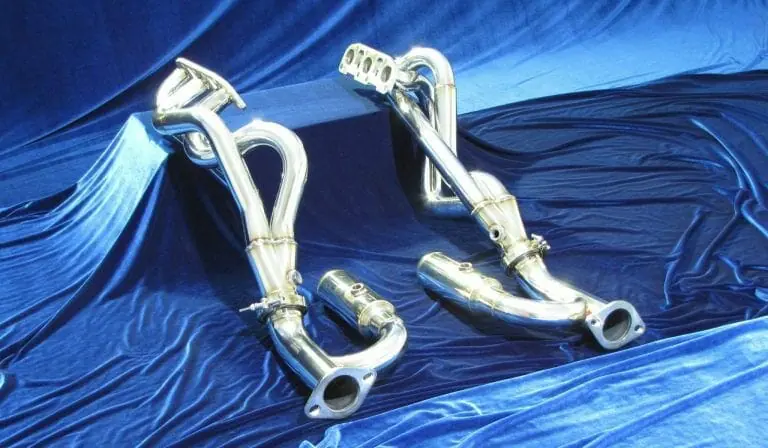
Headers play a pivotal role in exhaust scavenging. They determine how efficiently exhaust gases exit the engine. Selecting the right headers can make a noticeable difference. Have you considered the material? Stainless steel and ceramic-coated headers are known for their durability and heat resistance, which can improve gas flow. Think about the header design too. Long tube headers often provide better scavenging than shorty headers by allowing gases to exit more smoothly.
Diameter And Length Considerations
The diameter and length of your exhaust pipes are critical factors. A larger diameter allows gases to flow more freely, but it might reduce backpressure, which can affect engine torque. What’s the ideal size? It depends on your engine’s specifications and the type of driving you do. Racing engines might need a larger diameter, while daily drivers could benefit from a balance between size and backpressure. Length matters too; longer pipes can improve scavenging by creating a pulse effect that helps draw gases out.
Muffler And Tailpipe Design
The design of your muffler and tailpipe is more than just about noise reduction. It impacts how well your exhaust system performs. Have you ever thought about the muffler’s internal design? Straight-through mufflers can enhance flow better than chambered ones, but consider the noise level you can tolerate. Tailpipe design is also crucial. A smooth, gradual bend in the tailpipe can reduce turbulence, allowing gases to exit more efficiently. Are you optimizing these components for performance or sound?
These are just some of the ways you can improve exhaust scavenging by optimizing your exhaust system. By focusing on headers, pipe dimensions, and muffler designs, you can significantly enhance your engine’s performance. Remember, it’s all about finding the right balance for your specific needs. What changes will you make to your exhaust system for better scavenging?
Advanced Techniques
Exhaust scavenging is crucial for engine performance and efficiency. Advanced techniques enhance this process significantly. These methods focus on optimizing the engine’s ability to clear exhaust gases. This ensures better airflow and increased power.
Pulse Tuning
Pulse tuning harnesses the exhaust pulse energy. It optimizes the timing of exhaust valve openings. This synchronization boosts the removal of exhaust gases. It improves engine performance. The technique relies on sound waves created by exhaust pulses. These waves aid in expelling gases efficiently. Proper pulse tuning enhances engine responsiveness.
Variable Valve Timing
Variable valve timing adjusts valve operation based on engine speed. This method optimizes air and fuel intake. It improves the exhaust flow during varying conditions. Engines equipped with this technology see better fuel efficiency. They also show enhanced power output. It provides flexible control over engine breathing.
Forced Induction Systems
Forced induction systems use turbochargers or superchargers. They increase air intake pressure. More air means more oxygen for combustion. This results in increased exhaust scavenging. Turbochargers are driven by exhaust gases. Superchargers are belt-driven. Both systems enhance engine power. They improve exhaust clearing efficiency.
Materials And Technologies
Boosting exhaust scavenging involves using advanced materials and technologies. Lightweight alloys and ceramic coatings help enhance airflow efficiency. Innovative designs in exhaust systems can significantly improve engine performance.
Improving exhaust scavenging can significantly enhance your engine’s performance. The materials and technologies you choose play a crucial role in this process. By selecting the right components, you can maximize efficiency and power output. Let’s delve into the specifics of high-performance materials, innovative coatings, and heat management solutions.
High-performance Materials
Choosing the right materials is key to efficient exhaust scavenging. Advanced alloys and composites often provide the best results. They offer greater durability and resistance to high temperatures. Materials like titanium and stainless steel are popular choices. They are lightweight and reduce exhaust backpressure. This leads to better engine breathing and increased horsepower. Have you ever tried using ceramic composites? They are excellent for high-heat environments and can significantly improve scavenging efficiency. Their heat resistance allows for optimal performance even under extreme conditions.
Innovative Coatings
Coatings can drastically change how your exhaust system performs. Ceramic coatings are particularly effective at enhancing heat resistance. They protect the exhaust parts from thermal damage and improve longevity. Additionally, these coatings can reduce surface friction. This aids in smoother exhaust gas flow. As a result, your engine can maintain a consistent and efficient operation. Are you looking for a cost-effective solution? Thermal spray coatings might be the answer. They provide excellent protection and can be applied without breaking the bank.
Heat Management Solutions
Managing heat is vital for effective exhaust scavenging. Heat wraps and shields are simple yet effective solutions. They help in maintaining optimal engine temperatures. By keeping the heat within the exhaust pipes, these solutions prevent engine overheating. This ensures that your engine operates at peak performance. Have you considered using exhaust heat shields? They divert heat away from critical components. This not only protects your engine but also improves scavenging efficiency. The right combination of materials and technologies can transform your engine’s performance. By understanding and applying these insights, you can take your exhaust scavenging to the next level. What changes will you make to improve your vehicle’s efficiency?

Credit: www.youtube.com
Real-world Applications
Exhaust scavenging is crucial for engine performance. It impacts power, efficiency, and emissions. Improving scavenging helps engines work better. Real-world applications show how these improvements make a difference. Let’s explore some practical examples.
Case Studies And Examples
Consider a popular motorcycle brand. They modified their exhaust system. The goal was to enhance scavenging. The result? A 5% increase in power output. Fuel efficiency improved too. These changes attracted more buyers.
Another example involves a car company. They redesigned their exhaust manifolds. This improved flow dynamics. The engine ran cooler and more efficiently. Emissions reduced significantly. Their success led to better market performance.
Success Stories
A racing team wanted faster lap times. They focused on exhaust scavenging. By optimizing their exhaust design, they gained a competitive edge. The team won several championships. Their story is famous among racing enthusiasts.
An automotive startup faced challenges with emissions. They innovated a new exhaust system. This system improved scavenging techniques. Emissions fell within regulatory limits. Their success story inspired other startups to follow suit.
Maintenance And Monitoring
Ensuring efficient exhaust scavenging in your engine isn’t just about design; it also relies heavily on consistent maintenance and monitoring. These two factors play a significant role in keeping your engine running smoothly. By dedicating time to proper upkeep, you can enhance performance and avoid costly repairs. Let’s explore how regular checks, understanding performance metrics, and troubleshooting common issues can help.
Regular Checks
Have you ever noticed how a neglected garden can turn into a jungle of weeds? Your engine is no different. Regular checks are like pruning and watering your engine’s system to ensure everything remains optimal. Make a habit of inspecting your exhaust system for leaks, rust, and any unusual sounds. This proactive approach can save you from unexpected breakdowns.
Consider creating a simple checklist. Include tasks like checking the exhaust manifold for cracks and ensuring the O2 sensors are functioning properly. Regular oil changes and air filter replacements are also vital. These small steps can help maintain the balance between performance and efficiency.
Performance Metrics
Do you track your engine’s performance metrics? If not, you’re missing out on key insights. Monitoring metrics like exhaust gas temperatures, pressure levels, and fuel efficiency can tell you a lot about the health of your engine. These numbers are like the report cards of your vehicle’s performance.
Use diagnostic tools to gather data. For example, an OBD-II scanner can provide real-time information about your engine’s operations. Keeping a log of these readings helps you notice trends and spot potential problems before they worsen. This data-driven approach ensures you’re always one step ahead.
Troubleshooting Common Issues
Even with the best maintenance, issues can arise. Recognizing common problems is the first step to resolving them. Is your engine backfiring or losing power? These could be signs of poor exhaust scavenging.
Start by examining the exhaust system for any blockages or leaks. Sometimes, a simple adjustment in the timing or replacing a faulty sensor can make a big difference. Don’t hesitate to consult a professional if needed. Remember, addressing issues early can prevent more serious damage down the line.
How often do you check your engine’s health? Could you improve your maintenance routine? These are questions worth pondering, as they can lead to better performance and longevity for your engine. Maintaining a diligent approach to monitoring and troubleshooting can transform your driving experience from stressful to seamless.
Credit: motordyneengineering.com
Future Trends
Boosting exhaust scavenging efficiency can transform engine performance. Innovations like variable valve timing and tuned exhaust systems enhance airflow. These advancements ensure optimal combustion, leading to increased power and reduced emissions.
The future of exhaust scavenging is brimming with exciting possibilities. As automotive technology evolves, so do the methods of improving exhaust flow. Innovations in this area aim to boost engine performance and reduce emissions, paving the way for a cleaner and more efficient future.
Emerging Technologies
New technologies are setting the stage for major advancements in exhaust scavenging. One promising development is the use of variable valve timing. This allows engines to adjust the timing of exhaust valves for optimal flow. 3D printing is also making waves by enabling the creation of more intricate exhaust systems. These designs can enhance airflow and reduce back pressure. Imagine a world where you can customize your exhaust system to perfectly suit your driving needs. The use of advanced materials like ceramics and carbon composites is on the rise. These materials can withstand higher temperatures and reduce weight. This can improve performance and fuel efficiency.
Impact Of Electric And Hybrid Engines
The rise of electric and hybrid engines is reshaping the landscape of exhaust systems. While electric vehicles have no exhaust, hybrids still rely on combustion engines. Efficient scavenging in hybrids can maximize their performance and fuel economy. Hybrid engines often use smaller combustion engines alongside electric motors. This requires innovative exhaust systems to ensure both efficiency and minimal emissions. Engineers are exploring ways to optimize these systems for better scavenging. What if your next car could seamlessly balance power and environmental responsibility? Hybrid technology is moving us closer to that reality. As you consider your next vehicle, think about how these advancements might impact your driving experience. The future of exhaust scavenging is not just about technology—it’s about reimagining how we interact with our vehicles. How might these trends change the way you drive and maintain your car?

Credit: motordyneengineering.com
Frequently Asked Questions
What Is Exhaust Scavenging In Engines?
Exhaust scavenging is the process of removing exhaust gases from the engine’s cylinders. It improves engine efficiency and power. Efficient scavenging reduces backpressure and allows fresh air-fuel mixture to enter the cylinder faster. This helps in better combustion, resulting in increased horsepower and torque.
How Does Exhaust Scavenging Improve Performance?
Exhaust scavenging enhances engine performance by reducing backpressure and improving airflow. Efficient scavenging allows more fresh air-fuel mixture into the cylinders. This results in better combustion, increased horsepower, and torque. It also optimizes fuel efficiency, making the engine run smoother and more powerfully.
What Techniques Enhance Exhaust Scavenging?
Techniques like tuned headers, high-flow exhaust systems, and camshaft adjustments enhance scavenging. Tuned headers match exhaust pulses, reducing backpressure. High-flow exhaust systems improve airflow, while camshaft adjustments optimize valve timing. These methods collectively boost engine efficiency and performance.
Can Exhaust Scavenging Impact Fuel Efficiency?
Yes, effective exhaust scavenging can improve fuel efficiency. By reducing backpressure and enhancing airflow, scavenging optimizes combustion. This leads to better fuel utilization, resulting in improved mileage. Efficient engines use less fuel, making them more economical and environmentally friendly.
Conclusion
Boosting exhaust scavenging enhances engine performance and efficiency. Simple steps can make a difference. Use headers to guide airflow. Optimize exhaust length and diameter. Proper tuning helps, too. Regular maintenance ensures peak performance. Keep an eye on gaskets and seals.
Monitor for leaks. Experiment with designs for better results. Small tweaks matter. Every detail counts in scavenging efficiency. Consistent improvements lead to better power output. Enjoy smoother rides and improved fuel economy. Implement these tips for noticeable benefits. Stay attentive, and your engine will thank you.


