How to Adjust Header Block: Genius Settings
This guide shows you exactly how to adjust the header block settings in the Travia theme, making your website’s top section look just right. We’ll cover everything from changing colors and fonts to adjusting spacing and adding logos, ensuring a professional and appealing header for your visitors.
Hey there, fellow car enthusiasts! Monowar Shohag here. Ever feel like your car’s exhaust system is a bit of a mystery? Maybe you’ve noticed a strange rattle, or perhaps you’re just curious about making it sound a little tougher. That’s totally normal! Your exhaust is a key part of your ride, affecting how it runs and sounds. But understanding it doesn’t have to be complicated. In this guide, we’ll break down how to tackle exhaust system tasks safely and easily. Let’s get your car sounding and performing its best!
Understanding Your Car’s Exhaust System: The Basics
Your car’s exhaust system might seem like just a pipe, but it’s actually pretty clever. Its main job is to safely channel harmful gases away from the engine and out of your car. Think of it as your car’s respiratory system. It also plays a big role in controlling noise and even helps your engine run more efficiently by managing backpressure. Understanding these basics is the first step to knowing what to look out for when you’re dealing with maintenance or potential upgrades.
Why Your Exhaust System Matters
A healthy exhaust system benefits your car in a few key ways:
- Performance: Proper exhaust flow means your engine can breathe better, leading to smoother acceleration and better overall power.
- Fuel Efficiency: An efficient exhaust system can contribute to getting more miles per gallon.
- Emissions: It filters out harmful pollutants, making your car kinder to the environment. You can learn more about vehicle emissions standards from the Environmental Protection Agency (EPA).
- Noise Reduction: The muffler is designed to quiet things down, making your drive more comfortable.
- Safety: It prevents dangerous exhaust fumes from entering your car’s cabin.
Common Exhaust System Issues for Beginners
As a beginner tackling exhaust system care, you might encounter a few common problems. Don’t let them scare you – they’re usually straightforward to understand and often fixable with the right guidance.
What to Listen and Look For:
- Rattling Sounds: A common sign that something might be loose, like a heat shield or a hanging bracket.
- Hissing or Puttering: This often points to a leak in the exhaust system, possibly from a crack or a loose connection.
- Loud Noise: If your car suddenly sounds much louder than usual, it’s a strong indicator of a hole or a break, often in the muffler or pipes.
- Reduced Power: If your car feels sluggish or slower to accelerate, it could be a sign of a restricted exhaust flow.
- Smell of Exhaust Fumes: This is a serious safety issue. If you ever smell exhaust inside your car, pull over safely and get it checked immediately.
Essential Tools for Basic Exhaust Maintenance
Before you start any work, having the right tools makes the job much easier and safer. For most beginner-friendly tasks, you won’t need a massive toolkit. Here’s a list of essentials:
| Tool Name | Purpose | Why it’s Important |
|---|---|---|
| Jack and Jack Stands | To safely lift and support your vehicle. | Crucial for safety. Never work under a car supported only by a jack. |
| Socket Wrench Set | To loosen and tighten bolts and nuts. | Versatile for many exhaust components. |
| Penetrating Oil (e.g., WD-40) | To loosen stubborn or rusted bolts. | Exhaust parts can get very hot and corroded. |
| Safety Glasses | To protect your eyes from debris. | Always protect your vision when working on cars. |
| Work Gloves | To protect your hands and improve grip. | Exhaust components can be sharp or oily. |
| Wire Brush | To clean rust and debris from surfaces. | Ensures a good seal when replacing parts or tightening connections. |
| Safety Tarp or Cardboard | To lie on under the car. | Keeps you cleaner and more comfortable. |
Safety First: Always Prioritize!
Working on your car’s exhaust system involves hot components and potentially hazardous fumes. Always follow safety guidelines:
- Ensure the car is completely cool before touching any exhaust parts.
- Park on a flat, level surface.
- Use wheel chocks to prevent the car from rolling.
- Whenever you’re under the car, use jack stands – don’t rely solely on the jack.
- Wear safety glasses and gloves.
- Work in a well-ventilated area or outdoors to avoid inhaling fumes.
Simple Exhaust Maintenance Tasks for Beginners
Let’s dive into some hands-on tasks you can confidently tackle. These are great starting points for understanding your exhaust system better.
1. Inspecting for Leaks and Damage
This is the easiest and most important check you can do regularly. It requires minimal tools and can prevent bigger problems.
- Park Safely: Make sure your car is on a level surface and the engine is completely cool.
- Lift the Vehicle: Safely use your jack and jack stands to lift the rear of the car, giving you enough clearance to get underneath.
- Visual Inspection: Get under the car with a flashlight and your safety glasses. Start from the engine manifold and follow the exhaust pipe all the way to the tailpipe.
- Look for:
- Rust: Check for significant rust, especially on pipes and the muffler. Small surface rust spots are often okay, but deep, flaky rust is a concern.
- Holes or Cracks: Look for any visible openings in the pipes, muffler, or catalytic converter.
- Loose or Broken Hangers/Brackets: These connect the exhaust system to your car’s frame. If they’re loose or broken, the system can sag or rattle.
- Soot Marks: Black, sooty trails around connections often indicate a small leak.
- Listen (Carefully): If you suspect a leak but can’t see it, have a friend start the engine (while you’re safely out from under the car, and the car is properly secured). Listen for puffing sounds near the exhaust components. You can also carefully (and from a safe distance, as it will be hot!) feel for escaping air with the back of your hand.
2. Tightening Loose Heat Shields
Heat shields are those metal plates that protect other car components from the high heat of the exhaust. They can become loose and cause annoying rattles.
- Locate the Shield: These usually surround parts of the exhaust pipe or the catalytic converter.
- Check for Looseness: Gently try to wiggle the shield. If it moves freely or rattles, its mounting bolts or clamps might be loose.
- Tighten It Up: Using the appropriate socket wrench, carefully tighten any loose bolts or clamps. Be firm but avoid overtightening, which can strip the threads or damage the shield.
- Test: Once tightened, tap the shield to ensure the rattle is gone.
3. Cleaning Surface Rust
Light surface rust on your exhaust pipes is common. While it’s not usually an urgent issue, cleaning it can make your exhaust look better and prevent it from worsening.
- Access and Clean: With the exhaust cool and safely accessible, use a wire brush to scrub away the loose rust.
- Wipe Down: Use a clean rag to wipe away the dust and debris.
- Protect (Optional but Recommended): For a more lasting result, you can apply a high-temperature exhaust paint or a specialized rust inhibitor. Follow the product’s instructions carefully regarding application and drying times. Remember to ensure good ventilation when using such products.
When to Seek Professional Help
While many exhaust tasks are beginner-friendly, some situations require the expertise of a mechanic. It’s wise to know your limits and when to call in the pros.
Signs You Should Go to a Mechanic
- Significant Holes or Rot: If large sections of your exhaust pipes or muffler are rusted through or have big holes, it’s time for replacement, which is a more involved job.
- Broken Hangers or Mounts: While you might be able to re-tighten a loose bolt, a completely broken hanger often means a more complex repair or replacement.
- Catalytic Converter Issues: This is a critical and often expensive part of your exhaust. If you suspect it’s failing (e.g., check engine light, loss of power, failed emissions test), take it to a professional. You can learn more about catalytic converters from resources like the U.S. Department of Energy.
- Exhaust Manifold Problems: These are located at the very top of the exhaust system, attached to the engine. They can be prone to cracking and are typically difficult to access and repair, requiring specialized knowledge.
- Persistent Leaks You Can’t Locate or Fix: If you’ve done your checks and still suspect a leak, or if you’ve tried to fix it and it persists, a professional can accurately diagnose and repair it.
- Dents or Damage from Impact: If your exhaust system has been physically hit or severely dented, it might be compromised and need professional assessment.
Understanding Exhaust Components
Getting to know the parts of your exhaust system can boost your confidence. Here’s a quick rundown:
| Component | What it Does | Common Issues |
|---|---|---|
| Exhaust Manifold | Collects hot exhaust gases from each cylinder and directs them into the exhaust pipe. | Cracks, leaks at gasket. |
| Catalytic Converter | Converts toxic pollutants (like carbon monoxide, hydrocarbons, and nitrogen oxides) into less harmful gases (like carbon dioxide, nitrogen, and water vapor). | Clogging, failure to convert pollutants (check engine light), physical damage. |
| Muffler (Resonator) | Reduces the noise produced by the engine by using baffles and chambers to cancel out sound waves. | Rusting out, holes, internal baffles breaking loose (causing rattling). |
| Exhaust Pipes | Connect the various components of the exhaust system, channeling gases from front to back. | Rust, holes, dents, leaks at joints. |
| Resonator (sometimes separate) | Another muffler-like component, specifically designed to cancel out certain sound frequencies for a smoother engine tone. | Similar to muffler issues: rust, holes. |
| Tailpipe | The final section of the exhaust pipe, where gases exit the vehicle. | Rusting, damage, misalignment. |
| Oxygen Sensors (O2 Sensors) | Measure the amount of oxygen in the exhaust gases and send this data to the car’s computer to optimize fuel mixture. | Failure, drifting readings (triggers check engine light). |
Upgrading Your Exhaust System (For the Enthusiast!)
Once you’re comfortable with basic maintenance, you might get interested in upgrades! Many car owners love to enhance the sound and performance of their exhaust. This is where things get exciting, but also where it gets more technical.
Popular Exhaust Upgrades:
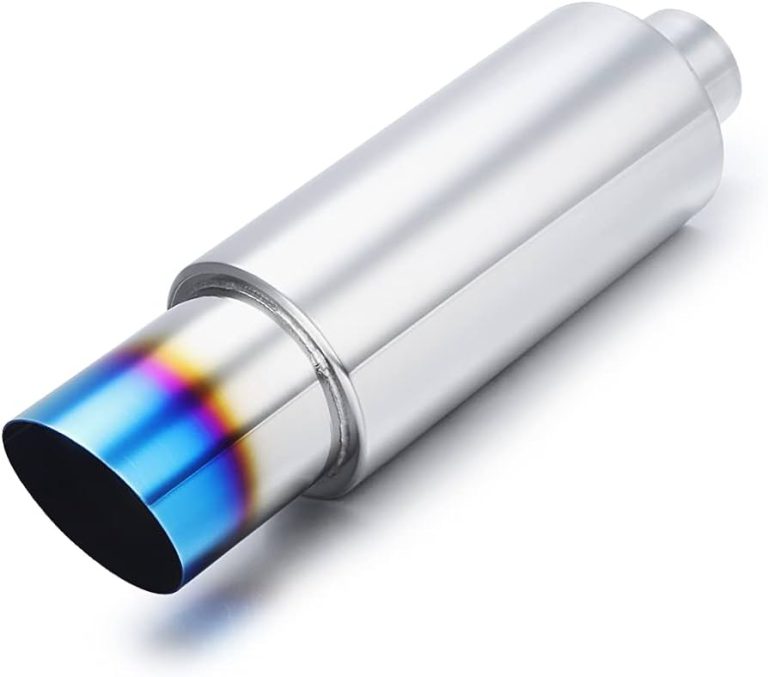
- Performance Mufflers: These are designed to produce a more aggressive, sportier sound compared to your stock muffler. They can sometimes offer a slight performance gain too.
- Cat-Back Systems: This upgrade replaces the entire exhaust system from behind the catalytic converter back to the tailpipe. It’s a common way to get a noticeable change in sound and aesthetics.
- Axle-Back Systems: A simpler upgrade, this replaces just the muffler and tailpipe section. It’s usually more affordable and easier to install than a full cat-back.
- Headers: Replacing the stock exhaust manifold with performance headers can significantly improve exhaust flow and engine breathing, leading to noticeable power gains. This is a more advanced upgrade.
Things to Consider Before Upgrading:
- Legality: Local laws and regulations regarding exhaust noise levels and emissions can vary. Always check what’s permissible in your area.
- Sound Level: Do you want a subtle rumble or a loud roar? Consider how noise levels might affect your daily driving or your neighbors.
- Drone: Some aftermarket exhausts can create an annoying “drone” sound at certain RPMs while cruising. Research reviews to avoid this.
- Performance Goals: Are you looking for a specific performance gain, or just a better sound? This will guide your choice.
- Installation: While some systems are bolt-on, others might require welding or more complex engine tuning.
For more in-depth information on exhaust upgrades and their impact, you can check out resources on automotive engineering and performance tuning, often found on university automotive engineering department websites or reputable automotive research sites.
FAQ: Your Exhaust System Questions Answered
Here are some common questions beginners have about their car’s exhaust system.
Q1: How often should I inspect my exhaust system?
A1: It’s a good idea to give your exhaust system a quick visual inspection every few months or whenever you change your oil. A more thorough check should be done at least once a year, or if you notice any new noises, smells, or performance changes.
Q2: Can a leaky exhaust affect my car’s fuel economy?
A2: Yes, it can. Leaks, especially before the oxygen sensors, can disrupt the air-fuel mixture your engine’s computer tries to maintain, leading to less efficient combustion and poorer fuel economy. Some leaks can also cause a loss of power, making the engine work harder.
Q3: What’s the difference between a muffler and a resonator?
A3: Both reduce noise, but in different ways. A muffler uses chambers and baffles to cancel out loud exhaust “booms.” A resonator is designed to eliminate specific, irritating sound frequencies (like a humming or buzzing sound) for a smoother, more pleasant tone.
Q4: Is it safe to drive with a hole in my exhaust?
A4: It’s not ideal and can be unsafe. Exhaust gases are toxic. A hole can let fumes escape before they’re treated or silenced, potentially leading them into the car’s cabin. It also reduces your car’s performance and fuel efficiency and will likely cause your car to fail emissions tests. It should be repaired as soon as possible.
Q5: My car has a check engine light on, and I think it’s related to the exhaust. What should I do?
A5: A check engine light can be triggered by many exhaust-related components, like faulty oxygen sensors or a failing catalytic converter. The best course of action is to have the error codes read by an OBD-II scanner. You can buy one cheaply, or most auto parts stores will scan it for free. This will give you a starting point for diagnosis, but if you’re unsure, consult a professional mechanic.
Q6: Can I just replace a rusty pipe, or do I need to replace the whole exhaust?
A6: Often, you can replace individual sections like a pipe, muffler, or resonator. However, if rust is widespread or has caused significant damage to multiple components, replacing the entire system (or a large portion of it, like a “cat-back” system) might be more cost-effective and prevent future issues.
Conclusion
Taking care of your car’s exhaust system doesn’t have to be intimidating. By understanding the basics, knowing what to look and listen for, and having the right tools, you can confidently perform simple maintenance tasks. Regular checks and addressing minor issues early can save you money and keep your car running smoothly and safely.