Is Exhaust Scavenging As Important As Maximum Flow?: Unveiling Truths
Have you ever wondered why your car’s engine doesn’t just rely on maximum airflow to perform at its best? While it might seem logical to think that more air equals more power, there’s a hidden hero in the equation: exhaust scavenging.
This process is often overlooked, yet it plays a crucial role in enhancing engine efficiency and performance. By the end of this article, you’ll discover why exhaust scavenging might be just as important, if not more so, than maximizing airflow.
If you’re passionate about getting the most out of your vehicle, understanding this concept could be the key to unlocking hidden potential. So, are you ready to explore the mechanics behind what makes your engine truly roar? Let’s dive in and find out how exhaust scavenging could change the way you think about engine performance.
Exhaust Scavenging Basics
Exhaust scavenging is crucial for engine performance. It influences how efficiently an engine expels exhaust gases. Proper scavenging can improve power output and fuel efficiency. Understanding its basics helps optimize engine functioning. This section explores the fundamentals of exhaust scavenging.
Understanding Exhaust Scavenging
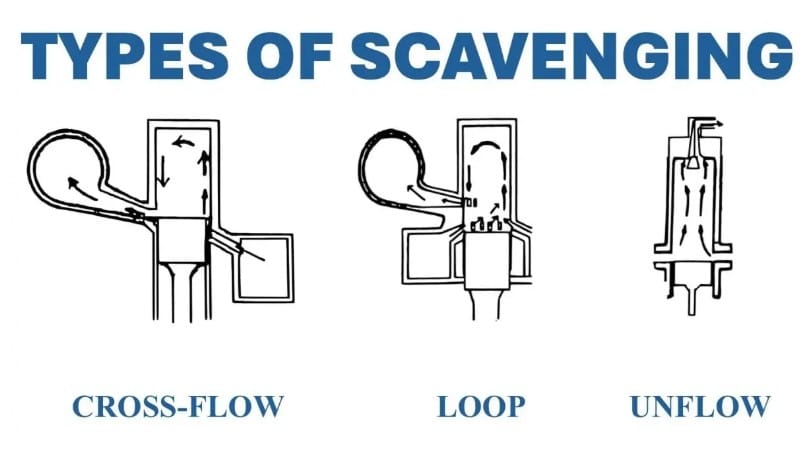
Exhaust scavenging refers to the process of removing exhaust gases from an engine cylinder. Efficient scavenging clears out used gases completely. This process makes space for fresh air-fuel mixture. It impacts engine breathing and combustion efficiency.
Scavenging relies on the pressure differential created by the exhaust system. This differential draws out exhaust gases swiftly. It reduces back pressure and enhances engine power. A well-designed exhaust system facilitates effective scavenging.
Mechanics Of Scavenging
The mechanics of scavenging involve the timing of exhaust valve openings. Correct timing ensures optimal gas flow from the cylinder. Valve overlap is a key factor in scavenging. This overlap allows incoming air to push out exhaust gases.
Resonance tuning plays a role in scavenging. It uses sound waves to aid gas expulsion. These sound waves create pressure pulses. These pulses help clear out exhaust gases effectively. Properly tuned systems enhance scavenging efficiency.

Credit: subimods.com
Importance Of Exhaust Scavenging
Exhaust scavenging plays a crucial role in engine performance. It impacts how well the engine breathes. Efficient scavenging removes exhaust gases effectively. This process clears the way for fresh air. This ensures better combustion. Better combustion means improved performance.
Performance Benefits
Exhaust scavenging enhances engine power. It helps in achieving smoother acceleration. Faster removal of exhaust gases aids responsiveness. It reduces engine backpressure. This leads to a noticeable boost in power. Performance improves significantly with efficient scavenging.
Impact On Engine Efficiency
Efficient scavenging reduces wasted energy. It improves fuel consumption. The engine operates more smoothly. It also aids in maintaining optimal temperature. Less exhaust buildup means better heat management. Efficiency is maximized, prolonging engine life.
Comparing Maximum Flow
In the world of engine mechanics, enthusiasts often debate the importance of exhaust scavenging compared to maximum flow. Both elements influence engine performance. Understanding how they compare can offer insights into optimizing engine efficiency.
Defining Maximum Flow
Maximum flow refers to the engine’s ability to move air and exhaust gases. It is crucial for engine breathing. Efficient air movement leads to better combustion. This can result in increased power output.
Role In Engine Performance
Maximum flow impacts how effectively an engine can produce power. Engines with higher flow rates often deliver better performance. They achieve this by reducing resistance in the exhaust system. This allows for quicker expulsion of exhaust gases. It also facilitates a smoother intake of fresh air. The result can be improved acceleration and overall engine efficiency.
In racing scenarios, maximum flow becomes even more critical. It can be the difference between winning and losing. Engines designed for high flow rates often experience less overheating. They can maintain consistent power during long races.
Exhaust Scavenging Vs. Maximum Flow
Exhaust systems play a vital role in engine performance. Two key concepts are exhaust scavenging and maximum flow. Both impact engine efficiency, but which is more important? Understanding their differences helps make informed decisions about your exhaust system.
Balancing Act
Exhaust scavenging removes spent gases from the cylinder. This process creates a vacuum, pulling fresh air-fuel mix into the cylinder. Maximum flow, on the other hand, focuses on the volume of gases moving through the system. High flow means less restriction. Finding a balance between these two is crucial. Too much emphasis on one can harm engine performance.
Trade-offs And Synergies
Prioritizing exhaust scavenging can enhance low-end torque. It improves throttle response, which is great for city driving. Maximum flow, though, benefits high-speed performance. It allows the engine to breathe easier at high RPMs. Both strategies have their own strengths and weaknesses. Understanding them helps in making the right choice for your specific needs.
Technological Advances
Technological advances have reshaped the automotive industry. Innovations in exhaust systems have gained significant attention. Engineers focus on both exhaust scavenging and maximum flow. These advancements aim to enhance vehicle performance. Understanding these technologies helps in making informed decisions.
Innovations In Scavenging Techniques
Recent years have seen new scavenging techniques. Engineers now use advanced computer models. These models predict airflow dynamics with precision. Improved exhaust manifold designs enhance scavenging. They allow for better removal of burnt gases. This leads to more efficient engine cycles. Variable valve timing also plays a crucial role. It adjusts valve opening times for optimal scavenging. This ensures improved engine efficiency and power.
Enhancements In Maximum Flow
Maximum flow improvements focus on reducing restrictions. Wider exhaust pipes are a common solution. They allow gases to exit the engine faster. This results in increased horsepower and torque. High-performance catalytic converters also contribute. They maintain flow while reducing emissions. Aerodynamic exhaust tips help in minimizing flow resistance. These enhancements ensure better overall engine performance.
Real-world Applications
Understanding exhaust scavenging and maximum flow can transform your engine’s performance. While maximum flow often steals the spotlight, exhaust scavenging holds secrets that can boost real-world applications. Let’s dive into how this balance plays out across industries and in specific case studies.
Case Studies
Imagine you’re a car enthusiast tweaking your sports car for optimal performance. You might prioritize maximum flow, thinking it’s the key to power. Yet, exhaust scavenging can offer unexpected horsepower gains. In one case, a racing team adjusted their exhaust system, focusing on scavenging. They noticed quicker throttle response and improved acceleration, even with minimal changes to flow rates.
Consider a motorcycle engineer working on a prototype. While maximum flow seemed critical, exhaust scavenging improved engine efficiency. A slight modification in exhaust design reduced back pressure, enhancing fuel economy. This real-world tweak made the bike more competitive without sacrificing speed.
Industry Examples
In automotive manufacturing, companies often emphasize maximum flow in their marketing. Yet, exhaust scavenging quietly enhances vehicle performance. A notable example is a car manufacturer that optimized their exhaust systems for scavenging. They achieved better emissions and increased fuel efficiency, addressing environmental concerns while retaining power.
In the marine industry, exhaust scavenging plays a crucial role. Ships require efficient engines to cut fuel costs. Engineers have found that focusing on exhaust scavenging, rather than just maximum flow, leads to significant reductions in fuel consumption. This approach contributes to more sustainable marine travel.
Have you ever wondered why your car feels sluggish despite a powerful engine? The answer might lie in the exhaust system’s scavenging capabilities. By understanding and applying exhaust scavenging principles, you can unlock potential gains in various engines and industries.
Future Trends
Exploring future trends in engine technology, exhaust scavenging emerges as crucial as maximum flow. Efficient scavenging enhances engine performance by effectively removing exhaust gases, leading to cleaner combustion and improved power output. Understanding its significance can shape advancements in automotive efficiency.
As we look toward the future, the interplay between exhaust scavenging and maximum flow in engines is set to undergo transformative changes. With the rapid advancement in technology and a growing emphasis on sustainability, the automotive industry is poised to witness significant shifts. These future trends promise not only to enhance engine efficiency but also to redefine how we think about performance.
Emerging Technologies
New technologies are on the horizon that could change the way we understand exhaust systems. For instance, the integration of smart materials in exhaust systems may allow for adaptive exhaust flow, automatically adjusting to optimize both scavenging and maximum flow. Imagine a scenario where your car’s exhaust system can adapt in real-time to driving conditions, enhancing performance without any manual adjustments.
The potential for such innovations is vast, and they may soon become a standard feature in new vehicles. Electric vehicles (EVs) are also pushing the boundaries. While EVs do not have traditional exhaust systems, the principles of airflow management are still crucial. Advanced cooling and airflow systems in EVs could borrow concepts from exhaust scavenging to maximize battery efficiency.
Potential Developments
Looking ahead, there are several potential developments that could redefine exhaust scavenging. One area of interest is the use of AI to optimize engine performance. By analyzing data in real-time, AI could fine-tune exhaust systems to achieve the perfect balance between scavenging and flow, enhancing efficiency and reducing emissions. Another exciting development is in the realm of 3D printing. This technology could enable the production of custom exhaust parts tailored to specific engines, optimizing flow and scavenging more effectively than ever before.
Imagine the ability to print a new exhaust component on-demand, precisely engineered for your vehicle’s needs. It’s worth considering how these advancements might affect your own vehicle. Would you be open to upgrading your exhaust system to incorporate these new technologies? As car enthusiasts, staying informed about these trends can help you make the best decisions for your vehicle’s performance. The future of exhaust technology is not just about power and efficiency. It’s about creating systems that are smarter and more adaptable. How will you embrace these changes? The possibilities are both exciting and endless.

Credit: www.amazon.com
Frequently Asked Questions
What Is Exhaust Scavenging In Engines?
Exhaust scavenging is the process of efficiently removing exhaust gases from an engine’s combustion chamber. This maximizes performance and fuel efficiency. It ensures fresh air intake for the next cycle, enhancing power output. Proper scavenging reduces engine wear, improves emissions, and optimizes airflow dynamics.
How Does Exhaust Scavenging Impact Engine Performance?
Exhaust scavenging enhances engine performance by optimizing airflow and reducing back pressure. It allows better air-fuel mixture, increasing power and efficiency. Efficient scavenging leads to improved throttle response and acceleration. It ensures smoother engine operation and contributes to longevity by minimizing thermal stress.
Can Maximum Flow Replace Exhaust Scavenging?
Maximum flow alone cannot replace exhaust scavenging. While maximum flow increases air intake, scavenging removes exhaust gases effectively. Both processes work together to optimize engine performance. Ignoring scavenging can lead to reduced efficiency, increased emissions, and potential engine damage over time.
Why Are Exhaust Scavenging And Maximum Flow Important?
Exhaust scavenging and maximum flow are crucial for engine efficiency and power. Scavenging ensures exhaust removal, while maximum flow enhances air intake. Together, they optimize combustion, reduce emissions, and improve performance. Proper balance between the two results in better throttle response and engine longevity.
Conclusion
Balancing exhaust scavenging and maximum flow is essential. Both affect engine performance. Exhaust scavenging improves efficiency by clearing gases. Maximum flow boosts power by allowing more air and fuel. Ignoring either can lead to reduced performance. Striking the right balance is key for optimal results.
Consider your engine’s specific needs. Understand your vehicle and driving habits. This ensures better performance and longevity. Take time to learn and adjust. Your engine will thank you. Enjoy smoother rides and enhanced efficiency.