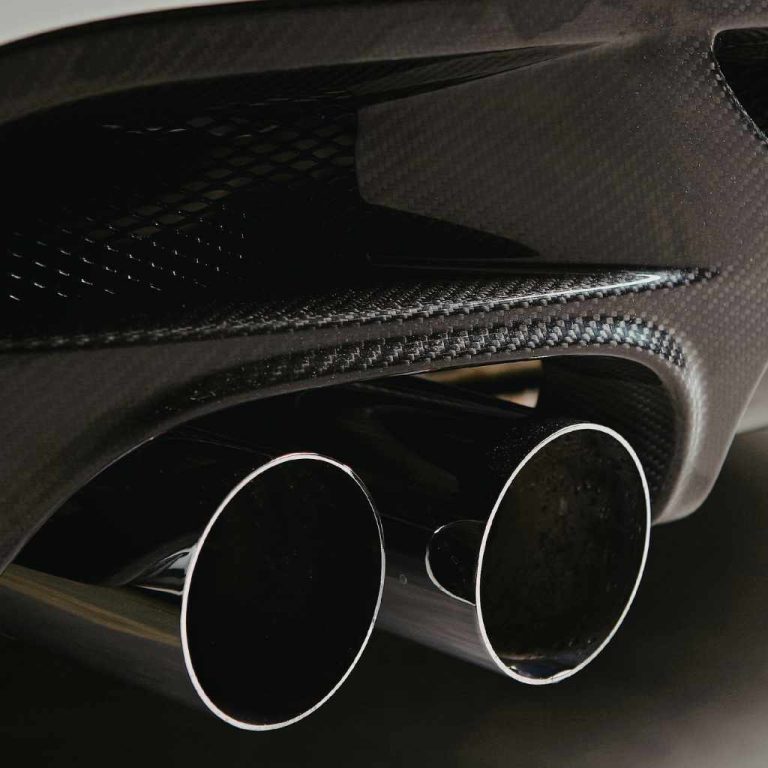
Do Exhaust Tips Affect Scavenging? Essential Results
Generally, decorative exhaust tips do not significantly affect exhaust scavenging, as scavenging is primarily determined by the header design, collector length, and exhaust pipe diameter far upstream. While the very end of the exhaust system can have minor acoustic or flow effects (like backpressure), the complex gas wave action of scavenging happens much closer to the engine.
If you’ve been looking into upgrading your car’s sound or style, you’ve probably run into the term “scavenging.” It sounds complicated, like something only a race mechanic needs to worry about. Many people wonder if simply changing the shiny tip at the end of the pipe makes a difference in how well the engine breathes. The short answer is usually no, but understanding why is key to making smart upgrades. Don’t worry if this sounds confusing! We will break down what scavenging really is and see exactly how much—or how little—those exhaust tips matter. We’ll give you clear answers so you can spend your money wisely on performance parts that truly work.
What Exactly is Exhaust Scavenging? Understanding the Basics
Before we talk about tips, we must understand scavenging. Scavenging is one of the most important concepts in making an engine breathe efficiently. It is simply the process where the leaving exhaust gases help pull the next batch of fresh air and fuel mixture into the cylinder.
Think of it like a highly coordinated dance in your engine’s plumbing.
The Science of the Exhaust Wave
When an engine runs, the exhaust valve opens, and a pulse of hot, high-pressure gas rushes out. This pulse travels down the exhaust pipe like a wave moving through water. As this wave moves away from the cylinder, it creates a low-pressure area right behind it.
For ideal performance, the timing must be perfect. That low-pressure area needs to arrive back near the cylinder’s exhaust port just as the exhaust valve is about to close. If it arrives at the right time, it effectively sucks the remaining spent gases out and creates a vacuum that helps pull in the fresh air/fuel charge for the next cycle. This whole effect is called “ram air” or “negative pressure scavenging.”
The primary goal of good exhaust design is to tune these pulses to maximize this effect across the engine’s desired RPM range.
Where Scavenging Actually Happens
Scavenging is a highly sensitive tuning process that relies on fluid dynamics (how the gases flow). Because of this, scavenging is mainly controlled by parts located very close to the engine, not the very end of the system.
To put it simply, scavenging is heavily dependent on:
- Header Design (Manifold): The length and shape of the tubes leading from each cylinder.
- Primary Tube Length: This determines the speed and timing of the exhaust pulse.
- Collector Design: Where the individual header tubes merge together.
- Exhaust Pipe Diameter: The internal size of the pipes leading away from the collector.
If you mess up these key parts, you lose scavenging. The exhaust tip sits many feet away from this action zone.

The Role of Exhaust Tips: Flow, Backpressure, and Aesthetics
Now that we know where the magic happens, let’s look at the exhaust tip. The exhaust tip is the very last component in the system—the piece you can actually see and polish.
Can Exhaust Tips Create Backpressure?
Backpressure is the resistance the engine faces when trying to push exhaust gases out. High backpressure robs power. In the older days, or with poorly designed, extremely small tips, this was more of a concern.
For modern vehicles and typical aftermarket tips, the impact on backpressure is usually very small, even negligible, especially when compared to muffler design or catalytic converters. Backpressure is more affected by the diameter of the main piping system leading up to the tip.
A very restrictive tip (like a tiny, baffled tailpipe) can certainly add measured backpressure. Stock systems are usually designed to balance noise reduction with appropriate flow rates for daily driving efficiency. Aftermarket tips, provided they are the right diameter for your pipe size, generally flow very well.
Acoustics vs. Scavenging
Where exhaust tips do make a huge difference is in the sound, or acoustics. The tip influences the final tone heard outside the car. Tips can use different shapes, cutouts, or inner baffles to:
- Change the pitch (making it deeper or sharper).
- Reduce or increase drone (that humming sound inside the car cabin).
- Offer different visual styles (rolled, slash-cut, dual-wall).
These acoustic changes often trick our ears into thinking the car performs differently, even if the actual power output (which scavenging controls) hasn’t changed much.
Testing the Theory: How Exhaust Tips Relate to Scavenging Results
To answer the question directly: Do exhaust tips affect scavenging? The evidence from performance testing overwhelmingly suggests they do not provide a measurable tuning benefit related to the wave action of scavenging.
What Independent Testing Shows
Performance tuning experts often test every component of an exhaust system to see where real gains come from. These tests compare stock systems against various aftermarket setups.
When header design, collector length, and main pipe diameter are kept identical, switching between a standard polished stainless steel tip and a large, slash-cut tip usually shows minimal, if any, difference in horsepower or torque readings on the dyno, especially in the mid-range where scavenging is maximized.
For reference on how important precise timing is, research into optimal header length, often studied in university engineering programs, shows that small changes in length (even half an inch) can shift the scavenging peak by hundreds of RPM. This shows how localized and sensitive the process is, far from the tailpipe.
The Real Performance Boosters
If you want to improve scavenging—and thus engine efficiency—you need to look upstream. Here is a comparison of components and their likely impact on scavenging:
| Exhaust Component | Primary Effect on Scavenging | Performance Impact (DIY Friendly?) |
|---|---|---|
| Exhaust Tips | Negligible (Acoustics/Minor Backpressure) | Very High (Easy swap) |
| Mufflers | Moderate (Affects main flow rate and sound cancellation) | Moderate (Requires welding/clamping) |
| Mid-Pipe/Cat-Back Piping | Low to Moderate (If diameter changes significantly) | Moderate (Welding required) |
| Headers/Exhaust Manifold | High (Directly tunes pulse timing) | Low (Complex installation) |
As the table clearly shows, the closer the component is to the physical engine/cylinder head, the heavier its impact is on the critical timing needed for effective scavenging.
Step-by-Step Guide: How to Choose the Right Exhaust Tip (Since Scavenging Isn’t Affected)
Since the performance tuning aspect of scavenging is handled upstream, you are free to choose your exhaust tip based on style, durability, and sound modification without major performance penalty. Here is how an everyday car owner can select the perfect tip.
Step 1: Determine the Correct Tip Diameter
The tip must match the diameter of the pipe it slides onto or clamps over. If your existing exhaust pipe is 2.5 inches in diameter, you need a tip designed for a 2.5-inch outlet.
If the tip is significantly smaller than the pipe leading into it, you will introduce unnecessary restriction and potential backpressure, which hurts performance far more than any positive scavenging effect.
Step 2: Choose Your Mounting Style
Tips are generally mounted in one of three ways:
- Bolt-On/Clamp-On: These use screws or clamps to secure the tip to the existing pipe. Easiest for beginners.
- Weld-On: These offer the most secure, permanent fit but require welding skills or a professional welder.
- Slip-On/Overlap: These slide over the pipe. If they are clamped or welded behind the visible joint, they look seamless.
Step 3: Select Material and Finish
Exhaust tips live in a harsh environment (heat, road salt, grime). Material choice matters for longevity:
- Stainless Steel (304 or 409): Excellent corrosion resistance and durability. 304 is generally considered superior for shine but costs a bit more.
- Chrome-Plated Steel: Offers a deep shine but can eventually pit or peel if the plating quality is low or if subjected to extreme heat cycles.
- Titanium or Burnt Tip: Often achieved by heat treatment on stainless steel, presenting a rainbow/blue/gold look. These are visual statements.
Step 4: Consider Tip Shape and Lip
This choice is purely aesthetic and acoustic:
- Straight Cut: Clean, simple look, usually matching the pipe diameter exactly.
- Slash Cut: Cut at an angle. Often looks sportier.
- Rolled Edge: The outer edge is curled inward. This usually creates a subtly deeper, fuller sound because it manages the gas exit slightly differently, though impact on scavenging remains zero.
- Double Wall: Features an outer and inner wall, which helps keep the outer wall cooler to the touch and can reduce drone slightly.
Safety First: Handling Exhaust Upgrades
Whenever you work on exhaust components—even just replacing the tip—safety is paramount. Exhaust systems get extremely hot and can contain sharp edges.
Essential Safety Checklist:
- Wait for Cooling: Never touch the exhaust pipe immediately after running the car. Wait several hours. A metal pipe can cause severe burns even after the engine shuts off.
- Use Proper Lifting Points: If you need to raise the car to access clamps or welds underneath, use jack stands on designated frame points. Never work under a car supported only by a hydraulic jack. For reference on safe vehicle lifting, look at guides from organizations like the National Highway Traffic Safety Administration (NHTSA) regarding vehicle safety standards.
- Wear Protection: Always wear safety glasses to protect against rust flakes or debris when working underneath. Wear heavy gloves if handling hot or sharp metal.
- Check Local Laws: Ensure your new tip configuration doesn’t violate local noise ordinances or state visual inspection requirements (some states have rules about exposed exhaust components).
Troubleshooting Common Exhaust Tip Issues
While exhaust tips don’t impact sophisticated tuning like scavenging, they can cause headaches related to fitment, noise, and durability.
Problem 1: The Tip Rattles or Falls Off
This happens most often with bolt-on or clamp-on styles.
- Cause: Insufficient tightening, or corrosion/heat weakening the clamp over time.
- Fix: If clamp-on, try removing the tip, roughing up the surface of the connecting pipe with sandpaper for better grip, and re-clamping very tightly. Welding is the ultimate fix for permanence.
Problem 2: Drone Sound Inside the Car
This frustrating humming noise usually occurs at a specific cruising speed.
- Cause: While the tip choice is not the cause of scavenging, the tip design (especially cheap, resonant tips) can amplify or alter sound waves that resonate unpleasantly inside the cabin.
- Fix: Experimenting with different tip styles (like switching to a double-wall or adding a different exit angle) can sometimes change the drone frequency enough to make it less noticeable. Often, however, drone requires a muffler or resonator change upstream.
Problem 3: Tip Quickly Turns Blue or Brown
This discoloration is common, especially on cheaper materials or where the tip is closely butted against a hot muffler section.
- Cause: High localized heat exposure.
- Fix: If using stainless steel, try sanding off the discoloration and polishing with a high-quality stainless steel cleaner. For severe cases, purchasing a double-wall tip (which insulates the tip from the hottest part of the exhaust flow) can help maintain the finish longer.

Frequently Asked Questions (FAQ) About Exhaust Components
Q1: If I use a huge exhaust tip, will it hurt my low-end power?
A: Yes, potentially. If the tip is much larger than the pipe feeding it, it can disturb the exiting gas flow and act like a miniature restriction point by creating turbulence, leading to power loss, especially at lower RPMs.
Q2: Does exhaust scavenging only happen on race cars?
A: No, scavenging happens in every four-stroke engine! Efficient stock cars use it. Performance headers simply optimize the timing of the pulse for maximum cleaning effect, often boosting power in a specific RPM range.
Q3: If I want more power, should I spend money on tips or headers?
A: Spend your money on headers or a complete cat-back system first. Headers affect scavenging directly. Tips are primarily an aesthetic and acoustic upgrade.
Q4: Can exhaust tips affect my car’s fuel mileage?
A: Any restriction in the exhaust system forces the engine to work harder, which could theoretically decrease mileage slightly. Because modern tips flow very well, the effect from the tip alone on fuel economy is almost impossible for an average driver to notice.
Q5: What is the best exhaust tip material for rust resistance?
A: Marine-grade or high-quality 304 Stainless Steel offers the best resistance to corrosion, making it ideal for areas exposed to snow, salt, and moisture.
Q6: Do I need to tune my car’s computer if I only change the exhaust tips?
A: No. Changing only the exhaust tips does not change the air/fuel mixture ratio in a way that requires ECU (Engine Control Unit) tuning. Tuning is usually only required when significantly changing airflow capacity upstream, such as installing headers or high-flow catalytic converters.
Conclusion: Final Thoughts on Tips and Tuning
It’s easy to get caught up in performance jargon, and “scavenging” is certainly one of the most technical terms thrown around in the exhaust world. As an everyday car owner aiming for better performance and sound, take this key takeaway: exhaust tips are the finishing touch, not the fundamental tuning tool.
Exhaust tips excel at enhancing the look and shaping the sound waves that exit your car. They offer great DIY upgrade potential for style and noise modification. However, the critical, complex process of wave tuning that improves how efficiently your engine breathes—scavenging—is managed by the design, length, and merges occurring much closer to the engine in the headers and collector.
Focus your budget and effort on ensuring your main exhaust piping diameter is appropriate, mufflers aren’t overly restrictive, and if you are pursuing maximum performance gains, invest in well-designed headers. You can confidently choose your favorite style of exhaust tip knowing that you are selecting for looks and sound, leaving the hard science of scavenging to the components upstream.