How to Make Dual Exhaust: Boost Your Car’s Performance
Do you dream of giving your vehicle a boost in performance and style? Imagine the thrill of a deeper, more powerful exhaust note as you drive down the road.

Magnum Exhaust
Flowsound 2-Chamber Mandrel-Bent Dual Truck Exhaust Kit…
- single 3"/dual 2.5" Flowsound 2-Chamber Muffler
- Two 2.5" Mandrel-bent tailpipes, cut and swedged
- Multi-depth insulated hangers & muffler clamps
As an Amazon Associate I earn from qualifying purchases.
Installing a dual exhaust system can make that dream a reality, enhancing both the sound and efficiency of your car. But, how do you make a dual exhaust system yourself? The task might seem daunting, but with the right guidance, it’s easier than you think.
This guide is crafted to walk you through each step, ensuring you achieve a professional-grade upgrade without the hefty price tag. Ready to transform your ride and feel the difference every time you press the gas pedal? Keep reading to discover how you can master the art of dual exhaust installation, and take your driving experience to a whole new level.
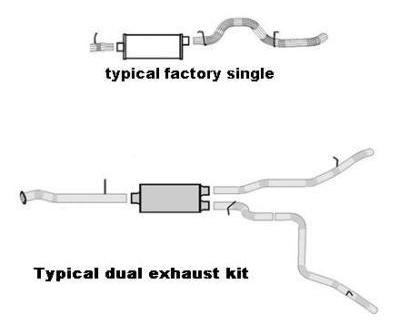
Credit: www.truckexhaustkits.com
Benefits Of Dual Exhaust
Dual exhaust systems offer several advantages for vehicle enthusiasts. They provide a unique combination of improved performance and aesthetics. Installing a dual exhaust can enhance your driving experience significantly. Below are some key benefits of having a dual exhaust system.
Improved Engine Efficiency
A dual exhaust system allows better airflow through the engine. This reduces engine stress and promotes efficient combustion. With less backpressure, the engine breathes more freely. As a result, fuel consumption is optimized. This means better mileage and performance.
Enhanced Sound Quality
Dual exhaust systems often produce a deeper, more resonant sound. The distinct roar appeals to many car enthusiasts. It creates a sporty, aggressive tone. The sound changes as you accelerate, offering an engaging auditory experience. This enhances the thrill of driving.
Increased Horsepower
Installing a dual exhaust can boost the vehicle’s horsepower. The engine expels gases more effectively, leading to power gains. More power means quicker acceleration and better overall performance. This upgrade makes driving more dynamic and exciting.
Essential Tools And Materials
Crafting a dual exhaust system requires several essential tools and materials. Safety gear, wrenches, and a saw are crucial. Exhaust pipes, mufflers, and clamps complete the setup. Having these items ensures a smoother installation process.
Creating a dual exhaust system is a project that can boost your car’s performance and give it a more aggressive sound. To get started, you need the right tools and materials. They are essential for ensuring a smooth process and a professional finish. Whether you’re a seasoned mechanic or a DIY enthusiast, knowing what to have on hand makes all the difference. Let’s dive into the critical components you’ll need.
Exhaust Pipes And Mufflers
Your choice of exhaust pipes and mufflers shapes the sound and performance of your dual exhaust system. Stainless steel pipes are a great option because they resist rust and last longer. Choose mufflers that match your desired sound level—quiet, moderate, or loud. Consider the diameter of the pipes, as larger ones typically allow for better airflow, enhancing engine performance. Have you thought about the layout? Make sure the pipes are bent to fit the vehicle’s undercarriage precisely.
Welding Equipment
Welding is key to securely attaching the exhaust pipes. A MIG welder is often recommended for its ease of use and clean welds. Ensure you have welding wire and a suitable power source. If you’re new to welding, practice on scrap metal first to get a feel for the equipment. Safety and precision are paramount. Keep a steady hand and make sure each weld is strong to prevent leaks. How comfortable are you with welding? If it’s your first time, consider getting guidance from someone experienced.
Safety Gear
Safety should never be an afterthought. Protect yourself with a welding helmet to shield your eyes from sparks and bright light. Wear fire-resistant gloves and a long-sleeve shirt to prevent burns. Make sure to have a fire extinguisher nearby in case of emergency. Ensure your workspace is well-ventilated to avoid inhaling fumes. Do you have all the necessary gear ready? Prioritize your safety before starting any work.
With these tools and materials, you’re well on your way to crafting a dual exhaust system that not only looks good but also performs exceptionally. Ready to get your hands dirty? The satisfaction of hearing your engine roar through a freshly installed dual exhaust is well worth the effort.
Step-by-step Installation Process
Installing a dual exhaust system can boost your vehicle’s performance. This guide offers a clear, step-by-step installation process. You’ll learn how to prepare your vehicle, remove the old exhaust, and install the new system.
Preparing The Vehicle
Start by parking your vehicle on a flat surface. Ensure the engine is cool to avoid burns. Gather all the necessary tools. A wrench, jack stands, and safety goggles are essential. Lift the vehicle using the jack stands. Make sure it’s secure before moving under it. This step is crucial for your safety.
Removing The Old Exhaust
Locate the old exhaust system under your vehicle. Use the wrench to loosen the bolts. Carefully disconnect the exhaust from the engine. Remove hangers and clamps holding the exhaust. Gently pull the old exhaust out. Check for any rust or damage on the undercarriage. Clean the area before proceeding.
Installing The New Exhaust System
Align the new exhaust with the vehicle’s undercarriage. Ensure all parts fit perfectly. Secure the exhaust using new clamps and hangers. Tighten the bolts with a wrench. Double-check every connection. Start the engine to test the exhaust system. Listen for any leaks or unusual sounds. Make adjustments if necessary.

Credit: www.youtube.com
Common Challenges And Solutions
Creating a dual exhaust system often presents challenges like space constraints and alignment issues. Proper planning and measuring help tackle these problems. Using adjustable hangers can ensure precise alignment, while careful routing avoids obstacles, ensuring a smooth installation process.
When you’re making a dual exhaust system, you’ll likely face a few bumps along the way. These challenges can range from space constraints to rust issues, and ensuring everything aligns correctly. Don’t worry, though—every problem has a solution, and by understanding these common challenges, you’ll be better prepared to tackle them head-on.
Dealing With Space Constraints
Space constraints can be a real headache when you’re working on a dual exhaust system. You might find that your vehicle doesn’t have enough room to comfortably fit the new pipes. A good starting point is to carefully measure the available space before you buy any parts. Consider using smaller diameter pipes or custom-bending them to fit the unique shape of your vehicle. Remember when I was working on my old sedan? I ran into this exact issue. I ended up using a flexible exhaust pipe to navigate around tight spots. It saved me a ton of frustration—and it can do the same for you.
Handling Rust And Corrosion
Rust and corrosion are the silent enemies of any exhaust system. Over time, they weaken the pipes and can lead to leaks or even total failure. To combat this, opt for stainless steel pipes, which are more resistant to rust than regular steel. Additionally, applying a high-temperature exhaust paint can provide an extra layer of protection. Think about the last time you dealt with a rusty exhaust. It probably wasn’t fun. By taking these preventive steps, you can extend the life of your dual exhaust and save yourself some future headaches.
Ensuring Proper Alignment
Proper alignment is crucial for your dual exhaust system to function efficiently. Misalignment can cause performance issues and even damage other parts of your vehicle. Use adjustable hangers and clamps to fine-tune the positioning of your exhaust pipes. Don’t hesitate to adjust and readjust until everything lines up perfectly. I remember a friend once told me, “Alignment is everything in exhaust systems.” And he was right. Taking the time to get it just right will pay off in performance and longevity.
Have you ever tackled a DIY project only to realize something was slightly off? It’s frustrating, but also a learning experience. With these insights, you’re better equipped to handle the challenges and create a dual exhaust system that not only fits but also performs to the best of its ability.
Maintenance Tips For Dual Exhaust
Maintaining a dual exhaust system might seem like a daunting task, but with the right approach, it becomes manageable and rewarding. By keeping your dual exhaust in top condition, you not only extend its lifespan but also enhance your vehicle’s performance and fuel efficiency. Let’s dive into some essential maintenance tips that you can easily follow to keep your dual exhaust system running smoothly.
Regular Inspections
Frequent inspections are crucial to catch any potential issues early. Make it a habit to check your exhaust system every few months. Look for signs of rust, loose connections, or any unusual noises. Identifying these problems early can prevent more serious issues down the line. Have you ever skipped an inspection only to face costly repairs later on? Regular checks can save you from those unexpected expenses.
Cleaning And Polishing
A clean exhaust system not only looks good but also performs better. Use a soft cloth and a specialized exhaust cleaner to remove dirt and grime. Polishing the tips can prevent corrosion and keep them shiny. Remember that time you admired a car with gleaming exhaust tips? You can achieve the same look with a little effort. Keeping your exhaust clean also ensures it operates efficiently, reducing emissions.
Addressing Wear And Tear
No matter how well you maintain your dual exhaust, wear and tear are inevitable. Pay attention to any rattling sounds or changes in performance. These could be signs that parts of your exhaust system need replacing. Have you ever ignored a minor issue, hoping it would go away? Addressing wear and tear promptly can prevent larger problems. Consider consulting a professional if you’re unsure about handling repairs yourself.
By incorporating these maintenance tips into your routine, you not only prolong the life of your dual exhaust but also enjoy a smoother and more efficient ride. Regular attention to your exhaust system is a small investment that pays off in the long run. What steps will you take today to ensure your dual exhaust stays in top shape?
Legal Considerations
When you’re thinking about adding a dual exhaust system to your vehicle, it’s crucial to consider the legal aspects. Upgrading your car can be exciting, but you don’t want your enthusiasm to lead to fines or legal trouble. Understanding the regulations can save you money and headaches.
Understanding Emission Regulations
Emission standards are set to control the pollutants released by vehicles. Before installing a dual exhaust, check if your modifications align with these standards. If not, your vehicle might fail emissions testing, leading to penalties or even restrictions on usage.
Research the specific emission requirements in your area. Some places have stringent rules due to air quality concerns. Use official resources or consult with a local mechanic familiar with regulations. Your local DMV or environmental agency website can be valuable.
Noise Restrictions
Dual exhausts can make your car sound fantastic, but they might also make it too loud. Many jurisdictions have noise restrictions in place. If your exhaust system exceeds these limits, you could face fines or be required to remove it.
Consider investing in mufflers or other noise-reducing components. These can help keep your car’s roar within legal limits. It’s worth asking yourself: Is the thrill of a loud engine worth the risk of penalties?
Compliance With Local Laws
Local laws vary greatly, and what’s legal in one area might not be in another. Before making changes, investigate the rules specific to your locality regarding vehicle modifications. Ignoring these could lead to serious repercussions.
Consult local automotive forums or speak with fellow car enthusiasts. Their insights can be invaluable, especially if they’ve faced similar legal hurdles. Personal stories can often provide practical advice and solutions.
Have you ever faced legal issues due to car modifications? Share your experiences or concerns in the comments below. Your insights might help others navigate this complex topic.
Frequently Asked Questions
What Is Dual Exhaust System?
A dual exhaust system has two separate exhaust pipes, improving performance and efficiency. It allows better exhaust flow, reduces engine backpressure, and often enhances the vehicle’s sound. This system can lead to increased horsepower and improved fuel economy, making it popular among car enthusiasts and performance-focused drivers.
How Does Dual Exhaust Improve Performance?
Dual exhaust systems improve performance by enhancing exhaust flow and reducing backpressure. They allow the engine to breathe more efficiently, resulting in increased horsepower and torque. The setup often leads to better fuel economy and a more aggressive sound, making it a popular choice for performance upgrades.
Is Dual Exhaust Installation Difficult?
Installing a dual exhaust system can be challenging for beginners. It requires mechanical skills, proper tools, and knowledge of the vehicle’s exhaust layout. Professional installation is recommended for best results, ensuring proper fitment, alignment, and safety. DIY enthusiasts can follow detailed guides and videos for step-by-step assistance.
What Are The Benefits Of Dual Exhaust?
Dual exhaust systems offer several benefits, including increased horsepower, improved fuel efficiency, and a more aggressive sound. They enhance exhaust flow, reduce engine backpressure, and can improve overall engine performance. This setup is ideal for performance-focused drivers seeking to optimize their vehicle’s efficiency and sound.
Conclusion
Creating your own dual exhaust system can be rewarding. It enhances your car’s performance and sound. Remember to gather all necessary tools and parts. Follow the steps carefully to ensure safety and effectiveness. Consult a professional if uncertain. Enjoy the improved performance and style of your vehicle.
Share your experience with friends or fellow car enthusiasts. A well-installed dual exhaust can make your car stand out. Keep learning and experimenting with car modifications. Your efforts can lead to a smoother and more enjoyable drive. Safe driving!
Related pick: Check today's price on Amazon