How Much Does It Cost to Replace an Exhaust Gasket?
Replacing an exhaust gasket usually costs about $100 to $400, but a manifold or turbo gasket in a cramped bay can run about $500 to $1,000+ if studs, bolts, or pipe sections need work. Ignore a leak and you can burn the gasket, damage nearby parts, trigger loud exhaust noise, and turn a small seal job into a larger exhaust repair. This guide breaks down price by gasket location, labor access, and the signs that separate a cheap reseal from a bigger exhaust fix.
Exhaust gasket replacement costs
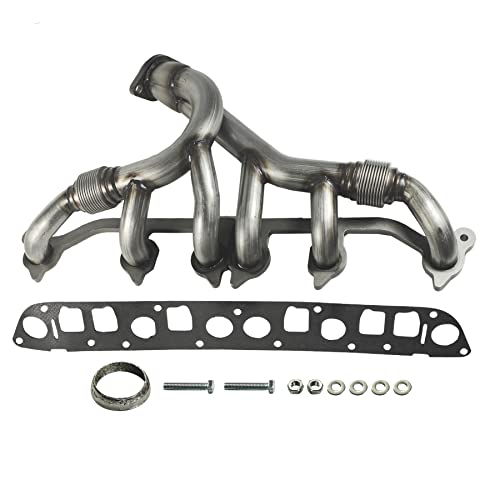


The bill has two parts: gasket price and labor. The gasket itself is often a small share of the total, while labor jumps when access is tight, fasteners are rusted, or the flange needs cleanup.
On an easy flange job, the part may cost less than the labor. On a manifold or header job, labor can exceed the seal price because the technician may need to remove heat shields, sensors, brackets, or the manifold itself.
Parts cost versus labor cost
Most exhaust gaskets cost roughly $10 to $60 by themselves. Specialty header gaskets, thicker multi-layer seals, and dealer-sourced parts can run higher. Labor commonly starts around one hour for an accessible flange and can move to three or more hours for a manifold with seized hardware.
Shop rate matters. Independent repair shops often charge less per hour than dealers, but dealers may price the job with more model-specific labor time. A diagnostic fee may also appear if the leak is not obvious or if the shop needs to smoke-test the exhaust path.
Typical labor time by repair type
A flange gasket replacement may take about 0.8 to 1.5 labor hours when hardware comes apart cleanly. A manifold gasket often takes 2 to 4.5 hours, especially on transverse engines or tight engine bays. A header gasket can land between 1.5 and 3.5 hours, depending on fitment and access.
Catalytic converter joint gaskets sit in the middle. Some are simple donut-style seals at a slip joint. Others are tied to rusted flanges or heat shields and can take more time than the part price suggests.
What a shop quote usually includes
- Inspection or diagnostic fee, if needed.
- Gasket part number matched to the VIN.
- Labor time based on location and access.
- Replacement hardware such as studs, nuts, bolts, or springs.
- Cleanup, flange resurfacing, or pipe alignment if required.
- Extra work for oxygen sensor removal or heat shield removal.
What changes the price?
Location, access, and hardware condition decide most of the cost. The same seal can be a low-cost repair on one car and a major exhaust job on another because of layout, corrosion, or a warped mating surface.
Location: manifold, flange, header, or catalytic converter joint
Exhaust manifold gaskets usually cost more to replace than flange gaskets. The manifold sits close to the cylinder head, so the job often means working around heat shields, sensors, and broken fasteners. Header gaskets can also be expensive because aftermarket headers do not always fit the ports or flange thickness as cleanly as OE parts.
Flange gaskets are usually simpler. They are joint-specific and often cheaper, especially when the flange faces are flat and the bolts are reusable. Catalytic converter joint gaskets vary the most, because some are simple seals and others are part of a larger rusted connection.
Access, rust, and broken fasteners
Rusted bolts, seized nuts, broken studs, and frozen flange hardware add time fast. A technician may need penetrating oil, heat, cut-off wheels, extractors, or new hardware. That extra labor can cost more than the gasket itself.
Transverse engines and crowded engine bays raise the bill because access is limited from the top and bottom. If the manifold is behind a radiator fan, a brace, or a dense heat shield stack, the labor time rises even when the gasket is cheap.
Gasket material and mating-surface condition
Graphite, fiber/composite, multi-layer steel, and donut-style seals do different jobs. Graphite and composite materials tolerate minor surface imperfections well. Multi-layer steel handles heat and clamping pressure better, but it still needs a flat surface. Donut seals depend on correct pipe angle and compression.
If the manifold, flange, or pipe face is warped, the gasket may fail again. In that case, resurfacing or replacing the damaged section may be the right fix. Reusing a bent flange is a common cause of repeat leaks.
How much does it cost to replace an exhaust manifold gasket?
An exhaust manifold gasket replacement often lands around $250 to $800, and cramped or rusted jobs can cost more. The gasket itself is usually inexpensive, but the manifold sits in a hot, crowded area where seized studs, broken bolts, and shield removal can add substantial labor.
Heat cycling makes manifold hardware stubborn. Repeated heating and cooling can fuse nuts to studs, and a broken stud can turn a one-hour seal job into a much longer repair. On some engines, removing the manifold is the only practical way to replace the gasket correctly.
Suppose a V6 sedan has a ticking cold-start leak and one visible rusted nut on the manifold. If the studs come out cleanly, the repair may stay near the low end. If two studs snap and the flange face needs cleanup, the total climbs quickly because the labor, not the gasket, drives the bill.
When manifold removal adds labor
Manifold removal is common when the gasket sits between the head and the manifold flange. That means intake plumbing, heat shields, sensor connectors, and sometimes a steering shaft or brace have to move first. The more parts that block the manifold, the higher the shop time.
Some shops may recommend replacing all manifold hardware at once. That is often cheaper than paying for a return visit after a rusted nut breaks during reassembly.
How much does it cost to replace an exhaust flange gasket?
An exhaust flange gasket replacement usually costs about $100 to $300. It is often cheaper than a manifold job because the part is simpler, the joint is more accessible, and the work may not require deep engine-bay disassembly.
That said, flange jobs can still climb if the flange is thin, corroded, or out of shape. A clean joint is one price; a flange that needs resurfacing or hardware replacement is another.
Why flange seals are often cheaper
Flange seals are joint-specific, and many are made as simple flat gaskets or donut-style seals. The repair often involves removing two or more bolts, separating the joint, and installing fresh hardware if the old fasteners are tired or rusted.
When the pipe ends line up well, the job stays straightforward. If the joint has been hammered, bent, or welded before, the labor can increase because the technician has to correct the fit before the seal will hold.
When resurfacing is needed
If the flange face is pitted or warped, resurfacing may be required. That adds labor and may push the repair toward replacing the flange section or the pipe assembly. A gasket cannot cure a bad sealing surface for long.
A common first-timer mistake is replacing only the gasket when the flange is visibly bowed. The noise may quiet for a short time, then return because the joint never clamped evenly.
How much does it cost to replace an exhaust gasket?
For a standard exhaust gasket, a realistic budget is $100 to $400, with the lower end covering simpler flange or joint seals and the upper end covering tighter access, rusted hardware, or extra cleanup. Manifold and header jobs often sit above that range because labor is the main cost driver.
Shop pricing changes with labor rate, diagnostic time, and whether the repair needs new studs, nuts, springs, flange bolts, or sensor removal. A VIN-based quote is the best way to pin down exact fitment and labor time.
| Repair type | Part cost | Labor time | Labor rate | Hardware | Common add-ons |
|---|---|---|---|---|---|
| Exhaust manifold gasket | $15 to $50 | 2.0 to 4.5 hours | $110 to $190 per hour | Studs, nuts, heat shield fasteners | Diagnostic fee, broken-stud repair, manifold cleanup |
| Exhaust flange gasket | $10 to $35 | 0.8 to 1.5 hours | $110 to $190 per hour | Bolts, springs, nuts, clamp hardware | Flange resurfacing, rust cleanup, pipe alignment |
| Header gasket | $20 to $60 | 1.5 to 3.5 hours | $110 to $190 per hour | Header bolts, locking hardware, studs | Port match check, warpage correction, sensor removal |
| Catalytic converter joint gasket | $12 to $45 | 1.0 to 2.5 hours | $110 to $190 per hour | Spring bolts, flange bolts, clamp hardware | Rust repair, pipe section work, oxygen sensor removal |
How much does it cost to change an exhaust manifold gasket?
Changing an exhaust manifold gasket usually costs more than changing a flange gasket because access is tighter and the fasteners live in high heat. Expect a wide spread, with the job often landing between $250 and $800 depending on vehicle layout, hardware condition, and shop rate.
Dealer pricing is often higher than independent shop pricing, especially when the quote includes branded parts and model-specific labor time. The vehicle’s engine layout matters too; a longitudinal engine may leave more room than a transverse layout packed against the firewall.
What makes this job expensive
Exhaust manifold bolts can snap from corrosion and heat cycling. If a stud breaks flush with the head, extraction time can add more cost than the gasket itself. A technician may also need to remove oxygen sensors or rework the manifold face if the seal surface is damaged.
When the manifold itself is cracked, replacing only the gasket may not solve the leak. In that case, the better repair may be a manifold replacement or a sectioned exhaust repair.
How much is an exhaust gasket by itself?
An exhaust gasket by itself usually costs $10 to $60, depending on the type. Flat graphite or fiber/composite gaskets are often cheaper. Multi-layer steel parts, performance header gaskets, and dealer-only pieces can cost more.
The part price is rarely the main expense unless you are doing the work yourself. Labor, hardware, and cleanup usually dominate the total bill.
How much does labor cost to replace an exhaust gasket?
Labor commonly costs about $90 to $855 depending on the repair type, the shop rate, and how much disassembly is needed. A simple flange job may be under two labor hours. A manifold or header job can take several hours if rust, heat shields, or sensors get in the way.
Independent shops often sit near the lower end of the hourly range. Dealers often charge more per hour and may book more labor time for the same repair because they follow manufacturer time allowances closely.
Can you drive with a leaking exhaust gasket?
You can sometimes drive short distances with a small exhaust gasket leak, but it is not a good long-term plan. A leak can bring exhaust noise, fumes, heat damage, and poorer sensor readings. If the leak is near the firewall or cabin area, the safety concern rises.
If the leak gets louder under load or you smell exhaust inside the vehicle, park it and inspect the joint. A small leak can enlarge quickly when hot gas erodes the sealing surface.
What makes exhaust gasket replacement cost more on some cars?
Vehicle layout, rust, and part placement make the biggest difference. Cars with tight engine bays, transverse engines, turbo plumbing, or shielded manifolds tend to cost more because labor takes longer. Dealer-only parts and harder-to-reach fasteners also push the total up.
The shape of the exhaust joint matters too. A flange with warped faces is harder to seal than a straight, flat joint. If the catalytic converter or manifold section needs replacement to get a reliable seal, the bill rises well beyond the gasket price.
Is it cheaper to replace the gasket or the whole exhaust section?
Replacing the gasket is cheaper when the flange or manifold face is still flat, the hardware is usable, and the pipe section is not rusted through. Replacing the whole section becomes the better value when the joint is warped, cracked, or too corroded to hold a seal.
A good rule is simple: if the only problem is the seal, replace the gasket. If the surface is damaged or the fasteners are failing, replacing the section can save labor and prevent a repeat leak.
DIY or shop repair?
DIY can save money when access is easy, the bolts are clean, and the gasket is on a simple flange or slip joint. The job still needs the right socket sizes, penetrating oil, a torque wrench, and a clean sealing surface.
Shop repair makes more sense when the manifold is tucked in tight, the studs are rusty, or the job needs a lift, heat shielding removal, or sensor work. If a broken stud or warped flange is likely, the shop price may be worth it because the risk of turning a small repair into a bigger one is real.
Quick quote checklist
- Vehicle year, make, model, engine size, and VIN.
- Exact leak location: manifold, flange, header, or catalytic converter joint.
- Whether the leak is visible, audible, or confirmed by smoke test.
- Any rusted studs, snapped bolts, or missing springs.
- Whether oxygen sensors, heat shields, or braces block access.
- Whether the flange or manifold face is warped or cracked.
- Whether the quote includes hardware, resurfacing, and shop supplies.
Frequently asked questions
How much does it cost to fix a blown exhaust gasket?
Fixing a blown exhaust gasket commonly costs $100 to $400, but the exact total depends on where the leak is and whether the mating surface is damaged. A blown manifold gasket or a rusted catalytic converter joint usually costs more than a simple flange reseal because labor takes longer.