Manifold Gasket Replacement Cost
Manifold gasket replacement cost usually runs about $250 to $1,200, with intake jobs often cheaper than exhaust jobs and V-engine or hard-to-access setups often pushing higher. Ignore a leak and you can pay for overheating, misfires, poor fuel economy, or a warped manifold and head. This guide breaks down what changes the bill, including intake versus exhaust location, coolant routing, fastener condition, and engine access, so you can judge a quote before you call a shop.
What a manifold gasket costs
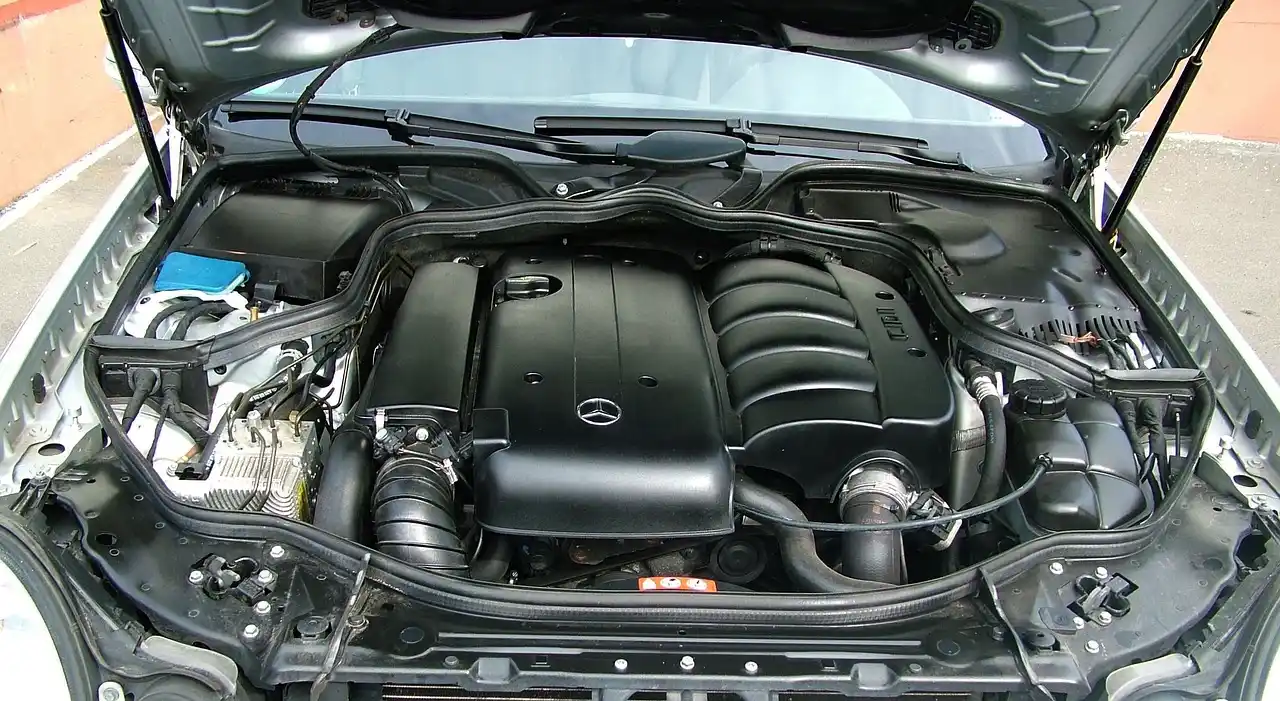


The gasket itself is usually cheap next to the labor needed to remove the manifold, clean the mating surfaces, and put everything back to spec. The bill climbs when the manifold is hard to reach, when heat-cycled fasteners fight removal, or when coolant routing and extra teardown come into play.
An intake manifold gasket and an exhaust manifold gasket do different jobs. The intake gasket seals the manifold-to-head joint on the intake side, and the exhaust gasket seals the manifold-to-head or manifold-to-pipe joint on the hot side. Exhaust gaskets take more heat damage than intake gaskets, and an exhaust gasket is more likely to need replacement than the intake gasket.
Some engines use a gasket in two or three pieces. Some water-heated intake manifolds need gasket sealant on each side, but that is not universal. Follow the service manual or dealer guidance before assuming sealant belongs in the job.
How much does the repair cost?
For a straightforward job, a manifold gasket repair often falls in the mid-hundreds. Intake work is usually cheaper when access is simple and the cooling system does not need much disturbance. Exhaust work often costs more because heat damage, stuck fasteners, heat shields, and awkward access add labor time.
Labor rate usually dominates the total repair cost. A shop that charges more per hour can move the total more than the gasket price itself, especially on jobs that already need several labor hours. Location matters, and engine layout does too.
Intake manifold gasket replacement cost
Intake manifold gasket replacement cost is often driven by coolant routing and access. On some engines, the intake manifold sits on one side of the engine and the exhaust on the other, and on V-engines the intake can sit deep in the valley. If the manifold is water-heated, a common rule of thumb is to drain the cooling system below the manifold level before removal and top it up after reassembly.
That extra coolant work changes both time and bill. Add leak checking after warm-up, and the job can run longer than the gasket price suggests. Sealant may be needed on some water-heated intake manifolds, but only where the service manual calls for it.
Exhaust manifold gasket replacement cost
Exhaust manifold gasket replacement cost is often higher because heat damage is more severe on the exhaust side. A blown exhaust gasket can show excessive exhaust noise, and white burn marks around the manifold flange can point to the leak. Fasteners also tend to be more corroded, so removal can take longer and carry more risk of broken hardware.
Before removing exhaust-manifold fasteners, penetrating oil should soak them for at least an hour, and overnight is better when the shop can wait. Reassembly usually calls for a torque wrench and service-manual tightening sequence, often from the center outward. (Howacarworks)
What adds to the labor bill?
Labor rises when the manifold is buried under other parts, when heat shields have to come off, or when the fasteners are rusted and need careful removal. The same gasket can cost very different amounts to install depending on the engine layout and the amount of teardown around it.
Engine layout and access
A transverse engine with a tight engine bay can add time because more parts block the manifold. A V-engine can add time if the intake manifold sits in the valley and needs wiring, hoses, or throttle components moved out of the way. Rear-bank exhaust manifolds are often slower still because access is limited.
Heat-shield removal
Heat shields often sit over exhaust manifolds to protect nearby components. If the shield has to come off, the shop adds labor for removal and refit, and damaged shield hardware can add more time. A rusted shield fastener can turn a simple gasket job into a longer teardown.
Stuck fasteners and broken hardware
Stuck manifold nuts and bolts are a common cost driver on exhaust jobs. Penetrating oil helps, but badly seized hardware can snap, requiring replacement studs, nuts, or bolts. Broken fasteners add both parts cost and labor because removal turns into extraction and cleanup.
Coolant drain and refill
If the intake manifold is water-heated, the cooling system is not optional on the cost sheet. Coolant needs to be drained below the manifold, then refilled and bled afterward. A warm-up leak check matters because a seep may appear only after pressure and temperature rise.
Say your V6 has a water-heated intake manifold and a leak that only shows up as a rough idle and a small coolant smell. The estimate should include coolant drain and refill, intake gasket replacement, and any sealant specified by the manual. If a quote leaves those items out, it may be incomplete.
Suppose an exhaust manifold on a 2.4-liter four-cylinder has a loud tick at startup and white marks at the flange. The bill may be driven less by the gasket and more by the time needed to soak, remove, and replace corroded fasteners and reinstall the heat shield correctly.
Manifold gasket repair cost table
| Job type | Gasket part cost range | Labor-hour range | Labor-rate sensitivity | Add-on costs to watch |
|---|---|---|---|---|
| Intake manifold gasket | $20 to $120 | 2 to 6 hours | Moderate to high; tight V-engine layouts can push the total up fast | Coolant drain and refill, sealant if specified, extra hoses or sensors moved for access |
| Exhaust manifold gasket | $10 to $60 | 1.5 to 5 hours | High; rusted hardware and heat shields make shop time matter more | Heat-shield removal, penetrating oil soak time, stuck fasteners, broken studs, clamp-gasket replacement if used |
What should a shop quote include?
A useful quote should list labor hours, the hourly rate, the gasket part, and any extra parts or fluids. It should also say whether sealant is needed, whether coolant service is included, and whether heat-shield or hardware charges are part of the estimate.
Ask the shop to separate the base repair from add-ons. That makes it easier to compare quotes line by line, especially when one estimate bundles coolant service or replacement hardware and another does not.
- Labor hours for the specific engine and manifold location.
- Labor rate quoted by hour.
- Gasket part price and any sealant listed for the job.
- Coolant drain, refill, and bleed if the intake manifold is water-heated.
- Heat-shield removal and reinstallation if the exhaust side is involved.
- Stuck fastener, stud, nut, bolt, or clamp-gasket charges if needed.
- Leak check after warm-up and torque verification to service-manual spec.
A common first-timer mistake is comparing only the manifold gasket part price and overlooking labor, coolant, and any extra seals that raise the final repair bill. Two quotes can differ by hundreds of dollars because one includes four labor hours, coolant service, and corroded hardware, while the other assumes an easier access path and no extra cleanup. Compare the work, not just the parts line.
Can you keep driving with a leaking manifold gasket?
You may be able to drive a short distance with a small exhaust leak, but it should not be treated as harmless. An exhaust leak can get louder over time, and a coolant leak from an intake manifold can lower the coolant level enough to raise overheating risk. If the engine is misfiring, overheating, or losing coolant, the risk climbs quickly.
Noise alone is one thing. Coolant loss is another. If the leak affects the cooling system, stop treating it as a nuisance repair and schedule it soon, because overheating can warp the manifold or head and turn a gasket job into a much larger repair.
Frequently asked questions
How much does a manifold gasket replacement cost?
Most manifold gasket replacement cost estimates are commonly reported to fall between about $250 and $1,200. Intake jobs are often lower when access is straightforward, while exhaust jobs rise when heat shields, corroded fasteners, or limited engine-bay access add labor hours. The gasket itself is usually not the expensive part.
How much does an intake manifold gasket replacement cost?
An intake manifold gasket replacement often costs less than an exhaust-side repair, but coolant routing can change that quickly. If the manifold is water-heated, the system must be drained below the manifold, refilled, and checked for leaks after warm-up. That coolant work is a real line item.
How much does it cost to fix a manifold gasket?
To fix a manifold gasket, expect the final bill to follow labor more than parts. Shops charge by the hour, and the time depends on engine layout, access, fastener condition, and whether the job is on the intake or exhaust side. Add-ons can move the total fast.
How long does it take to replace a manifold gasket?
Replacement time often runs a few hours, but the range depends on the engine and the side of the manifold. Intake jobs can be slowed by coolant drain and refill, while exhaust jobs can take longer if fasteners are rusted or the heat shield is difficult to remove.
What drives the labor cost for manifold gasket replacement?
Labor cost is driven by access, layout, and hardware condition. A buried intake manifold on a V-engine or a corroded exhaust manifold on a hot side can take much longer than a simple layout. Heat-shield removal, penetrating oil soak time, and broken fasteners also add time.
Is an exhaust manifold gasket cheaper to replace than an intake manifold gasket?
Not usually. The gasket part may be similar or lower, but exhaust work often costs more because heat damage is greater on the exhaust side, and the fasteners are more likely to be seized. Intake jobs can still cost more when coolant routing and access are difficult.
Do I need to replace the clamp gasket and manifold gasket together?
If the clamp gasket seals the same joint and the hardware is being disturbed, replacing both can prevent a repeat leak. The deciding factor is the exact joint design and service-manual guidance. A quote should say whether the clamp gasket is included or billed separately.