Proven Costs To Replace Exhaust Manifolds

Proven Costs To Replace Exhaust Manifolds

The proven cost to replace exhaust manifolds generally ranges from $300 to $1,500 for parts and labor combined, depending on your vehicle type, the quality of the manifold, and whether you use an independent shop or a dealership. Understanding these variables is key to budgeting for this common repair.

Is your car making loud ticking sounds, smelling like exhaust fumes, or running rough? Those are classic signs that your exhaust manifolds might be cracked or failing. Dealing with exhaust issues can feel scary, especially when thinking about repair bills. Many car owners wonder, “how much it cost to replace Exhaust Manifolds?” It is a fair question that needs a straight answer. Don’t worry; understanding the costs involved is simpler than you think.

We will break down every expense clearly. This guide will give you the confidence to tackle this repair, whether you hire a pro or decide to do some of the work yourself. Let’s look at what you can expect to pay.

Why Exhaust Manifold Replacement Costs Vary So Much

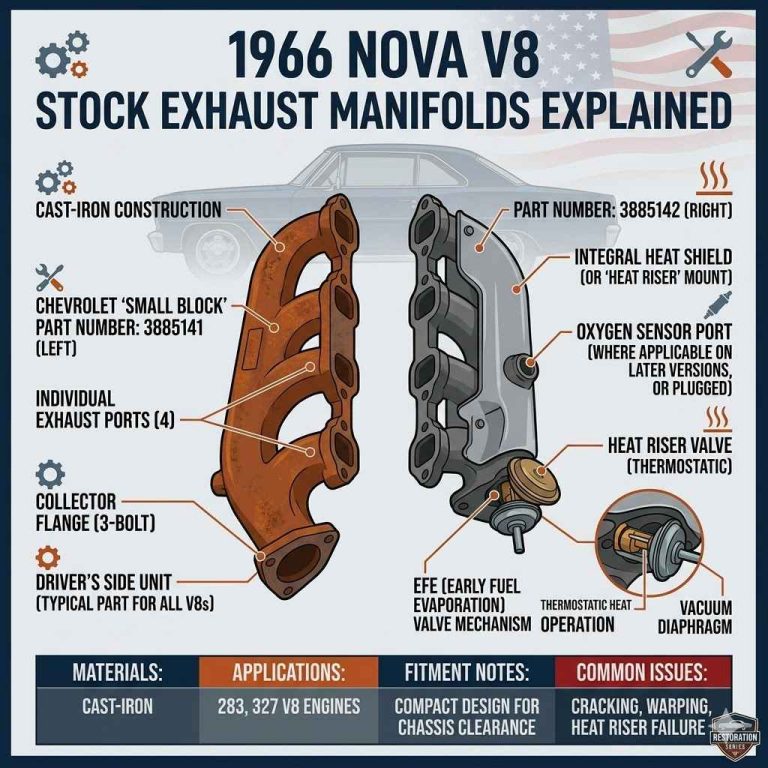
The exhaust manifold is a crucial piece connecting the engine cylinders to the rest of the exhaust system. Its main job is to collect hot exhaust gases and move them safely away from your engine. When these parts crack or warp (often due to extreme heat cycling), they need replacing. The final price tag isn’t one fixed number; it moves based on a few main factors.

Factor 1: Your Vehicle’s Make and Model

This is often the biggest cost driver. A simple 4-cylinder compact car will use a much smaller, less complex manifold than a large V8 truck or a European luxury vehicle. More complex engines often have manifolds integrated with other components, like catalytic converters, which drives up the price of the replacement part significantly.

  • Standard Cars (4 or 6 Cylinders): Generally have lower parts costs.
  • Performance/Luxury Cars: Often use specialized, higher-temperature materials, leading to higher part prices.
  • Trucks/SUVs: Might have heavier-duty manifolds, potentially increasing labor time due to tighter access.

Expand your knowledge about Exhaust Manifolds with this article. Proven Answers: Essential V6 Manifolds

Factor 2: Part Quality (OEM vs. Aftermarket)

When you buy a replacement part, you usually have two main choices:

  • OEM (Original Equipment Manufacturer): These are parts made by or for your car company. They fit perfectly and are designed for longevity but come at a premium price.
  • Aftermarket: These are made by third-party companies. Quality varies widely. A budget aftermarket part might save you money upfront but could fail sooner, potentially costing you more in repeat repairs down the line. Higher-quality aftermarket brands offer a good middle ground.

Factor 3: Labor Rates and Location

The shop you choose matters tremendously. Dealerships typically charge the highest hourly labor rates, often $150 to $250 per hour, while independent, trusted mechanics usually charge less, perhaps $80 to $140 per hour.

Location also plays a role. Shops in major metropolitan areas usually have higher overhead costs, which they pass on to the customer compared to shops in smaller towns.

Why Exhaust Manifold Replacement Costs Vary So Much

The Breakdown: Parts Cost vs. Labor Cost

To truly understand “how much it cost to replace Exhaust Manifolds,” we must separate the cost of the actual components from the cost of the skilled hands needed to install them.

Exhaust Manifold Part Costs

The manifold itself is just one piece. You may also need gaskets, new studs, and nuts, as the old ones are often rusted and impossible to reuse safely. Always budget for these associated hardware components.

Vehicle TypeEstimated Manifold Part Cost (Each Side)Notes
4-Cylinder Economy Car$80 – $200Often a simpler, single-piece design.
V6 Engine (Standard)$120 – $350Two separate manifolds required.
V8 Engine (Standard Truck/SUV)$175 – $450Can be heavy-duty cast iron.
Turbocharged or High-Performance$400 – $800+Often includes integrated components (like turbos).

Pro Tip: If your vehicle uses cast-iron manifolds, they tend to be heavier and more resistant to warping than cheaper stamped steel alternatives, which is why paying a little more for quality cast iron is often worth it.

Exhaust Manifold Labor Costs

This is where complexity hurts the wallet. Replacing a manifold is not always a quick bolt-off, bolt-on job, especially on modern cars where they are buried deep near the firewall or under complex engine covers. The main issue is often dealing with old, rusted, or broken bolts.

A simple, accessible manifold replacement might take 2 to 3 hours of labor time. However, if the mechanic has to spend hours drilling out broken manifold bolts—a common occurrence—the labor time can easily double or triple.

Labor Time Estimates:

  1. Easy Access (e.g., older truck): 2–4 hours.
  2. Average Access (Most modern V6/V8): 4–6 hours.
  3. Difficult Access (Some compact imports, tight engine bays): 6–10+ hours.

If the labor rate is $100/hour, a 4-hour job costs $400 in labor. A 10-hour job costs $1,000 just for turning the wrench!

Curious about Exhaust Manifolds? We've got more info in this linked article. Proven Essential Jeep WJ Manifolds

Total Replacement Cost Scenarios

Let’s put the parts and labor together to give you a real-world idea of what you might pay for a complete, professional replacement.

Vehicle Type & Repair DifficultyParts EstimateLabor Estimate (4-8 hrs)Total Estimated Cost Range
Easy 4-Cylinder Replacement$150$300 – $500$450 – $650
Average V6 Replacement (No Broken Bolts)$300$500 – $750$800 – $1,050
Difficult V8 Replacement (With Broken Bolts)$500$1,000 – $1,500$1,500 – $2,000+

These ranges reflect using quality aftermarket parts at a typical independent garage. Dealerships may add 20% to 40% on top of these estimates.

The DIY Approach: Saving Money on Exhaust Manifold Replacement

If you have some mechanical skill, replacing the manifold yourself can save significant money—mostly eliminating that high labor charge. This is a more advanced DIY job because of the heat-related corrosion that often traps bolts.

Tools You Will Likely Need

Do not attempt this job without the right equipment. Having the right tools prevents hours of frustration and potential damage to the engine head itself. You can find excellent guides on tool selection through resources like the Specialty Equipment Market Association (SEMA) website for general repair practices.
  • Metric and standard socket sets (deep and shallow).
  • Torque wrench (essential for proper reassembly).
  • Penetrating oil (like PB Blaster or Kroil) – use generously!
  • Breaker bar for leverage on stuck bolts.
  • Safety gear: heavy gloves, safety glasses.
  • Bolt extractor set or specialized left-hand drill bits (if bolts break).

Steps for the DIY Manifold Replacement

Follow these basic steps. Remember, always consult your vehicle-specific repair manual first!

  1. Safety First: Disconnect the negative battery terminal. Let the engine cool completely (this can take several hours if driven recently).
  2. Gain Access: Jack up the car safely using jack stands (never rely only on a jack) or remove necessary components like air boxes or wheel wells to reach the manifold bolts.
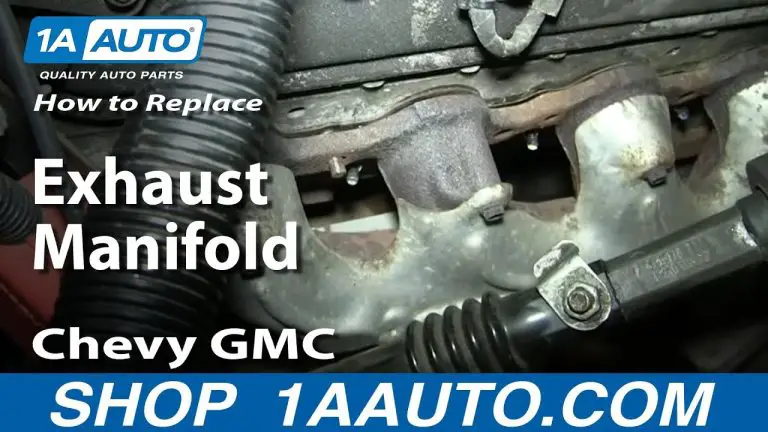
  3. Unbolt and Disconnect: Carefully unbolt the manifold from the engine head. Unplug any oxygen sensors attached to the manifold. You may also need to loosen the connection to the downpipe or catalytic converter.
  4. Remove the Old Manifold: Gently wiggle and pull the old manifold free. If it breaks apart, that’s fine, but be careful not to damage the engine head gasket surface.
  5. Clean the Surface: This is critical! Scrape off all traces of the old gasket material from the engine head using a plastic or brass scraper. A perfectly smooth surface is needed for the new gasket to seal.
  6. Install the New Manifold: Place the new gasket onto the mounting surface. Position the new manifold over the studs/holes.
  7. Torque Down: Install the new bolts/nuts and tighten them in the correct sequence (usually starting from the center and moving out) to the exact torque specification listed in your manual. Improper torque causes leaks or future cracks.
  8. Reconnect Everything: Plug in the oxygen sensors and reconnect the downpipe.
  9. Test Drive: Reconnect the battery. Start the car in a well-ventilated area and check carefully for any exhaust leaks before driving on the road.

Find out more about Exhaust Manifolds by exploring this related topic. Proven Cost: Essential Exhaust Manifold Repair

Hidden Costs and Potential Upsells

When you take your car to a professional shop for a manifold replacement, be prepared for potential extra costs that pop up once they start working. This is why estimates are often just starting points.

1. Broken Studs and Bolts

This is the most common “hidden cost.” Exhaust bolts are constantly subjected to extreme heat cycling, causing them to corrode and seize to the head. When a mechanic applies torque, these bolts frequently snap off flush with the engine head. Extracting these requires specialized tools and significant extra time.

  • Cost Impact: Extracting one broken bolt might add $75–$150 in labor per bolt. If several break, the bill rises quickly.

2. Oxygen Sensor Replacement

The oxygen sensors screw directly into the manifold. They are often old, covered in carbon, and difficult to remove without damaging them. If you force them out and they break, or if they trigger a “Check Engine Light” immediately after the repair because they are reading incorrectly, you must replace them.

Cost of an O2 Sensor: $50 to $250 per sensor, plus installation time.

3. Gasket Leaks

Sometimes, the leak isn’t the manifold itself but the manifold gasket failing beneath it. If the manifold is warped, replacing it might fix the immediate issue. However, if the manifold is fine but the gasket is leaking, you might be tempted by the mechanic to replace both parts simultaneously to ensure a permanent fix. While often good advice, it adds to the bill.

4. Catalytic Converter Stress

If your manifold has been cracked for a long time, the raw, unburned exhaust gas flowing into the catalytic converter can overheat and damage it. After replacing the manifold, if the converter fails shortly after, the repair cost skyrockets. A new converter can cost anywhere from $500 to over $2,500 depending on the vehicle.

Signs You Need to Replace Your Exhaust Manifold

Catching this problem early can sometimes mean cheaper fixes (like tightening hardware if that’s the issue) before a full manifold replacement becomes necessary. Knowing the symptoms is half the battle.

Explore more about Exhaust Manifolds with this related post. How Many Exhaust Manifolds Are On A 2006 Chrysler Pacific? Essential

Audible Symptoms (Sound)

The most common sign is a loud, rhythmic tapping or ticking noise that gets faster as the engine RPM increases. This is often called an “exhaust leak tick.” It is the sound of high-pressure exhaust gas escaping through the crack.

Performance and Smell Symptoms

  • Exhaust Smell Inside the Cabin: If you smell burning oil or strong exhaust fumes when idling or stopped, this is a major safety concern, as carbon monoxide could be entering the car. Always address this immediately.
  • Reduced Performance: A bad leak throws off the engine’s air/fuel mixture, leading to poor acceleration or reduced fuel economy.
  • Check Engine Light (CEL): Leaks often trigger the CEL because the downstream O2 sensor (after the catalyst) reads the mixture incorrectly, signaling a problem.

Comparing Shop Types: Where Should You Go?

Choosing where to get the work done directly influences the final price and the quality of the repair. Here is a quick comparison to help you decide.

Shop TypeProsConsTypical Cost Factor
DealershipGuaranteed OEM parts, factory-trained technicians, often handle complex warranty claims well.Highest labor rates, longest wait times, most expensive overall.High (1.5x – 2x Independent Shop)
Independent MechanicCompetitive hourly rates, often more flexible, good for older or standard vehicles.Varies widely in expertise; may not specialize in your specific make.Medium (The sweet spot for most)
Specialty Exhaust ShopDeep expertise in exhaust systems, good access to performance and high-quality replacement components.May be slightly pricier than general mechanics if they only use premium parts.Medium to High

For standard repairs on common vehicles, a reputable independent shop usually offers the best balance of price and quality. For European or highly complex vehicles, a specialist or dealership might provide greater peace of mind, despite the higher price.

Making the Cost Work for Your Budget

If the $1,000+ estimate hits your budget hard, here are a few practical ways to manage the expense without compromising safety.

1. Get Multiple Quotes

Always get at least three written estimates. Ask specifically what parts they plan to use (OEM or a specific aftermarket brand) and how they estimate dealing with seized bolts.

Looking for more insights on Exhaust Manifolds? You may find this post valuable. How Many Exhaust Manifolds Does A Car Have: Essential Guide

2. Consider Phased Repairs

If the leak is minor and only on one side, you might be able to replace just the leaking manifold now, saving money. However, mechanics often advise replacing both sides at once because the other manifold has endured the same heat cycles and is likely to fail soon after.

3. Discuss Bolt Extraction Charges Upfront

Ask the shop, “What is your flat rate for extracting a broken manifold bolt if it happens?” Knowing this maximum potential extra cost beforehand helps prevent sticker shock later.

Remember that postponing exhaust manifold repair is never a good idea. Leaks can worsen, potentially leading to engine overheating or hazardous carbon monoxide leaks inside your vehicle. Addressing it promptly is the safest approach.

Making the Cost Work for Your Budget

Frequently Asked Questions (FAQ) about Manifold Costs

Q1: Can I just patch a cracked exhaust manifold instead of replacing it?

A: Temporary fixes using exhaust patch kits or high-temperature epoxy are available, but they rarely last. The manifold experiences extreme heat and vibration. For a reliable, long-term fix, replacement is always the recommended route to ensure safety and performance.

Q2: How long should a new exhaust manifold last?

A: A quality replacement manifold, especially a thick cast-iron piece installed correctly with new gaskets, should easily last the remaining life of the vehicle—often 100,000 miles or more. The longevity depends heavily on the quality of the replacement part you choose.

Q3: Why is my Check Engine Light on after replacing the manifold?

A: This usually means the oxygen sensor near the manifold failed or was damaged during the removal process, or the old sensor is now reporting incorrect readings because the exhaust leak is gone. The fix is usually replacing the affected O2 sensor.

Q4: Is it harder to replace a manifold on a front-wheel-drive (FWD) car than a rear-wheel-drive (RWD) car?

A: Often, yes. In many FWD cars, the engine sits sideways, tucking one manifold very close to the firewall, making access incredibly tight and increasing labor time. RWD cars sometimes offer better underneath access.

Q5: If the manifold cracks, will it hurt my engine’s long-term health?

A: A small leak might not cause immediate catastrophic failure, but it throws off the engine’s computer readings, causing it to run too rich or too lean, which wears out spark plugs and can potentially harm the catalytic converter over time. Addressing the leak protects your engine components.

Q6: How important is using a torque wrench when installing the new manifold?

A: It is extremely important. Tightening the bolts unevenly or too loosely causes an immediate leak. Tightening them too tightly warps the new manifold or breaks the new bolts/studs, leading to another failure very soon. Always follow the manufacturer’s precise torque specifications.

Conclusion: Taking Control of Your Exhaust Repair Budget

Understanding “how much it cost to replace Exhaust Manifolds” requires looking beyond a single price tag. It’s a puzzle made up of parts cost, labor hours, and the dreaded “broken bolt factor.” For most everyday drivers, budgeting between $700 and $1,200 should cover an average repair at a trusted independent shop using good quality parts.

If you decide to hire a professional, remember that getting three quotes and asking specifically about their process for seized bolts will save you stress. If you choose the DIY route, invest in quality tools and be prepared for patience, especially when dealing with rusty hardware.

No matter which path you choose, getting that ticking noise fixed restores your vehicle’s performance, safety, and peace of mind. You now have the knowledge to budget confidently and ensure this essential repair is done right the first time.

Similar Posts