Do You Need Heat Shields on Harley Pipes Explained
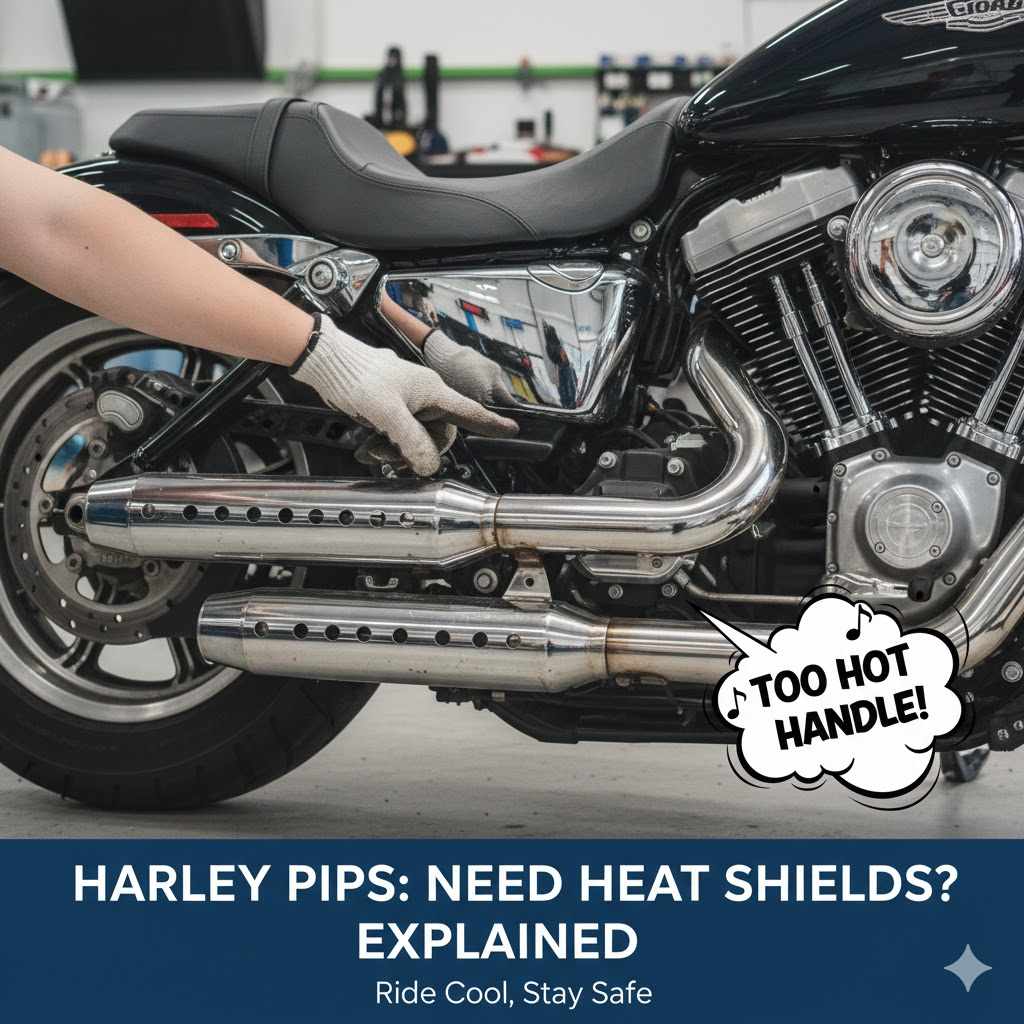
Many Harley riders wonder if they really need heat shields on their exhaust pipes. It’s a common question, especially for those new to customizing their bikes. You see them on many Harleys, but what’s their real purpose?

Haosie
Haosie Exhaust Heat Shield, Motorcycle Metal Cover…
- Good Insulation Effect: This exhaust heat shield has a good insulation effect, which can protect the normal operation of the exhau…
- Universal Motorcycle Exhaust Heat Shield: The size of motorcycle exhaust insulation board is suitable for most motorcycles/motorcy…
- Durable Structure: The universal motorcycle exhaust heat shield adopts a metal steel solid structure body, which has a long servic…
As an Amazon Associate I earn from qualifying purchases.
This guide makes it super simple to figure out. We will break down exactly why you might want them and what they do. Get ready for clear answers to all your questions.
What Are Harley Exhaust Heat Shields
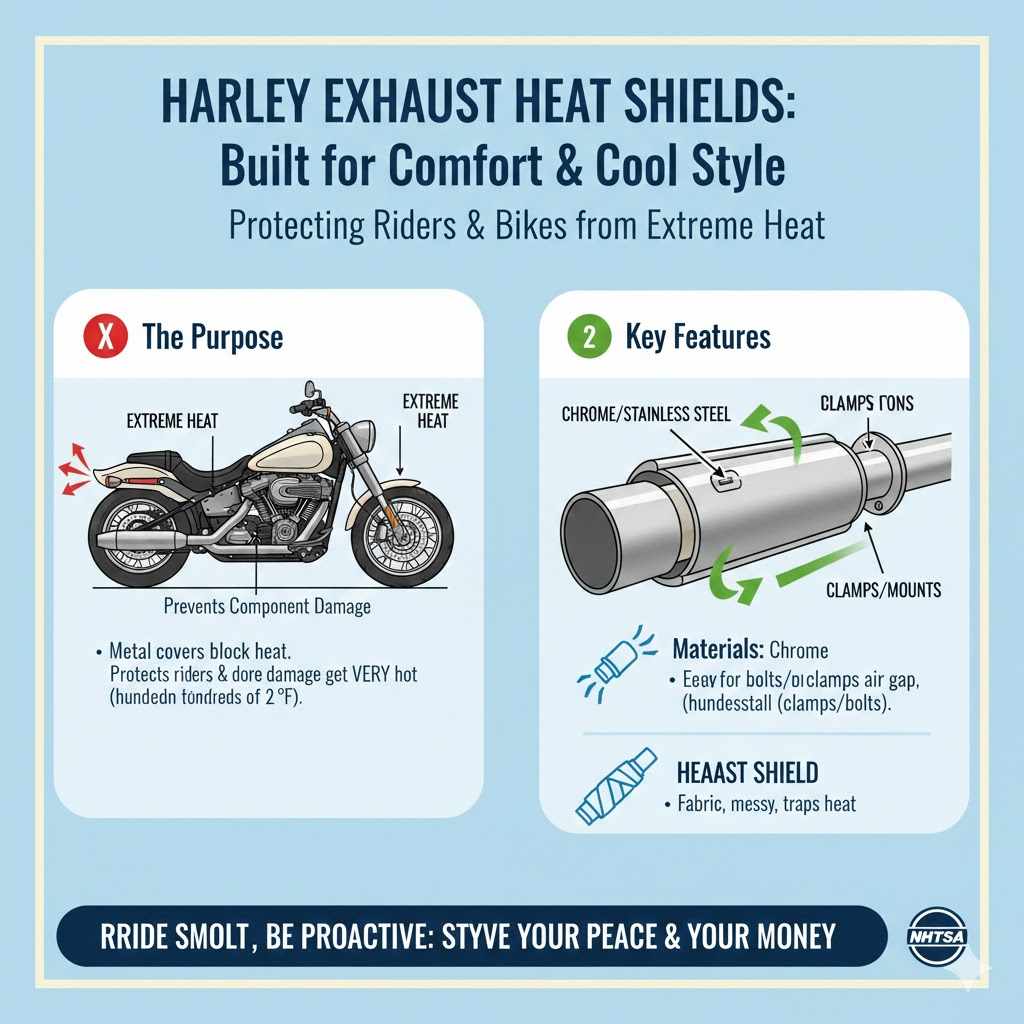
Heat shields for Harley-Davidson exhaust pipes are metal covers designed to block heat. They are usually made from materials like chrome-plated steel, polished stainless steel, or even ceramic-coated metals. Their primary job is to protect riders and the motorcycle itself from the extreme temperatures generated by the exhaust system.
These shields attach directly to the exhaust pipes, often using clamps or integrated mounting points.
Understanding their function involves looking at the very hot nature of exhaust gases. When your Harley’s engine combusts fuel, it produces very hot gases that travel through the exhaust system. These pipes can reach temperatures of several hundred degrees Fahrenheit.
Without any barrier, this heat can be quite problematic, leading to discomfort for the rider and potential damage to nearby components.
The Role of Heat Shields in Motorcycle Design
Heat shields play a vital role in motorcycle design, particularly on air-cooled engines like those found in many Harley-Davidsons. They are not just for looks; they serve practical safety and comfort purposes. Their placement is strategic, typically covering the parts of the exhaust pipes closest to the rider’s legs, feet, or any sensitive motorcycle parts.
The design of heat shields varies greatly depending on the specific Harley model and the aftermarket exhaust system installed. Some are full-length, covering almost the entire pipe, while others are partial, covering only specific hot zones. The shape and contour of the shields are often designed to match the curves of the exhaust pipes, creating a streamlined appearance.
Materials Used in Heat Shield Construction
The materials chosen for heat shields are critical for their effectiveness and durability. Chrome-plated steel is very popular because it offers a bright, shiny finish that complements the classic Harley look. This plating also adds a layer of corrosion resistance.
Stainless steel is another common choice. It is highly durable, resists rust and corrosion exceptionally well, and can withstand very high temperatures without deforming. Polished stainless steel offers a bright look similar to chrome but is often considered more robust for long-term use in harsh conditions.
Ceramic coating is a more advanced option. It can be applied to metal heat shields and offers superior heat insulation properties. Ceramic coatings can significantly reduce the surface temperature of the shield itself, providing even better protection.
They often come in black or other dark colors, offering a different aesthetic.
How Heat Shields Differ from Exhaust Wraps
It’s important to distinguish heat shields from exhaust wraps, as they serve similar but distinct purposes. Exhaust wraps are typically made of fiberglass or other heat-resistant fabric and are wrapped directly around the exhaust pipe. They are primarily used to contain heat within the pipe, which can help improve exhaust scavenging (the process of clearing exhaust gases from the cylinder) and can also reduce heat radiating outwards.
Heat shields, on the other hand, are rigid components that create a physical barrier between the hot pipe and the rider or other parts. They are usually bolted or clamped on and are designed for easier installation and removal than wraps. While wraps can be messy to install and may degrade over time, heat shields are a more permanent and often more aesthetically pleasing solution for heat management.
Why Heat Shields Are Important For Harley Riders
For many Harley-Davidson riders, especially those who spend a lot of time in the saddle or ride in warm weather, heat shields are not just an accessory but a necessity for comfort and safety. The heat generated by the exhaust system can be intense, and without protection, it can lead to a less enjoyable riding experience and potential harm.
Riders often experience discomfort from the heat radiating from the exhaust pipes, especially in stop-and-go traffic or when their legs are close to the pipes. This can lead to a burning sensation, making it difficult to ride for extended periods. Heat shields provide a crucial buffer, deflecting this heat away from the rider.
Protecting Your Legs and Body from Burns
One of the most direct benefits of heat shields is the protection they offer your legs and other body parts from direct burns. On many Harley models, especially cruisers, the exhaust pipes are positioned very close to the rider’s legs and feet. Without shields, brushing against a hot pipe can cause immediate and painful burns.
Even without direct contact, the radiant heat can make riding uncomfortable. Think about riding in summer; the heat from the engine and exhaust can turn your legs into ovens. Heat shields act like an umbrella, blocking this intense thermal radiation and making your ride significantly more pleasant.
This is particularly important for shorter riders or those with a different leg-to-bike proportion.
Shielding Motorcycle Components from Heat Damage
Beyond rider comfort, heat shields also protect various motorcycle components from the damaging effects of extreme heat. The exhaust system generates a tremendous amount of heat, and if this heat is not managed, it can affect nearby parts, including electrical wiring, plastic components, and even the paint on the frame or bodywork.
For example, plastic fairings or saddlebags can warp or discolor if they are too close to a hot exhaust pipe. Electrical wires can become brittle or their insulation can melt, leading to shorts or malfunctions. Heat shields create a barrier that prevents this excessive heat from reaching these vulnerable parts, extending their lifespan and maintaining the bike’s integrity.
Improving the Riding Experience
Ultimately, the installation of heat shields significantly improves the overall riding experience. By mitigating discomfort and protecting the bike, they allow riders to focus on enjoying the ride, whether it’s a short commute or a long cross-country trip. This increased comfort can lead to longer rides and more frequent use of the motorcycle.
For those who have ridden without heat shields, the difference can be dramatic. The constant awareness of not touching a searing hot pipe is removed. The intense leg-cooking effect in traffic jams is reduced.
This allows for a more relaxed and confident riding posture, enhancing the freedom and pleasure that riding a Harley is meant to provide.
Do You Need Heat Shields on Harley Pipes Explained Factors to Consider
Deciding if you need heat shields on your Harley pipes involves a few key considerations. It’s not a one-size-fits-all answer, as your riding habits, the type of pipes you have, and even the climate you ride in can influence the decision. Let’s break down the main factors to help you make the right choice for your bike and your comfort.
The primary driver for needing heat shields is the proximity of the exhaust pipes to your body and other sensitive parts of your motorcycle. If your pipes are close enough to cause discomfort or potential damage, then shields are a wise investment. This is often dictated by the stock exhaust system design or the aftermarket pipes you’ve chosen.
Aftermarket Exhaust Systems and Heat Management
Many riders upgrade their exhaust systems to achieve a particular sound or look. However, aftermarket pipes, especially those that are shorter, straighter, or have a larger diameter, can sometimes generate and radiate more heat. Some high-performance pipes might also have thinner walls, leading to quicker heat transfer.
When choosing an aftermarket exhaust, it’s essential to research its heat characteristics. Some manufacturers integrate heat shields into their designs, while others rely on the rider to add them. If your new pipes leave areas exposed that were previously covered, or if they are known to run hotter, then adding heat shields becomes more important.
A common aftermarket scenario involves installing shorty pipes. These often eliminate the factory heat shields that ran the length of the original mufflers. While they look sleek, the exposed header pipes and mufflers can become extremely hot, directly exposing the rider’s legs and feet to significant heat.
Riding Conditions and Climate
The conditions under which you ride your Harley play a significant role in determining your need for heat shields. If you live in a hot climate or frequently ride during the summer months, the ambient temperature combined with the engine heat can be overwhelming.
Riding in stop-and-go traffic is another situation where heat management is crucial. When your motorcycle is stationary or moving at low speeds, airflow over the engine and exhaust is minimal. This allows heat to build up and radiate outwards more intensely.
For riders who commute in urban environments or frequently encounter traffic jams, heat shields can make a world of difference.
Conversely, if you primarily ride in cooler climates, at higher speeds with constant airflow, or only for short durations, the need for extensive heat shielding might be less pressing. However, even in cooler weather, direct contact with a hot pipe can still cause a burn.
Rider Comfort and Sensitivity
Personal comfort levels vary greatly from rider to rider. Some individuals are more sensitive to heat than others. If you’ve experienced discomfort from your exhaust pipes in the past, or if you’re concerned about it, then investing in heat shields is a sensible preventative measure.
Consider how you typically position your legs while riding. Some riders keep their legs closer to the engine and exhaust for better control or stability. If this is your riding style, then heat shields become a higher priority.
The goal is to make every ride as comfortable and safe as possible, and heat shields contribute significantly to this.
A common scenario is a rider who has recently purchased a used Harley and is unsure of its history or modifications. They might not know if previous owners installed heat shields or if the pipes have been altered. In such cases, a proactive approach to assessing heat shield needs is advisable.
Aesthetic Considerations Versus Functionality
While functionality is the primary driver for heat shields, their aesthetic impact is also a factor for many riders. Heat shields are available in various styles and finishes, such as chrome, polished stainless steel, black, and even custom designs. They can complement the overall look of the motorcycle.
Some riders might worry that heat shields will detract from the aggressive or custom look of their exhaust pipes. However, many modern heat shields are designed to integrate seamlessly with aftermarket pipes, enhancing their appearance rather than detracting from it. The key is to choose shields that match your bike’s style.
It’s a balance between making the bike look good and ensuring it’s comfortable and safe to ride. For many, the functional benefits of heat shields far outweigh any perceived aesthetic drawbacks, especially when well-designed shields are chosen. They can also prevent unsightly discoloration or damage to the pipes themselves from excessive heat.
Types of Heat Shields Available for Harleys
Once you’ve decided that heat shields are a good idea for your Harley, you’ll find a variety of options available. These range from simple clamp-on solutions to more integrated designs. Understanding the different types will help you choose what best suits your pipes and your budget.
The market offers solutions for virtually every Harley-Davidson exhaust system. Whether you have stock pipes or a popular aftermarket brand, there’s likely a heat shield designed to fit. The material and mounting style are the main differentiating factors.
Full Length Heat Shields
Full-length heat shields are designed to cover the majority of the exhaust pipe, from near the cylinder head to the end of the muffler. These offer the most comprehensive protection against radiant heat and accidental contact.
They are often a direct replacement for original factory heat shields that might have been removed or damaged. Many aftermarket full-length shields are designed to follow the contour of common exhaust pipe shapes, maintaining a clean look. Installation usually involves clamps or bolts that secure the shield around the pipe.
For example, on a Harley-Davidson Softail with a 2-into-1 exhaust system, a full-length heat shield would typically cover the entire header pipe and the muffler section. This ensures maximum protection for the rider’s right leg, which is often in close proximity to the exhaust in this configuration.
Partial or Sectional Heat Shields
Partial or sectional heat shields cover only specific sections of the exhaust pipe that are known to get the hottest or are most likely to be contacted by the rider. These are often a good choice if full-length shields are not available for your specific exhaust, or if you prefer a more minimalist look.
These shields are typically shorter and might cover just the area around the leg or the part of the pipe closest to the frame. They can be a more budget-friendly option and easier to install. Clamp-on designs are very common for these types of shields.
Consider a Harley-Davidson Sportster with aftermarket pipes that are shorter than stock. A partial heat shield might be ideal to protect the rider’s calf from the hottest part of the pipe, without adding bulk to the entire system. This allows the custom look of the pipes to remain visible.
Header Pipe Heat Shields
Header pipe heat shields are specifically designed to cover the exhaust pipes that connect from the engine cylinders to the mufflers. These pipes get extremely hot and are often in close proximity to the rider’s feet and legs, especially on V-twin engines.
These shields can be crucial for preventing burns on the rider’s ankles or the sides of their boots. They are often made from durable materials and can be found in various styles, from sleek chrome covers to more rugged black finishes.
For instance, on a Harley-Davidson Touring model like a Road King, the front and rear header pipes can be quite hot. Installing dedicated header pipe heat shields can provide critical protection for the rider’s feet and lower legs, especially during slow riding or when stopped.
Muffler Heat Shields
Muffler heat shields are designed to protect the outer surface of the mufflers from excessive heat and to prevent that heat from radiating directly onto the rider. Mufflers are a significant source of heat due to the passage of hot exhaust gases through them.
These shields are shaped to fit the contours of various muffler designs, whether they are the classic straight-through style or more tapered versions. They can also help to prevent discoloration or damage to the muffler finish from prolonged exposure to high temperatures.
Imagine a Harley-Davidson Dyna with custom, larger-diameter mufflers. These mufflers can get very hot, posing a burn risk. Installing muffler heat shields, perhaps in a contrasting finish to the mufflers themselves, can add a layer of safety and style.
This is particularly useful if the mufflers lack integrated heat protection.
Installation and Maintenance of Heat Shields
Installing heat shields on your Harley-Davidson pipes is usually a straightforward process that most riders can handle themselves. The maintenance is also generally minimal, making them a practical addition to your bike. Proper installation ensures they stay in place and function effectively.
The methods for attaching heat shields vary depending on the type and manufacturer. Some simply clamp around the existing pipe, while others might bolt directly to specific mounting points. Always refer to the manufacturer’s instructions for the best results.
Cleanliness is key for a good fit and finish.
DIY Installation Steps
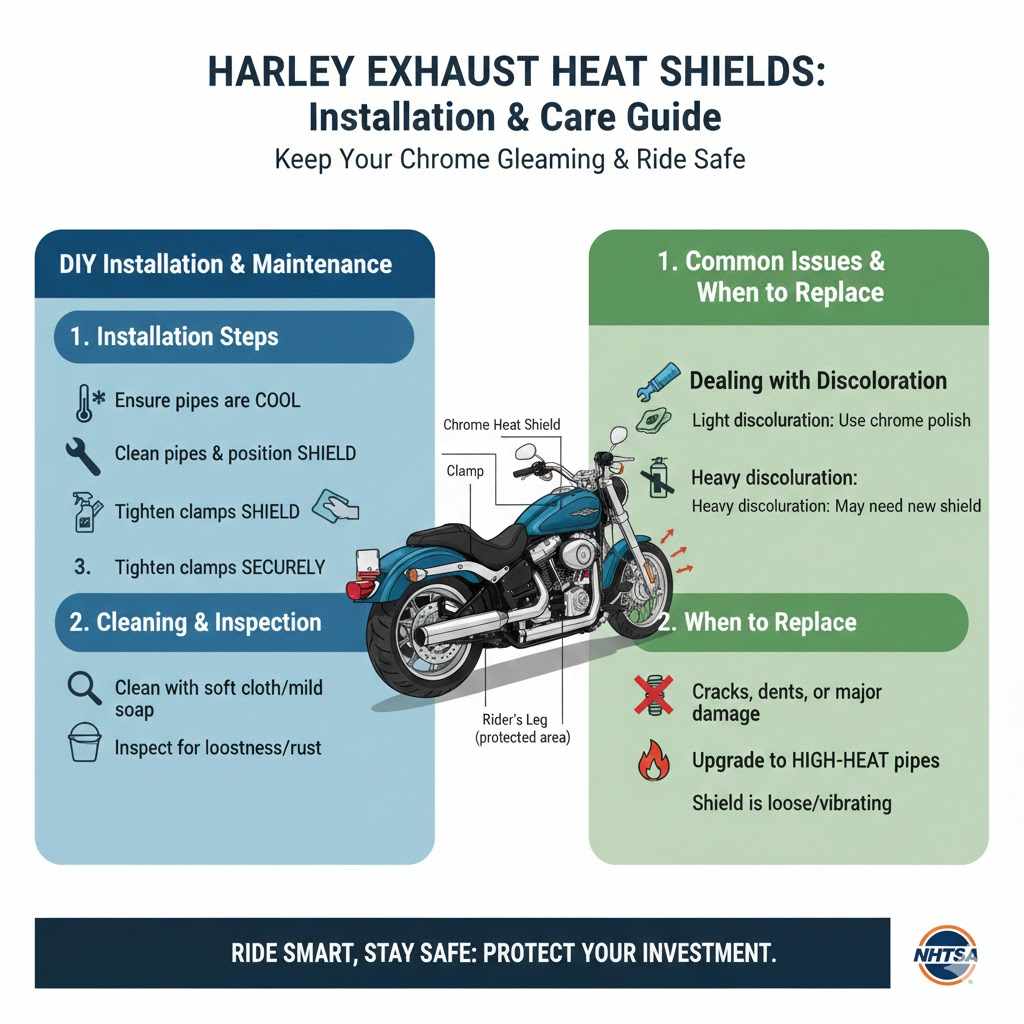
For most clamp-on heat shields, the installation process involves a few simple steps:
- Ensure the exhaust pipes are cool to the touch. Never work on hot pipes.
- Clean the area of the exhaust pipe where the heat shield will be installed. Remove any dirt, grease, or old residue.
- Position the heat shield around the exhaust pipe. For clamp-on styles, ensure the clamps are positioned correctly.
- Tighten the clamps or bolts securely, but avoid overtightening, which could damage the pipes or the shield. Check that the shield is snug and does not move.
- For shields that require mounting brackets, follow the specific instructions provided with the kit. This might involve bolting brackets to existing engine or frame mounts.
It’s important to ensure the heat shield is positioned so it doesn’t interfere with any other parts of the motorcycle or the rider’s feet. A common mistake is not leaving enough clearance, which can lead to rattling or damage.
Regular Cleaning and Inspection
Heat shields require minimal maintenance, but regular cleaning and inspection are beneficial. After rides, especially in dusty or wet conditions, it’s a good idea to wipe down your heat shields to keep them looking their best and to prevent buildup of corrosive materials.
Use a soft cloth and a mild cleaning solution suitable for chrome or stainless steel. Avoid abrasive cleaners that could scratch the finish. Inspect the shields periodically for any signs of damage, looseness, or corrosion.
A quick visual check before or after a ride can catch issues early. For instance, if a clamp starts to loosen, tightening it immediately can prevent the shield from vibrating or falling off. Similarly, if you notice any pitting or rust on chrome shields, addressing it promptly can prevent further damage.
Dealing with Discoloration
Over time, even the best heat shields can sometimes develop a blue or rainbow discoloration. This is often due to extreme heat and can be more noticeable on chrome. While it’s primarily an aesthetic issue, it means the shield is working hard.
For chrome shields, specialized chrome polishes can often help to remove light discoloration. For more stubborn discoloration, or on stainless steel, a gentle abrasive polish might be needed. However, it’s important to remember that some discoloration is a sign of the shield doing its job of absorbing and dissipating heat.
If you’re experiencing significant discoloration on brand-new shields, it might indicate that they are either not designed for the heat output of your pipes or that the pipes are running unusually hot. In such cases, a more robust heat shield solution or an investigation into the engine’s tuning might be warranted.
When to Consider Replacing Heat Shields
Heat shields are generally quite durable, but they can sustain damage. If you notice cracks, significant dents, or if the mounting hardware is corroded and cannot be secured, it’s time to consider replacing them. Loose shields are a safety hazard and can cause damage to your exhaust pipes.
Also, if you’ve upgraded your exhaust system to something that generates significantly more heat, your current heat shields might not be adequate anymore. You might need to look for shields made from higher-grade materials or those offering more coverage.
A practical scenario is a rider who has experienced a minor tip-over. While the motorcycle may have sustained minimal damage, the heat shields could be bent or cracked. Replacing them not only restores the bike’s appearance but also ensures continued protection.
Frequently Asked Questions
Question: Do I need heat shields if I have ceramic-coated pipes
Answer: Ceramic coating on pipes helps reduce heat radiation, but it doesn’t eliminate it entirely. Depending on the coating quality, pipe design, and your riding conditions, you might still benefit from heat shields, especially for direct contact protection.
Question: Can heat shields improve my bike’s performance
Answer: Heat shields primarily focus on rider comfort and component protection. While some argue that containing heat within the exhaust can slightly improve scavenging, the performance gains are typically minimal and not their main purpose.
Question: How much do heat shields typically cost
Answer: The cost of heat shields varies. Simple clamp-on shields can range from $30 to $100, while full-length or custom-designed sets can cost $200 or more.
Question: Will heat shields make my exhaust sound different
Answer: Generally, heat shields do not significantly alter the sound of your exhaust. They are external covers and don’t change the internal baffling or flow characteristics of the muffler.
Question: Are there any downsides to installing heat shields
Answer: The main potential downsides are added weight, cost, and the possibility of altering the bike’s aesthetics if not chosen carefully. Improper installation can also lead to rattling or damage.
Summary
Deciding if you need heat shields on your Harley pipes comes down to comfort and protection. They are essential for preventing burns on your legs and safeguarding your motorcycle’s components from heat damage. Factors like aftermarket pipes, riding conditions, and personal sensitivity play a key role.
Various types, from full-length to header-specific shields, are available. Installation is usually simple, and maintenance is minimal. By addressing heat effectively, you ensure a safer and more enjoyable ride.
Related pick: Check today's price on Amazon