Do After Cats Mid Pipes Sound Different: Ultimate Exhaust Guide
Have you ever wondered if after cats mid pipes sound different? If you’re looking to upgrade your car’s exhaust, this question is probably on your mind.
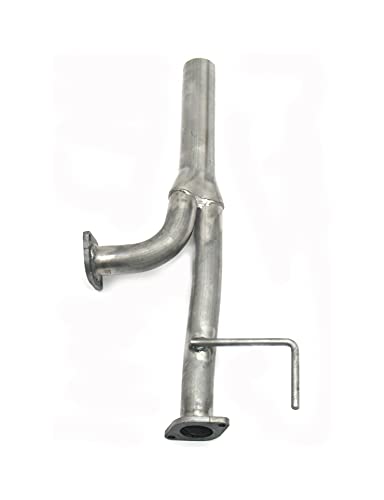
JBA
JBA 2011SY 2-1/4" Stainless Steel Exhaust Mid-Pipe…
- O2 sensor provisions
- Factory style hangers
- Mandrel bent tube
As an Amazon Associate I earn from qualifying purchases.
The sound your car makes can change everything—from how it feels to drive, to the attention it grabs on the road. Understanding how after cats mid pipes affect your vehicle’s sound helps you make the right choice. Keep reading, and you’ll discover exactly what to expect from these parts and how they can transform your driving experience.
Cat-back Vs. Mid-pipe Systems
Cat-back and mid-pipe systems are popular choices for car exhaust upgrades. Both affect how your car sounds and performs. Understanding their differences helps you choose the right option for your needs.
Each system changes the exhaust flow and sound in unique ways. Knowing these changes can improve your driving experience.
Key Differences
Cat-back systems start after the catalytic converter. They include the pipe, muffler, and tip. Mid-pipe systems replace the section just after the catalytic converter. They often include resonators or mufflers.
Cat-back upgrades affect a larger part of the exhaust. Mid-pipe upgrades focus on the middle section only. The choice depends on desired sound and budget.
Impact On Exhaust Flow
Cat-back systems improve exhaust flow by reducing restrictions after the cat. This can increase power and create a louder, deeper sound. Mid-pipe systems mainly smooth the flow through the middle pipe. They can reduce drone and change tone but may not boost power much.
Both systems can make your car sound different. Cat-back changes are usually more noticeable. Mid-pipe changes are subtle but refine the sound quality.
How Mid Pipes Affect Exhaust Sound
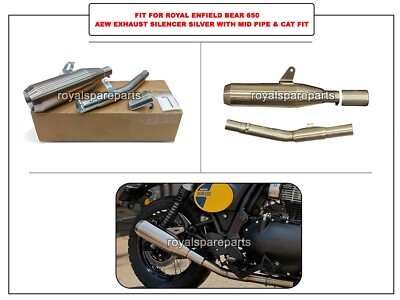
The mid pipe is a key part of your car’s exhaust system. It connects the headers or downpipes to the rest of the exhaust. This section helps shape how your car sounds. Removing or changing the mid pipe can change the exhaust note. It affects both the tone and loudness of the sound your car makes. Understanding how mid pipes influence exhaust sound helps explain why some cars sound different after modifications.
Role Of Catalytic Converters
Catalytic converters sit inside the mid pipe on many cars. Their job is to clean the exhaust gases. They reduce harmful emissions before gases leave the tailpipe. Catalytic converters also affect sound by restricting airflow. This restriction can soften the exhaust note. Removing the catalytic converter or using a mid pipe without one makes the exhaust louder and sharper. The sound becomes more raw and aggressive. Some mid pipes keep the catalytic converter, keeping a quieter sound.
Effect On Tone And Volume
Mid pipes change how exhaust gases flow through the system. A straight, less restrictive mid pipe lets gases flow faster. This increases the volume and makes the sound deeper. A restrictive mid pipe slows gases, softening the sound. The shape and diameter of the mid pipe also affect tone. Larger pipes tend to produce a throatier, more aggressive sound. Smaller pipes create a higher-pitched tone. The design of the mid pipe plays a big role in how your car sounds overall.
Types Of Mid Pipes
Mid pipes play a key role in a car’s exhaust system. They connect the downpipe to the rear exhaust. Different mid pipes change the sound and performance of the car. Understanding the types helps you choose the right one for your needs.
High-flow Cats
High-flow cats replace the factory catalytic converters. They allow more exhaust gases to pass through. This reduces backpressure and improves engine breathing. The sound becomes louder and deeper but stays street legal. These cats help balance power and noise.
Test Pipes
Test pipes remove the catalytic converters completely. They create a straight path for exhaust gases. This results in a louder and more aggressive sound. Test pipes are popular in racing and off-road cars. They are not legal for street use in most areas.
Resonated Vs. Non-resonated
Resonated mid pipes have built-in chambers to reduce noise. They smooth out harsh exhaust sounds. Cars with resonated pipes sound quieter and more refined. Non-resonated mid pipes do not have these chambers. They produce a louder, rawer exhaust note. The choice depends on sound preference and noise limits.
Material Choices And Sound Quality
Material choice plays a big role in the sound of catless mid pipes. The type of metal and its thickness shape the tone and volume. Sound changes come from how the material handles vibrations and heat. Picking the right material affects both performance and the sound you hear.
Stainless Steel Vs. Aluminum
Stainless steel is heavy but strong. It holds heat well, helping exhaust gases flow smoothly. This metal produces a deeper, richer sound that many drivers like. It resists rust, so it lasts long even in wet weather.
Aluminum is light and cools down fast. It gives a sharper and louder tone. But aluminum can wear out quicker under heat stress. It is less common for mid pipes but suits those who want a crisp sound.
Pipe Diameter And Thickness
The size of the pipe changes sound and power. Larger diameters let gases flow faster, making the exhaust note louder and more open. Smaller pipes create a tighter, quieter sound.
Thicker pipes reduce vibrations and noise. Thin pipes vibrate more, giving a higher-pitched sound. Thickness also affects durability. Thicker pipes last longer but add weight.
Installation Considerations
Installing after cats mid pipes requires careful thought. These parts affect your car’s sound and performance. Choosing the right piece means checking a few important details. The fit and legal rules matter a lot. Knowing these details helps avoid problems later.
Compatibility With Vehicle Models
Not all after cats mid pipes fit every car. Each vehicle has a unique exhaust design. Check the pipe size and shape before buying. Some pipes need extra parts to fit correctly. A wrong fit can cause leaks or poor sound. Confirm your car model matches the pipe specifications. This step saves time and money.
Legal And Emissions Impact
After cats mid pipes may affect emissions rules. Some areas have strict laws about car exhausts. Removing or changing parts can lead to fines. These pipes can change pollution levels your car produces. Check local rules before installation. Using approved parts keeps your car legal and safe.
Comparing Sound Before And After Mid Pipe Upgrades
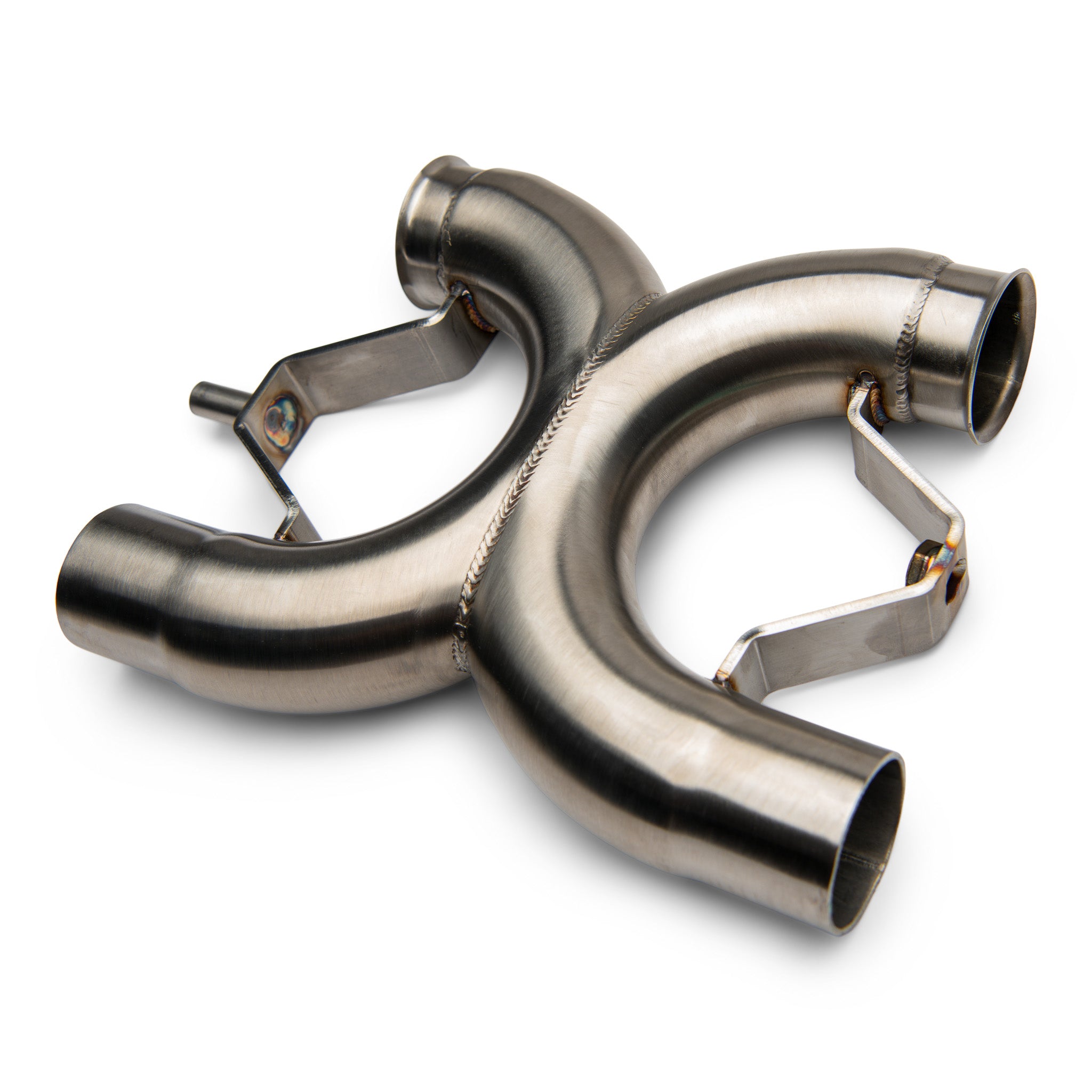
Upgrading mid pipes after the catalytic converters changes the exhaust sound noticeably. This section compares the sound before and after these upgrades. Understanding these changes helps car owners decide if the upgrade fits their needs.
The difference comes from how the exhaust gases flow. After mid pipe upgrades, the sound often becomes louder and deeper. The car may also feel more responsive to the driver.
Common Sound Changes
After mid pipe upgrades, the exhaust tone usually gets deeper. Some cars sound more aggressive but not too loud. The sound is smoother and less restricted. You might hear a slight rasp or rumble at higher speeds. At idle, the noise is often richer and fuller.
The volume can increase but stays within legal limits. The exhaust note can become more unique, showing the car’s character. Some drivers notice less drone inside the cabin during long drives.
User Experience And Feedback
Many users report a better driving experience after mid pipe upgrades. They say the car feels more alive and fun to drive. The sound adds excitement without being annoying. Some mention improved throttle response and engine breathability.
Others appreciate the balance between sound and comfort. They enjoy the louder exhaust but do not find it tiring. A few warn of possible increased cabin noise at high speeds. Overall, the feedback is positive and highlights sound improvement.
Tips For Choosing The Right Mid Pipe
Choosing the right mid pipe affects your car’s sound and performance. A good mid pipe balances loudness and smooth driving. Consider your needs before picking one. Think about the engine type and your sound preference. Also, check how it fits your budget.
Balancing Performance And Sound
The mid pipe changes how your car breathes and sounds. A wider pipe can boost power but may sound louder. A smaller pipe keeps quiet but might limit performance. Choose a mid pipe that matches your driving style. Some pipes add a deep tone without much noise. Others make the engine roar louder. Find the balance that suits you best.
Budget-friendly Options
Mid pipes come in many price ranges. Stainless steel pipes last longer but cost more. Aluminized pipes save money but may rust faster. Look for brands with good reviews and fair prices. Some pipes offer good sound and performance without high costs. Avoid the cheapest options that wear out fast. Spend a bit more for better quality and peace of mind.

Frequently Asked Questions
Do After Cats Mid Pipes Sound Different From Stock?
Yes, after cats mid pipes typically produce a deeper and louder exhaust note than stock pipes. This change results from improved exhaust flow and less restrictive catalytic converters, enhancing the engine’s sound and performance.
How Do After Cats Mid Pipes Affect Exhaust Noise?
After cats mid pipes reduce exhaust restriction, allowing more sound to pass through. This causes a more aggressive and pronounced exhaust tone, often preferred by car enthusiasts for a sportier sound.
Will After Cats Mid Pipes Increase Exhaust Drone?
They can increase exhaust drone, especially at steady highway speeds. However, quality mid pipes with proper design minimize drone while still enhancing sound and performance.
Are After Cats Mid Pipes Legal For Street Use?
Legality varies by location due to emissions laws. Some areas require catalytic converters to meet emissions standards, so after cats mid pipes might not be street-legal everywhere.
Conclusion
After cats mid pipes, the sound usually changes noticeably. The noise often becomes louder and deeper. This happens because the pipes let more exhaust flow freely. Many drivers enjoy this stronger, sportier sound. Still, the change depends on the car and pipe type.
Some sounds might be too loud for daily use. Choosing the right mid pipes helps balance sound and performance. Listen carefully to find what suits your taste best. Sound matters, but comfort and legality do too.
Related pick: Check today's price on Amazon