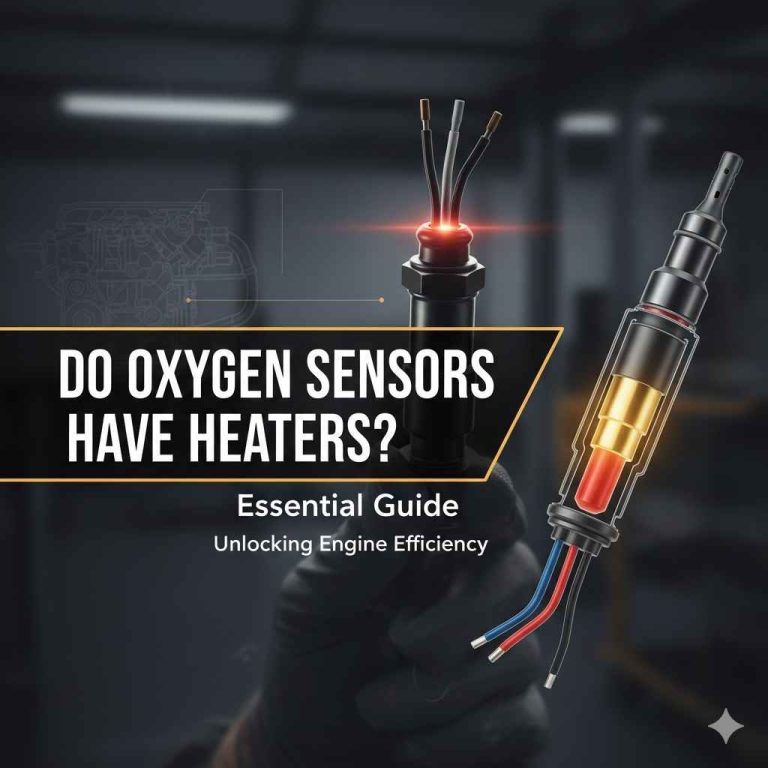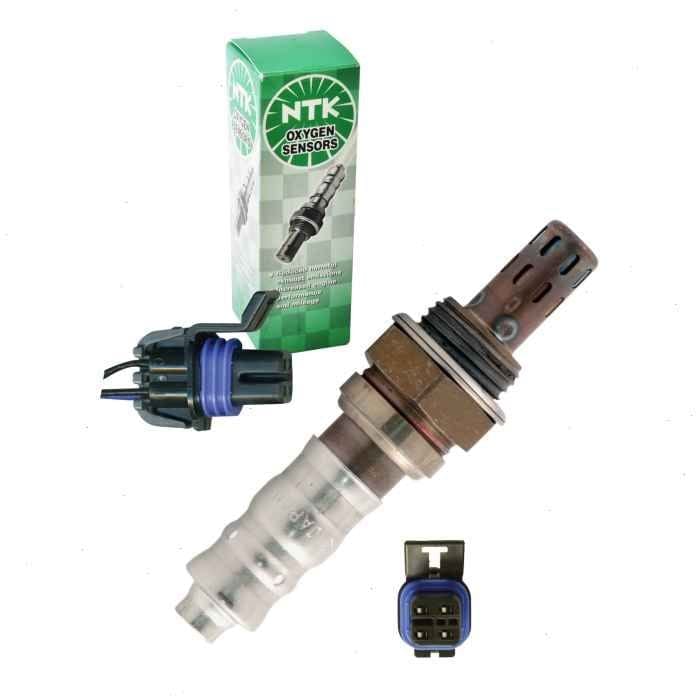
Are Universal Oxygen Sensors Worth It? Fitment Guide
A universal oxygen sensor is worth buying only when the sensor type matches your vehicle and the connector change is minor. If you need pinout guessing or extra splicing, buy the direct-fit part. Poor fitment can light the check-engine lamp, fail an emissions test, and force you to repeat the repair. This guide compares cost, wiring, fitment, and emissions risk so you can choose the cheaper option that actually works.
Verdict
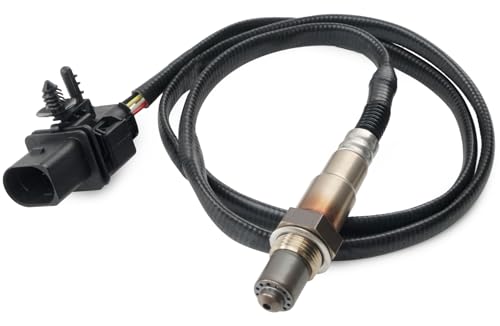
- Replaces specific AEM part numbers 17025, 0258017025
- Premium platinum and ceramic construction
- Designed to maximize fuel efficiency
The lower sticker price on a universal sensor is real only in a narrow set of cases: older vehicles, simple connector swaps, and low-risk downstream locations. On many late-model cars, total cost climbs once you add wiring time, adapters, diagnosis, and the chance of a second repair.
📊 Oxygen sensors were developed in the late 1960s. Source: What Does An Oxygen Sensor Do?.
Specs at a glance
| Option | Fitment style | Typical install effort | Best use case | Main drawback |
|---|---|---|---|---|
| Universal oxygen sensor | Vehicle-specific wiring or connector adaptation | Higher | Older vehicles with easy wiring access | Splice quality and pinout mistakes can cause faults |
| Direct-fit oxygen sensor | Plug-and-play, vehicle-specific connector | Lower | Late-model vehicles and emissions-sensitive repairs | Usually costs more up front |
| Upstream O2 sensor | Before catalytic converter | Fitment matters more | Fuel control and air-fuel ratio correction | Wrong wiring can affect drivability |
| Downstream O2 sensor | After catalytic converter | Moderate | Catalyst monitoring | Still needs correct connector and heater compatibility |
Who it is for
This choice is for DIY drivers comparing a universal oxygen sensor with a direct-fit part. It matters most when the vehicle is older, the exhaust wiring is easy to reach, and you already know the sensor type and connector pattern. In those cases, a universal part can cut part cost without adding much extra work.
It also matters if you are replacing a downstream sensor on an older vehicle and the wiring repair is straightforward. Once the vehicle is newer, connector layouts are more integrated, and the heater circuit and pinout become harder to match safely.
What works
A universal sensor can save money when the connector issue is simple and the job stays on the easy side of the vehicle. That means you can identify the correct sensor type, splice cleanly, and confirm the heater circuit and signal wires before installation. The ideal air-fuel ratio is 14.7:1, so the upstream sensor must report accurately if you want the ECU to meter fuel correctly.
It also works better on vehicles where access is open and the old connector can be reused without hidden corrosion or brittle terminals. In those cases, the part price is only part of the story, and the labor difference is small enough that the lower sticker price can stay a real saving.
What does not
Universal sensors become a false economy when the vehicle-specific connector, pinout, or heater circuit is uncertain. A poor splice can create intermittent readings, set a check engine light, or leave the vehicle with a heater circuit malfunction message. Faulty oxygen sensors can stop a vehicle from passing emissions inspection.
They also lose value when you need an upstream sensor on a late-model car. Upstream O2 sensors sit before the catalytic converter and respond to rich or lean mixture changes, so wiring errors affect fuel control. In that case, the time saved by buying direct-fit often costs less than the risk of a redo.
Alternatives

- Stainless steel body submersible and sealed tight
- Fast-acting heater for 3, 4, 5 wire sensors
- True direct-fit OE connectors and harnesses
Bosch 17321 is the safer buy when you want direct-fit convenience. The OE-style connector and harness reduce the chance of pinout mistakes, and the fast-acting heater helps on modern sensor circuits. The drawback is simple: you pay more up front than you usually do for a universal replacement.

- Vehicle specific fit type for accurate OEM matching
- Corrosion and abrasion resistant construction
- Constructed from durable long-lasting material
NTK 23162 is another vehicle-specific choice for drivers who want OEM-style fitment. Based on the spec sheet and owner feedback, its main appeal is accurate matching and durable construction. The trade-off is the same as most direct-fit parts: better convenience, higher part cost, and less room for improvisation.
BELKEBIR’s LSU 4.9 replacement is a narrow-fit universal option aimed at specific AEM wideband applications, not a general-purpose OE sensor for every car. That makes it useful only when the gauge and controller match exactly. The limitation is obvious: it is not the right answer for a random factory exhaust sensor.
Should you buy it
Buy universal only if the vehicle is older, the connector situation is simple, and you can do accurate wiring without guessing. That is the point where the lower sticker price can become lower total ownership cost. If any of those three pieces are shaky, direct-fit is usually cheaper in practice.
The best rule is blunt: if the sensor is upstream, the car is late-model, or emissions testing is strict, choose direct-fit. If the sensor is downstream, the harness is easy to reach, and you already know the exact sensor type, universal can make sense.
Are universal O2 sensors worth it?
Yes, but only in limited cases. A universal oxygen sensor is worth it when the connector change is simple, the vehicle is older, and you can handle splicing without introducing electrical problems. On late-model cars or emissions-sensitive repairs, the extra risk usually wipes out the savings.
The decision is less about part price than total ownership cost. Add wiring time, connector adapters if needed, a possible recheck after installation, and the cost of a failed emissions test, and direct-fit often wins even when the sticker price is higher.
Are universal oxygen sensors compatible with my car?
They can be, but compatibility depends on year, make, model, engine, sensor location, connector style, and heater circuit requirements. Universal does not mean electrically interchangeable. If you do not know the exact sensor type and pinout, do not assume a universal part will fit or work correctly.
Upstream and downstream locations are not interchangeable either. The upstream O2 sensor is used for fuel control and should respond quickly to changes between rich and lean conditions. The downstream sensor mainly monitors catalyst performance, so compatibility and failure consequences are different.
Vehicle-specific fitment matters
Year, make, model, and engine determine the wiring, connector, and electrical spec. A V6 or V8 can have three oxygen sensors, a transverse V6 or V8 can have four oxygen sensors, and an inline 4 or 6 cylinder can have three oxygen sensors. Late-model vehicles often have four oxygen sensors.
That means the same brand and model year can still use different parts if the engine or exhaust layout changes. The connector and wiring are part of the fitment decision, not an afterthought.
Sensor location changes the risk
Upstream sensors are the critical fuel-control sensors. Downstream sensors are less central to fuel trim, but they still need the correct connector and heater circuit match. If you are replacing an upstream sensor, the cost of a mistake is usually higher.
On a downstream sensor, universal can be acceptable when access is open and the vehicle is older. On an upstream sensor, direct-fit is usually the safer choice unless the application is very simple.
Fitment decision table
| Vehicle age | Sensor location | Connector type | Skill level | Emissions-test risk | Buy universal or buy direct-fit | Brief reason |
|---|---|---|---|---|---|---|
| Older than 15 years | Downstream | Simple, accessible plug | Comfortable with splicing | Low | Buy universal | Lower part cost can stay lower total cost when wiring is straightforward. |
| Older than 15 years | Upstream | Simple, accessible plug | Moderate to high | Low to moderate | Buy direct-fit | Fuel-control sensors are less forgiving of wiring mistakes. |
| 10 to 15 years old | Downstream | Connector differs from part on hand | Experienced DIY | Moderate | Buy direct-fit | The connector mismatch raises labor and error risk enough to cancel savings. |
| 10 to 15 years old | Upstream | Factory connector and heater pins must match | Experienced DIY | Moderate to high | Buy direct-fit | Heater circuit and pinout accuracy matter more than part price. |
| Late-model | Any | Integrated vehicle-specific connector | Any | High | Buy direct-fit | Plug-and-play reduces warranty, emissions, and comeback risk. |
| Any age | Upstream | Unknown pinout or heater spec | Any | Any | Buy direct-fit | If the electrical match is uncertain, do not gamble on a universal part. |
When a universal O2 sensor makes sense
A universal sensor makes sense on older vehicles with simple wiring access, especially when the connector is easy to identify and the splice can be done cleanly. It also makes more sense on non-critical downstream replacements, where a wiring error is less likely to affect fuel control.
If emissions testing is not strict and you are comfortable checking the heater circuit and signal wires, a universal part can reduce cash outlay. The savings are real only when the installation stays simple.
Common low-risk cases
Picture a 20-year-old inline 4 with a downstream sensor mounted in plain view and a connector that is not buried in loom tape. That is the kind of job where a universal replacement can be reasonable if the wire colors and pinout are confirmed before cutting.
Suppose the old connector is intact, the wiring has slack, and the vehicle is not due for an emissions inspection. In that case, the universal part can be the lower-cost choice without adding much risk.
When universal is false economy
Universal becomes false economy when the car is late-model, the connector is integrated, or the sensor is tied closely to fuel control. The headline savings disappear quickly if you need adapter wiring, redo a splice, or chase a new check engine light after the repair.
It is also a poor fit when emissions testing or warranty sensitivity matters. Faulty oxygen sensors can stop a vehicle from passing emissions inspection, and a heater circuit malfunction message can point straight back to a wiring or compatibility issue.
High-risk cases
A common first-timer mistake is buying a universal sensor because the box looks cheaper, then finding the heater circuit pins do not match the factory wiring. The result is a repair that still throws a fault code and may need the direct-fit part anyway.
That same risk shows up on upstream sensors more than downstream ones. Since upstream sensors affect air-fuel ratio control, bad data can hurt drivability long before a simple warning light appears.
Do universal sensors need splicing or adapter wiring?
Yes. Universal oxygen sensors often need splicing, connector adaptation, or both. They are not true plug-and-play parts, and that is the reason they can be cheaper. The wiring work is part of the purchase decision, not a separate detail.
If the connector on the old sensor can be reused cleanly, that can be reasonable on some older vehicles. But reusing the old connector only works if the terminals are sound, the pinout is verified, and the heater circuit matches electrically.
Why pinout and heater checks matter
The heater circuit is built into many modern O2 sensors, and a mismatch can set a malfunction code even if the sensor body physically fits. Use the correct wiring diagram before cutting anything. If the heater and signal wires are not matched correctly, the ECU may read the sensor incorrectly or reject it altogether.
Testing an oxygen sensor requires a high-impedance digital voltmeter and a backprobe, and the engine must warm to 600 degrees F for accurate testing. That is another reason diagnosis should come before replacement.
Can a universal oxygen sensor trigger a check engine light?
Yes. A universal oxygen sensor can trigger a check engine light if the heater circuit, signal wire, or ground is wrong, or if the sensor type does not match the application. The warning light is common with oxygen sensor issues, but the sensor itself is not always the real problem.
Bad splice quality can also create intermittent faults that appear only under vibration or heat. That is harder to diagnose than a bad direct-fit connector because the failure may come and go.
Common failure modes
Heater circuit malfunction is one of the most common problems after a bad install. Wrong sensor type or placement can be just as bad. An upstream sensor placed where a downstream sensor belongs, or vice versa, can cause wrong feedback and confusing fault codes.
Because the check engine light can reflect several issues, you should confirm the fault before replacing parts. A poor wiring repair can make the new sensor look defective when the wiring is the real failure.
When should I buy a direct-fit oxygen sensor instead?
Buy direct-fit when fitment certainty matters more than saving a few dollars on the part. That includes late-model vehicles, upstream sensor replacement, strict emissions areas, and any repair where the connector or heater circuit is not obvious. The plug-and-play wiring cuts risk.
Direct-fit is also the better choice when time matters. If you need the car back on the road quickly, the extra up-front cost is usually cheaper than a slow diagnosis, a splice repair, or a failed retest.
Direct-fit wins on total cost here
If the vehicle needs emissions compliance, direct-fit often costs less in practice. Add the possibility of a failed test, a second install, or a fault code diagnosis, and the “cheaper” universal sensor can become the expensive option.
When the connector is factory-specific and the wiring is integrated, direct-fit is not a luxury. It is the lower-risk buy.
Can I reuse the old connector on a universal O2 sensor?
Sometimes, yes, but only when the old connector is sound and the wire mapping is known. Reusing it can save time on older vehicles. It is not a good idea if the terminals are corroded, the wire colors are unclear, or the pinout is unknown.
The key is electrical compatibility, not just physical fit. If the connector can be reused but the heater circuit or signal wiring is wrong, the repair still fails.
Will a universal sensor pass emissions testing?
It might, but only if the sensor is the correct type, the wiring is correct, and no fault codes remain. Faulty oxygen sensors can stop a vehicle from passing emissions inspection. A universal part does not lower that risk by itself, and in some cases it raises it.
If emissions testing is strict, direct-fit is usually the safer decision. The cost of a retest or repair delay can exceed the price gap between universal and direct-fit.
are o2 sensors universal
No. Oxygen sensors are not interchangeable across all vehicles, and they are not all the same size, connector, or electrical spec. Vehicle-specific fitment matters because year, make, model, and engine can change the connector, wiring route, and heater requirements.
Some universal sensors exist, but they still require correct wiring and the right sensor type for the application. Universal means adaptable, not one-size-fits-all.
how much are oxygen sensors
How much oxygen sensors cost depends on whether you buy universal or direct-fit and on the vehicle application. The real comparison is total ownership cost: part price, wiring time, adapters, diagnosis, and the chance of a redo. That total can make a cheaper universal part more expensive overall.
For decision-making, the direct question is not only price but risk. If fitment is uncertain or emissions compliance matters, paying more up front for the correct direct-fit sensor is often the cheaper path in practice.
How many oxygen sensors can a car have?
The number varies by year, make, model, and engine. Late-model vehicles often have four oxygen sensors. A V6 or V8 can have three oxygen sensors, a transverse V6 or V8 can have four oxygen sensors, and an inline 4 or 6 cylinder can have three oxygen sensors.
That count matters because each location may use a different connector or sensor type. Always identify the exact sensor position before buying.
Frequently asked questions
How much do oxygen sensors cost?
Cost depends on whether the part is universal or direct-fit and on how much wiring work the job needs. A lower part price can be erased by adapter wiring, splice time, or a second repair. The cheapest sensor is not always the cheapest repair.
Are all oxygen sensors the same size?
No. They are not all the same size, connector, or electrical spec. Size and thread style can vary, but the more important issue is fitment: connector shape, wiring length, sensor type, and heater circuit compatibility all need to match the vehicle.
How much are oxygen sensors?
How much oxygen sensors cost is only part of the equation. Direct-fit usually costs more at checkout, while universal may cost more in labor and risk. The better buy is the one that avoids wiring errors, repeat labor, and emissions-test trouble.