How Do RRC Oxygen Sensors Fail
It’s common to wonder “How Do RRC Oxygen Sensors Fail?”. This question pops up when your car isn’t running right, and you’re not sure why. For beginners, figuring out what’s wrong with car parts can seem tricky.
But don’t worry! We’ll break down the main reasons these sensors stop working in a simple, step-by-step way. Get ready to learn what causes these parts to go bad and how to spot the signs.
Understanding RRC Oxygen Sensor Failures
What Is an RRC Oxygen Sensor?
An RRC oxygen sensor, often called an O2 sensor, is a vital part of your car’s engine system. It’s located in the exhaust pipe. Its main job is to measure the amount of oxygen in the exhaust gases.
This information helps the car’s computer, the Engine Control Unit (ECU), adjust how much fuel is injected into the engine. A good mix of fuel and air is important for the engine to run smoothly and efficiently. It also helps reduce harmful emissions that go into the air.
Why Oxygen Sensors Matter
When an oxygen sensor works correctly, it provides constant feedback to the ECU. This feedback allows the computer to make tiny adjustments to the air-fuel mixture. If the mixture has too much fuel (rich), the sensor signals this to the ECU.
If it has too little fuel (lean), it signals that too. This constant adjustment is key to getting the best performance from your engine, saving you money on gas, and keeping the environment cleaner. When an oxygen sensor fails, this communication breaks down.
Common Problems from Failed Oxygen Sensors
A failing or failed oxygen sensor can cause a variety of issues. Your check engine light might turn on. This is often the first sign.
You might also notice a drop in your car’s fuel economy. The engine might run rough, hesitate, or even stall. Sometimes, you’ll smell unburned fuel or notice your exhaust smelling different.
In more serious cases, a bad O2 sensor can lead to damage to your car’s catalytic converter, which is a very expensive part to replace.

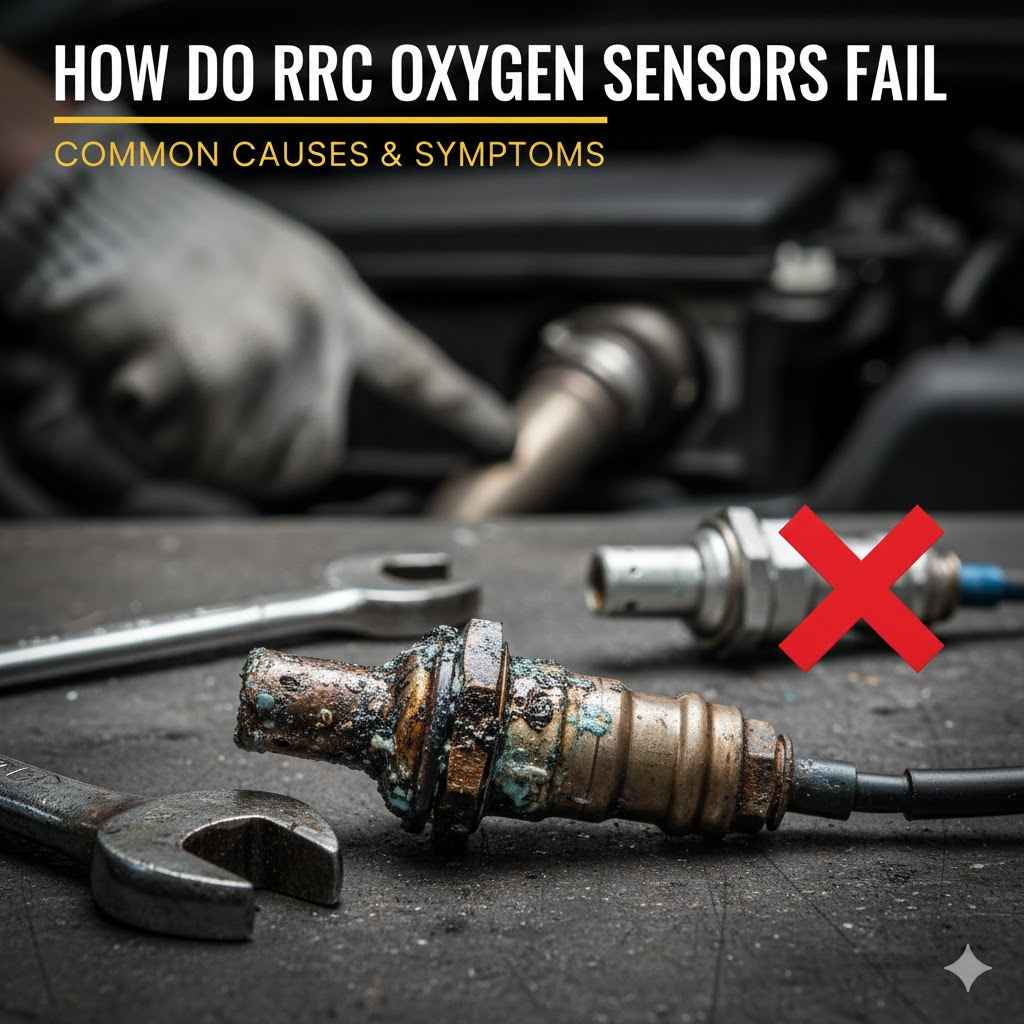
How Do RRC Oxygen Sensors Fail?
Wear and Tear Over Time
Like any part in your car, oxygen sensors don’t last forever. They are exposed to very high temperatures and harsh exhaust gases constantly. Over thousands of miles and many years, the materials inside the sensor can degrade.
The ceramic sensing element can become brittle or crack. The wiring can also become damaged. This gradual breakdown is a very common way for oxygen sensors to fail.
It’s just a natural part of a car’s life.
Contamination From Engine Oil or Coolant
Sometimes, engine oil or coolant can get into the exhaust system. This can happen if there are other engine problems, like worn piston rings or a leaking head gasket. When these fluids reach the oxygen sensor, they can coat the sensing element.
This coating blocks the sensor from accurately measuring oxygen levels. It’s like putting a greasy film on a camera lens; the picture becomes blurry. This contamination is a significant cause of premature sensor failure.
Fuel Contamination
The type of gasoline you use can also play a role. Some fuel additives or even high levels of certain chemicals in gasoline can damage the sensor. For example, if you use leaded gasoline (which is rare nowadays for cars but was common in the past), lead deposits can quickly ruin an oxygen sensor.
Using cheap or poor-quality fuel with excessive additives can also shorten the sensor’s lifespan. The sensor’s delicate elements can react with these chemicals.
Exhaust Leaks
Leaks in the exhaust system, especially before the oxygen sensor, can cause false readings. If there’s a leak, outside air can get into the exhaust stream. This extra air makes the ECU think there’s more oxygen than there actually is.
The sensor might then signal a lean condition when the engine is actually running fine. Over time, this constant incorrect feedback can stress the sensor or lead the ECU to make wrong adjustments, potentially leading to failure or poor performance.
Physical Damage
Oxygen sensors are typically located in a place where they can be bumped or struck. Road debris, hitting a pothole too hard, or even during routine maintenance like changing the exhaust system can lead to physical damage. A cracked sensor housing or a damaged connector can immediately render the sensor useless or cause intermittent problems.
It’s important to be careful when working around the exhaust system.
Carbon Buildup
Carbon deposits from incomplete combustion can build up on the oxygen sensor’s tip over time. This buildup acts like an insulator, preventing the sensor from properly detecting oxygen. This is often linked to running the engine too rich for extended periods, poor fuel quality, or even a malfunctioning ignition system that isn’t burning fuel completely.
Like oil and coolant contamination, this carbon layer interferes with the sensor’s ability to do its job.
Electrical Issues
The wiring and connectors leading to the oxygen sensor can also be a source of failure. Damaged wires, corroded connectors, or loose connections can disrupt the electrical signal. This can lead to intermittent readings or a complete loss of signal.
The ECU relies on a clear, consistent electrical signal from the sensor to make proper adjustments. Any interruption in this signal can cause performance problems.
Age and Deterioration of Internal Components
Oxygen sensors have internal components that are sensitive to heat and chemical exposure. The zirconia or titania element that actually senses the oxygen can degrade with age. The platinum conductor wires can also become contaminated or break.
Even if the sensor isn’t visibly damaged, its internal chemistry can change over years of use, making it less accurate or completely non-functional. This is a natural end-of-life scenario for most sensors.
Engine Misfires and Incomplete Combustion
When your engine misfires, unburned fuel is expelled into the exhaust. This unburned fuel can reach the oxygen sensor and cause problems. It can lead to excessive carbon buildup, as mentioned earlier, or it can even damage the sensor’s heating element if it has one.
A consistently misfiring engine puts a lot of stress on the oxygen sensor and can lead to its failure. It’s important to address misfires promptly.
Overheating
While oxygen sensors are designed for high temperatures, extreme or prolonged overheating of the exhaust system can cause damage. This can happen if the engine is running very hot for an extended period. The excessive heat can degrade the sensor’s materials faster than normal, leading to premature failure.
This is usually a symptom of a larger engine cooling problem that needs to be addressed.
Signs of a Failing RRC Oxygen Sensor
Check Engine Light
This is the most common and direct indicator. The ECU detects an issue with the oxygen sensor’s readings or its performance and triggers the check engine light on your dashboard. Many auto parts stores can read the diagnostic trouble codes (DTCs) associated with a faulty O2 sensor, which can help pinpoint the problem.
Poor Fuel Economy
When the oxygen sensor isn’t providing accurate data, the ECU can’t correctly adjust the air-fuel mixture. This often leads to the engine running too rich, meaning more fuel is being used than necessary. The result is a noticeable decrease in your car’s miles per gallon.
You’ll find yourself stopping at the gas station more often.
Rough Idling or Engine Hesitation
An incorrect air-fuel mixture can cause the engine to run unevenly. This might manifest as a rough idle, where the engine shakes or vibrates more than usual when stopped. It can also cause hesitation when you accelerate, where the car doesn’t respond immediately or feels sluggish.
Engine Misfires
As discussed, a failing oxygen sensor can contribute to engine misfires. When the air-fuel mixture is not right, the combustion process can be incomplete, leading to a misfire. You might feel this as a sputtering or stumbling sensation from the engine.
Unusual Smells
A rich fuel mixture can sometimes result in a fuel smell coming from your exhaust. You might also notice a “rotten egg” smell, which indicates a problem with the catalytic converter, often caused by a prolonged rich condition from a bad O2 sensor.
Failed Emissions Test
If your car fails an emissions test, a faulty oxygen sensor is often to blame. The sensor’s job is to ensure your car burns fuel efficiently and produces the least amount of harmful pollutants. If it’s not working, your emissions will likely be too high.
Replacing an RRC Oxygen Sensor
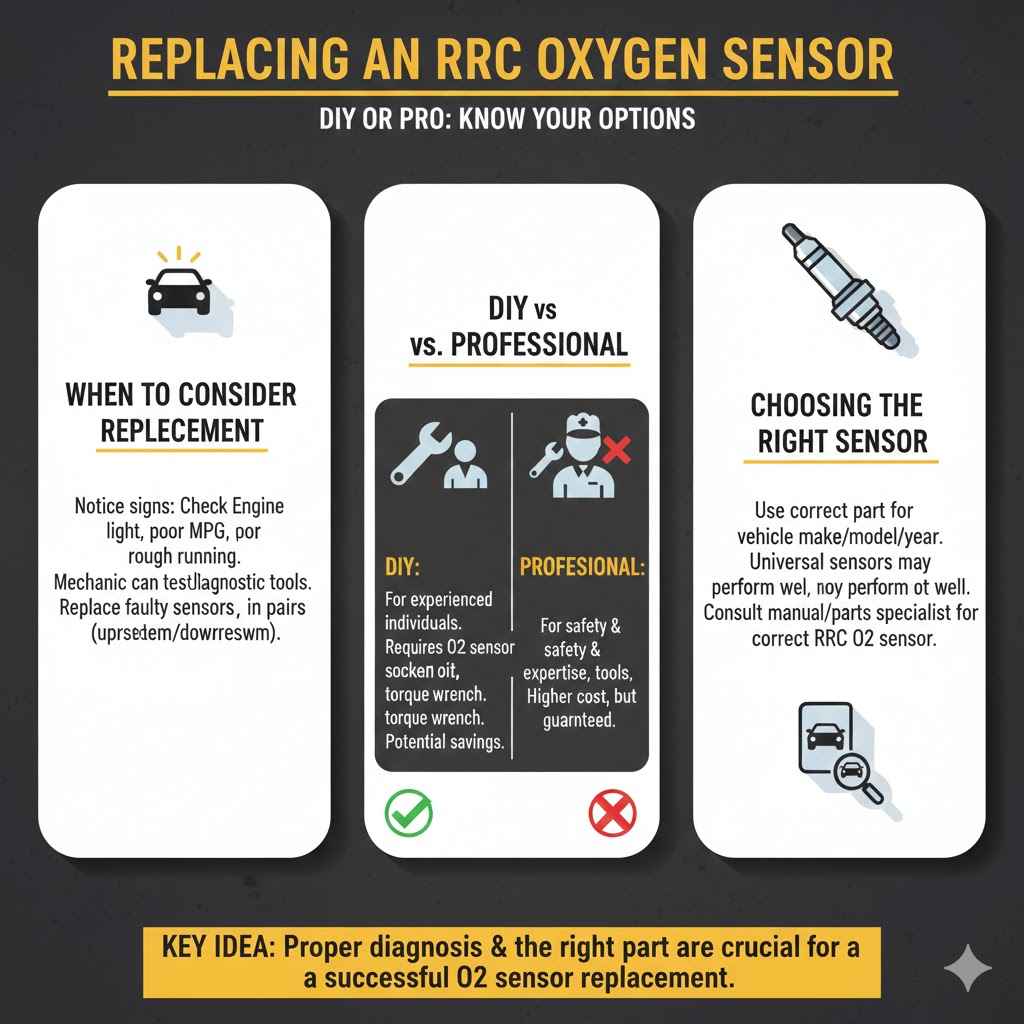
When to Consider Replacement
If you notice any of the signs above, it’s a good idea to have your oxygen sensors checked. Mechanics can test the sensors’ performance using diagnostic tools. If a sensor is found to be faulty or operating outside its normal parameters, replacement is usually recommended.
It’s often advised to replace oxygen sensors in pairs (e.g., both upstream sensors if your car has two) as they tend to fail around the same time.
DIY vs. Professional Replacement
Replacing an oxygen sensor can be a DIY job for those with some mechanical experience and the right tools. You’ll need a special oxygen sensor socket wrench to remove the old sensor, as they can be seized in place due to heat and rust. However, if you’re not comfortable working on your car’s exhaust system or don’t have the tools, it’s best to take it to a professional mechanic.
They have the expertise and equipment to do the job safely and correctly.
Choosing the Right Sensor
When replacing an oxygen sensor, it’s important to use the correct part for your specific vehicle make, model, and year. Using a universal sensor might seem cheaper, but it may not perform as well or last as long. Always refer to your car’s manual or consult with a parts specialist to ensure you get the right RRC oxygen sensor for your car.
Frequently Asked Questions
Question: How long do RRC oxygen sensors typically last?
Answer: RRC oxygen sensors can last anywhere from 60,000 to 100,000 miles, but this varies greatly depending on driving conditions, fuel quality, and the vehicle’s overall engine health. Some may fail sooner, while others can last longer.
Question: Can I drive with a bad RRC oxygen sensor?
Answer: You can often drive with a bad oxygen sensor, but it’s not recommended for long periods. It will likely lead to poor fuel economy, increased emissions, and potential damage to other engine components like the catalytic converter. Your check engine light will also likely stay on.
Question: Are all RRC oxygen sensors the same?
Answer: No, RRC oxygen sensors are not all the same. Vehicles can have multiple oxygen sensors (e.g., upstream and downstream), and they may have different designs or wiring harnesses. It’s crucial to use the correct sensor for your vehicle’s specific position and make.
Question: What’s the difference between an upstream and downstream RRC oxygen sensor?
Answer: An upstream sensor is located before the catalytic converter and measures exhaust gases to help the engine computer adjust the air-fuel mixture for optimal combustion. A downstream sensor is located after the catalytic converter and monitors the converter’s efficiency.
Question: Can a faulty catalytic converter cause an RRC oxygen sensor to fail?
Answer: While a failing catalytic converter can sometimes be caused by a bad oxygen sensor, a severely damaged catalytic converter could potentially affect the readings of a downstream oxygen sensor or cause exhaust flow issues that indirectly impact the sensor’s performance.
Final Thoughts
Knowing how RRC oxygen sensors fail helps you keep your car running well. These sensors can break down from normal wear, contamination from oil or fuel, or physical damage. Watching for signs like the check engine light or poor gas mileage is key.
Addressing these issues early can save you money and prevent bigger problems down the road. Always use the right parts and get expert help if you need it for a smooth ride.