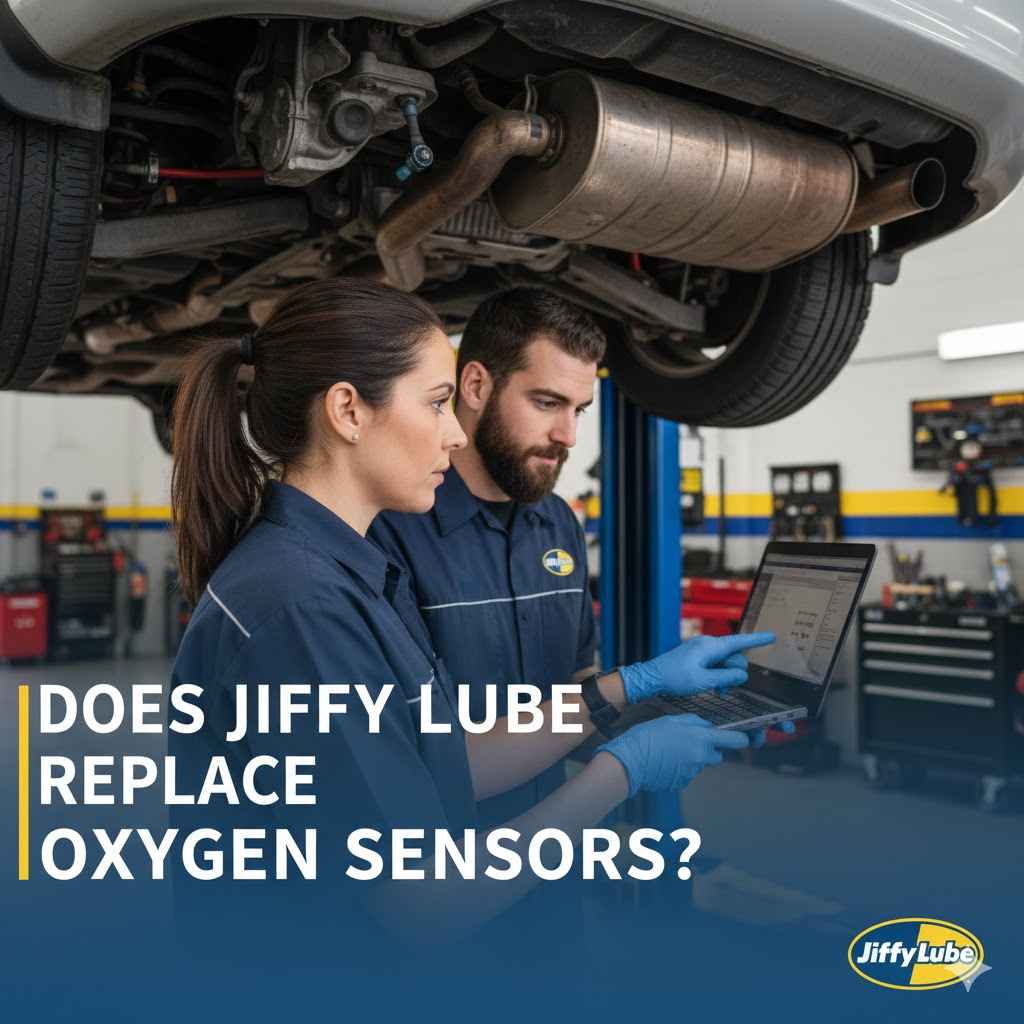
Does Jiffy Lube Replace Oxygen Sensors
Many car owners wonder if Jiffy Lube can help with a common car part: the oxygen sensor. This is a great question, especially for people who are new to car care. It can feel a bit confusing to know where to get specific repairs done.
But don’t worry! We’re here to make it simple and clear. We’ll walk you through exactly what you need to know about Does Jiffy Lube Replace Oxygen Sensors?.
Let’s find out how Jiffy Lube can help keep your car running smoothly.
Understanding Your Oxygen Sensor
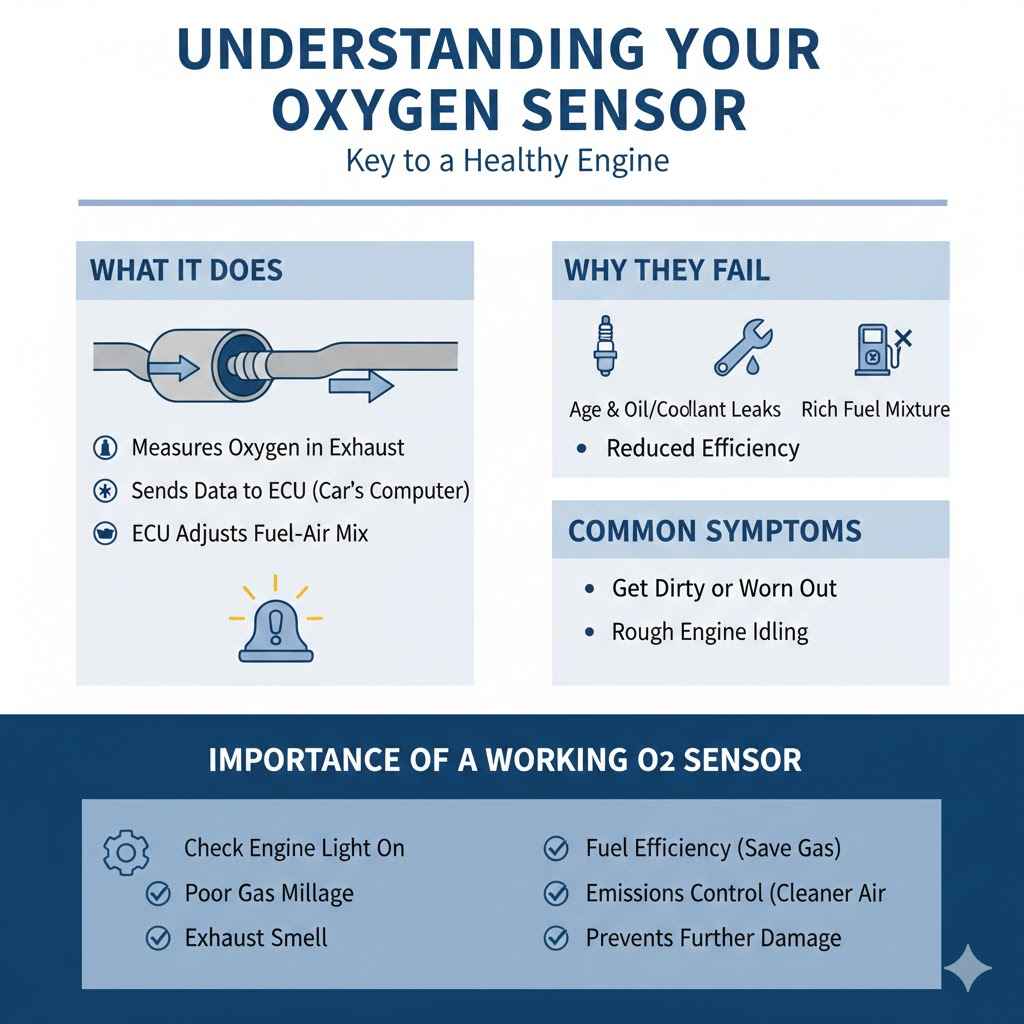
Your car’s oxygen sensor, often called an O2 sensor, is a small but very important part. It sits in your exhaust system. Its main job is to measure the amount of oxygen in your exhaust gases. This information is sent to your car’s computer, the Engine Control Unit (ECU).
The ECU uses this data to adjust how much fuel your engine gets. Getting the right fuel-air mix is key for your car to run efficiently. It helps make sure you get good gas mileage and that your car produces fewer harmful emissions.
Why Oxygen Sensors Fail
Oxygen sensors don’t last forever. They can get dirty or worn out over time. Things like a rich fuel mixture, engine oil or coolant leaks, or even just age can cause them to stop working correctly.
When an oxygen sensor starts to fail, you might notice some signs. Your check engine light might come on. You could also see a drop in your gas mileage, or your car might run rougher than usual. In some cases, you might even smell exhaust fumes inside your car.
The Importance of a Working Oxygen Sensor
A properly functioning oxygen sensor is vital for several reasons:
Fuel Efficiency: It helps your car use fuel in the most efficient way possible. This means fewer trips to the gas station.
Emissions Control: It plays a big role in reducing the pollution your car releases into the air. This is good for the environment.
Engine Performance: A good O2 sensor helps your engine run smoothly, preventing sputtering or stalling.
Preventing Further Damage: A faulty sensor can sometimes lead to other engine problems if not addressed.
Does Jiffy Lube Replace Oxygen Sensors
Now, let’s get straight to the question on your mind: Does Jiffy Lube replace oxygen sensors?
Jiffy Lube is primarily known for its fast oil changes and other routine maintenance services. They are great for things like checking your fluids, rotating your tires, and replacing your air filters. However, their service menu is generally focused on preventive maintenance rather than extensive diagnostic and repair work.
When it comes to replacing components like oxygen sensors, which often requires diagnostic tools to confirm the issue and can sometimes involve more involved repairs, Jiffy Lube’s services can be more limited.
Most Jiffy Lube locations are set up for quick services. They may not have the specialized diagnostic equipment or the ASE-certified technicians trained for complex exhaust system repairs and sensor replacements.
This doesn’t mean they can’t help at all. Some Jiffy Lube locations might offer basic checks. They could potentially identify if your check engine light is on due to an oxygen sensor issue if it’s part of a broader diagnostic service they offer. But for a guaranteed replacement and diagnosis of an oxygen sensor, you might need to go elsewhere.
What Services Does Jiffy Lube Typically Offer
To give you a clearer picture, here’s what Jiffy Lube is best known for:
Oil Changes (conventional, synthetic blends, full synthetic)
Fluid Checks and Top-Offs (coolant, power steering, brake fluid, windshield washer fluid)
Air Filter Replacement
Cabin Air Filter Replacement
Wiper Blade Replacement
Battery Checks and Replacement
Tire Rotation
Headlight and Light Bulb Replacement
Fuel System Cleaning
Transmission Fluid Services (sometimes, depending on the location)
Coolant System Services (sometimes, depending on the location)
As you can see, their focus is on keeping your car maintained and running well with regular upkeep.
When You Might Need a Different Service Center
If you suspect your oxygen sensor needs replacing, or if your check engine light is on and you’re looking for a specific fix, it’s usually best to visit a service center that specializes in automotive repair. These places have the tools and expertise to:
Diagnose the problem accurately: They can use advanced scan tools to read trouble codes from your ECU and pinpoint the exact issue, including identifying which oxygen sensor (if there are multiple) is faulty.
Perform the repair correctly: Replacing an oxygen sensor might involve getting under the car and carefully removing the old sensor, which can sometimes be stuck due to heat and rust. Then, the new sensor must be installed properly and torqued to the correct specifications.
Clear the codes and test the system: After the replacement, they will clear the trouble codes from your car’s computer and test drive the vehicle to ensure the new sensor is working and the check engine light stays off.
Examples of Service Centers Better Suited for Oxygen Sensor Replacement
Dealership Service Centers: They have factory-trained technicians and use original equipment manufacturer (OEM) parts, ensuring the best fit and performance for your specific vehicle make and model.
Independent Auto Repair Shops: Many independent shops have highly skilled mechanics who are experts in various car makes and models. They can often provide quality service at a competitive price. Look for shops with good reviews and ASE certifications.
Specialty Exhaust Shops: If the issue is complex or involves other parts of the exhaust system, a shop specializing in exhaust work might be the best option.
Signs Your Oxygen Sensor May Need Replacement
It’s helpful to know the common symptoms that suggest a problem with your oxygen sensor. If you notice any of these, it’s a good idea to get your car checked out:
Check Engine Light On: This is the most common indicator. The light can come on for many reasons, but a faulty O2 sensor is a frequent culprit.
Poor Fuel Economy: If you’re filling up your gas tank more often than usual, it could be your O2 sensor isn’t sending the right signals for optimal fuel mixture.
Rough Idling or Engine Misfires: The engine might shake or sputter, especially when stopped.
Failed Emissions Test: In areas where cars are regularly tested for emissions, a bad O2 sensor will almost certainly cause you to fail.
Rotten Egg Smell: This sulfur smell often indicates a problem with the catalytic converter, which is directly affected by the O2 sensor’s readings.
Black Smoke from the Exhaust: This suggests the engine is burning too much fuel, often due to an incorrect signal from the O2 sensor.
How Oxygen Sensors Work (A Little Deeper Dive)
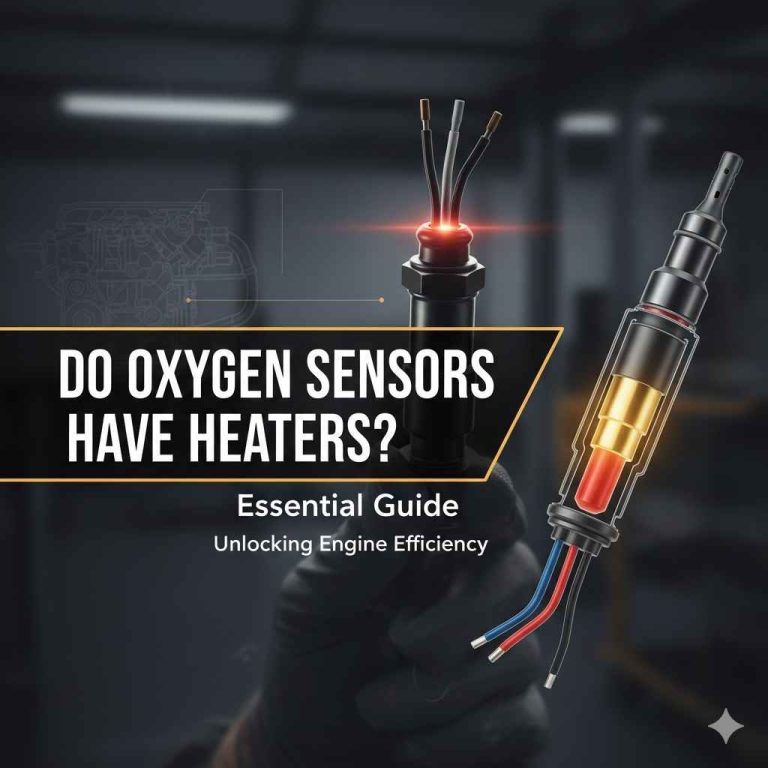
Oxygen sensors are fascinating little devices. They contain a ceramic element, usually made of zirconium dioxide. This element is heated to a high temperature, which allows it to generate a voltage based on the oxygen difference between the exhaust gas and the outside air.
There are typically two types of oxygen sensors:
Upstream Oxygen Sensors: These are located before the catalytic converter. They provide the primary feedback to the ECU for fuel mixture control.
Downstream Oxygen Sensors: These are located after the catalytic converter. They primarily monitor the performance of the catalytic converter itself.
Modern cars often have multiple oxygen sensors (sometimes four or even more!). This is why accurate diagnosis is so important. A mechanic needs to know which specific sensor is causing the problem.
The Cost of Oxygen Sensor Replacement
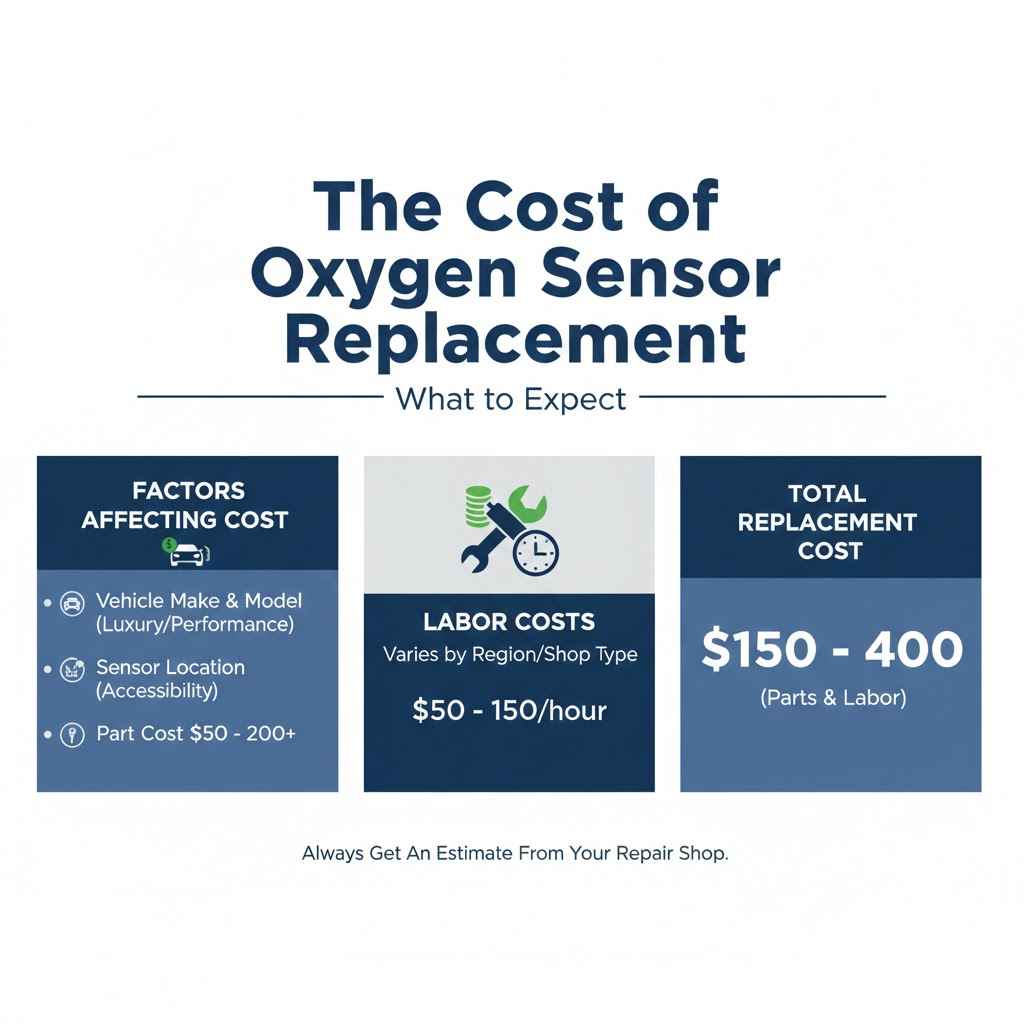
The cost to replace an oxygen sensor can vary widely. It depends on:
The Make and Model of Your Vehicle: Luxury or performance cars may have more expensive sensors.
The Location of the Sensor: Some sensors are easier to access than others. Upstream sensors are often more critical and might be pricier.
The Cost of the Part: Oxygen sensors themselves can range from $50 to $200 or more.
Labor Costs: Mechanic labor rates vary by region and by the type of shop.
Generally, you might expect to pay anywhere from $150 to $400 for a complete oxygen sensor replacement, including parts and labor. It’s always a good idea to get an estimate from your chosen repair shop.
Frequently Asked Questions
Question: Can Jiffy Lube check my check engine light
Answer: Some Jiffy Lube locations may offer basic check engine light diagnosis as part of their services. They can often scan for trouble codes, but their ability to perform in-depth diagnosis and repair for issues like oxygen sensor replacement can be limited.
Question: What is the main job of an oxygen sensor
Answer: The main job of an oxygen sensor is to measure the amount of unburned oxygen in your car’s exhaust system. This information helps the engine’s computer adjust the fuel and air mixture for optimal performance and efficiency.
Question: How often should I replace my oxygen sensor
Answer: Oxygen sensors are designed to last for many years and miles, typically around 100,000 miles or more. However, they can fail prematurely due to various issues. Replacement is usually only done when symptoms indicate a problem or the check engine light comes on.
Question: Can a bad oxygen sensor hurt my catalytic converter
Answer: Yes, a failing oxygen sensor can lead to a damaged catalytic converter. If the O2 sensor provides incorrect readings, it can cause the engine to run too rich or too lean, leading to overheating and damage to the catalytic converter over time.
Question: Where can I get my oxygen sensor replaced if not Jiffy Lube
Answer: If Jiffy Lube cannot replace your oxygen sensor, you can take your car to a dealership service center, an independent auto repair shop, or a specialty exhaust shop. These places have the tools and expertise for this type of repair.
Final Thoughts
Jiffy Lube is a convenient place for routine car maintenance like oil changes and fluid checks. When it comes to more specific repairs such as replacing an oxygen sensor, their services might not be available or equipped for the job. It’s best to confirm with your local Jiffy Lube or visit a dedicated auto repair shop for accurate diagnosis and replacement of your oxygen sensor to keep your car running smoothly and efficiently.
Summary
This article explained that while Jiffy Lube excels at quick maintenance, they generally do not replace oxygen sensors. For this specific repair, taking your car to a dealership or an independent auto shop is the recommended course of action to ensure proper diagnosis and service.