Does O’Reilly Replace Oxygen Sensors
Are you wondering about fixing your car and if O’Reilly Auto Parts can help with replacing your oxygen sensors? Many car owners ask, Does O’Reilly Replace Oxygen Sensors? This can seem like a tricky question, especially if you’re new to car repairs. We’ll make it super simple.
We’ll walk you through what you need to know, step by step. Get ready to learn how O’Reilly can be a great resource for this common car fix.
Understanding Oxygen Sensors
What is an Oxygen Sensor?
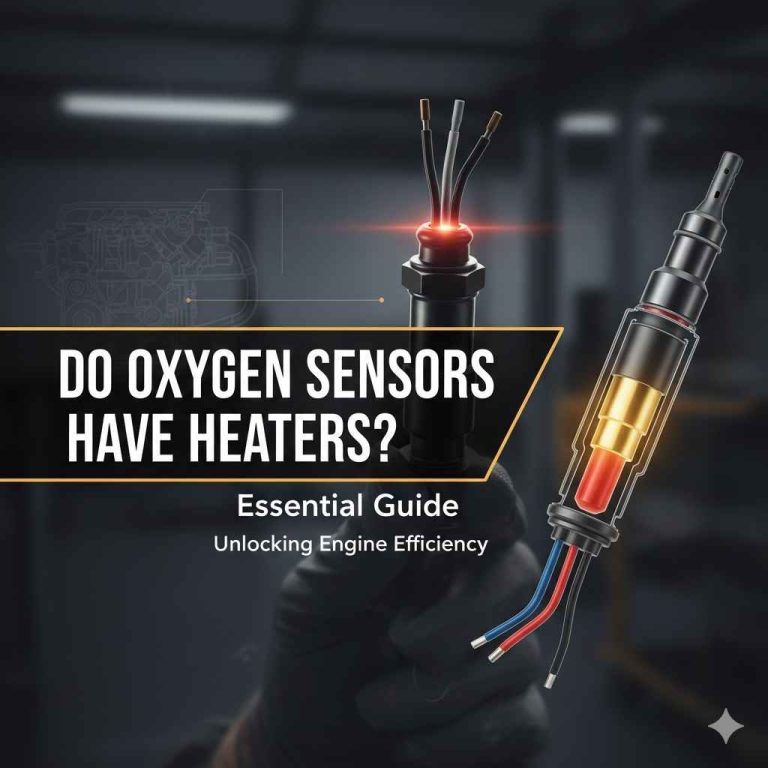
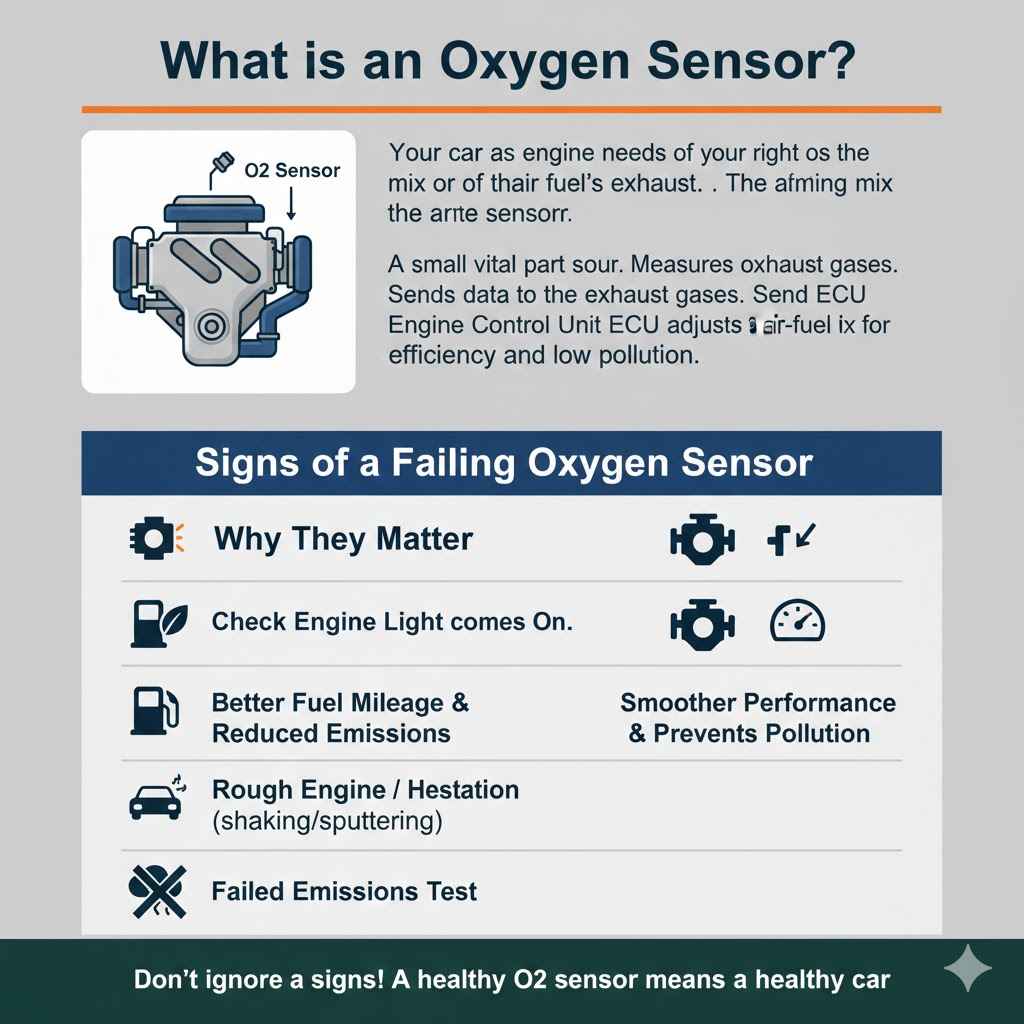
An oxygen sensor, often called an O2 sensor, is a small but very important part of your car’s exhaust system. It helps your engine run as efficiently as possible and keeps pollution down. It measures how much oxygen is in the exhaust gases.
This information is sent to your car’s computer, the engine control unit (ECU). The ECU then uses this data to adjust the fuel and air mixture going into the engine. A good fuel and air mix means your car will get better gas mileage and run more smoothly.
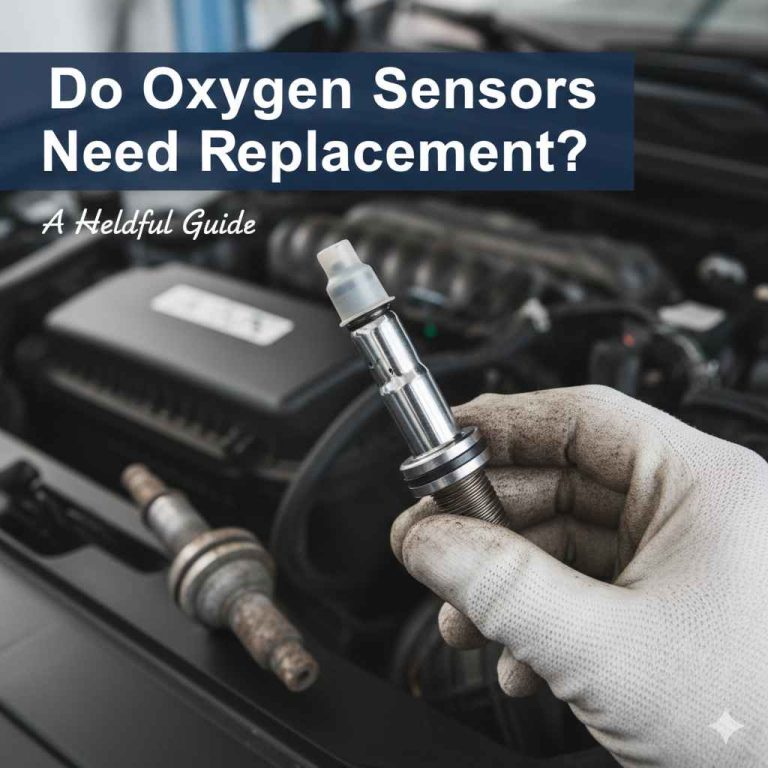
When an oxygen sensor starts to fail, it can cause several problems. Your “check engine” light might come on. You might notice worse gas mileage.
Your car might also run rough or hesitate when you try to accelerate. In some cases, a bad O2 sensor can even cause your car to stall. Because it’s so vital for engine performance and emissions, it’s a good idea to address a faulty oxygen sensor as soon as you can.
Does O’Reilly Replace Oxygen Sensors?
This is the big question many people ask when they need to fix their car. When you go to an auto parts store like O’Reilly Auto Parts, you’re looking for parts, advice, and maybe even some services. It’s important to know what services they offer directly.
O’Reilly Auto Parts is primarily a retailer of automotive parts and accessories. This means they sell you the parts you need, like oxygen sensors, and offer tools and supplies for DIY repairs. They also have staff who can provide helpful advice and guidance.
However, O’Reilly Auto Parts stores themselves typically do not perform the actual installation or replacement of parts like oxygen sensors. They are not a repair shop or a mechanic’s garage. Their business model focuses on supplying the parts and knowledge for customers to do the work themselves or to take the parts to a separate mechanic for installation.
So, while they can sell you the correct oxygen sensor and tell you where it is, they won’t be the ones under your car performing the repair.
What O’Reilly DOES Offer for Oxygen Sensor Replacement
Even though O’Reilly doesn’t do the installation, they are a fantastic resource for DIYers who plan to replace their own oxygen sensors. Here’s what they can provide:
- The Right Parts: They stock a wide variety of oxygen sensors for many makes and models of cars. Their staff can help you find the exact sensor you need for your specific vehicle. Bringing your car’s year, make, and model is key to getting the correct part.
- Diagnostic Tools: If your check engine light is on, O’Reilly often provides a free service to scan your car’s computer for error codes. This code can help pinpoint if an oxygen sensor is the culprit and which one it might be (there can be multiple).
- Expert Advice: The staff at O’Reilly are generally knowledgeable about cars and auto parts. They can offer advice on the location of the oxygen sensor, common issues, and what tools you might need for the job.
- Tools and Supplies: You can purchase specialized oxygen sensor sockets, anti-seize lubricant, and other tools needed for the replacement at O’Reilly.
- Battery Testing: While not directly related to O2 sensors, they also offer free battery testing, which is another common car maintenance task.
When to Consider Professional Installation
If you’re not comfortable working on your car or don’t have the right tools, it’s always best to take it to a professional mechanic. Mechanics have the experience and equipment to perform the replacement quickly and correctly. If your oxygen sensor is in a hard-to-reach spot, or if you’ve tried to replace it yourself and run into trouble, a professional shop is your next step.
Mechanics will also ensure any related issues are addressed.
How to Replace an Oxygen Sensor (DIY Guide)
Replacing an oxygen sensor yourself can be a rewarding and money-saving task. Here’s a general guide. Remember to always consult your car’s specific repair manual for exact instructions.
Step 1: Gather Your Supplies
Before you start, make sure you have everything you need. This includes:
- The new oxygen sensor (ensure it’s the correct one for your car).
- An oxygen sensor socket wrench (these have a slot for the wire).
- A ratchet and extension that fits your socket.
- Penetrating oil or WD-40 (if the old sensor is stuck).
- High-temperature anti-seize lubricant for the new sensor’s threads.
- Gloves and safety glasses.
- A shop rag or towel.
Step 2: Locate the Oxygen Sensor
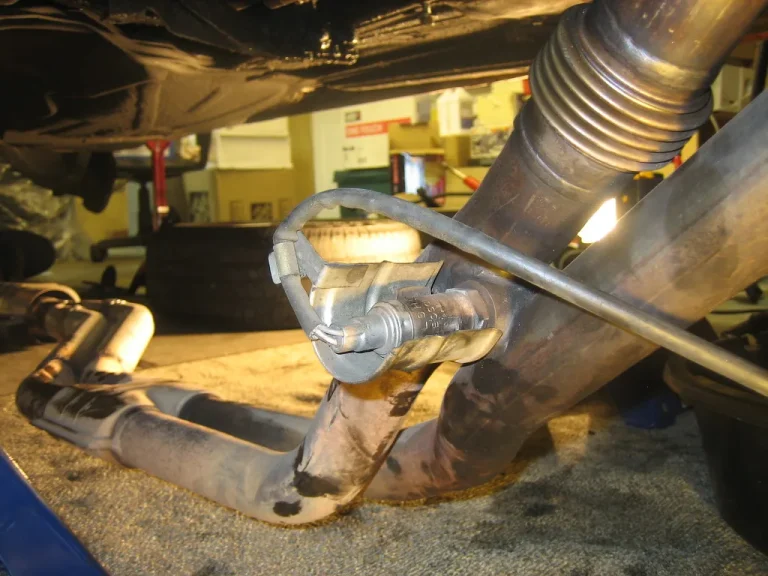
Oxygen sensors are usually found in the exhaust pipe, either before or after the catalytic converter. Your car might have one or more O2 sensors. The “upstream” sensor is typically before the catalytic converter and monitors exhaust gases leaving the engine.
The “downstream” sensor is after the catalytic converter and monitors its efficiency. Your car’s manual or an online search can help you pinpoint the exact location.
Step 3: Disconnect the Old Sensor
Once you’ve located the sensor, you’ll need to disconnect its electrical connector. This is usually a simple clip that you press or pull to release. Make sure you’re working on a cool exhaust system.
Never try to disconnect a sensor on a hot exhaust, as it can cause burns.
Step 4: Remove the Old Sensor
This can sometimes be the trickiest part if the sensor is rusted or seized. Spray some penetrating oil around the base of the sensor and let it sit for a few minutes. Then, place the oxygen sensor socket over the sensor and attach your ratchet.
Turn counterclockwise to loosen and remove the old sensor. If it’s extremely stubborn, you might need to apply more penetrating oil or a bit more force, but be careful not to damage the exhaust pipe.
Step 5: Prepare and Install the New Sensor
Clean the threads on the exhaust pipe where the old sensor was removed. Apply a small amount of high-temperature anti-seize lubricant to the threads of the new oxygen sensor. This will make it easier to remove in the future.
Screw the new sensor in by hand to avoid cross-threading. Once it’s snug, use your socket and ratchet to tighten it securely. Do not overtighten.
Step 6: Reconnect the Electrical Connector
Plug the electrical connector for the new sensor back in. Make sure it snaps into place securely. Once everything is reconnected, you can start your car to test it out.
The check engine light should turn off after a few driving cycles, or you might need to clear the code with an OBD-II scanner.
Common Problems and Tips
Stuck Sensors: Exhaust systems can get very hot, leading to rust and corrosion. This often makes oxygen sensors difficult to remove. Using a good quality penetrating oil and letting it soak is crucial.
Sometimes, gently tapping the sensor with a hammer (not too hard!) can help break the rust bond. If you are really struggling, it might be time to call a professional.
Wrong Sensor: There are different types of oxygen sensors, including wideband and narrow band sensors, and sensors with different wire lengths and connector types. Using the wrong sensor can lead to poor engine performance, incorrect fuel metering, and further diagnostic trouble codes. Always double-check the part number with O’Reilly’s catalog or by asking their staff.
Wire Damage: Be careful not to damage the wiring harness when removing the old sensor or installing the new one. The wires can become brittle over time, and accidentally cutting or fraying them will create another problem.
Catalytic Converter Issues: If your catalytic converter is failing, it can also cause issues with your O2 sensors. If you’re experiencing persistent problems after replacing the sensor, it might be worth having your catalytic converter inspected.

Frequently Asked Questions
Question: Can O’Reilly install my oxygen sensor for me?
Answer: No, O’Reilly Auto Parts stores sell automotive parts and accessories but do not offer installation services for parts like oxygen sensors. You would need to take your car to a repair shop for installation.
Question: How much does it cost to have an oxygen sensor replaced at a shop?
Answer: The cost can vary greatly depending on the make and model of your car, the type of sensor, and your location. Generally, expect to pay anywhere from $150 to $500 or more, covering both parts and labor.
Question: How do I know if my oxygen sensor needs replacing?
Answer: Common signs include your check engine light turning on, a decrease in fuel efficiency, rough idling, engine misfires, and a failed emissions test. O’Reilly can scan your car for diagnostic trouble codes, which can indicate an O2 sensor issue.
Question: What tools are needed to replace an oxygen sensor?
Answer: You will typically need a specialized oxygen sensor socket, a ratchet with an extension, penetrating oil (if the old sensor is stuck), and anti-seize lubricant for the new sensor’s threads.
Question: Can I drive my car with a bad oxygen sensor?
Answer: You can usually drive with a bad oxygen sensor, but it’s not recommended for long periods. Your car will run less efficiently, leading to wasted fuel and potential damage to other engine components or the catalytic converter over time. It will also likely fail emissions tests.
Final Thoughts
So, to answer the question, Does O’Reilly Replace Oxygen Sensors? No, they do not perform the physical replacement. However, O’Reilly Auto Parts is an excellent place to buy the correct oxygen sensor, get diagnostic help, and gather the tools and advice needed for a successful DIY repair.