Do Cheap Generic Oxygen Sensors Work Right? Proven Results!
Yes, many cheap generic oxygen sensors can work right! While reputable brands often offer better longevity and precision, quality generic sensors can effectively monitor your exhaust gases and help your car run efficiently. You just need to choose wisely and understand their potential limitations. Let’s explore the proven results!

Generic
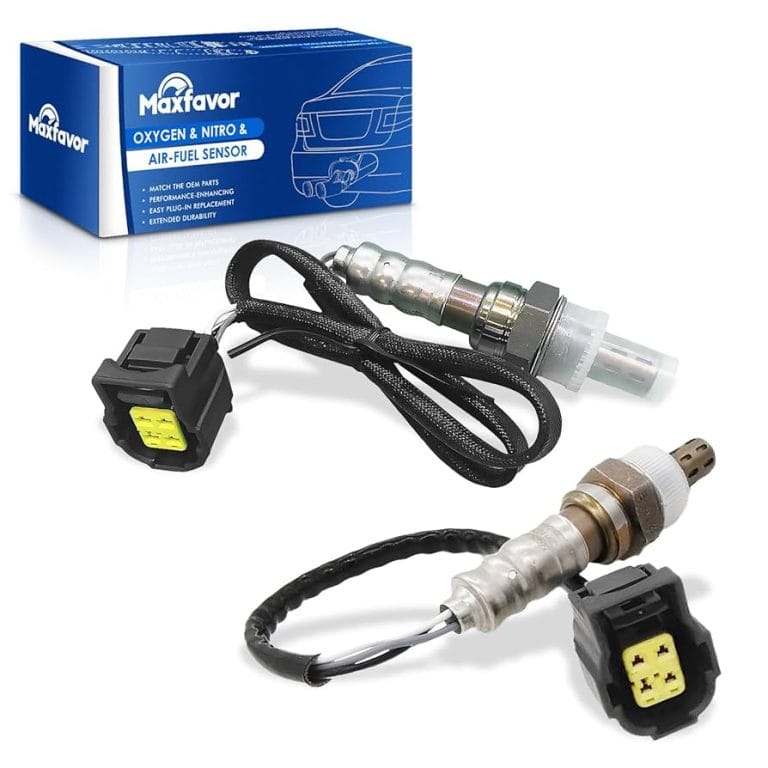
234-9005 O2 Oxygen Sensor Upstream Downstream
- 【Vehicle Fitment - For Acura & For Honda Models】Fits for Acura RSX Type-S 2.0L L4 (2002-2004) Upstream, for Honda Civic DX (2004-2…
- 【OE Number Compatibility】Compatible with OE numbers 2349005, 2344125, 36531-PLM-A11, 36531-PLE-305, 36532-PPA-004, 36531-PPA-305,…
- 【Fix Common Car Faults】This O2 sensor accurately measures oxygen content in exhaust gas and transmits real-time signals to the car…
As an Amazon Associate I earn from qualifying purchases.
Hey there, car adventurer! Ever seen that check engine light and worried about the cost of repairs? One common culprit is the oxygen sensor, or O2 sensor. Replacing it can seem daunting, especially when you see prices for fancy brands. You might wonder, “Do cheap generic oxygen sensors actually do the job?” It’s a valid question, and one we’ll tackle head-on. We’ll break down what these sensors do, why they matter, and what you can expect when you opt for a more budget-friendly option. Get ready to demystify your exhaust system and save some cash!
What Exactly Does an Oxygen Sensor Do?
Think of your oxygen sensor as a tiny, but mighty, detective for your car’s engine. Its main job is to measure the amount of unburned oxygen in your exhaust gases. This information is crucial for your car’s computer, also known as the Engine Control Unit (ECU). The ECU uses this data to figure out if your engine is running too rich (too much fuel) or too lean (too much air).
Based on the oxygen sensor’s readings, the ECU can make instant adjustments to the air-fuel mixture. This precise tuning is what keeps your engine running smoothly, efficiently, and with lower emissions. A properly functioning O2 sensor is key for:
- Fuel Efficiency: An optimal air-fuel mix means your car uses fuel more effectively, saving you money at the pump.
- Engine Performance: When the mix is right, your engine runs more powerfully and responsively.
- Lower Emissions: Correct combustion means less harmful pollution is released into the air.
- Preventing Further Damage: A bad O2 sensor can lead to other engine problems if ignored.

Why Do Oxygen Sensors Go Bad?
Like any part of your car that’s exposed to extreme heat and exhaust fumes, oxygen sensors don’t last forever. They have a tough life!
- Heat: Constantly dealing with the high temperatures of exhaust can cause them to degrade over time.
- Contaminants: While designed for exhaust, certain things like excessive oil burning, coolant leaks into the combustion chamber, or using the wrong fuel additives can contaminate and “poison” the sensor. For example, using certain sealants on exhaust pipes can damage them.
- Age: Simply put, they wear out after thousands of miles and numerous heating-cooling cycles.
Most manufacturers recommend replacing O2 sensors between 60,000 and 100,000 miles, but this can vary greatly. If your check engine light comes on and a diagnostic scan points to an O2 sensor issue, it’s time to think about a replacement.
The Big Question: Do Cheap Generic Oxygen Sensors Work?
This is where many car owners pause. The price difference between a brand-name sensor (from companies like Bosch, Denso, or NGK) and a generic, unbranded, or lesser-known brand can be significant. So, can you really trust a cheaper option?
The answer is nuanced, but generally: Yes, many cheap generic oxygen sensors can work right, but with qualifications.
Here’s what you need to know:
- Functionality vs. Longevity: Most generic sensors are designed to meet the basic functional requirements. They will likely read oxygen levels and send a signal to your ECU. However, they might not be built with the same high-quality materials or manufacturing precision as premium brands. This can mean they don’t last as long or might be slightly less accurate over their lifespan.
- “Works Right” Definition: If “works right” means clearing the check engine light and restoring acceptable fuel economy and emissions for a period, then yes, many generics can achieve this. If “works right” means maintaining peak precision for tens of thousands of miles under all conditions, then premium brands often have an edge.
- Types of Sensors: There are different types of oxygen sensors (e.g., zirconia and wideband). Ensure the generic sensor you buy is compatible with your vehicle’s make, model, and the specific sensor type it’s replacing. A generic wideband sensor will have different characteristics and price points than a generic narrowband sensor.
Think of it like buying a store-brand medication versus a name-brand one. Both might contain the same active ingredient and provide relief, but the name-brand might have additional research behind it or a different formulation for absorption, potentially impacting long-term use or specific sensitivities. For O2 sensors, it’s about how well they perform their primary duty of sensing oxygen in a very harsh environment.
Proven Results and Real-World Experiences
Many DIYers and even some professional mechanics have reported success using budget-friendly generic oxygen sensors. Online forums and automotive communities are filled with discussions where users share positive outcomes after installing a cheaper sensor and clearing their check engine light.
Case Study (Hypothetical, but common): A car owner with a 2005 Honda Civic experiences a P0420 code (Catalyst System Efficiency Below Threshold) and suspects an O2 sensor. A quick check reveals the upstream O2 sensor is failing. A reputable brand sensor costs $150. A generic sensor from an online retailer is $30. After installing the $30 sensor, clearing the code, and driving for several weeks, the check engine light stays off, fuel economy improves, and the car runs noticeably better. This user has achieved their goal of fixing the issue affordably.
However, there are also cautionary tales:
- Sensors that fail prematurely (within months).
- Sensors that are slow to respond, leading to slightly suboptimal air-fuel ratios and less-than-ideal fuel economy.
- Sensors that don’t communicate correctly with the ECU, sometimes leading to other, more confusing error codes or the same code reappearing.
What Influences “Proven Results”?
- The Specific Brand: Not all generic brands are created equal. Some generic manufacturers have better quality control and track records than others. Reading reviews for the specific generic brand you’re considering is vital.
- Vehicle Sensitivity: Some vehicles, particularly newer ones with sophisticated engine management systems, might be more sensitive to the precise signal output from a sensor. These cars might benefit more from a premium, OEM-grade (Original Equipment Manufacturer) sensor.
- Installation Quality: Even the best sensor won’t work if it’s not installed correctly. Ensure connections are secure and the sensor is properly seated.
Comparing Generic vs. Premium Oxygen Sensors
To make an informed decision, let’s look at a comparison:
| Feature | Cheap Generic Oxygen Sensors | Premium/Brand-Name Oxygen Sensors |
|---|---|---|
| Price | $$ (Lower) | $$$ (Higher) |
| Initial Performance | Often Good – meets basic functional needs to clear codes. | Excellent – highly precise and responsive. |
| Longevity | Variable – can range from excellent to poor; often shorter lifespan. | Generally very good to excellent; designed for long-term use. |
| Material Quality | May use less robust materials. | Uses high-grade, durable materials for harsh exhaust environments. |
| Manufacturing Precision | Can vary; may have wider tolerances. | Tighter tolerances ensure consistent and accurate readings. |
| Warranty | Often limited (e.g., 30-90 days), sometimes non-existent. | Typically longer warranties (e.g., 1-5 years), providing more peace of mind. |
| Vehicle System Compatibility | Generally good; ensure correct part number match. | Excellent; often direct fit and highly compatible with advanced ECUs. |
When making your choice, consider the potential trade-offs. If you’re on a very tight budget and your primary goal is to get your check engine light off for a smog test or immediate inspection, a generic sensor might be sufficient. However, if you plan to keep the car for a long time, value maximum fuel efficiency, or have a newer vehicle, investing in a premium sensor might save you money and headaches in the long run.
How to Choose a Good Generic Oxygen Sensor
If you decide to go the generic route, here’s how to increase your chances of getting one that “works right”:
- Read Reviews: This is your most powerful tool. Look at reviews from multiple retailers and automotive forums. Pay attention to comments related to longevity, accuracy, and whether the check engine light stayed off.
- Look for Reputable Generic Brands: Not all generics are created equal. Some online sellers have their own house brands or partner with lesser-known manufacturers. Research these brands if possible. Sometimes a slightly less premium “known” brand (like Dorman, which often offers aftermarket solutions for many vehicles) might be a safer bet than a completely unbranded item.
- Verify Fitment: Ensure the sensor is listed as compatible with your exact year, make, and model. Double-check the connector type and the number of wires (2-wire, 3-wire, 4-wire, or 6-wire/wideband). For example, a 4-wire O2 sensor typically includes both a heating element and a signal wire.
- Check the Warranty: Even a limited warranty is better than none. A 1-year warranty is a good sign that the manufacturer has some confidence in their product.
- Consider Sensor Type: Are you replacing an upstream (pre-catalytic converter) or downstream (post-catalytic converter) sensor? Upstream sensors are generally more critical for fuel mixture control and performance. Downstream sensors primarily monitor the catalytic converter’s efficiency. Generic sensors can work for both, but accuracy needs may differ.
DIY Installation: A Step-by-Step Guide
Replacing an oxygen sensor is often a DIY-friendly job that can save you a good chunk of labor costs. Here’s a general overview: