Do Diesel Engines Have Oxygen Sensors? Proven Facts
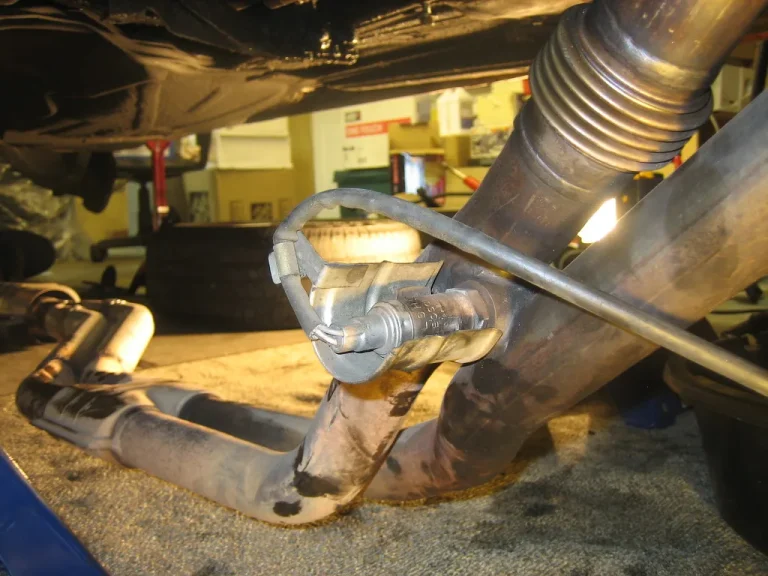
Yes, many modern diesel engines do have oxygen sensors (O2 sensors), although their role and location differ from gasoline engines. These sensors are crucial for managing emissions, ensuring cleaner exhaust, and optimizing fuel economy in diesel vehicles built after the early 2000s.

INGKAN
INGKAN 2236409PE Inlet Nox Sensor Nitrogen Oxide…
- ☑️【FITMENT】:Fits for MX13 PACCAR 2236409 Engine Oxygen Sensors
- ☑️【PART NUMBER】:2236409 2236409PE 2236409PEX oxide nox sensor
- ☑️【Product Description】:The 2236409 nox sensor is made of high quality material, wear-resistant and corrosion-resistant, stable pe…
As an Amazon Associate I earn from qualifying purchases.
If you own a modern diesel truck or car, you’ve probably wondered about its exhaust system. Many car owners hear about O2 sensors always failing on gasoline cars and naturally ask: do diesel engines have oxygen sensors? It’s a common question because diesel technology is quite different. You might think the answer is automatically “no” because diesels don’t use spark plugs. However, the real answer is more nuanced and important for keeping your powerful diesel running smoothly and legally. Don’t worry; we are going to break down exactly how these sensors work in your diesel, why they matter, and what to look for if they cause trouble. By the end of this guide, you’ll know the proven facts about diesel oxygen sensors.
Understanding the Big Difference: Gas vs. Diesel Emissions
Before diving into whether diesels need O2 sensors, it helps to understand why they are different from the gasoline engines most people are familiar with. Gasoline engines mix fuel and air, ignite it with a spark plug, and then send the exhaust through a three-way catalytic converter to clean up harmful gases.
Diesel engines work differently. They compress air until it’s hot enough to ignite the fuel (compression ignition). Because they run “lean” (meaning lots of extra air), their initial chemical exhaust composition is less consistent than a typical gas engine. This original difference meant that older diesels (pre-2007ish, depending on the model) often did without O2 sensors.
Why Modern Diesels Need Sensors Now
The game changed when strict emissions standards, like the EPA Tiering system in the United States, came into play. To meet these tough new limits—especially for Nitrogen Oxides ($text{NO}_x$) and Particulate Matter (PM)—manufacturers had to add complex after-treatment systems to the exhaust stream. These systems need feedback to work correctly.
The main components that require sensor input in modern diesels include:
- Diesel Oxidation Catalyst (DOC): Burns off certain hydrocarbons and carbon monoxide.
- Diesel Particulate Filter (DPF): Traps soot and fine particulates.
- Selective Catalytic Reduction (SCR) System: Uses Diesel Exhaust Fluid (DEF) to reduce $text{NO}_x$ emissions.
To control when and how these systems engage, sensing the exhaust environment becomes absolutely necessary. That’s where the oxygen sensor (or its close cousin, the Air-Fuel Ratio sensor) steps in.
The Proven Fact: Yes, Many Diesels Have Oxygen Sensors
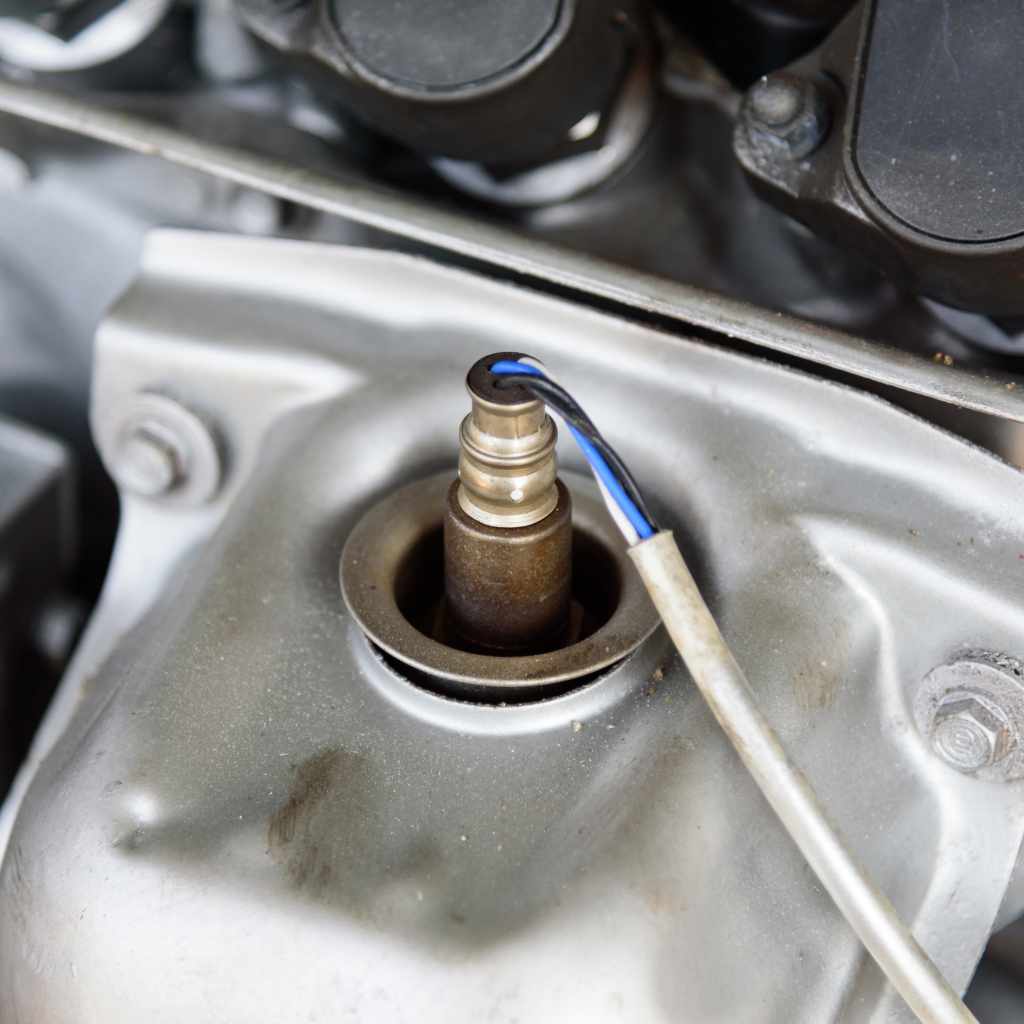
The short answer is: if your diesel engine was built after approximately 2007 (especially passenger cars, light-duty trucks, and any vehicle subject to modern EPA regulations), it almost certainly has one or more exhaust gas sensors.
Terminology Alert: Not Always Just an “O2 Sensor”
While we often use the term “oxygen sensor” generally, diesel systems utilize more advanced sensors to manage their lean burn environment effectively. You are most likely to find these types of sensors:
- Wideband Air-Fuel Ratio Sensors (AFR Sensors): These are more sophisticated than the simple “switching” O2 sensors found in older gas cars. AFR sensors give the Engine Control Unit (ECU) a continuous, precise reading of the exact air-to-fuel ratio in the exhaust stream. This precision is vital for managing DOC efficiency and DPF regeneration cycles.
- Exhaust Gas Temperature (EGT) Sensors: While technically not an O2 sensor, EGT sensors are deeply integrated into the same system. Diesels rely on very high exhaust temperatures to clean the DPF (a process called regeneration). EGT sensors tell the ECU when the exhaust is hot enough, or if it’s getting too hot, which directly impacts the ECM’s control over fuel injection timing.
- Nitrogen Oxide ($text{NO}_x$) Sensors: Used specifically with SCR systems, these measure the $text{NO}_x$ levels both before and after the SCR catalyst to ensure the DEF is working correctly. These are essential for meeting $text{NO}_x$ reduction targets.
Where Are These Sensors Located on a Diesel Exhaust?
In a diesel setup, the placement of these sensors is critical to monitoring the different stages of exhaust treatment. Unlike a gasoline car where the primary O2 sensor sits right after the exhaust manifold, a diesel might have sensors dotted along the entire system.
Here is a typical layout for a modern diesel exhaust stream:
- Upstream Sensor (Near the Turbo/Manifold): This sensor (often an AFR sensor) measures the condition of the exhaust entering the DOC. It provides crucial baseline data for the ECU.
- Mid-Stream Sensor (After or Within the DOC): Some systems use a second sensor here to monitor the efficiency of the Diesel Oxidation Catalyst.
- Downstream Sensor (Before the DPF): This sensor might monitor conditions entering the DPF or sometimes acts as a reference point before the SCR system.
- $text{NO}_x$ Sensors: Typically, one is placed before the SCR catalyst and one after it to calculate the system’s reduction efficiency.
For authoritative information on specific emissions regulations influencing sensor use in diesel vehicles, consulting resources from the Environmental Protection Agency (EPA) regarding on-board diagnostic (OBD) requirements is helpful, as these mandates drive the need for accurate monitoring.
The Role of Sensors in Diesel Emission Control Systems
The primary function of any exhaust sensor in a diesel is to provide the Engine Control Module (ECM/ECU) with the data needed to keep emissions low and fuel efficiency high. This is primarily achieved through controlling two major processes: regeneration and DEF injection.
1. Managing DPF Regeneration
A Diesel Particulate Filter (DPF) traps soot. Over time, it fills up. To empty it, the DPF must reach extremely high temperatures (around 1,100°F or 600°C) so the soot burns off—this is regeneration. The sensors play a key role:
- EGT Sensors: They tell the ECM when the exhaust is hot enough to start or sustain regeneration.
- AFR/O2 Sensors: They help the ECM adjust the fueling strategy slightly during regeneration to help raise exhaust temperatures without damaging the DPF material.
If the upstream sensor gives a bad reading, the ECM might think the DPF is clean when it isn’t, leading to filter clogging and expensive repairs. Conversely, if the EGT sensors fail, the system might attempt regeneration too often or not at all.
2. Optimizing the SCR System (DEF Management)
Modern diesels rely on Selective Catalytic Reduction (SCR) to cut down on harmful $text{NO}_x$ gases, which are a major byproduct of diesel combustion. This requires injecting Diesel Exhaust Fluid ($text{DEF}$) directly into the exhaust stream.
The $text{NO}_x$ sensors monitor the output:
- The sensor before the SCR checks the baseline $text{NO}_x$ entering the system.
- The sensor after the SCR checks how much was actually removed.
If the downstream sensor shows insufficient $text{NO}_x$ reduction, the ECM knows to push more DEF into the exhaust, or flag an issue if the efficiency remains low (often leading to a Check Engine Light or limiting engine power).
Comparing Sensor Needs: Older Diesels vs. Modern Diesels
To clear up confusion, it is helpful to see a side-by-side comparison of what was common before and after the major emissions overhaul.
| Feature | Pre-2007 (Older/Classic Diesels) | Post-2007/2010 (Modern Diesels w/ Emissions Gear) |
|---|---|---|
| Oxygen Sensors (O2/AFR) | Rarely present, generally not required for engine control. | Almost always present, often Wideband AFR sensors. |
| DPF System Presence | No DPF, or very simple, non-managed filters. | Mandatory DPF requiring active, sensor-managed regeneration. |
| SCR/DEF System | Not used. | Standard on most light and heavy-duty models for $text{NO}_x$ control. |
| Primary Sensor Focus | Exhaust Gas Temperature (for turbo/pre-heating). | AFR, EGT, and $text{NO}_x$ sensors working together. |
| Check Engine Light Trigger | Often related to injector timing or boost pressure. | Very commonly triggered by DPF/SCR sensor failures. |
Troubleshooting Common Diesel Sensor Failures
If you have a modern diesel, understanding that the sensors are there means you need to know what happens when they fail. Like any electronic component exposed to extreme heat and harsh exhaust gas chemistry, sensors wear out.
Signs That an Exhaust Sensor is Failing
When an O2 sensor or EGT sensor starts reporting incorrect data—or stops reporting entirely—the ECM loses its ability to manage the exhaust treatment properly. This usually results in obvious drivability issues.
- Check Engine Light (MIL): This is the most common sign. Codes related to “System Efficiency Below Threshold” (for catalysts) or specific sensor circuit failures are direct indicators.
- Poor Fuel Economy: If the upstream AFR sensor is stuck reading “rich,” the ECM might over-fuel the engine unnecessarily, wasting diesel.
- Issues with Regeneration: If an EGT sensor fails, the system might not enter regeneration when needed, leading to a clogged DPF. Conversely, it might try to regenerate constantly, leading to high fuel usage and overheating.
- DEF System Warnings: A faulty $text{NO}_x$ sensor will inevitably cause $text{NO}_x$ reduction efficiency errors, often leading to the vehicle entering “Limp Mode” or even preventing restarts after the tank is empty.
- Excessive Smoke or Odor: Incorrect air-fuel mixtures or improper DPF burn-off can lead to noticeable black smoke or a sharp, acrid smell.
Tools and Basic Diagnosis for Beginners
As a beginner, you don’t need to be an expert mechanic, but knowing how to check for basic sensor issues safely is empowering. Always ensure your vehicle is safe and cool before attempting any visual inspection.
Safety First: Working Around Exhaust Systems
Exhaust components get extremely hot. Always let the truck or car cool down completely if it has been running recently. Wear safety glasses!
Essential Diagnostic Steps:
The most critical step involves reading the stored trouble codes (DTCs). You cannot effectively diagnose a modern emissions system without one of these tools:
- OBD-II Scanner: A basic scanner will read the Check Engine Light code (e.g., P0133 – O2 Sensor Circuit Slow Response).
- Advanced Diesel Scan Tool: For detailed diagnosis, especially with SCR systems, you often need a professional-grade tool that can read live $text{NO}_x$ levels, DPF soot load percentages, and force a stationary regeneration cycle. These tools let you see what the sensor is actually reporting in real-time.
For example, if the code points to a downstream O2 sensor, you can visually inspect the wiring harness leading to it for signs of damage (chafing or melting). Sensor threads themselves are usually sealed tightly and require a specialized socket to remove, which is often best left to a professional mechanic, as over-tightening or striping the threads can cause exhaust leaks.
Understanding the Difference Between Upstream and Downstream
In any system that uses two sensors—one before a catalyst (upstream) and one after (downstream)—their jobs are distinct. This concept applies to both the AFR sensors monitoring the DOC and the $text{NO}_x$ sensors monitoring the SCR.
Upstream Sensor (The Baseline Setter)
The upstream sensor is the “boss.” It provides the primary reading that dictates the fuel delivery strategy. In a gasoline engine, this sensor ensures the optimal 14.7:1 air-fuel ratio. In a diesel, it helps the ECM confirm the exhaust conditions entering the treatment system.
Downstream Sensor (The Efficiency Checker)
The downstream sensor’s only job is comparison. It checks the exhaust after it has passed through the catalyst. It asks: “Did the catalyst do its job?”
If the upstream sensor reads X, and the downstream sensor reads Y, the ECM calculates the efficiency. If the upstream sees high pollution and the downstream sees the same high pollution, the catalyst (or the preceding treatment system) has failed. This comparison is essential for compliance reporting to the OBD system.
For example, for the SCR system to pass its self-test, the downstream $text{NO}_x$ sensor reading must be significantly lower than the upstream $text{NO}_x$ sensor reading.
Maintenance Tips to Protect Your Diesel Sensors
Since these sensors are vital and can be costly to replace, smart maintenance is key to extending their life. Remember, these components are living in an extremely harsh environment.
Proactive Steps for Sensor Longevity
- Use Quality DEF: If your diesel uses an SCR system, use only high-quality, ISO 22241 certified DEF. Contaminated or poor-quality DEF is a leading cause of $text{NO}_x$ sensor failure, as impurities foul the sensor elements.
- Maintain Proper Regeneration Cycles: Don’t constantly short-trip your diesel. If the vehicle is primarily used for short city errands, the DPF may never reach the temperature needed for proper self-cleaning. This forces passive or forced regenerations, which puts more stress and heat cycles on the EGT sensors. Take it for a highway run periodically.
- Watch for Coolant Leaks: Coolant leaking into the combustion chamber or exhaust system can coat sensors and catalysts, effectively blinding them over time. Address any internal leaks immediately.
- Use the Right Oil: Always use diesel engine oil specifically formulated for vehicles equipped with DPFs (often labeled as Low-SAPS or meeting specific ACEA C requirements). High-ash oil additives can coat and poison the DPF material and interfere electronically with the sensors.
FAQ: Beginner Questions About Diesel Exhaust Sensors
Q1: If my diesel is older (like a 1995 model), does it definitely not have an O2 sensor?
A: Generally, yes. Older diesels before the major emissions push (around 2007 for US light trucks) usually rely on mechanical controls or only basic temperature sensors in the exhaust, not the sophisticated feedback O2 or AFR sensors found in modern cars.
Q2: Can I just remove the DPF and the sensors on my modern diesel?
A: No, this is highly discouraged and often illegal. Removing emissions equipment (like the DPF and the associated sensors) will cause your vehicle to fail mandatory emissions testing in most jurisdictions. Furthermore, the ECM is programmed to expect sensor readings; removing them reliably triggers constant Check Engine lights and often forces the engine into reduced power mode (Limp Mode).
Q3: How much does a diesel exhaust sensor typically cost to replace?
A: The cost varies greatly depending on the sensor type (EGT, AFR, or $text{NO}_x$) and the vehicle manufacturer. Basic upstream AFR sensors might range from $100 to $250 for the part alone. Specialized $text{NO}_x$ sensors can often cost much more, sometimes exceeding $400 or $500 per sensor, not including labor.
Q4: If my Check Engine Light is on, is it always a sensor problem on a diesel?
A: Not always, but it is very common. On modern diesels, the majority of P-codes relate directly to the sensors managing the emissions after-treatment system (DPF, SCR, DOC efficiency). However, injector issues, boost leaks, or EGR valve problems can also trigger lights.
Q5: Do I need to worry about O2 sensors if I tow heavy loads often?
A: Yes, perhaps even more so. Heavy towing puts a larger load on the engine, creating more soot and higher exhaust temperatures. This increased workload means the sensors controlling the DPF regeneration are working harder and cycling more often, potentially shortening their lifespan.
Q6: What is the difference between an $text{NO}_x$ sensor and an O2 sensor?
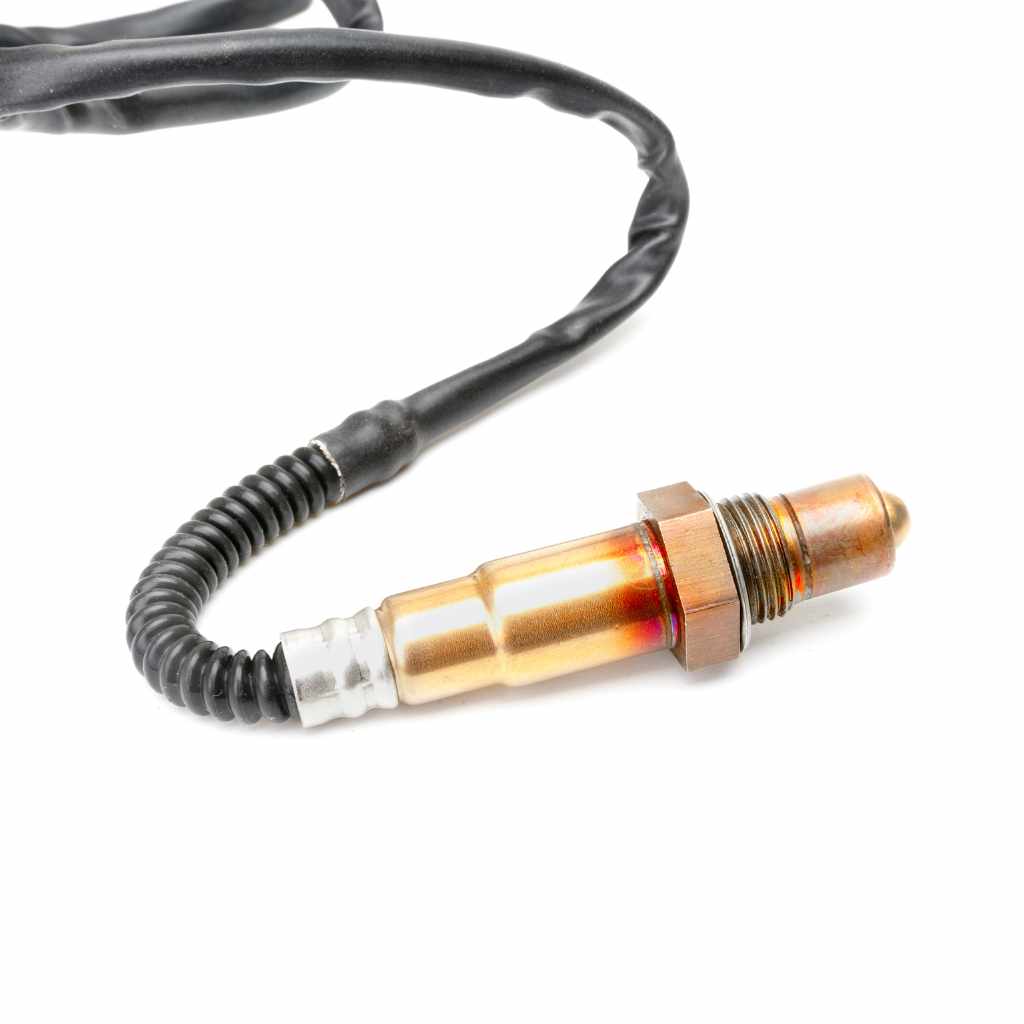
A: An O2 sensor (or AFR sensor) measures the concentration of oxygen or the overall air-fuel ratio in the exhaust gas. An $text{NO}_x$ sensor is highly specialized; it specifically measures the amount of Nitrogen Oxides (a gaseous pollutant) present to ensure the SCR system is working correctly.
Related pick: Check today's price on Amazon