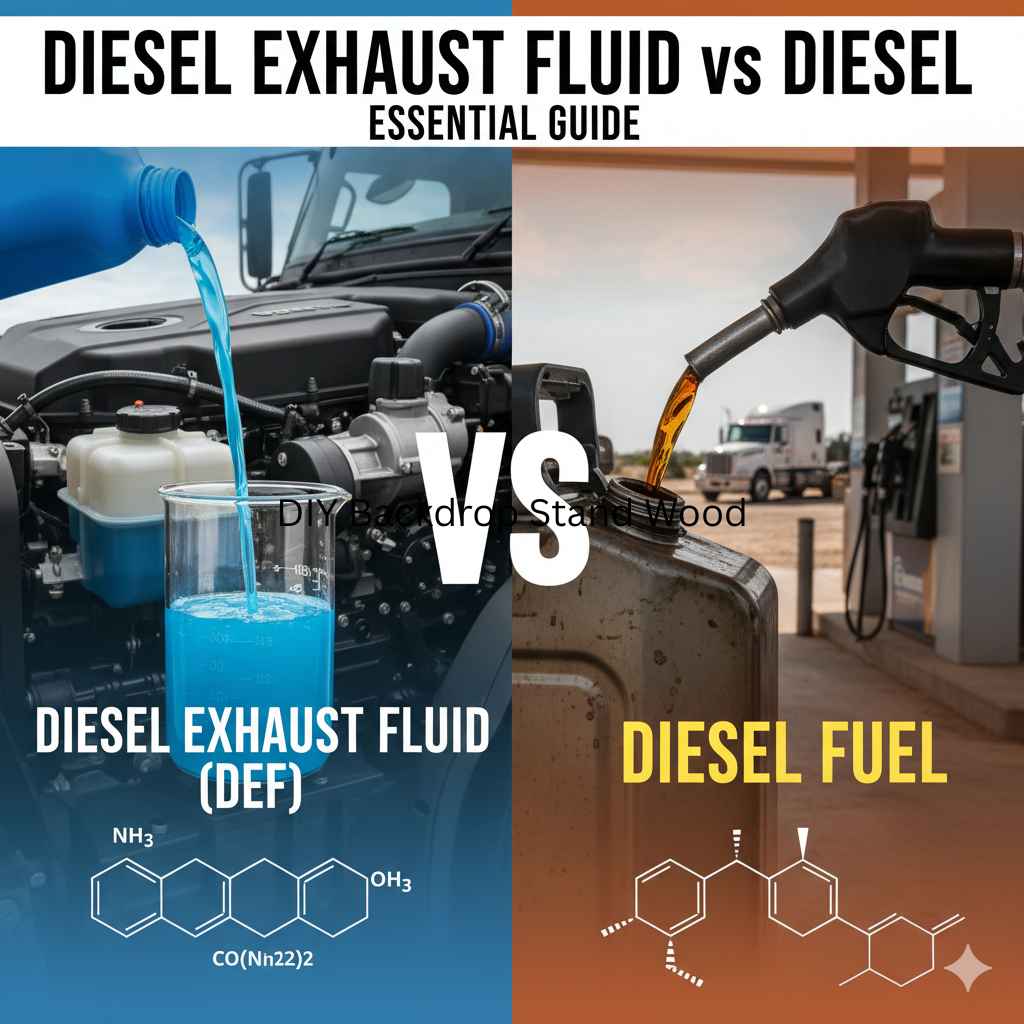
Diesel Exhaust Fluid vs Diesel: Essential Guide
Diesel Exhaust Fluid (DEF) is a liquid used to treat exhaust from diesel engines, not fuel. Diesel is the fuel that powers your engine. Understanding their distinct roles is key to maintaining your diesel vehicle’s health and emissions compliance.

ACDelco
ACDelco GM Original Equipment 10-4022 Diesel Exhaust…
- Meets GM Original Equipment specifications to be approved for use in GM vehicles as well as in non-GM diesel vehicles that have an…
- High quality formula is made from high purity urea and deionized water.
- Meets API regulations and ISO 22241 standard for purity and concentration
As an Amazon Associate I earn from qualifying purchases.
Ever looked at your diesel car or truck and seen two separate tanks, one for that familiar black diesel fuel and another for a clear liquid called Diesel Exhaust Fluid (DEF)? It can be confusing, right? You might wonder if they’re related, or what that other tank is even for. Many car owners feel this way, and it’s totally okay to need a little guidance.
The good news is, it’s not as complex as it sounds! We’re here to break down the difference between diesel fuel and DEF in a way that’s easy to understand. Think of me as your friendly guide, here to make sure you know exactly what’s what under the hood.
By the end of this guide, you’ll be a pro at knowing what each liquid does and why it’s crucial for your diesel vehicle. Let’s clear up the confusion and get you feeling confident about your diesel engine’s needs!
Diesel Exhaust Fluid vs Diesel: What’s the Difference?
It’s a common question: is Diesel Exhaust Fluid (DEF) just a different type of diesel fuel? The answer is a resounding no! They have completely different jobs and ingredients.
Think of it this way: Diesel is the energy source, the stuff that makes your engine run. DEF is more like a special cleaning agent for the exhaust gases after they leave the engine.
Let’s dive deeper into what each one is and what it does.
What is Diesel Fuel?
Diesel fuel is the primary liquid that powers your diesel engine. It’s an oil-based fuel derived from petroleum. When it’s injected into the engine’s cylinders, it ignites under high pressure, creating the combustion that drives your vehicle forward.
It’s the lifeblood of your diesel vehicle, providing the energy for everything from a gentle cruise to a heavy haul.
What is Diesel Exhaust Fluid (DEF)?
Diesel Exhaust Fluid, often called AdBlue in Europe, is a mixture of de-ionized water and urea. That might sound a bit strange for something used in cars, but it has a very important purpose.
DEF is a consumable fluid. This means you have to refill the DEF tank periodically, just like you refill your windshield washer fluid. It’s not actually a fuel additive in the traditional sense; it’s an emissions control additive.
Its main job is to meet stricter environmental regulations by reducing harmful nitrogen oxides (NOx) that come out of diesel engines.

The Science Behind DEF: Selective Catalytic Reduction (SCR)
To really understand why DEF exists, we need to talk about emissions. Diesel engines are known for being powerful and efficient, but they can also produce significant amounts of nitrogen oxides (NOx). NOx gases are harmful air pollutants linked to smog, acid rain, and respiratory problems.
To combat this, many modern diesel vehicles are equipped with a system called Selective Catalytic Reduction, or SCR. This is where DEF comes into play.
How SCR Works with DEF
The SCR system is a critical part of your diesel vehicle’s exhaust system. Here’s a simple breakdown of how it works:
- Exhaust Gases Enter: Hot exhaust gases, containing NOx, flow out of the engine and into the exhaust pipe.
- DEF is Injected: A precise amount of Diesel Exhaust Fluid (DEF) is injected into the exhaust stream before it reaches the SCR catalyst.
- DEF Turns into Ammonia: Inside the hot exhaust system, the urea in DEF breaks down, creating ammonia (NH3) and carbon dioxide (CO2).
- NOx Conversion: As the exhaust gases (now containing ammonia) pass through the SCR catalyst, the ammonia reacts with the nitrogen oxides (NOx). This chemical reaction transforms the harmful NOx into harmless nitrogen gas (N2) and water vapor (H2O), which are naturally present in the air.
This process might sound complex, but it’s all managed automatically by your vehicle’s computer. The key takeaway is that DEF is essential for EPA and other worldwide emissions standards for diesel vehicles. Without it, your vehicle’s emissions would be too high, and it might even go into a “limp mode” or refuse to start.
You can find more detailed information on SCR technology from reputable sources like the U.S. Environmental Protection Agency (EPA).
Key Differences Summarized
To make it super clear, let’s put the main differences side-by-side in a table. This will help you quickly recall their distinct roles.
| Feature | Diesel Fuel | Diesel Exhaust Fluid (DEF) |
|---|---|---|
| Purpose | Energy source for the engine (fuel) | Emissions control additive (reduces NOx) |
| Composition | Petroleum-based hydrocarbon | 32.5% urea and 67.5% de-ionized water |
| Location of Use | Combusted inside the engine cylinders | Injected into the exhaust system before the SCR catalyst |
| Tank Location | Main fuel tank | Separate, smaller DEF tank |
| Consumption Rate | Consumed with every engine cycle | Consumed only when the engine is running and treating exhaust (typically much less than fuel) |
| Effect if Mismatched | Engine may not run or will run very poorly if DEF is put in the fuel tank. | Vehicle emissions will be too high; may go into limp mode or not start if DEF tank is empty/fluid is contaminated. |
Where Do You Find and Fill Them?
The location of the tanks for diesel fuel and DEF is one of the most obvious differences you’ll notice when maintaining your vehicle. It’s crucial to know which is which to avoid costly mistakes.
Diesel Fuel Tank
This is the tank you’re likely most familiar with. The diesel fuel filler cap is usually located with other vehicle fluids, often on the outside of the vehicle in a convenient flap or panel behind the driver’s seat.
Important Tip: Diesel fuel pumps at gas stations are typically brown or black, while unleaded gasoline pumps are often green or red. Always ensure you select the correct diesel pump.
Diesel Exhaust Fluid (DEF) Tank
The DEF tank is a separate, smaller reservoir onboard your vehicle. Its location can vary significantly between different makes and models:
- Common locations: Often found in the trunk, under the rear of the vehicle, or sometimes alongside the diesel fuel tank.
- Filler Neck: The DEF filler neck is usually blue to help distinguish it from the diesel fuel filler. It’s often located near the diesel fuel filler cap, but sometimes it might be in a different spot, like inside the trunk or under the hood.
Safety First! Never, ever put diesel fuel into the DEF tank. Doing so can severely damage your SCR system and lead to expensive repairs. Similarly, do not put DEF into your diesel fuel tank. If you accidentally do either, do not start the engine and consult a professional immediately.
When and How to Refill DEF
Refilling your DEF is a straightforward maintenance task that many owners can do themselves. Your vehicle will usually give you plenty of warning when the DEF level is getting low.
Monitoring Your DEF Level
Modern diesel vehicles have sophisticated systems to track your DEF level. You’ll typically see:
- Dashboard Indicators: A gauge or warning light on your dashboard will illuminate when the DEF level drops below a certain point.
- On-Screen Messages: Your vehicle’s information display might show messages indicating how much DEF is left and an estimated range until it runs out.
- Audible Warnings: Some vehicles may also provide audible alerts.
It’s important to heed these warnings. Most vehicles will prevent you from starting the engine once the DEF tank is completely empty, to ensure compliance with emissions regulations. Some might even limit the engine’s power (limp mode).
How to Refill Your DEF Tank
Refilling is a simple process, but it’s important to do it carefully to avoid spills and contamination.
- Purchase DEF: You can buy DEF at most auto parts stores, truck stops, and even some larger retail stores. It’s usually sold in jugs or sometimes in larger tanks at fuel stations. Make sure to buy a quality DEF certified by the American Petroleum Institute (API) or other regulatory bodies. The API provides guidance on DEF quality.
- Park Your Vehicle: Park your vehicle on a level surface.
- Locate the DEF Tank: Open the vehicle’s fuel filler door and identify the blue DEF filler cap. If it’s not there, refer to your owner’s manual for its exact location.
- Open the DEF Cap: Carefully remove the blue DEF cap.
- Use a Funnel (Recommended): For jugs, it’s highly recommended to use a dedicated DEF funnel. These often come with the jug or can be purchased separately. This helps prevent spills.
- Pour DEF Slowly: Carefully pour the DEF into the tank. Avoid overfilling. Most DEF dispensing systems or jugs will have an automatic shut-off or are designed to stop when full.
- Replace the Cap: Once refilled, securely screw the blue DEF cap back onto the tank.
- Start the Engine: Start your vehicle’s engine and let it run for a minute or two. The vehicle’s computer needs time to register the new fluid level. You may need to drive a short distance for the system to reset.
Important: Always use a clean funnel that has only ever been used for DEF. Any contamination of the DEF can cause issues with the SCR system. Do not use additives in your DEF.
Common Mistakes to Avoid
As your automotive guide, my priority is to keep you operating safely and efficiently. Here are a few common mistakes people make with DEF and diesel fuel. Avoiding these can save you a lot of headaches and money!
Mistake 1: Putting DEF in the Diesel Fuel Tank
This is arguably the most crucial mistake to avoid. If DEF enters your fuel tank, it can cause significant damage to your fuel injectors, fuel pump, and the entire fuel system. The urea in DEF can crystalize when heated and contaminate your fuel lines. If this happens, you’ll likely need professional cleaning and potentially part replacement. Your vehicle may not start or will run very poorly.
Mistake 2: Putting Diesel Fuel in the DEF Tank
While less common, this error can also lead to severe problems. Diesel fuel is not meant to be injected into the SCR system. It can clog the DEF injector, damage the catalyst, and disrupt the entire SCR process. The system relies on pure DEF to function correctly. If you make this mistake, do not start your engine and seek professional help.
Mistake 3: Using Contaminated DEF
DEF is a pure solution. Contaminants like dirt, oil, rust, or other chemicals can damage the SCR system. Always use DEF from reputable sources and ensure any funnels or containers you use are clean and dedicated solely to DEF. Avoid refilling from containers that look dirty or suspect.
Mistake 4: Not Refilling When Warned
Modern vehicles provide ample warning for low DEF levels. Ignoring these warnings can lead to the vehicle entering a reduced power mode or even refusing to start until DEF is added. Plan your refills accordingly, especially before long trips.
Mistake 5: Using “Diesel Additives” in the DEF Tank
DEF is a specific chemical solution. You should NEVER add any other “additives” or cleaners to the DEF tank. These are not formulated for the SCR system and can cause serious damage.
When Do You Need to Worry About DEF?
In short, any diesel vehicle manufactured since roughly 2010 (in the US) or later, especially those with modern emission controls, will have an SCR system and require DEF. This includes:
- Most modern pickup trucks (e.g., Ford Super Duty, Ram Heavy Duty, Chevrolet Silverado HD, GMC Sierra HD)
- Heavy-duty trucks and commercial vehicles
- Many larger SUVs and some passenger cars with diesel engines
The best way to know for sure is to check your vehicle’s owner’s manual. It will clearly state if your vehicle uses DEF and where to find the DEF tank and filler cap.
Benefits of Using DEF Correctly
Using DEF correctly is not just about avoiding problems; it offers significant benefits for your vehicle and the environment:
- Environmental Compliance: It allows your diesel vehicle to meet stringent emissions standards, reducing harmful pollutants in the air. This is crucial for the health of our planet and communities.
- Engine Performance and Longevity: A properly functioning SCR system ensures your engine runs at its optimal performance levels. By reducing harmful emissions, it also contributes to the overall health and longevity of your engine and exhaust system.
- Avoiding Penalties: In many regions, tampering with or disabling emissions control systems carries hefty fines. Correct DEF usage keeps you compliant.
- Maintaining Resale Value: Vehicles with intact and functioning emissions systems typically hold their value better.

Frequently Asked Questions (FAQ)
What happens if I run out of Diesel Exhaust Fluid?
Most modern diesel vehicles will issue a warning when the DEF tank is low. If you continue to drive and the tank runs empty, the vehicle will typically enter a reduced power mode or refuse to restart until DEF is added. This is a built-in system to ensure emissions compliance.
Can I put DEF in my diesel truck in cold weather?
Yes, DEF is designed to be used in cold weather. It has a freezing point of about 12°F (-11°C). Most vehicles have a heating element in or around the DEF tank and lines to prevent freezing or to thaw it out if it does freeze. If you are storing DEF, it’s best to keep it within recommended temperature ranges, but the fluid itself is formulated to handle freezing and thawing.
How often do I need to refill the DEF tank?
The frequency of DEF refills depends on your driving habits and vehicle. Generally, a DEF tank needs refilling roughly every 500 to 1,000 miles for passenger trucks, and more often for heavy-duty trucks. Your vehicle will alert you when it’s time to refill.
Is DEF dangerous to handle?
DEF itself is non-toxic and not hazardous. It is made of a urea and water mixture. However, it can be irritating to the eyes and skin, so it’s good practice to wear gloves and avoid splashing. The main concern is contamination. Also, if you get DEF in your eyes, rinse with plenty of water.
Can I buy DEF online?
Yes, you can purchase DEF online from various retailers. However, ensure you are buying from a reputable seller, as product quality is paramount. It’s often easier and more cost-effective to buy DEF from local auto parts stores or truck stops, especially if you need it on short notice.
What is “DEF fluid quality”?
DEF fluid quality refers to its purity and adherence to industry standards, like those set by the American Petroleum Institute (API). High-quality DEF contains the correct concentration of urea (32.5%) and is free from contaminants. Using low-quality or contaminated DEF can damage your vehicle’s SCR system.
My car doesn’t have a DEF tank. Does it still use diesel?
Yes, all diesel vehicles use diesel fuel. If your vehicle does not have a DEF tank or SCR system, it might be an older model that doesn’t meet the latest stringent emissions standards, or it uses a different emissions control technology (like Diesel Particulate Filters (DPF) alone, or Exhaust Gas Recirculation (EGR)). However, all diesel vehicles require diesel fuel to operate.
Conclusion
Understanding the difference between diesel fuel and Diesel Exhaust Fluid (DEF) is a vital part of maintaining your modern diesel vehicle. Remember, diesel fuel is what powers your engine, providing the energy for every journey. DEF, on the other hand, is a crucial element in your vehicle’s emissions control system, specifically designed to convert harmful nitrogen oxides into harmless nitrogen and water vapor.
Related pick: Check today's price on Amazon