CRV RD1 Exhaust System Auto Vs Manual: Effortless Choice
Your CRV RD1 exhaust system choice between automatic and manual is simpler than you think! Both options offer reliable performance, but the key differences lie in installation complexity and potential sound customization. For most beginners, the choice is effortless based on ease of fit and your desired exhaust note.
Got a trusty Honda CR-V RD1 and wondering about its exhaust system, specifically the difference between automatic and manual versions? It’s a question that pops up for many CR-V owners, especially when it’s time for a replacement or an upgrade. You might be thinking it’s a complex technical detail, but honestly, choosing the right exhaust for your RD1, whether it’s an auto or a manual, is usually quite straightforward.
We’re here to break down the mystery in a way that’s easy to understand, no matter your experience level. We’ll guide you through what really matters so you can make the best decision for your CR-V. Get ready to feel confident about your exhaust system!
Understanding Your CRV RD1 Exhaust System: Auto vs. Manual Explained
Let’s dive into what makes the exhaust systems for a CRV RD1 slightly different between automatic and manual transmissions. It’s not a huge, world-changing difference, but it’s important to know what components might vary. Primarily, the variations are minor and usually revolve around how the exhaust pipes connect to the rest of the drivetrain.
For most CRV RD1 models, the exhaust system consists of several key parts:
- Exhaust Manifold: This collects exhaust gases from the engine cylinders.
- Catalytic Converter: This crucial part cleans up harmful emissions before they go into the atmosphere.
- Muffler: This component quiets down the exhaust noise.
- Resonator: Often found before the muffler, this helps fine-tune the exhaust sound.
- Tailpipe: The final section that directs exhaust gases out from the vehicle.
The core function of the exhaust system – to safely remove combustion byproducts and reduce noise – remains the same regardless of transmission type. The main consideration for owners comes into play when selecting a replacement part or looking for performance upgrades.
The Minor Differences: What Actually Varies?
While the core components are the same, the path the exhaust takes, especially around the transmission area, can differ slightly.
- Automatic Transmission Models: These often have a slightly more complex routing of the exhaust piping to navigate around the torque converter and transmission case. This might mean a different bend or length in a particular pipe section.
- Manual Transmission Models: These transmissions are generally a bit more compact. The exhaust piping might have a slightly simpler path, with fewer intricate bends needed to fit.
These differences are usually subtle and specific to the exact year and configuration of your CRV RD1. When purchasing a replacement exhaust system, the most critical step is to always specify your vehicle’s year, make, model, and importantly, its transmission type (automatic or manual). Reputable auto parts suppliers will have detailed catalogs to ensure you get the correct part.
Why Does Transmission Type Matter for Your Exhaust?
You might be thinking, “How can the transmission really affect the exhaust?” It’s a fair question! The engine produces exhaust gases, so why would the gearbox make a difference? The answer lies in the physical space and the routing required for each transmission type.
Imagine building a highway. Sometimes, you need to add a few extra curves or adjust the length of a bridge to go around an obstacle. In your car, the transmission is that obstacle. An automatic transmission is typically a bit bulkier due to its internal workings like a torque converter. This means the exhaust pipe might need to be shaped differently to fit neatly underneath the vehicle without hitting anything or compromising ground clearance.
A manual transmission, on the other hand, is often more streamlined. This can allow for a more direct or simpler exhaust pipe path. For the most part, these are minor alterations to pipe shape and length. They don’t fundamentally change how the exhaust system performs its job of moving gases and reducing noise.
When you’re buying a complete exhaust system or even just a section like the mid-pipe or muffler, checking for compatibility with your specific transmission type is key. It ensures a smooth installation and that everything fits as intended by the manufacturer.
Performance and Sound: Are There Differences?
This is where many enthusiasts get curious. Does having an automatic versus a manual transmission significantly impact the sound or performance of your CRV RD1’s exhaust system?
For the most part, the intended sound and performance characteristics of an exhaust system are designed to be universal for a given model, like the CRV RD1. However, there can be subtle influences.
Sound Nuances
- Muffler Design: Mufflers are the primary sound dampeners. While aftermarket muffler designs are what truly alter the sound, the factory muffler might have internal baffles or chambers shaped slightly differently to optimize for the specific sound profile that Honda engineers aimed for with each transmission type.
- Pipe Routing: The lengths and bends in the exhaust piping can technically influence the resonance and tone of the exhaust note, even subtly. A slightly different pipe path could, in theory, alter how sound waves travel and reflect within the system.
However, for the average driver, especially with a stock or mild aftermarket exhaust, these sound differences are highly unlikely to be noticeable. If you’re planning a performance exhaust upgrade, the brand, design of the muffler and resonator, and piping diameter will have a much greater impact on sound than whether your CRV RD1 is an auto or manual.
Performance Considerations
Similarly, the performance gains from an exhaust system primarily come from reducing backpressure (how easily exhaust gases can exit the engine) and improving exhaust flow. While pipe routing for auto vs. manual can have minor effects on flow dynamics, these are typically negligible in terms of real-world horsepower or torque gains for a CRV RD1.
If you’re seeking a performance boost, focus on:
- Exhaust Diameter: Larger pipes can sometimes improve flow, but too large can hurt low-end torque.
- Muffler and Resonator Type: Straight-through designs generally offer less restriction than chambered ones.
- Material: Stainless steel often lasts longer and can be lighter than mild steel.
In essence, unless you’re a professional racer fine-tuning every last detail, the auto vs. manual distinction has minimal impact on the audible sound or measurable performance of your CRV RD1’s exhaust system.
Choosing Your CRV RD1 Exhaust: Installation and Fitment
When it comes to putting a new exhaust system on your CRV RD1, compatibility is king. This is where knowing your transmission type is absolutely essential for a smooth installation process.
The differences, though minor, mean that an exhaust designed for an automatic CRV RD1 might not perfectly align or fit an exhaust designed for a manual. This could lead to:
- Mounting Issues: Hangers might not line up correctly.
- Pipe Alignment Problems: Sections might not connect seamlessly, requiring stressful modifications.
- Clearance Concerns: Pipes could be too close to the transmission or driveshaft, posing a safety risk.
Steps for Ensuring a Proper Fit:
Here’s how to make sure you get the right exhaust system for your CRV RD1:
- Identify Your Transmission: Double-check if your CRV RD1 has an automatic (often labelled “AT” or “Auto”) or manual (often labelled “MT” or “Manual”) transmission. This is usually found on a sticker in the engine bay, on the door jamb, or in your owner’s manual.
- Consult Your Owner’s Manual: Sometimes, specific part numbers or diagrams are listed here, which can be helpful when talking to parts suppliers.
- Use Reputable Parts Catalogs: When ordering online or visiting an auto parts store, always use their vehicle-specific lookup tool. Enter your CRV RD1’s year, model, and ensure you select the correct transmission type.
- Communicate Clearly: If ordering by phone or in person, explicitly state your transmission type. For example, “I need an exhaust for a 1998 Honda CR-V, automatic transmission.
- Consider a Full System vs. Components: If replacing a rusted or damaged muffler or mid-pipe, be extra careful to order the correct part number for your transmission. If upgrading to a full cat-back system, the manufacturer will usually have specific part numbers for auto and manual versions.
When to Seek Professional Help
While exhaust system work can be DIY-friendly, especially for bolt-on replacements, some situations call for a mechanic’s expertise:
- Rusted or Stuck Bolts: Old exhaust systems can be a nightmare to unbolt.
- Complex Welded Systems: Some performance systems require welding, which is best left to professionals.
- If You’re Unsure: If you’ve ordered what you think is the right part and it doesn’t seem to fit, don’t force it. A professional can often make minor adjustments or identify if the wrong part was indeed purchased.
A correct, well-fitting exhaust system is crucial for both performance and safety. Ensuring you specify your transmission type is the easiest way to guarantee this.
Aftermarket Upgrades: What’s Available for CRV RD1?
The Honda CR-V RD1, while a capable and reliable vehicle, also has a dedicated enthusiast community. This means there are aftermarket options for exhaust systems, aiming to improve sound, performance, or simply replace worn-out original parts with something a bit more stylish or durable.
When looking at aftermarket exhausts, the auto vs. manual consideration will still apply. Manufacturers of performance exhaust systems will typically designate parts based on transmission type just like OEM (Original Equipment Manufacturer) parts do.
Types of Aftermarket Exhausts:
- Cat-Back Systems: These replace everything from the catalytic converter back to the tailpipe. They are popular for their ability to alter sound and offer moderate performance gains.
- Axle-Back Systems: These are simpler replacements, usually just involving the muffler and tailpipe section. They offer less significant sound changes but are often more affordable.
- Headers/Exhaust Manifolds: These replace the factory manifold. This is a more involved upgrade that can offer noticeable performance improvements, but typically requires more technical knowledge for installation and may affect emissions compliance.
What to Look For in an Aftermarket Exhaust:
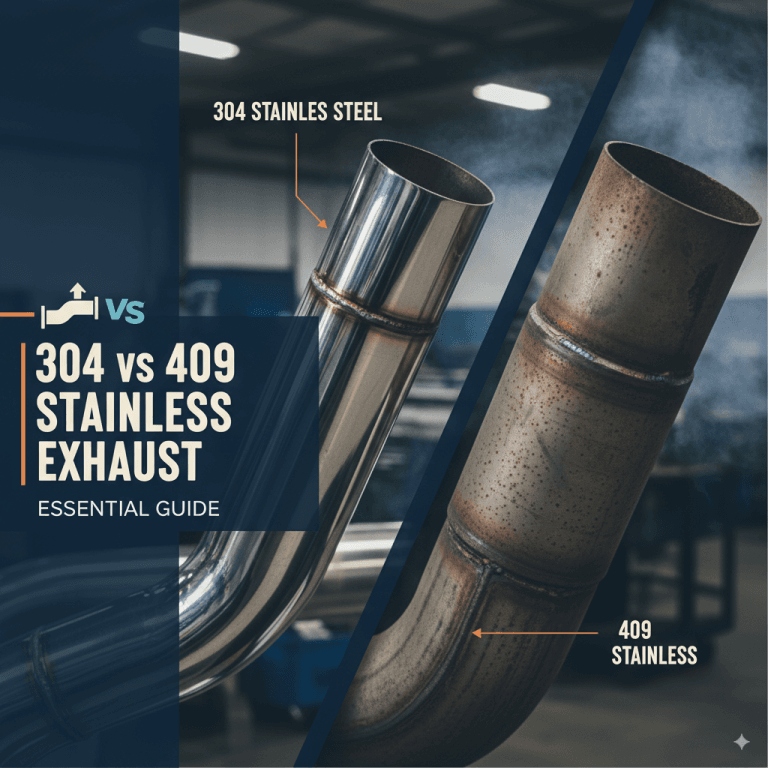
- Material: Most quality aftermarket exhausts are made from stainless steel to resist rust and corrosion. Be sure to check the grade of stainless steel. Stainless steel offers excellent durability.
- Sound Profile: Manufacturers usually provide sound clips or descriptions (e.g., “mild rumble,” “aggressive tone”).
- Design: Look at whether it’s a single or dual exit, the style of the muffler tip, and the overall aesthetic.
- Ease of Installation: Many aftermarket systems are designed as direct bolt-in replacements, minimizing the need for cutting or welding.
When considering an aftermarket exhaust, always check reviews and forums specific to the CRV in your generation. You can often find real-world feedback on sound, fitment, and longevity for both automatic and manual versions.
Maintenance Tips for Your CRV RD1 Exhaust System
Regardless of whether your CR-V RD1 has an automatic or manual transmission, proper maintenance is key to ensuring its longevity and keeping your car running smoothly and quietly.
An exhaust system works hard to handle high temperatures and corrosive exhaust gases. Over time, parts can wear out, rust, or develop leaks. Regular checks can prevent minor issues from becoming major, expensive problems.
Regular Checks You Can Do:
- Visual Inspection: Periodically look under your car at the exhaust system. Check for any signs of rust, holes, or damage. Pay close attention to the muffler, pipes, and hangers.
- Listen for Changes: Any new rattling, buzzing, or loud noises when you start the car or during acceleration can indicate a problem, such as a loose hanger or a developing leak.
- Check for Leaks: A common sign of an exhaust leak is an unusually loud noise or a “hissing” sound, especially when the engine is cold. You might also smell exhaust fumes inside the cabin, which is a serious safety concern.
- Inspect Hangers and Mounts: The rubber hangers that hold the exhaust system in place can degrade over time. Ensure they are intact and holding the exhaust securely.
Common Issues and How to Address Them:
- Rust: This is the most common enemy. Keep an eye on areas prone to rust, especially in regions with salt on the roads during winter. Surface rust can often be treated, but significant perforation usually means replacement is needed.
- Holes/Leaks: Small holes can sometimes be patched with specialized exhaust repair putty or tape, but larger holes or cracks usually require replacing the affected section or component.
- Loose Components: If you hear rattling, it might be a bracket or hanger that has come loose. These are often simple fixes involving tightening bolts or replacing a broken hanger.
- Catalytic Converter Issues: While not directly related to auto vs. manual, a failing catalytic converter can cause poor engine performance, a check engine light, and a rotten egg smell. These are critical components for emissions, and their replacement is usually costly and requires professional installation. The legal requirements for catalytic converters can be found on government websites like the Environmental Protection Agency (EPA).
Remember, if you suspect an exhaust leak, especially one that allows fumes into the cabin, get it checked by a professional immediately. Exhaust fumes contain carbon monoxide, which is odorless, colorless, and dangerous.
Table: CRV RD1 Exhaust System – Auto vs. Manual Comparison
To help visualize the key differences and similarities, here’s a table summarizing the aspects we’ve discussed.
| Feature | Automatic Transmission CRV RD1 | Manual Transmission CRV RD1 |
|---|---|---|
| Exhaust System Type | Designed to fit around automatic transmission components (e.g., torque converter). | Designed for a potentially simpler path around manual transmission components. |
| Pipe Routing & Bends | May have slightly different bends or pipe lengths due to transmission housing. | Often a more straightforward pipe routing. |
| Installation Fitment | Requires parts specifically designed for automatic transmission. | Requires parts specifically designed for manual transmission. |
| Sound Profile (Stock) | Essentially the same engineered sound profile as manual for the same model year. | Essentially the same engineered sound profile as automatic for the same model year. |
| Performance Gains (Stock) | Negligible difference from manual transmission models. | Negligible difference from automatic transmission models. |
| Aftermarket Availability | Available, with specific part numbers often designated for automatic versions. | Available, with specific part numbers often designated for manual versions. |
| Maintenance Requirements | Identical to manual transmission models. | Identical to automatic transmission models. |
| Cost (OEM Replacement) | Generally comparable, though specific part numbers may vary slightly in price. | Generally comparable, though specific part numbers may vary slightly in price. |
As you can see from the table, the core functionality, maintenance, and sound/performance potential of the exhaust system are largely identical. The primary distinction lies solely in the physical fitment due to the transmission housing.
Frequently Asked Questions (FAQ)
Here are some common questions that beginners might have about the CRV RD1 exhaust system when considering automatic versus manual transmissions.
Q1: Do I really need to specify my transmission type when buying an exhaust for my CRV RD1?
A1: Yes, absolutely! While the sound and performance differences are minimal, the physical shape and routing of exhaust pipes can vary slightly between automatic and manual transmissions to ensure proper fitment and avoid interference with the transmission itself. Always specify your transmission type.
Q2: Will an exhaust for an automatic CRV RD1 fit my manual CRV RD1?
A2: It’s unlikely to fit perfectly without modification. The bends and lengths of the pipes may be different, leading to alignment issues, clearance problems, or difficulty in bolting everything up correctly. It’s best to get the exact exhaust designed for your transmission.
Q3: Are aftermarket exhaust systems louder for manual CRVs than automatics?
A3: No, the sound level and tone of an aftermarket exhaust are determined by its design (muffler, resonator, pipe diameter) and not the transmission type of your CRV RD1. Manufacturers will offer specific systems for both auto and manual applications, so you can choose the sound you want regardless of your transmission.
Related pick: Check today's price on Amazon