Are Exhaust Resonators Restrictive?
Let’s Talk About Exhaust Resonators

Drynochet
Drynochet 2.5" Ultra Quiet Resonator 304 Stainless…
- DESIGN: Professional-grade 2.5” resonator muffler engineered to eliminate exhaust drone and harsh noise while preserving deep, agg…
- CONSTRUCTION:Marine-grade construction resists rust, corrosion, and extreme temperatures - backed by superior welding and polished…
- UNIVERSAL FIT: Direct-fit design works with most 2.5” exhaust systems - includes precise inlet/outlet sizing for seamless installa…
As an Amazon Associate I earn from qualifying purchases.
I love working on cars. One day, my friend asked, “Are exhaust resonators restrictive?” I smiled, remembering my first car—a loud old Mustang that rattled the neighbors’ windows. I added a resonator to quiet it down, but I wondered if it slowed my car. This article will explain exhaust resonators in simple words. We’ll cover what they do, if they hurt performance, and how to tweak your car’s exhaust. Whether you’re new to cars or a gearhead, you’ll find easy tips and fun ideas here.
What Is an Exhaust Resonator?
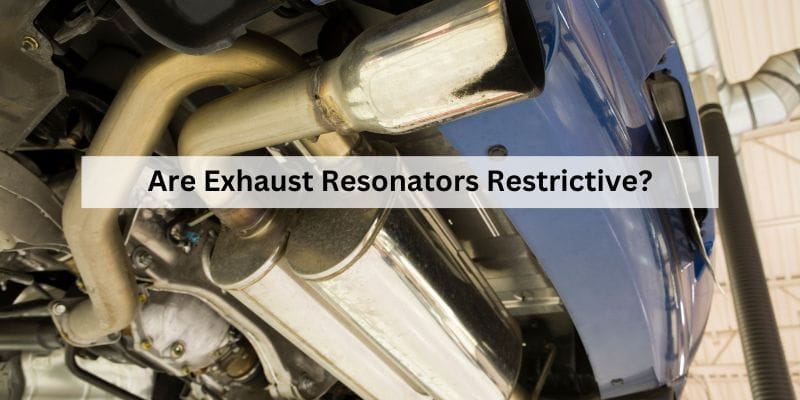
An exhaust resonator is a part in your car’s exhaust system. It helps make the engine sound nicer. Cars make loud noises when they burn fuel. Resonators quiet down annoying sounds, like high-pitched whines or drones. They sit between the catalytic converter and the muffler. Think of them as a sound filter for your car.
Resonators use a simple trick called destructive interference. This means they cancel out loud noises by bouncing sound waves inside a chamber. The result? A smoother, quieter exhaust note. Most cars, like Hondas or Fords, have resonators to keep things calm.
Are Exhaust Resonators Restrictive?
Here’s the big question: are exhaust resonators restrictive? Many car lovers worry resonators block exhaust flow and hurt performance. Let’s break it down.
Resonators can add a tiny bit of backpressure. Backpressure is when exhaust gases can’t flow freely. Too much backpressure might reduce engine power. But modern resonators are designed to be less restrictive. They let gases flow while taming noise. For most cars, the power loss is so small you won’t notice it.
I once removed a resonator from my Mustang to make it louder. The car felt a bit peppier, but the drone was awful on long drives. Studies, like those from MagnaFlow, show resonators cut power by less than 1-2% in most cases. That’s tiny for daily drivers.
How Do Resonators Affect Sound?
Resonators shape your car’s sound. They cut out harsh noises, like buzzing or droning. Without a resonator, your car might sound raw and loud. Some people love that, but others find it annoying.
For example, my friend’s Civic had a loud aftermarket exhaust. It sounded cool at first, but the drone hurt our ears on road trips. Adding a resonator made it deep and smooth without losing the sporty vibe. Resonators don’t silence your car like mufflers. They refine the sound.
Comparing Resonators and Mufflers
Resonators and mufflers both quiet your car, but they’re different. Let’s compare them in a simple table.
Table 1: Resonator vs. Muffler Comparison
| Feature | Resonator | Muffler |
|---|---|---|
| Purpose | Tunes sound, reduces drone | Silences loud exhaust noise |
| Location | Before muffler | Near tailpipe |
| Power Impact | Minimal restriction | Can be more restrictive |
| Sound Effect | Smooths specific noises | Reduces overall volume |
This table shows resonators focus on sound quality, while mufflers focus on volume. Both work together for a great exhaust note.

Should You Remove Your Resonator?
Many car fans remove resonators to get a louder exhaust. This is called a “resonator delete.” It can make your car sound deeper and save a little weight. But there are pros and cons.
Pros of a Resonator Delete:
- Louder, more aggressive exhaust sound.
- Slight power gain (1-3 horsepower in some cases).
- Saves money if replacing a damaged resonator.
Cons of a Resonator Delete:
- Annoying drone, especially on highways.
- Might not pass local noise laws.
- Could make your car sound raspy or cheap.
I tried a resonator delete on my old truck. It sounded awesome in the garage but droned so much I put the resonator back. Check your local laws before trying this, as some states, like California, have strict noise rules.
How to Do a Resonator Delete (Step-by-Step)
Want to try a resonator delete? Here’s a simple guide. Always work safely and check local laws.
Steps for a Resonator Delete:
- Gather Tools: You’ll need a wrench, saw, exhaust pipe, clamps, and safety glasses.
- Lift the Car: Use a jack to raise your car safely.
- Find the Resonator: It’s between the catalytic converter and muffler.
- Cut the Resonator Out: Use a saw to remove it carefully.
- Install New Pipe: Replace the resonator with a straight pipe.
- Secure It: Use clamps to hold the pipe in place.
- Test Drive: Check for leaks and listen to the new sound.
Safety Tip: Wear gloves and glasses. Hot exhaust parts can burn you. If you’re new, ask a mechanic for help.
Table 2: Tools for Resonator Delete
| Tool | Purpose | Cost (Approx.) |
|---|---|---|
| Wrench | Loosen clamps | $10-$20 |
| Reciprocating Saw | Cut exhaust pipe | $50-$100 |
| Exhaust Pipe | Replace resonator | $20-$50 |
| Clamps | Secure new pipe | $5-$15 |
This table helps you plan the tools and budget for a resonator delete.
Alternatives to Resonators
Not sure about a resonator delete? You have options. Aftermarket resonators, like those from Vibrant Performance, can reduce drone without much restriction. Or, try a high-flow muffler for a louder sound with less backpressure.
Another idea is a cat-back exhaust system. These replace everything from the catalytic converter to the tailpipe. They’re pricier but give you a custom sound and better flow. I installed a cat-back on my Civic, and it was loud but smooth—no drone!
Tips for Choosing an Exhaust Setup
Here are my top tips for picking the right exhaust setup:
- Match Your Goal: Want a loud racecar sound? Skip the resonator. Want quiet? Keep it.
- Check Quality: Cheap resonators can rust fast. Buy stainless steel for durability.
- Test First: Listen to YouTube videos of exhaust setups for your car model.
These tips helped me avoid a bad exhaust mod on my last project car.
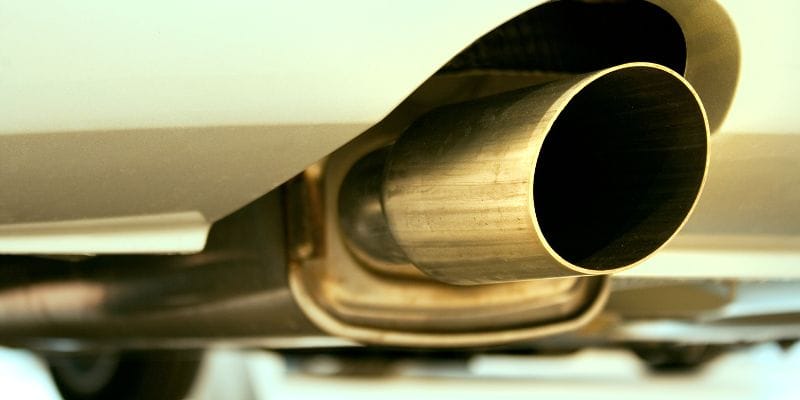
Visual Ideas for Better Understanding
To make this easier, imagine these visuals:
- Diagram of an Exhaust System: Show the resonator between the catalytic converter and muffler.
- Before/After Sound Chart: A simple graph comparing sound with and without a resonator.
- Resonator Cutaway: A picture showing the inside of a resonator with sound-dampening material.
These visuals would help you see how resonators work.
Common Mistakes to Avoid
When tweaking your exhaust, avoid these mistakes:
- Ignoring Local Laws: Loud exhausts can get you fined. Check rules first.
- Cheap Parts: Low-quality pipes rust fast and sound bad.
- Skipping Safety: Always use a jack stand when working under a car.
I learned the hard way when my cheap exhaust pipe rusted in a year. Stick to trusted brands like Borla for quality.
Table 3: Cost Comparison of Exhaust Mods
| Modification | Cost (Approx.) | Sound Impact | Power Impact |
|---|---|---|---|
| Resonator Delete | $50-$150 | Much louder | Slight gain |
| Aftermarket Resonator | $100-$300 | Smoother, quieter | Minimal loss |
| Cat-Back System | $500-$1500 | Custom sound | Better flow |
This table shows costs and effects to help you decide.
Conclusion
Exhaust resonators are small but mighty. They make your car sound better without much power loss. A resonator delete can add a loud, fun sound, but watch out for drone. Use my tips to pick the right setup for your car. Try a small exhaust mod, like adding a quality resonator, and hear the difference. Share your car projects in the comments—I’d love to hear about them! Let’s make our cars roar the right way.
Frequently Asked Questions
Do Exhaust Resonators Hurt Horsepower?
Resonators add a tiny bit of backpressure, but the power loss is small—usually 1-2%. For most cars, you won’t feel a difference. High-performance cars might notice a slight drop, but quality resonators keep flow smooth.
Can I Remove My Resonator Legally?
It depends on your state. Some places, like California, have strict noise laws. Check local rules before removing a resonator. A loud exhaust can lead to fines or failed inspections.
Will a Resonator Delete Make My Car Louder?
Yes, a resonator delete makes your car louder. It gives a deeper, more aggressive sound. But it can cause drone, especially on long drives, which might annoy you or passengers.
What’s the Difference Between a Resonator and a Muffler?
A resonator tunes specific sounds, like drones, to make the exhaust smoother. A muffler reduces overall noise. Resonators sit before mufflers in the exhaust system and have less impact on power.
How Much Does a Resonator Delete Cost?
A resonator delete costs $50-$150, including parts and tools. If you hire a mechanic, add $100-$200 for labor. Doing it yourself saves money but requires basic tools and care.
Are Aftermarket Resonators Better?
Aftermarket resonators, like Vibrant or MagnaFlow, can be less restrictive than stock ones. They’re often made of stainless steel, which lasts longer. They let you customize sound without much power loss.
Does a Resonator Affect Gas Mileage?
Resonators have almost no effect on gas mileage. Any change in backpressure is too small to impact fuel use. Other factors, like driving habits, affect mileage more.
Related pick: Check today's price on Amazon