What are Coupled Resonators: Unlocking Wave Dynamics
Have you ever wondered how your smartphone can pick up signals so effectively, or why certain musical instruments create such rich, harmonious sounds? The secret often lies in a fascinating concept called coupled resonators.
Imagine a system where two or more resonators—think of them as objects that naturally vibrate at particular frequencies—interact with each other to create something greater than the sum of their parts. This interaction can lead to enhanced signal processing in electronics or beautiful harmonies in acoustics.
You might not realize it, but coupled resonators play a crucial role in many of the technologies and systems you encounter every day. Grasping how they work could unlock a whole new level of understanding and appreciation for the devices and sounds that surround you. By the end of this article, you’ll gain insights into the magic of coupled resonators and discover how they impact your world. Are you ready to explore the power behind these intriguing systems? Let’s dive in!
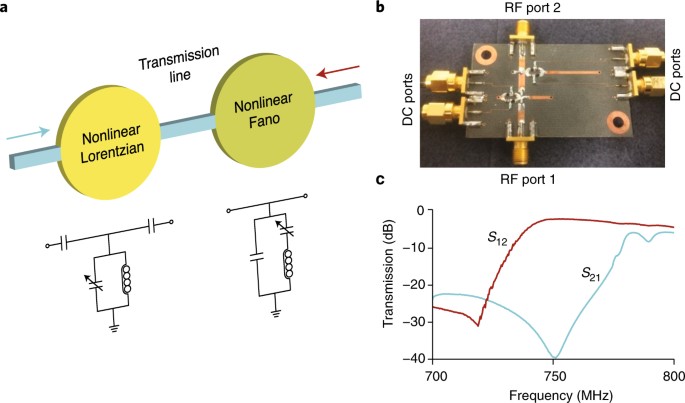
Credit: www.nature.com
Basics Of Resonators
Resonators are fascinating devices that play a crucial role in the world of physics and engineering. They are designed to amplify specific frequencies while suppressing others, creating a harmonious balance. Imagine walking into a room and hearing your favorite song playing perfectly, with every note crisp and clear. Resonators work similarly, ensuring that desired frequencies resonate beautifully while others fade into the background. Understanding the basics of resonators can open up new perspectives on how sound and waves interact.
Types Of Resonators
Resonators come in various forms, each tailored for specific applications. You might find acoustic resonatorsin musical instruments like guitars, where they enhance the sound produced by vibrating strings. Optical resonatorsare used in lasers to amplify light waves, creating intense beams. Electromagnetic resonatorsare fundamental in radio frequency circuits, helping tune signals for clear communication.
Knowing these types can help you understand their applications better. If you’ve ever adjusted the bass or treble on your stereo, you’re indirectly interacting with resonator principles. This everyday action reflects the underlying complexity and utility of resonators in making sound and signal management more effective.
Functionality In Wave Dynamics
Resonators play a pivotal role in wave dynamics by controlling how waves interact. Think of them as conductors orchestrating a symphony, ensuring each instrument plays at just the right volume. They work by amplifying certain frequencies while dampening others, much like turning the volume up on your favorite podcast while tuning out background noise.
The functionality of resonators in wave dynamics can be seen in everyday technology. Your smartphone uses resonators to filter signals, ensuring you get clear communication without interference. This precision is crucial, whether you’re sending a text, making a call, or browsing the internet. It’s intriguing to consider how these small components have such a significant impact on our daily lives.
Have you ever wondered why certain sounds or signals are clearer than others? Resonators are the hidden magic behind this clarity. They ensure that the world of waves is orderly and coherent, allowing us to enjoy the technology and experiences that define modern life.
Coupling Mechanisms
Coupled resonators are essential in various technological applications. They depend on effective coupling mechanisms. These mechanisms enable the transfer of energy between resonators. Understanding these is key to optimizing device performance.
Electromagnetic Coupling
Electromagnetic coupling uses electromagnetic fields for energy transfer. It’s common in wireless communication and sensors. This method allows for non-contact energy transmission. The resonators interact through electric or magnetic fields. This interaction is crucial for circuits and communication systems.
Mechanical Coupling
Mechanical coupling involves physical contact or proximity. It transfers energy through vibrations or waves. Think of it as a bridge between mechanical parts. This coupling is vital in acoustic devices and sensors. The physical connection ensures efficient energy transfer.
Wave Dynamics In Coupled Systems
Wave dynamics in coupled systems fascinate scientists and engineers alike. Coupled resonators share energy through waves. These waves create unique patterns. Understanding these patterns is key in many fields.
Think of a set of pendulums linked together. Their movement illustrates how waves transfer energy. In coupled resonators, similar interactions occur. These interactions influence energy transfer and frequency response.
Energy Transfer
Energy transfer is crucial in coupled resonators. Energy moves between resonators through waves. This process is seamless and efficient. Energy transfer affects the performance of devices. Engineers use this knowledge to design better systems.
Consider two resonators close together. Energy flows from one to the other. This flow happens through wave interaction. Understanding this can help optimize energy usage. It’s a simple yet profound concept.
Frequency Response
Frequency response defines how systems react to waves. In coupled resonators, this response is unique. Each resonator has a natural frequency. When coupled, their frequencies interact. This interaction creates new patterns.
These patterns affect how devices perform. Engineers study frequency response to improve technology. It helps in designing efficient communication systems. The right frequency response leads to better signal clarity.
Coupled resonators are not just theoretical. They have practical applications. From medical devices to communication tools, their impact is vast. Understanding wave dynamics is essential in today’s tech-driven world.

Credit: www.researchgate.net
Applications Of Coupled Resonators
Coupled resonators play a significant role in modern technology. They enhance the performance of various systems. These resonators are essential in different fields. Let’s explore some key applications.
Communication Systems
Coupled resonators improve signal processing in communication systems. They help in filtering signals effectively. This ensures clearer communication. Wireless communication greatly benefits from them. They enable efficient frequency selection. This is crucial for reliable data transmission.
Sensor Technologies
Sensors using coupled resonators detect changes with precision. They are used in environmental monitoring. These sensors measure temperature, pressure, and more. Medical devices also utilize them. They ensure accurate readings in diagnostics.
Design Considerations
Designing coupled resonators involves careful consideration of various factors. These factors ensure optimal performance and efficiency. Each aspect plays a crucial role in the resonator’s functionality.
Material Selection
Material selection is key in designing coupled resonators. The choice impacts the resonator’s frequency response and durability. Dielectric materials are commonly used due to their stability. They help maintain consistent performance over time. Metals can be used for their conductivity and robustness. The material’s thermal properties also affect the resonator’s reliability. Choosing the right material enhances the resonator’s efficiency.
Geometric Configuration
The geometric configuration affects the resonator’s behavior. Specific shapes can improve coupling efficiency. Circular or rectangular shapes are often used in designs. The size and spacing between resonators influence their interactions. A well-designed configuration minimizes energy loss. It also ensures effective signal transmission. Adjusting the geometry can tailor the resonator’s frequency range. Thoughtful geometric planning enhances the overall performance.
Challenges And Solutions
Exploring coupled resonators reveals unique challenges in controlling frequency and energy flow. Solutions often involve precise tuning and material selection. This ensures optimal performance in various applications like sensors and filters. Understanding these elements is key to advancing technology.
Coupled resonators play a vital role in various applications. They are used in fields like telecommunications and sensor technology. Yet, managing them presents unique challenges. Understanding these can help optimize their performance. Let’s explore the hurdles and solutions.
Loss Management
Loss in coupled resonators can affect efficiency. Energy dissipates due to material imperfections. Minimizing these losses is crucial for better performance. Advanced materials can help reduce energy loss. Quality manufacturing also plays a part. Regular testing ensures resonators function optimally.
Performance Optimization
Performance optimization is essential for resonators. Precise tuning enhances their functionality. Calibration techniques improve their accuracy. Automated systems can help with consistent adjustments. Feedback mechanisms offer real-time data for adjustments. This aids in maintaining peak performance levels.
Future Trends
Coupled resonators are devices that work together to control waves like light or sound. They can improve communication systems by making signals clearer and stronger. This technology might help create faster internet and better electronic devices in the future.
The future of coupled resonators is an exciting frontier. These tiny devices are crucial in many fields, from communications to sensing technologies. As we look ahead, several emerging trends are set to redefine their capabilities and applications.
Advancements In Nanotechnology
Nanotechnology is pushing the boundaries of what’s possible with coupled resonators. Tiny particles can now manipulate light and sound in ways we never imagined. This opens doors to smaller, more efficient resonators with enhanced performance. Imagine resonators that operate at the nanoscale, offering precision and control like never before. Such advancements could lead to breakthroughs in medical diagnostics and environmental monitoring. The possibilities are endless, and the pace of innovation is breathtaking. But what does this mean for you? Expect faster, more reliable devices in your everyday life. Think about the last time your phone call dropped or your internet lagged—nanotechnology in resonators could minimize these frustrations.
Integration With Quantum Computing
Quantum computing is another area where coupled resonators are making waves. These resonators can enhance the stability and efficiency of quantum systems. This could be a game-changer for computing power and processing speed. Consider the potential of solving complex problems in seconds that would take traditional computers years. Coupled resonators could be the key to unlocking this future. As quantum computing becomes more mainstream, coupled resonators will likely play a pivotal role. They offer a path to more precise and reliable quantum circuits. This could revolutionize industries ranging from finance to pharmaceuticals. Are you ready to see how these trends will transform technology? Keep an eye on coupled resonators as they move from the lab to the real world. They might just be the unsung heroes of the next tech revolution.

Credit: www.researchgate.net
Frequently Asked Questions
What Are Coupled Resonators Used For?
Coupled resonators are used in electronics to filter signals and enhance bandwidth. They offer improved performance in applications like RF circuits and microwave systems. By coupling multiple resonators, designers can achieve desired frequency responses and higher selectivity. This makes them essential in wireless communication and signal processing technologies.
How Do Coupled Resonators Work?
Coupled resonators work by interacting to share energy between them, creating a combined resonance effect. They can be configured to have specific frequency responses, improving signal quality. The coupling alters the resonance characteristics, allowing for better control over bandwidth and selectivity.
This mechanism is crucial for designing efficient electronic systems.
What Is The Role Of Resonance In Coupled Resonators?
Resonance in coupled resonators determines their frequency response and signal filtering capabilities. It allows resonators to amplify or attenuate specific frequencies effectively. Resonance enhances the selectivity and bandwidth of the system, making them ideal for precise signal processing. Understanding resonance is key to optimizing the performance of coupled resonator applications.
Are Coupled Resonators Efficient In Wireless Communications?
Yes, coupled resonators are highly efficient in wireless communications. They improve signal selectivity and bandwidth, crucial for transmitting clear signals. Their ability to filter out unwanted frequencies enhances communication quality. Coupled resonators play a significant role in modern wireless systems, ensuring reliable and efficient signal transmission.
Conclusion
Coupled resonators play a vital role in many technologies. Their ability to enhance signal strength and filter frequencies makes them essential. Engineers and scientists often use them in communication systems. They help improve performance without adding complexity. Understanding coupled resonators can lead to better designs and innovations.
As technology advances, their importance will likely grow. Exploring their applications can open new possibilities. Their influence is evident in everyday devices. From smartphones to radios, their impact is significant. Stay curious and keep learning about this fascinating topic. It holds potential for future advancements.