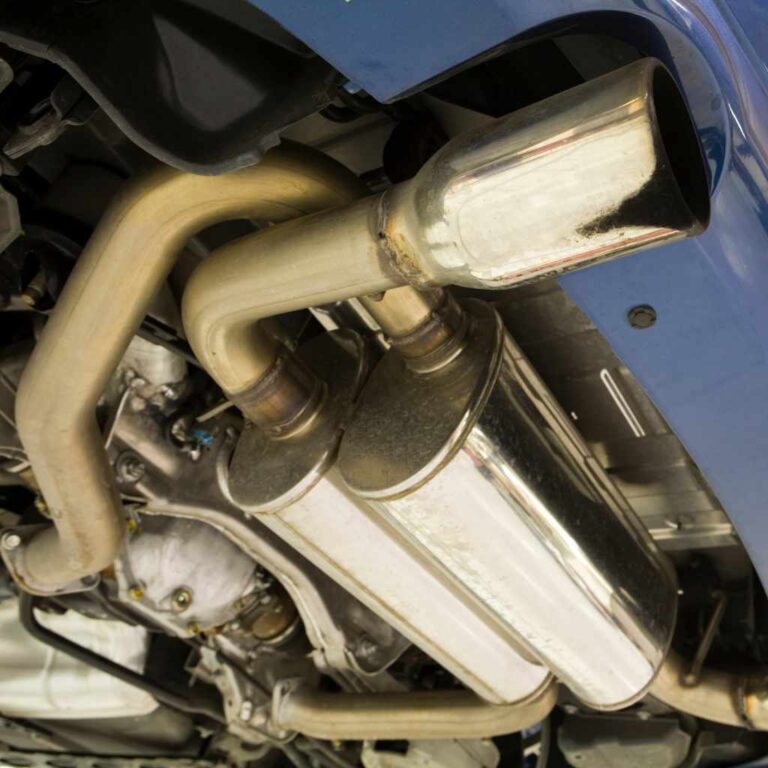
Burning Exhaust Smell vs Exhaust Gas Smell: Fix Guide
Burning exhaust smell usually means hot parts, oil, wiring, or a catalytic converter; raw exhaust or fuel smells point to a leak, and any smell with smoke, strong fumes, or headache means stop driving and inspect right away. Missing the difference can let a small leak turn into a fire risk, carbon monoxide exposure, or a roadside repair. This guide gives a smell-based decision tree by location, timing, and smoke so you know what to check first.
| Decision factor | Burning exhaust smell | Exhaust gas smell | Winner |
|---|---|---|---|
| Main scent | Hot oil, rubber, plastic, insulation, or overheated parts | Raw exhaust, gasoline-like fumes, or sharp tailpipe odor | Exhaust gas smell |
| Most useful clue | Smell strongest near the engine bay, wheel well, or undercarriage | Smell strongest at the tailpipe or inside the cabin | Tie |
| Safety concern | Fire risk if hot fluid or wiring is touching exhaust parts | Carbon monoxide risk if an exhaust leak reaches the cabin | Tie |
| Common cause family | Oil leak, coolant leak, brake drag, overheating, melted plastic | Exhaust leak, rich fuel mixture, fuel-system fault, purge valve fault | Tie |
| Best first reaction | Check for hot leaks and contact points | Check for exhaust leak and cabin exposure | Tie |
What the smell is telling you
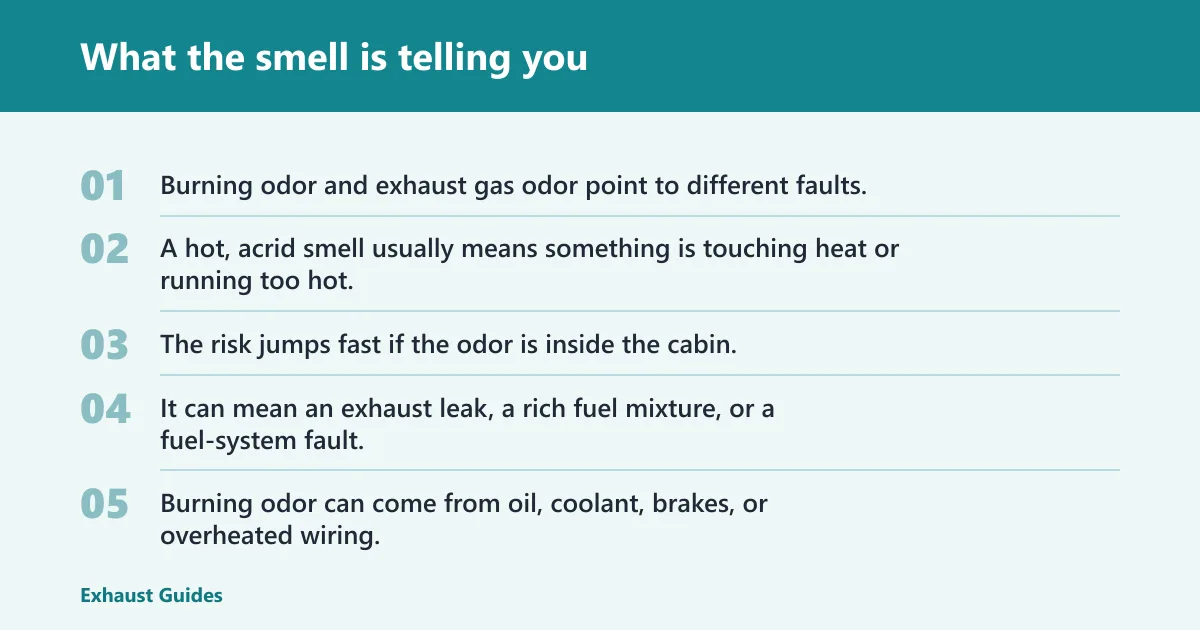


Burning odor and exhaust gas odor point to different faults. A hot, acrid smell usually means something is touching heat or running too hot; a raw exhaust or fuel smell points toward a leak or a fuel mixture problem. The risk jumps fast if the odor is inside the cabin.
Why the same smell can point to different systems
Exhaust odor is not one diagnosis. It can mean an exhaust leak, a rich fuel mixture, or a fuel-system fault, and it can be intermittent or constant. Burning odor can come from oil, coolant, brakes, or overheated wiring, especially when those fluids or materials reach hot exhaust parts.
How cabin odor changes the risk level
If the smell enters the cabin, treat it as a higher-priority fault. A strong exhaust smell can let harmful gases like carbon monoxide enter the cabin, and that shifts the problem from nuisance to safety concern. If the smell is strong inside the car, stop driving and inspect it as soon as you can.
What does a burning exhaust smell mean?
A burning exhaust smell usually points to oil, coolant, brakes, wiring, or another material heating up near the exhaust path. It can also come from rubber or plastic touching hot surfaces. If the odor is strongest under the hood or near a wheel, the source is often closer than the tailpipe.
Oil, coolant, brakes, or overheating near hot parts
Leaking oil on exhaust components often smells sharp and burnt. Coolant can smell sweet when it hits hot metal, while brake drag may give off a hot, acrid odor near a wheel. Overheating parts can make nearby plastic or insulation smell scorched.
Burning rubber or plastic near the exhaust path
Burning rubber usually means a hose, shield, belt, or wire loom is touching heat. A common first-timer mistake is blaming the tailpipe when the odor is actually from the engine bay or a dragged brake. Check the smell’s strongest location before you guess the cause.
When the smell points to a nearby leak rather than the tailpipe
If the odor appears after shutdown, idling in traffic, or climbing grades, heat soak can make a nearby leak more noticeable. That pattern often fits oil or coolant dripping onto hot parts. Persistent burning odor deserves inspection because it can turn into smoke or fire.

What does an exhaust gas smell mean?
An exhaust gas smell means raw exhaust is escaping where it should not, or the engine is running too rich and sending fuel odor out of the tailpipe. That odor is especially serious if it shows up in the cabin. Exhaust leaks may occur from rust, wear, or damaged pipes.
Raw exhaust odor and exhaust leaks
Raw exhaust has a sharp, stale, chemical smell rather than a hot-burned smell. Exhaust leaks can allow harmful gases like carbon monoxide into the cabin, which is why a strong cabin smell needs immediate attention. Rusted joints, worn gaskets, and damaged pipes are common leak points.
Why cabin fumes are a safety concern
If the smell is strongest in the cabin, do not treat it as a normal exhaust note. A leak upstream of the tailpipe can feed fumes into the vehicle interior, especially at idle or with the windows closed. Stop driving if the odor is strong or getting worse.
How rust, wear, or damaged pipes can create the smell
Rust can open pinholes, worn flex sections can crack, and damaged pipes can separate enough to leak gases. The leak may be small outside but much more noticeable inside the cabin. That is why location matters more than odor volume alone.
How to tell the difference in the first 5 minutes
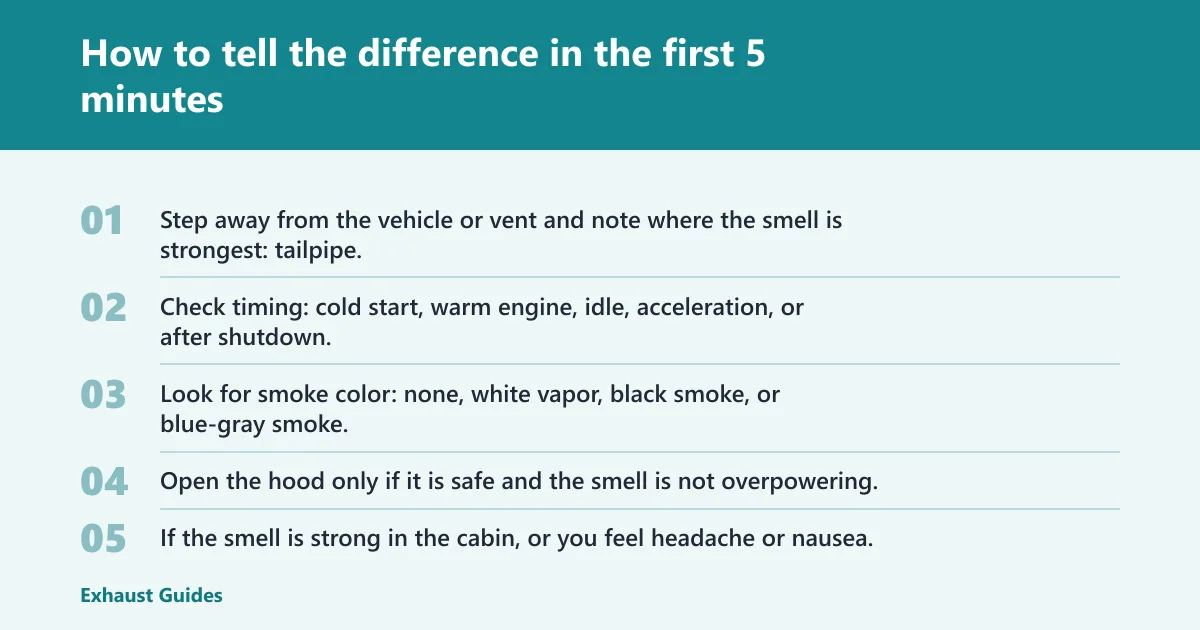
Start with location, then timing, then smoke. A burning smell near the engine bay points toward heat-related contact; a raw exhaust or fuel smell at the tailpipe points toward exhaust or fuel issues. If the cabin is involved, move the problem to the top of the list.
- Step away from the vehicle or vent and note where the smell is strongest: tailpipe, under-hood, cabin, or outside.
- Check timing: cold start, warm engine, idle, acceleration, or after shutdown.
- Look for smoke color: none, white vapor, black smoke, or blue-gray smoke.
- Open the hood only if it is safe and the smell is not overpowering.
- If the smell is strong in the cabin, or you feel headache or nausea, stop driving and get help.
Smoke color changes the diagnosis
Black smoke usually fits a rich fuel mixture, where too much fuel is being burned. White smoke can be normal condensation for a brief startup, but persistent smoke with a gasoline odor points to trouble, not normal condensation. Blue-gray smoke can point toward oil burning.
Quick red-flag check before you keep driving
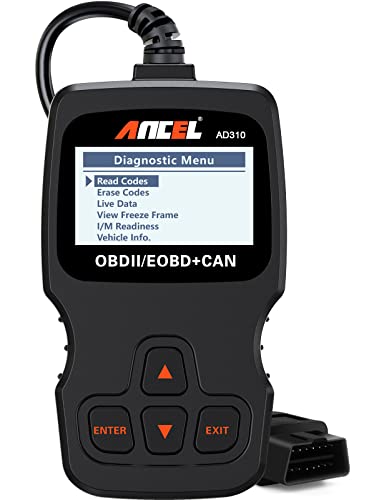
If the odor is getting stronger, the check engine light is flashing, or the cabin smells like exhaust, stop the trip. A flashing check engine light with smelly white smoke needs urgent attention. Do not assume the smell will clear on its own.
Why does white smoke from the exhaust smell like gas?
White smoke can be harmless condensation when it appears at startup and clears in minutes with no smell. If the smoke lingers and smells like gas, that points to a fault such as rich running, a misfire, or coolant entering the exhaust stream. The smell tells you it is not just water vapor.
Cold-start condensation versus a fault
Brief white vapor at startup can be normal condensation. Condensation usually clears in minutes and has no smell. Once the vapor lasts longer, grows denser, or starts smelling sweet or fuel-like, it stops looking like a normal cold-start event.
Coolant leak signals and sweet-smelling white smoke
Coolant leaks may produce a sweet smell with white smoke. That pattern can indicate a head gasket problem or internal engine damage. If white smoke is persistent and the odor is sweet rather than burnt, the cooling system should be checked quickly.
Rich running, misfire, or unburned fuel in the exhaust
A rich fuel smell means the engine is burning too much fuel. A rich fuel mixture can leave unburned fuel exiting as black smoke, and leaking fuel injectors can flood a cylinder with too much fuel. Faulty oxygen sensor data, a faulty mass airflow sensor, or a clogged air filter can also push the mixture rich.
Diagnostic matrix: smell, timing, smoke, and likely cause
Use this one-page matrix to sort the first clue, not to make a final diagnosis. Match smell character, when it appears, where it is strongest, and whether smoke is present. Then use the red-flag action column to decide whether to inspect, stop driving, or call for service.
| Smell character | When it appears | Where it is strongest | Visible smoke | Most likely cause | Red-flag action |
|---|---|---|---|---|---|
| Hot, burnt, acrid | After warmup or after shutdown | Under-hood or undercarriage | None or light haze | Oil, coolant, brake drag, wiring, or another hot leak | Inspect promptly; stop driving if smell grows stronger |
| Sharp exhaust, stale, chemical | Idle or acceleration | Tailpipe or cabin | None | Exhaust leak from rust, wear, or damaged pipes | Stop driving if smell reaches cabin |
| Gasoline-like | Cold start, idle, or after refueling | Tailpipe, engine bay, or near fuel system | Black smoke possible | Rich fuel mixture, fuel injector leak, purge valve fault, fuel leak | Inspect soon; call for service if smell is strong or persistent |
| Sweet with white smoke | Warm engine or steady driving | Tailpipe | White smoke | Coolant leak, possible head gasket or internal engine damage | Stop driving if smoke is heavy or the check engine light flashes |
| Brief damp vapor, no odor | Cold start only | Tailpipe | Light white vapor | Condensation | Monitor; no immediate action if it clears in minutes |
How to read the matrix
The matrix separates smell by location and timing because those details change the diagnosis. Tailpipe odor with black smoke points toward rich running, while a hot smell under the hood points toward fluid or material contact with heat. Cabin odor is the highest-risk branch because it can mean fumes are entering the vehicle.
Likely causes by odor type
Exhaust gas smell often tracks to an exhaust leak or a rich fuel mixture. Rich running can be tied to injectors, oxygen sensor data, mass airflow sensor faults, or a clogged air filter. Fuel odor outside the car can also come from a damaged fuel line, faulty fuel tank, or a faulty purge valve.
Red-flag action column
Use the action column as the fastest safety filter. Strong cabin fumes, heavy white smoke, or a flashing check engine light move the issue into urgent territory. Mild odor outside the car may still need inspection, but it is not the same as fumes entering the cabin.
Choose burning exhaust smell if…
Choose burning exhaust smell if the odor is hot or acrid and seems strongest under the hood, under the car, or near a wheel. That pattern usually points to oil, coolant, brakes, overheating, or material touching hot parts. It is the better match when smoke, if present, looks like a heat or fluid problem rather than raw fuel.
Choose exhaust gas smell if…
Choose exhaust gas smell if the odor is sharp, stale, or gasoline-like and seems strongest at the tailpipe or inside the cabin. That pattern points toward an exhaust leak, a rich fuel mixture, or a fuel-system fault. If the cabin smells strongly, treat it as a stop-driving condition.
Frequently asked questions
What’s the difference between a burning exhaust smell and an exhaust gas smell?
A burning exhaust smell is hot and acrid, often from oil, coolant, brakes, wiring, or plastic near heat. An exhaust gas smell is raw, sharp, or gasoline-like and usually points to a leak or rich running. Cabin odor raises the safety risk immediately.
Is a gas smell from the exhaust dangerous?
Yes, it can be dangerous. A strong exhaust smell may allow harmful gases into the cabin, and a gasoline smell can point to a fuel leak. If the smell is strong inside the car, stop driving.
Can a burning smell from the exhaust be caused by oil or coolant?
Yes. Oil on hot exhaust parts often smells burnt, and coolant can create a sweet odor, sometimes with white smoke. If the smell grows stronger after warmup or after shutdown, check for leaks near hot components. Persistent smoke means the fault needs prompt attention.
How do I tell if the smell is from a rich fuel mixture?
Look for a gasoline-like odor, black smoke, and poor fuel efficiency. A rich fuel mixture means the engine is burning too much fuel. Likely causes include leaking fuel injectors, faulty oxygen sensor data, a faulty mass airflow sensor, or a clogged air filter.
When is exhaust odor just condensation or cold-start vapor?
Brief white vapor at startup can be normal condensation. Condensation usually clears in minutes and has no smell. If the vapor lingers, smells sweet or like gas, or appears with smoke after warmup, it is no longer acting like normal cold-start condensation.
Should my furnace exhaust smell like gas?
No, it should not smell like gas. A furnace vent or home exhaust that smells like fuel can indicate a combustion or venting problem, and it should be treated as a safety issue. Turn the system off if the smell is strong and contact a qualified service technician promptly.