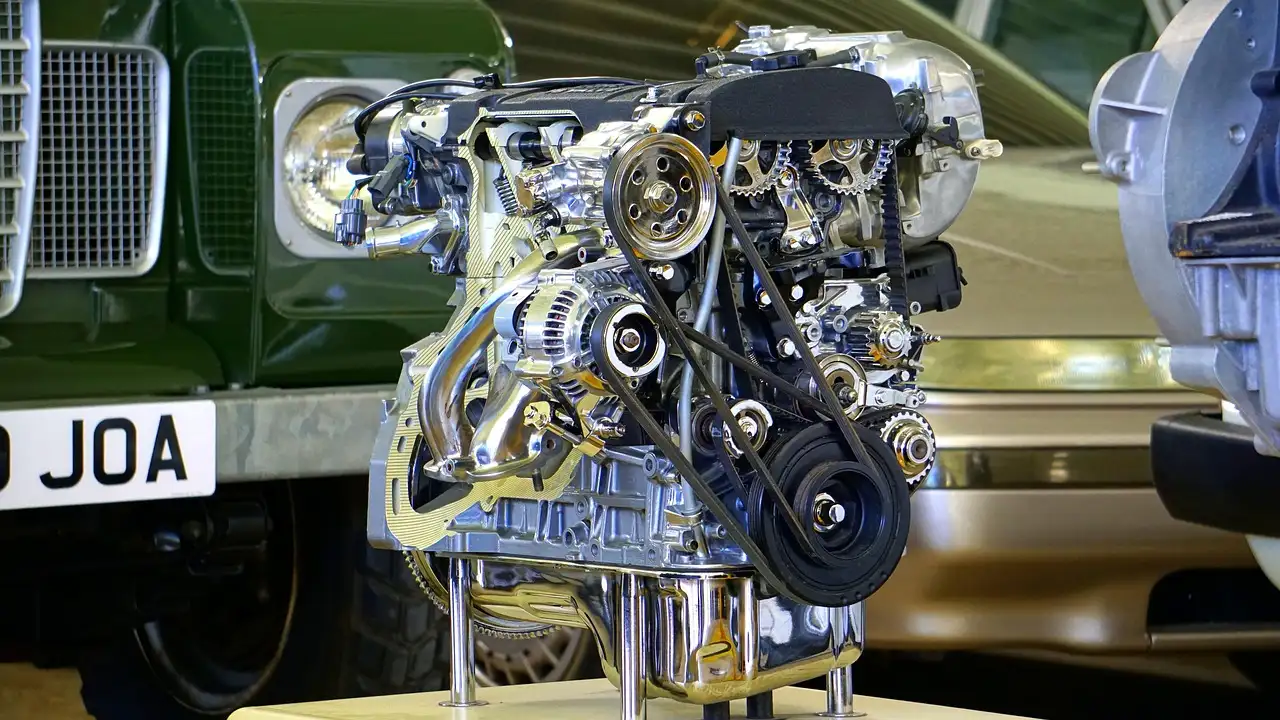
How Much Does Diesel Exhaust Repair Cost?
Diesel exhaust repair is commonly reported to run about $200 to $1,500, but DPF, SCR, or DEF faults can push the bill to roughly $1,500 to $4,000+. Ignored leaks or emissions faults can trigger derates, failed inspections, and expensive parts replacement. This guide breaks down labor, parts, diagnostics, and the hidden add-ons that change a quote.
What makes a diesel exhaust quote jump


For a diesel, the bill often depends on where the failure sits in the exhaust path. A small leak near a flange may stay near the low end, while a cracked manifold, damaged sensor, or emissions-system contamination can push the total past $900 and keep climbing.
The broad cost band for exhaust repair Is $75 to $1,500+, with quick leak welds at $75–$150, flex pipe swaps at $150–$300, and major exhaust repairs starting at $900+. That spread reflects labor time, parts tier, and whether the job stops at a pipe repair or reaches diesel emissions hardware.
What usually makes a quote jump fast
Three things move the estimate most: diagnostic time, labor rate, and parts quality. Shop location matters, too. A dealer or high-rent metro shop can bill more per hour than an independent diesel shop, and that difference alone can change the total by hundreds of dollars.
On diesel trucks, the quote can jump again if the problem has spread beyond the visible leak. A leaking exhaust can contaminate an O2 sensor, overheat nearby hardware, or leave soot in a DOC, DPF, or SCR-related section that then needs separate work.
What your repair quote should include
A useful quote should separate diagnosis from repair. If the estimate only lists a lump sum, you cannot tell whether you are paying for smoke testing, a weld, a sensor, or a larger replacement assembly.
Diagnostic inspection and smoke testing
Diagnostic inspection is often billed before repair, and it should appear as its own line item. On a diesel, that step may include smoke testing, leak isolation, visual inspection of clamps and flanges, or checking for soot traces around the manifold, flex section, or aftertreatment joints.
That step tells you whether the problem is a simple leak or a larger system fault. It also keeps a shop from guessing at parts. A visual clue can be enough for an obvious cracked pipe, but harder faults need more than a quick look.
Labor rate, parts tier, and shop supplies
Labor is where many quotes diverge. The same repair can cost much more at a dealer than at an independent shop because hourly rates differ. Ask for the billed hours, not just the total, so you can see whether the estimate matches the job.
Parts pricing also changes the bill. Budget parts are listed at $14–$42, mid-range parts at $58–$149, and premium parts at $179–$412. Those tiers matter because fitment, weld quality, flange thickness, and thermal durability are not equal across them.
When replacement beats repair
Replacement is often the better call when the metal is cracked, warped, or too thin to weld cleanly. That is especially true for flex sections and manifolds. A patch may hold for a short time, but repeat labor can cost more than a one-time replacement.
For diesel emissions parts, replacement can also be the only practical fix once contamination has spread. Soot, heat damage, or a fault that has already affected downstream sensors can make a small repair false economy.
Diesel exhaust quote decoder table
| Symptom | Likely failed part | Diagnostic step | Typical labor range | Parts range | When replacement is the smarter option |
|---|---|---|---|---|---|
| Ticking noise, soot at joint, exhaust smell at idle | Leak at flange | Smoke test and visual leak isolation | 0.7–1.2 hours | Often low if gasket or hardware only | When the flange is warped, corroded, or the joint will not seal after re-torque |
| Rattle on acceleration, flex section visibly split | Flex pipe failure | Inspect for rupture and movement at the pipe | 2.0–2.6 hours | Typically in the mid-range to premium repair bracket | When the braid is torn, the pipe is thin, or the weld area is too deteriorated for a clean splice |
| Loud bark, soot trail near engine, hot metal smell | Cracked manifold | Check for cracks, lifted flange, and fastener condition | 3.2–4.8 hours | Often pushes into major repair pricing | When the manifold is cracked through or the surface cannot seal reliably after machining |
| Check-engine light with sensor code after a leak | Damaged sensor | Read fault codes and inspect for soot contamination | Varies by location and access | $72–$214 for replacement cost | When contamination has damaged the sensor element or it fails after the leak is corrected |
| Repeated faults, restricted power, soot contamination deeper in the system | Emissions-system contamination | Check for downstream soot load and related fault history | Often exceeds a basic leak job | Can move into major replacement territory | When DOC, DPF, or SCR components are fouled enough that cleaning or replacement is cheaper than repeated repairs |
How much does exhaust repair cost on a diesel?
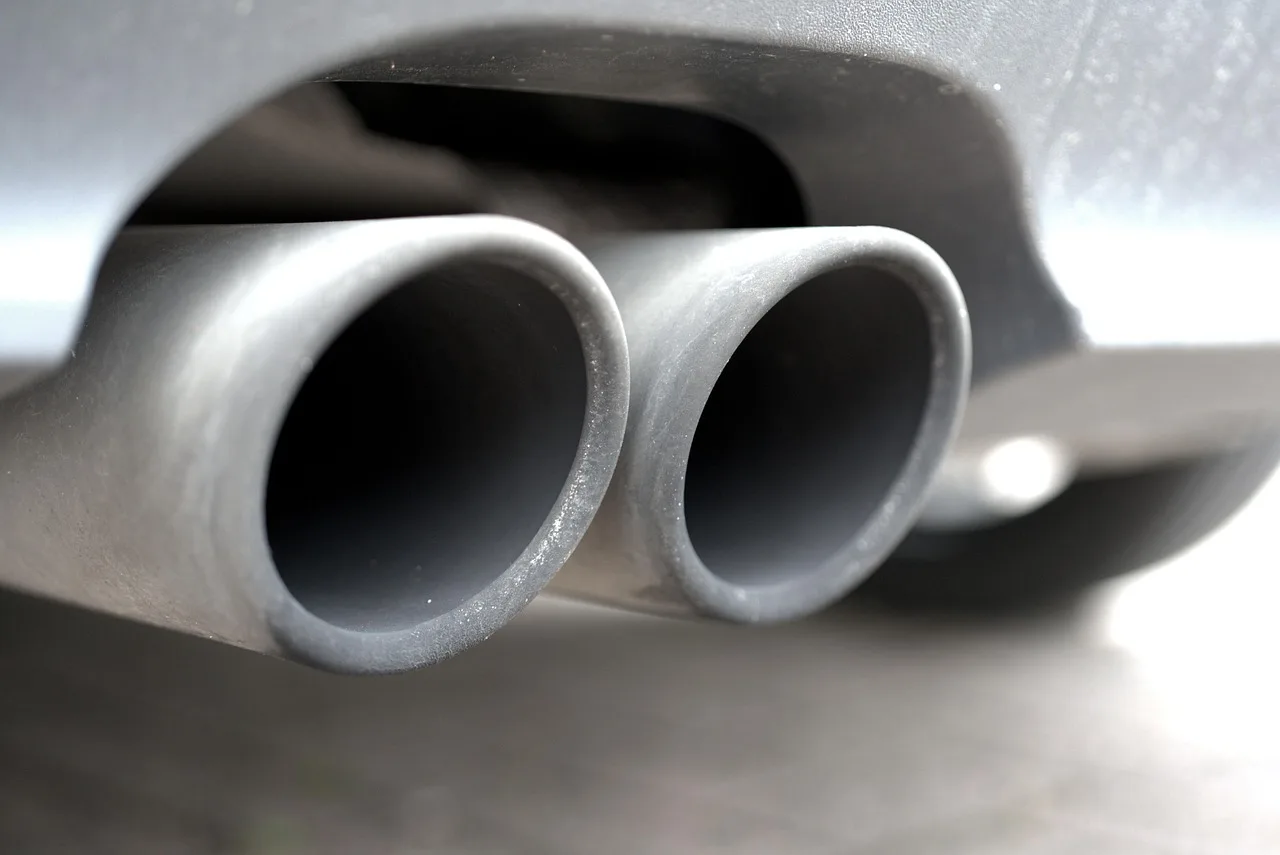
Diesel exhaust repair often lands between a low-cost pipe fix and a much larger emissions-system bill.
Major component jobs can exceed $900. That is why the first step is identifying whether the problem is at a joint, in the pipe body, or in a more expensive emissions section.
Exhaust pipe repair costs
A straight pipe leak is usually the least expensive case. If the damage is limited to a pinhole, broken clamp, or small seam crack, welding or a short section repair may be enough. If corrosion has spread, the pipe can become a replacement job instead of a repair.
Flex pipe and manifold cost drivers
Flex pipe failure is common on heavy-use diesel vehicles because the section sees movement, heat, and vibration. Labor for a flex pipe rupture is estimated at 2.0–2.6 hours. Cracked exhaust manifold Labor is estimated at 3.2–4.8 hours, which helps explain why manifold jobs often cost far more than a simple leak.
When a catalytic converter or diesel emissions part changes the total
On diesel vehicles, a major emissions-related component can be the real cost driver. A catalytic converter Issue can push the total repair above $900. If the fault affects DOC, DPF, or SCR hardware, the quote can move far beyond a basic exhaust leak because the repair may involve cleaning, sensor replacement, or component replacement.
Say your pickup has a soot stain at the manifold-to-downpipe flange and a light ticking sound at cold start. That may be a contained job if the leak is isolated. Suppose the same truck also shows a sensor code after the leak has been open for a while; now the quote should include a sensor check, not just pipe work.
What drives the price higher?
The price rises when the repair needs more labor, more access, or more downstream correction. Seized fasteners, rusted hardware, heat-damaged flanges, and contamination all add time. So does a shop’s hourly rate, especially when the vehicle needs disassembly before the failure can even be confirmed.
Independent shop versus dealer labor rates
Independent diesel shops often price diagnosis and repair differently from dealers. The same defect can cost materially more at a dealer if the labor rate is higher or if the estimate includes more billed time for inspection and verification.
Aftermarket versus OEM parts
Aftermarket and OEM parts can both fit the job, but they do not price the same. Budget, mid-range, and premium tiers are common, and the choice affects fitment, warranty coverage, and thermal durability. A cheaper part is not always cheaper if it needs to be replaced sooner.
Contamination, seized fasteners, and follow-up verification
Contamination is one of the hidden costs that generic exhaust guides often miss. A leak can foul an O2 sensor, and replacement for O2 sensor contamination is listed at $72–$214. After that, the vehicle may need a drive cycle so the system can relearn and the fault can be cleared properly.
Follow-up verification also matters. A manifold repair usually needs a post-repair check for sealing and leaks, and a sensor replacement may not be complete until the system has been driven and rechecked. Those steps are part of a proper bill.
Is it cheaper to repair or replace the exhaust pipe?
Repair is cheaper when the damage is small, isolated, and easy to access. Replacement is cheaper when the pipe is too corroded, too thin, or too repeatedly patched to hold. The lower sticker price is not always the lower total cost once labor is counted.
When a weld is enough
A weld can make sense for a clean, local leak with solid surrounding metal. Quick exhaust leak welds are expected to cost $75–$150. If the rest of the pipe is healthy, that is usually the most economical fix.
When replacement is the better buy
Replacement is the better buy when the pipe has multiple weak spots, a badly damaged flex section, or corrosion around the repair zone. Flex pipe swaps are priced at $150–$300, and repeated cut-and-weld fixes can end up costing more than a clean replacement.
Why repeated patch jobs can cost more
Repeated patches add labor each time. If the pipe keeps opening up near the same joint, you may pay for diagnosis, removal, repair, and verification more than once. At that point, a new section usually makes more sense.
Can you drive with a damaged exhaust pipe?
Sometimes, but not for long and not blindly. A damaged exhaust pipe can let fumes enter the cabin, increase noise, and trigger inspection problems or engine-management faults. If the leak is heavy, the vehicle is derating, or fumes are noticeable inside the cab, stop driving and book service.
Noise and fumes
Noise is the obvious symptom, but fumes matter more. Exhaust gases can enter the cab at idle, during load, or when the truck is stopped with the windows closed. That is a safety issue, not just a comfort issue.
Inspection failure risk
Diesel exhaust faults can fail visual inspection, trigger a check-engine light, or lead to emissions-system codes that prevent a passing test. A leak that seems minor can still be a problem if it affects sensor readings or causes the system to see an abnormal pressure or temperature change.
When to stop driving and book service
If the leak is loud, the smell is strong, the truck has reduced power, or the dash shows an emissions fault, do not wait. A small exhaust problem can become a sensor problem, then a catalyst or aftertreatment problem.
How do you save money on diesel exhaust repair?
The best savings come from better quoting, not from chasing the cheapest total. Compare itemized estimates, separate diagnosis from repair, and choose parts based on how long you plan to keep the vehicle. That gives you control over the bill instead of leaving it to a single lump sum.
- Ask for diagnostic labor as its own line.
- Compare the billed hours with the repair type.
- Check whether the quote uses aftermarket, OEM, or mixed parts.
- Ask if the leak is repairable or if corrosion makes replacement the smarter option.
- Get a second quote when the failure is not obvious or the estimate includes emissions hardware.
How much should a diesel exhaust repair quote include? It should list diagnostic inspection, the failed part, labor hours, part pricing, and any follow-up verification. If the quote includes smoke testing, sensor replacement, or emissions-component work, each should be named clearly so you can compare apples to apples.
A common first-timer mistake is approving a full replacement from a vague estimate that only says “exhaust repair.” A better quote says whether the shop found a flange leak, flex pipe rupture, manifold crack, sensor fault, or contamination issue, and it should tell you which parts of the bill are optional versus necessary.
Frequently asked questions
How much does exhaust repair cost?
For diesel vehicles, exhaust repair usually ranges from $75 to $1,500+, with minor welds near the low end and larger manifold, catalyst, or emissions-related jobs moving much higher. The final bill depends on labor time, parts quality, and whether the problem is isolated or has spread downstream.
How much is exhaust repair?
A small exhaust leak can be relatively cheap, but the phrase covers a wide spread on diesel trucks.
How much to fix exhaust?
If the issue is a simple pipe leak, fixing it may stay under a few hundred dollars. If the fault involves a cracked manifold, a contaminated sensor, or an emissions component, the cost rises fast. Ask for separate diagnostic and repair lines so you can see what part of the quote is doing the damage.
How much to replace exhaust?
Replacing an exhaust section costs more than welding a small leak because you are paying for the part and the labor to remove the old section.
What drives exhaust repair cost higher?
Labor rate, parts tier, corrosion, seized fasteners, and contamination all raise the total. A dealer can bill more per hour than an independent shop, and OEM or premium parts cost more than budget parts. If a leak has damaged a sensor or aftertreatment component, the quote rises again.