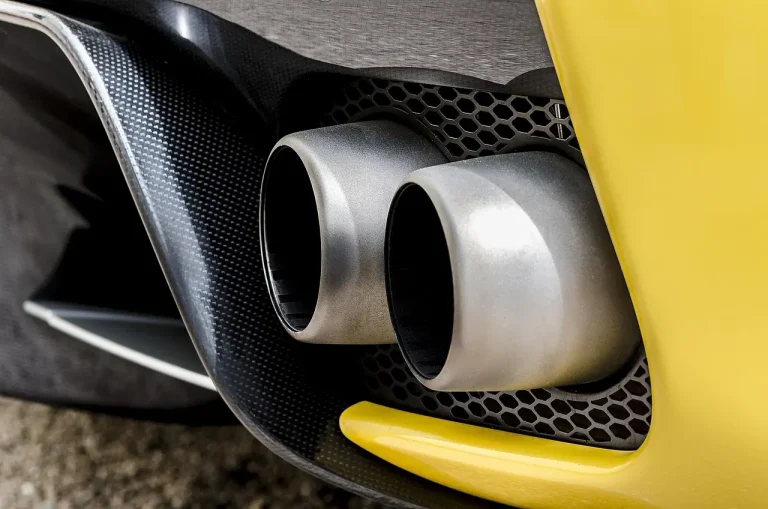
Can Am Defender Exhaust Upgrade: Essential Power
Yes, a Can-Am Defender exhaust upgrade is essential for unlocking more power and a better engine sound. It allows your engine to breathe easier, leading to noticeable improvements in performance and a more aggressive tone, all while being achievable for beginners with the right guidance.
Is your Can-Am Defender feeling a little… tame? Do you dream of a more powerful ride and a sound that announces your arrival? You’re not alone! Many Defender owners look to upgrade their exhaust systems to squeeze out that extra bit of performance and a much-loved, throatier roar. It might sound complicated, but getting the best out of your Defender’s exhaust is simpler than you think. We’re here to guide you through why an exhaust upgrade is so important and what gains you can expect. Let’s get your Defender performing and sounding its absolute best!
Why Upgrade Your Can-Am Defender Exhaust?
Think of your engine like a person. It needs to breathe freely to perform at its peak. The stock exhaust system on your Can-Am Defender, while functional, is often designed with noise restrictions and emissions regulations in mind. This means it can be restrictive, holding back your engine’s true potential.
Upgrading your exhaust system addresses these limitations. It’s like giving your engine a wider, clearer path to let out exhaust gases. What does this mean for you? More power, better throttle response, and that satisfying rumble you’ve been craving. For many, especially those pushing their Defenders on trails or for work, these improvements are not just nice-to-haves; they can be essential for getting the most out of their machine.
Unlocking Hidden Power
Your engine creates power by burning a mixture of fuel and air. To make more power, it needs to burn more fuel and air efficiently. The exhaust system’s job is to expel the burnt gases produced during combustion. A restrictive exhaust makes this expulsion harder, which can create backpressure. This backpressure fights against the engine’s pistons, making it work harder and reducing efficiency and power output.
By switching to a less restrictive aftermarket exhaust, you:
- Reduce Backpressure: Exhaust gases flow out much more easily.
- Improve Engine Breathing: The engine can expel gases faster, allowing it to take in a fresh charge of air and fuel more efficiently.
- Increase Horsepower and Torque: A less restricted engine can produce more power.
Enhancing The Sound
Let’s be honest, the stock exhaust sound on many UTVs is often quiet and uninspiring. An upgrade can dramatically change the auditory experience. Aftermarket exhausts are designed to produce a deeper, more aggressive tone that truly complements the power and ruggedness of a Can-Am Defender. This is a significant part of the appeal for many enthusiasts.
Improving Efficiency
While power is a major draw, a better-flowing exhaust can also lead to slight improvements in fuel efficiency. When the engine doesn’t have to work as hard to expel exhaust gases, it can consume fuel more effectively. While not the primary reason for most upgrades, it’s a beneficial side effect.

Types of Can-Am Defender Exhaust Upgrades
When you’re looking to upgrade your “Muffler” or the entire exhaust system, you’ll typically find a few main options. Understanding these will help you choose the best fit for your needs and budget.
Muffler Delete / Straight Pipe
This is the most straightforward and often loudest option. It involves removing the stock muffler entirely and replacing it with a straight pipe. This significantly reduces backpressure and maximizes exhaust flow.
- Pros: Maximum power gains, loudest and most aggressive sound, often the least expensive option.
- Cons: Extremely loud, may be illegal for trail use in some areas, can cause drone at certain RPMs, no sound dampening.
Slip-On Muffler / Cat-Back Exhaust
This is a popular choice for a balance of performance and sound. A slip-on muffler replaces only the factory muffler, while a cat-back system replaces everything from the catalytic converter (if applicable) back. These systems are designed with performance and sound in mind but often retain some level of sound baffling for a more pleasing tone and to meet potential noise regulations.
- Pros: Significant performance gains, aggressive but often more refined sound, variety of sound levels available, easier installation than full systems.
- Cons: More expensive than a muffler delete, usually retains catalytic converter (which can slightly restrict flow compared to a full delete) and can add weight.
Full Exhaust System
A full system replaces everything from the exhaust manifold (or header) all the way to the tailpipe. This often includes a new header, mid-pipe, and muffler. These are typically designed for maximum performance gains and offer the most customization in terms of sound and material.
- Pros: Maximum potential power gains across the RPM range, best sound customization, often includes performance headers for optimal flow.
- Cons: Most expensive option, can be more complex to install, potential for removal of catalytic converter (check local laws).
What to Look For in a Can-Am Defender Exhaust Upgrade
When you’re browsing for an aftermarket exhaust, keep these factors in mind. They’ll help you make a choice that’s right for your specific needs and your mighty Defender.
Material Quality
Most aftermarket exhausts are made from stainless steel or titanium. Stainless steel is durable and offers good corrosion resistance, making it a great choice for off-road conditions. Titanium is lighter and can handle extreme heat but is significantly more expensive.
Sound Level and Tone
Manufacturers usually provide sound clips or decibel ratings for their exhaust systems. Listen to samples online and read reviews from other Defender owners. What sounds good to one person might be too loud or too quiet for another. Consider where you’ll be riding; some trails have noise limits enforced by park rangers or land managers.
Performance Gains
Look for systems that specify expected horsepower and torque increases. While some gains are almost guaranteed, manufacturers who test their products will have more precise figures. Often, a full system or a well-designed slip-on can offer noticeable improvements.
Ease of Installation
For a beginner-friendly upgrade, a slip-on muffler is generally the easiest to install, often requiring minimal tools and time. Full systems can be more involved and might require more mechanical experience or professional help.
Emissions and Legality
Note whether the exhaust system replaces or removes the catalytic converter. Many aftermarket “performance” exhausts do away with these to maximize flow. However, in many areas, operating a vehicle without a catalytic converter is illegal and not permitted for trail use. Always check your local regulations and trail rules. For example, see the EPA’s general guidance on mobile source emissions to understand the complexity of regulations.
Essential Tools for Exhaust Upgrades
Before you start, gather these common tools. Having them ready will make the job smoother and safer.
- Socket Set and Wrenches: You’ll need various sizes to remove old bolts and install new ones.
- Ratchet: For easily turning nuts and bolts.
- Extension Bars: These help reach bolts in tight or awkward spots.
- Penetrating Oil: Crucial for loosening stubborn, rusted bolts. Let it soak for a while!
- Gasket Sealant: To ensure a good seal between pipes and flanges.
- Torque Wrench: For tightening bolts to the manufacturer’s specifications to prevent leaks or damage.
- Safety Glasses: Always protect your eyes from debris and rust.
- Gloves: Keep your hands clean and protected from sharp edges.
- Jack and Jack Stands (if needed): If you need to lift your Defender for better access, ensure you use these for safety. Never work under a vehicle supported only by a jack.
- Exhaust Hanger Pliers (optional): Can make removing rubber exhaust hangers easier.
Step-by-Step: Installing a Slip-On Exhaust on Your Can-Am Defender (Beginner Friendly)
This guide focuses on a common and achievable upgrade: a slip-on muffler. This is a great entry point for DIY exhaust work.
Step 1: Prepare Your Workspace and Vehicle
Park your Can-Am Defender on a level surface. Engage the parking brake. If you need more room to work underneath, carefully jack up the rear of the UTV and support it securely with jack stands. Ensure the exhaust system has cooled down completely if the vehicle has been running. Be careful; exhaust components can get very hot.
Step 2: Locate the Stock Muffler
Your Defender’s mufflers are usually located towards the rear of the vehicle, often on one side (depending on your specific model, some Defenders have twin mufflers). You’ll see the pipes leading into it and the tailpipe exiting it.
Step 3: Apply Penetrating Oil
Spray penetrating oil on the bolts holding the muffler clamp and any hangers or brackets connecting the muffler to the vehicle frame. Let this soak for 15-30 minutes (or longer if the bolts are very stubborn). This step is crucial for preventing broken bolts.
Step 4: Loosen the Muffler Clamp
Using your socket set and ratchet, loosen the bolt on the exhaust clamp that holds the stock muffler to the header pipe (or mid-pipe). Do not remove the clamp entirely yet; just loosen it enough to slide it off.
Step 5: Remove Exhaust Hangers
Your stock muffler is likely held in place by rubber hangers. These can be stiff. You might need to use a bit of leverage with a pry tool or exhaust hanger pliers. Wiggle the muffler gently as you work on the hangers. Be prepared for it to be snug; they are designed to hold the muffler securely.
Step 6: Remove the Stock Muffler
Once the clamp is loose and the hangers are disengaged, carefully slide the stock muffler off the pipe. You might need to gently twist and pull. If it’s stubborn, a little more penetrating oil or tapping on the pipe (not the muffler itself) can help. Let it cool down if it’s still hot.
Step 7: Prepare the New Muffler
Unpack your new slip-on muffler. Check if it came with a new clamp or if you need to reuse the old one. Inspect the inlet pipe of the new muffler to ensure it’s clean and free of debris.
Step 8: Install the New Muffler
Slide the inlet of the new muffler onto the exhaust pipe where the old one was attached. It should fit snugly. Align the muffler so it hangs correctly and doesn’t interfere with suspension components or bodywork. Re-attach the rubber exhaust hangers onto the new muffler.
Step 9: Reinstall the Muffler Clamp
Slide the exhaust clamp over the connection point between the new muffler and the pipe. Tighten the clamp bolt with your socket and ratchet. Do not overtighten at this stage; you want to ensure a good seal but avoid crushing the pipe or clamp.
Step 10: Check for Fitment and Alignment
Ensure the new muffler is properly aligned. Gently push and pull on it to make sure it’s secure and won’t rattle against anything. Check that it clears all surrounding components through the full range of suspension travel if possible.
Step 11: Final Tightening and Test Start
Once you are satisfied with the fitment, fully tighten the muffler clamp bolt to the manufacturer’s recommended torque specification (if provided). If you used jack stands, carefully lower the Defender back to the ground. Start the engine and let it idle. Listen for any exhaust leaks (you’ll hear a hissing or puffing sound). If you find leaks, you may need to adjust the clamp or use a high-temperature exhaust sealant. Enjoy the new sound!
Benefits vs. Drawbacks of Exhaust Upgrades
Like any modification, upgrading your Can-Am Defender’s exhaust comes with its own set of pros and cons. Weighing these will help you decide if it’s the right move for you.
Table: Pros and Cons of Can-Am Defender Exhaust Upgrades
| Pros | Cons |
|---|---|
| Increased Horsepower and Torque | Increased Noise Level (can be too loud for some, or not allowed on trails) |
| Improved Throttle Response and Acceleration | Potential for Drone (unpleasant constant hum at certain speeds/RPMs) |
| More Aggressive and Appealing Exhaust Note | Cost of the upgrade (ranging from a few hundred to over a thousand dollars) |
| Reduced Engine Load (can improve efficiency slightly) | Potential Legality Issues (especially if catalytic converter is removed) |
| Lighter Weight (some aftermarket systems) | Installation Complexity (full systems can be challenging for beginners) |
| Enhanced Aesthetics (some systems have sportier tips) | Reduced Resale Value (some buyers prefer stock components) |
Performance Gains: What to Expect
The exact performance gains from an exhaust upgrade can vary significantly based on several factors:
- The specific exhaust system chosen: Full systems generally offer more gains than slip-ons.
- Your Defender’s engine: Older engines or those with more restrictive stock systems will see bigger percentage gains.
- Other modifications: An exhaust works best when it can complement other performance upgrades, like an intake or a tune.
As a general guideline, a well-designed slip-on muffler might add anywhere from 2-5 horsepower. A full performance exhaust system, especially when paired with a proper engine management tune, could potentially add 5-10 horsepower or more. However, for many off-road utility vehicles like the Defender, the most noticeable improvements often come in throttle response, acceleration, and the feeling of the engine pulling harder, rather than just peak horsepower numbers alone.
It’s always a good idea to check the manufacturer’s specifications for their exhaust system. Some companies conduct independent dynamometer testing and can provide graphs showing horsepower and torque curves – this is the best way to see real-world gains. For example, companies like Summit Racing offer a wide range of performance parts and often provide detailed product information.
Maintaining Your New Exhaust System
Once you’ve installed your shiny new exhaust, a little maintenance will keep it sounding and performing great for years to come.
- Regular Inspection: Periodically check for any loose clamps, hangers, or signs of damage. Small issues caught early can prevent larger problems.
- Cleaning: The exterior of the exhaust can get dirty from mud, dust, and road grime. A simple wash with soap and water is usually sufficient. For stainless steel, using a metal polish occasionally can help maintain its shine.
- Rust Prevention: While stainless steel is resistant to rust, it’s not immune, especially in harsh, salty environments. Keep an eye out for any early signs of corrosion.
- Check for Leaks: Listen for any unusual hissing or puffing sounds that might indicate a leak at the connection points. Tighten clamps as needed.

Frequently Asked Questions (FAQ)
Q1: Will a Can-Am Defender exhaust upgrade void my warranty?
A: This is a common concern. Generally, if the modification itself doesn’t cause the failure, it shouldn’t void your warranty. However, manufacturers have different policies. It’s always best to consult your dealer or the warranty documentation. Keep your original exhaust system in case you need to reinstall it to prove the modification wasn’t the cause of a issue.
Q2: How much louder will my Defender be after an exhaust upgrade?
A: This depends heavily on the exhaust system you choose. A muffler delete will be significantly louder, while a performance slip-on will offer a more aggressive tone but is often manageable. Many manufacturers provide sound level information or clips. Always check local trail regulations for noise limits.
Q3: Do I need to retune my Can-Am Defender after an exhaust upgrade?
A: For a simple slip-on muffler, a re-tune is rarely necessary and the engine will typically compensate. However, if you install a full exhaust system, especially one that removes the catalytic converter or significantly changes airflow, a re-tune or ECU flash is highly recommended to optimize performance, prevent engine codes, and ensure safe operation.