Can Diabetes Cause Exhaustion? Essential Truths Revealed
Can Diabetes Cause Exhaustion? Yes, it often does! High or low blood sugar, dehydration, and other diabetes-related factors can lead to significant fatigue. Understanding these links is key to managing your energy levels effectively when living with diabetes.
Feeling tired all the time can be really frustrating, especially when you’re trying to keep up with daily life. If you have diabetes, you might notice this fatigue more often. It’s not just in your head; diabetes can directly impact your energy levels in several ways. But don’t worry, understanding why this happens is the first step to feeling better. We’ll break down exactly how diabetes can lead to exhaustion and what you can do about it, making it easy to grasp and manage.
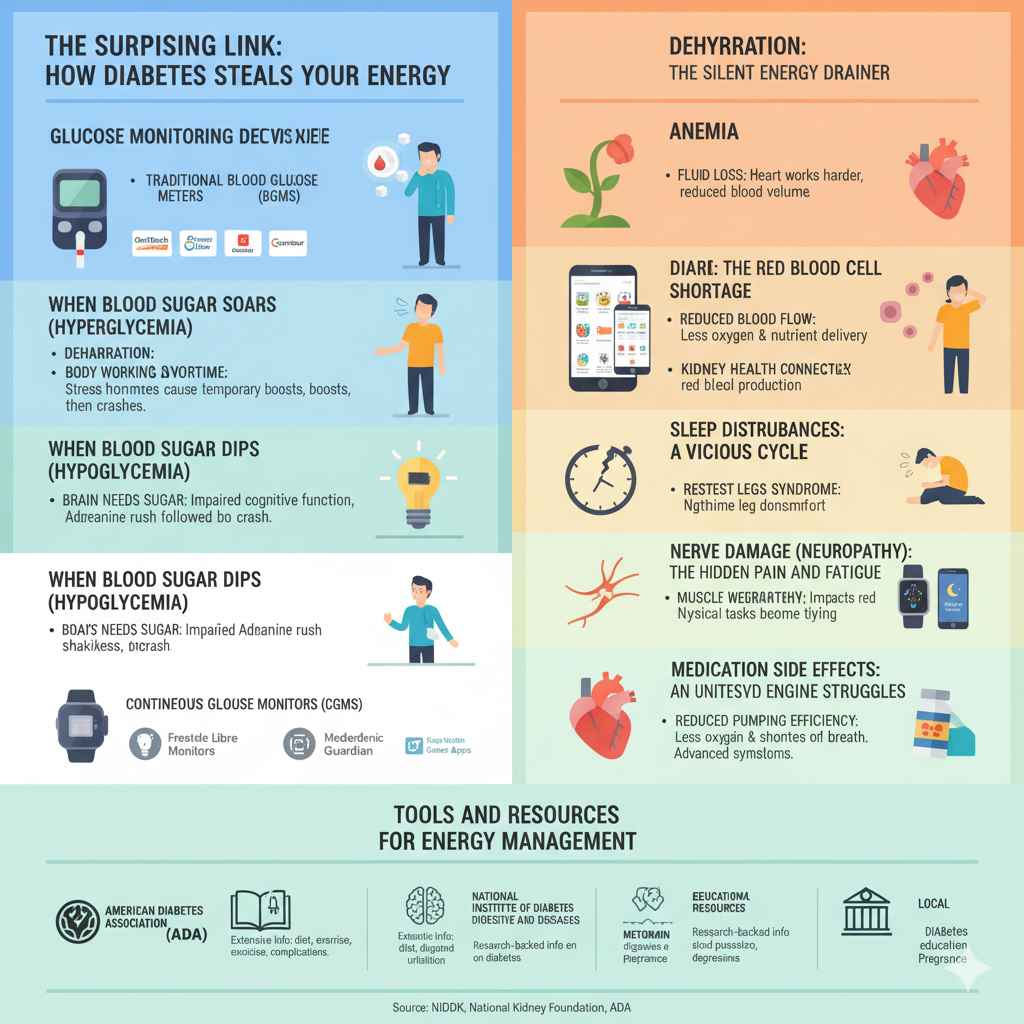
The Surprising Link: How Diabetes Steals Your Energy
Understanding how diabetes affects your body is crucial when it comes to managing your energy. It’s not a simple one-to-one connection; it’s a complex interplay of how your body uses energy and how blood sugar levels influence that process. Let’s dive into the main culprits.
1. Blood Sugar Rollercoaster: Too High or Too Low
Your body uses glucose (sugar) from the food you eat for energy. Insulin is like a key that unlocks your cells to let this glucose in. When you have diabetes, this process doesn’t work quite right, leading to problems with your blood sugar levels.
When Blood Sugar Soars (Hyperglycemia)
If your blood sugar levels are too high, your body struggles to use glucose effectively for energy.
Cells Starve: Even though there’s plenty of sugar in your blood, it can’t get into your cells to be used for fuel. This leaves your cells feeling starved for energy, making you feel tired.
Dehydration: High blood sugar can make you urinate more often, as your body tries to get rid of the excess sugar. This can lead to dehydration, a major cause of fatigue.
Body Working Overtime: Your body might try to compensate by releasing more stress hormones like cortisol. While this can provide a temporary boost, it’s unsustainable and can lead to exhaustion.
Kidney Strain: Over time, high blood sugar can damage your kidneys, making them work harder and contributing to fatigue. For more on this, the National Institute of Diabetes and Digestive and Kidney Diseases (NIDDK) offers comprehensive insights.
When Blood Sugar Dips (Hypoglycemia)
Low blood sugar, also known as hypoglycemia, is another common cause of sudden and intense fatigue.
Brain Needs Sugar: Your brain relies heavily on glucose for fuel. When your blood sugar drops too low, your brain doesn’t get enough energy, leading to symptoms like shakiness, dizziness, confusion, and extreme tiredness.
Body’s Emergency Response: Your body will release adrenaline and other hormones to try and raise your blood sugar, which can cause a temporary jolt followed by a crash and further exhaustion.
2. Dehydration: The Silent Energy Drainer
As mentioned, high blood sugar often leads to increased urination, which can quickly dehydrate you. But dehydration can also happen for other reasons.
Fluid Loss: When you’re not drinking enough fluids, your blood volume can decrease. This means your heart has to work harder to pump blood, and your body needs to conserve energy, leading to fatigue.
Reduced Blood Flow: Dehydration can affect nutrient and oxygen delivery to your muscles and organs, making them less efficient and contributing to a feeling of exhaustion.
3. Anemia: The Red Blood Cell Shortage
Diabetes can increase the risk of certain types of anemia, particularly iron-deficiency anemia, and anemia related to kidney disease. Anemia means you don’t have enough healthy red blood cells to carry adequate oxygen to your body’s tissues.
Oxygen Starvation: Without enough oxygen, your organs and muscles can’t function optimally, leading to significant fatigue, weakness, and shortness of breath.
Kidney Health Connection: Diabetes can sometimes lead to chronic kidney disease, which impacts the production of erythropoietin, a hormone that tells your body to make red blood cells. You can learn more about diabetes and kidney disease on the National Kidney Foundation website.
4. Sleep Disturbances: A Vicious Cycle
Poor sleep is a huge contributor to fatigue for anyone, but diabetes can make it worse.
Nocturia: Frequent urination at night (nocturia), often caused by high blood sugar, can disrupt sleep patterns, leaving you feeling unrested.
Sleep Apnea: People with diabetes, especially type 2, have a higher risk of developing obstructive sleep apnea. This condition causes breathing to repeatedly stop and start during sleep, leading to poor sleep quality and daytime exhaustion, loud snoring, and gasping for air.
Restless Legs Syndrome: This neurological disorder causes an irresistible urge to move the legs, often at night, further disrupting sleep and contributing to daytime fatigue.
5. Nerve Damage (Neuropathy): The Hidden Pain and Fatigue
Diabetic neuropathy is nerve damage that can occur due to high blood sugar levels over time. While often associated with pain, burning, or tingling in the extremities, it can also manifest as profound fatigue.
Autonomic Neuropathy: This type can affect nerves that control involuntary body functions like digestion, heart rate, and even the release of certain hormones. Dysfunction in these systems can lead to an overall feeling of malaise and exhaustion.
Muscle Weakness: Neuropathy can also cause weakness in the muscles, making physical tasks more tiring.
6. Heart Problems: When the Body’s Engine Struggles
Diabetes significantly increases the risk of heart disease. Fatigue can be an early symptom of heart problems.
Reduced Pumping Efficiency: If the heart isn’t pumping blood efficiently due to damage or strain, your body won’t get the oxygen and nutrients it needs, leading to fatigue, especially during exertion.
Chest Pain and Shortness of Breath: While fatigue might be the primary symptom for some, it can be accompanied by chest discomfort or shortness of breath when symptoms are more advanced.
7. Medication Side Effects: An Unintended Consequence
Some diabetes medications, or treatments for diabetes-related complications, can have side effects that include fatigue or drowsiness.
Metformin: While a common and effective medication, some people report feeling tired or experiencing digestive upset, which can contribute to fatigue.
Other Medications: This can include medications for blood pressure, cholesterol, or depression, which are often prescribed for individuals with diabetes. Always discuss potential side effects with your doctor.
Managing Diabetes-Related Exhaustion: Your Action Plan
Living with diabetes doesn’t mean you have to accept constant exhaustion. By taking control of your condition and adopting healthy habits, you can significantly improve your energy levels.
1. Master Your Blood Sugar Numbers
This is the cornerstone of managing diabetes-related fatigue. Consistent blood sugar control is key.
Regular Monitoring: Use your glucose meter or continuous glucose monitor (CGM) as directed by your doctor. Knowing your numbers helps you understand what affects them.
Understand Your Targets: Work with your healthcare team to establish your personal blood sugar targets for fasting, before and after meals, and at bedtime.
Identify Patterns: Keep a log of your blood sugar readings, food intake, activity, and how you feel. This can help you spot patterns and triggers for high or low blood sugar that lead to fatigue.
Aim for Stability: Avoid large swings in blood sugar. This helps prevent the crash-and-burn cycle that leaves you feeling drained.
2. Hydration is Key
Don’t underestimate the power of water!
Sip Throughout the Day: Carry a water bottle and take small sips regularly, even if you don’t feel thirsty.
Limit Sugary Drinks: Avoid sodas, sugary juices, and sweetened teas, which can spike blood sugar and contribute to dehydration.
Monitor Urine Color: Light yellow urine is usually a good sign of adequate hydration. Dark yellow could indicate dehydration.
3. Fuel Your Body Right: Nutrition for Energy
What you eat has a direct impact on your blood sugar and energy levels.
Balanced Meals: Include lean protein, healthy fats, and complex carbohydrates (like whole grains and vegetables) in each meal. This helps stabilize blood sugar and provides sustained energy.
Portion Control: Eating appropriate portions prevents blood sugar spikes and helps manage weight, which can also influence energy.
Consistency: Try to eat meals and snacks at consistent times each day to help regulate blood sugar.
Limit Processed Foods: These often contain added sugars, unhealthy fats, and sodium, which can negatively impact your energy and overall health.
4. Move Your Body: Exercise Wisely
Physical activity is crucial for diabetes management and energy levels, but it needs to be approached thoughtfully.
Regular, Moderate Exercise: Aim for at least 150 minutes of moderate-intensity aerobic activity per week, plus muscle-strengthening activities twice a week.
Check Blood Sugar Before and After: Especially when starting a new exercise program or if you’re prone to hypoglycemia, check your blood sugar before and after activity to prevent dangerous dips.
Listen to Your Body: Don’t push yourself too hard, especially if you’re feeling fatigued. Rest is important.
Consult Your Doctor: Talk to your doctor before starting any new exercise routine to ensure it’s safe and appropriate for you. The CDC offers excellent guidance on diabetes and exercise.
5. Prioritize Sleep Hygiene
Good sleep is non-negotiable for energy.
Consistent Schedule: Go to bed and wake up around the same time each day, even on weekends.
Create a Relaxing Routine: Wind down before bed with activities like reading, taking a warm bath, or gentle stretching.
Optimize Your Bedroom: Keep your bedroom dark, quiet, and cool.
Limit Screen Time: Avoid screens (phones, tablets, TVs) for at least an hour before bed, as the blue light can interfere with sleep.
Address Sleep Apnea: If you suspect you have sleep apnea (snoring, gasping, daytime sleepiness), talk to your doctor about diagnosis and treatment options like CPAP.
6. Manage Stress Effectively
Chronic stress can wreak havoc on your blood sugar and energy.
Mindfulness and Meditation: Even a few minutes a day can help calm your nervous system.
Deep Breathing Exercises: Simple yet powerful for immediate stress reduction.
Hobbies and Relaxation: Make time for activities you enjoy and that help you unwind.
Seek Support: Talk to friends, family, or a therapist if you’re feeling overwhelmed.
7. Work Closely with Your Healthcare Team
Your doctor and diabetes care team are your allies.
Regular Check-ups: Attend all scheduled appointments.
Discuss Your Fatigue: Be open and honest about your energy levels. Don’t dismiss it as “just diabetes.”
Medication Review: Ensure your medications are still appropriate and discuss any side effects.
Screen for Complications: Regular screenings for eye disease, kidney disease, and neuropathy are vital. Early detection can prevent further complications that contribute to fatigue.
When to Seek Medical Help for Fatigue
While understanding and managing diabetes is key, there are times when fatigue signals a more serious issue or requires professional intervention.
Sudden and Severe Fatigue: If you experience a dramatic and unexplained drop in energy, especially alongside other concerning symptoms.
Fatigue Interfering with Daily Life: If your tiredness prevents you from working, caring for yourself, or engaging in activities you enjoy.
Symptoms of Hypoglycemia: If you experience frequent dizzy spells, confusion, shakiness, or sweating, and suspect low blood sugar, seek immediate medical attention.
Symptoms of Hyperglycemia: If you have extreme thirst, frequent urination, blurred vision, and unexplained weight loss along with fatigue.
Signs of Heart Problems: Chest pain, shortness of breath, palpitations, or swelling in the legs or ankles.
New or Worsening Neuropathy Symptoms: Persistent pain, numbness, or tingling that is impacting your well-being.
Your healthcare provider can perform tests to rule out or diagnose other conditions, adjust your diabetes management plan, or refer you to specialists as needed.
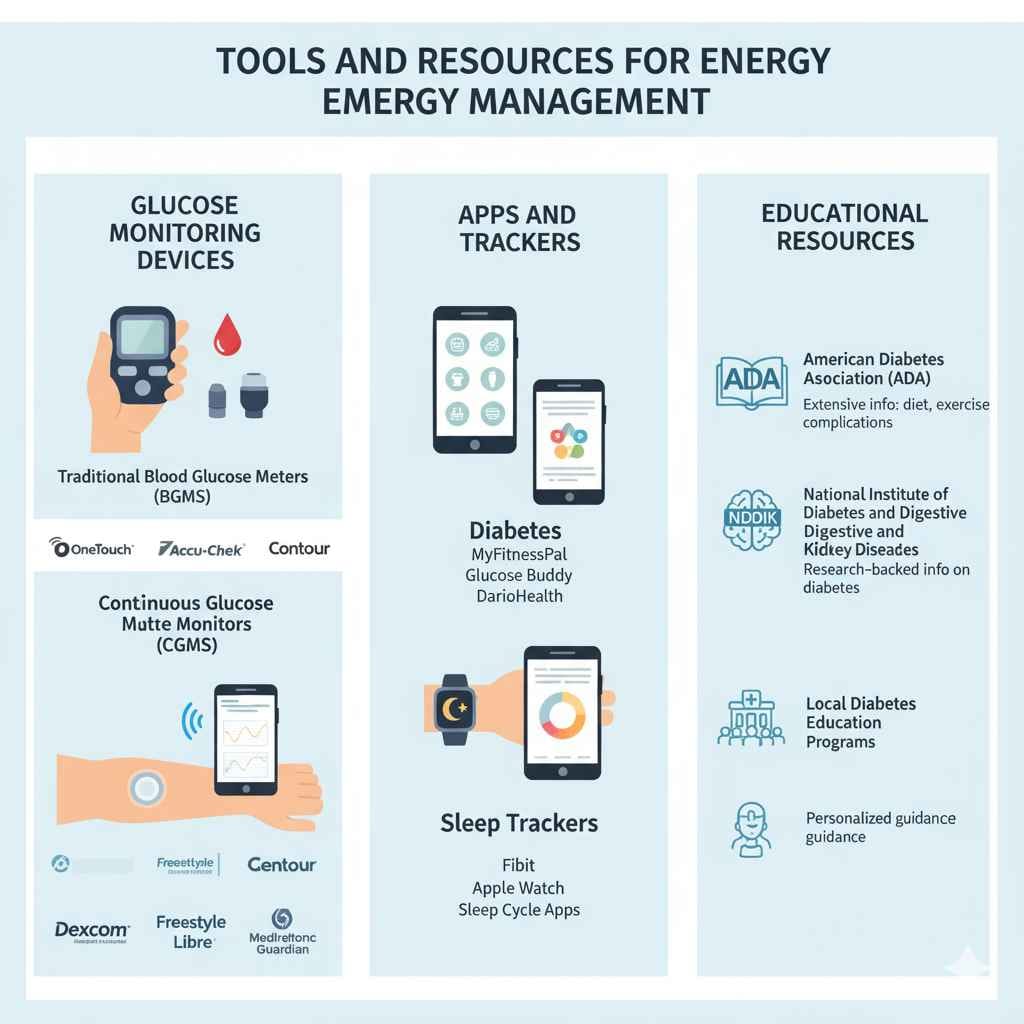
Tools and Resources for Energy Management
Here are some helpful tools and resources to support you in managing your diabetes and fighting fatigue:
Glucose Monitoring Devices:
Traditional Blood Glucose Meters (BGMs): For finger-prick testing. Popular brands include OneTouch, Accu-Chek, and Contour.
Continuous Glucose Monitors (CGMs): Wearable sensors that track glucose levels 24/7, providing real-time data and alerts for highs and lows. Brands include Dexcom, Freestyle Libre, and Medtronic Guardian.
Apps and Trackers:
Diabetes Management Apps: MyFitnessPal, Glucose Buddy, and DarioHealth can help track food, activity, and blood sugar.
Sleep Trackers: Wearable devices (like Fitbit, Apple Watch) or apps that monitor sleep patterns can provide insights into sleep quality.
Educational Resources:
American Diabetes Association (ADA): Offers extensive information on all aspects of diabetes management, including diet, exercise, and preventing complications.
National Institute of Diabetes and Digestive and Kidney Diseases (NIDDK): Provides detailed research-backed information on diabetes.
* Local Diabetes Education Programs:** Often offered by hospitals or community centers, these can provide personalized guidance.
FAQ: Your Diabetes and Exhaustion Questions Answered
Q1: Can fatigue be the only symptom of high blood sugar?
A1: While fatigue is a common symptom of high blood sugar (hyperglycemia), it’s rarely the only one. You might also experience increased thirst, frequent urination, blurred vision, and headaches. If fatigue is your primary symptom and you have diabetes, it’s wise to check your blood sugar.
Q2: How quickly can I expect to feel less tired after improving my blood sugar control?
A2: The speed at which you feel more energetic depends on how well your blood sugar stabilizes and the underlying causes of your fatigue. Some people notice improvements within days or weeks of consistent blood sugar management, while others may take longer, especially if other diabetes-related complications are present.
Q3: Is it safe to exercise when I’m feeling exhausted from diabetes?
A3: Gentle exercise can sometimes help improve energy levels, but it’s crucial to listen to your body. If you’re severely fatigued, consult your doctor. Always check your blood sugar before and after exercise, especially if you’re on medication that can lower blood sugar, and carry a rápida-acting carbohydrate source like glucose tablets.
Q4: Can stress make my diabetes-related exhaustion worse?
A4: Absolutely. Stress triggers the release of hormones like cortisol, which can raise blood sugar levels and contribute to a feeling of being overwhelmed and physically drained. Managing stress is a key part of managing diabetes and its related fatigue.
Q5: What are the dangers of ignoring fatigue caused by diabetes?
A5: Ignoring persistent fatigue can lead to a worsening of diabetes complications. Unmanaged high blood sugar can damage nerves, kidneys, eyes, and blood vessels, while frequent low blood sugar can be dangerous. Persistent fatigue can also indicate underlying issues like heart problems or anemia, which require medical attention.
Q6: Is there a specific diet to combat diabetes-related exhaustion?
A6: There isn’t one ‘magic diet,’ but a healthy, balanced eating plan is essential. Focus on whole, unprocessed foods, lean proteins, healthy fats, and complex carbohydrates. This helps stabilize blood sugar and provides sustained energy. Working with a registered dietitian or a certified diabetes educator can help you create a personalized meal plan.