Best exhaust pipe repair sleeves for leaks: we compared
The best exhaust pipe repair sleeve for leaks is a two-bolt stainless sleeve sized to the pipe’s outside diameter. Use it on a straight crack or split in solid pipe, not on flex pipe, crushed tubing, or rust-through. A bad fix can keep soot, noise, and fumes leaking, then fail quickly and force a larger cut-and-weld repair. This guide compares sleeves, clamps, welds, patches, and full section replacement so you can pick the right repair for the pipe condition in front of you.
Quick comparison
| Product | Badge | Best for | Price | ||
|---|---|---|---|---|---|
 |
SKYMIRO 2.5 Inch Exhaust Clamp, 2 1/2 Butt Joint ExhaustSKYMIRO | Our pick | 2.5" OD exhaust clamp sleeve for leak repair | $36.99
Price as of 12 Oct 2026
|
View |
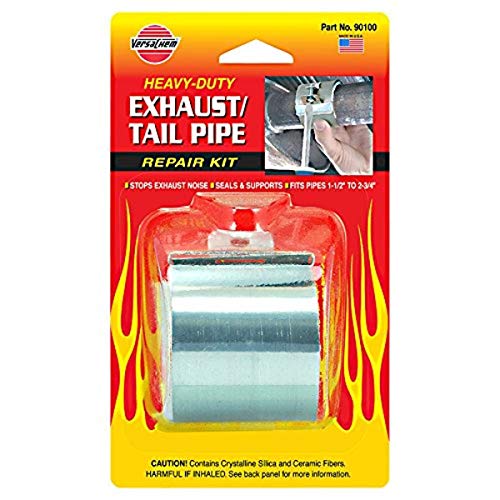 |
Versachem 90100 Exhaust/Tail Pipe Repair KitVersachem | Budget pick | Adjustable clamp for 1.5"–2.75" exhaust leaks | $9.89
Price as of 12 Oct 2026
|
View |
 |
Stainless Steel Flange Flex Repair Pipe Exhaustfrperce | Also great | 2" stainless steel flex pipe repair | $26.29
Price as of 12 Oct 2026
|
View |
The main trade-off is simple: sleeves are fast and low-labor, while welding or section replacement lasts longer when the pipe is thin, bent, or part of a flex joint. Fitment matters more than brand names here, because the sleeve has to match the pipe’s outside diameter and clamp on sound metal.
If the pipe is straight, clean, and still thick enough to clamp, a sleeve can seal the leak and buy time. If the pipe is rusted through or moving with engine vibration, skip the sleeve and repair the damaged section.
How we chose
We compared fitment first: pipe outside diameter, straight-pipe length, and overlap coverage over the damaged area. A sleeve that is close enough is still the wrong sleeve if it cannot clamp on solid metal.
We also weighed material and hardware. Stainless steel matters in road-salt climates and on hotter exhaust sections; aluminized steel is more of a budget, shorter-life choice.
Then check repair scope. A sleeve is for sealing a leak in usable pipe, not for rebuilding a flex joint, patching a crushed tube, or rescuing deep rust.
Finally, we considered installation realities: clamp torque, sealant use, cutting tools, and whether a muffler shop weld is the better total-cost move.
Stainless split-clamp sleeve: best overall
- Dual-layer stainless steel for reinforced durability
- Even 360° clamping force for secure fit
- No-weld bolt-on installation for flexibility
This is the best choice when the leak is on a straight, healthy section of pipe and you want the longest service life from a bolt-on repair. Stainless steel gives better corrosion resistance and heat tolerance than aluminized steel, which matters in wet, salted, or high-heat use.
The split-clamp design is also easier to place over an existing pipe than a slip-on tube, and the 360-degree clamping force helps it seal evenly around the joint. That matters if the crack is short but the pipe still has enough wall thickness to hold torque.
The drawback is fitment. This style still needs the correct outside diameter and enough straight pipe on both sides of the leak, and the listed 2.5-inch size means it is not a universal fix.
Aluminized slip-on sleeve: best budget fix
- High-temperature gasket for reliable sealing
- Adjustable fit for multiple pipe sizes
- Reduces exhaust noise while repairing leaks
This is the better low-cost choice when you need a short-term repair on a straight exhaust section and the vehicle lives in a drier climate. The adjustable range makes it useful for several common pipe sizes, and the gasket can help reduce noise while sealing a small leak.
For a pinhole, a short crack, or a minor tailpipe split, a slip-on kit can be enough to quiet the leak and pass a quick inspection if the rest of the pipe is sound. It is also simpler for a DIY repair when cutting or welding is not practical.
The drawback is durability. Aluminized steel does not resist corrosion as well as stainless steel, so road salt, frequent winter moisture, and repeated heat cycles can shorten its life.
Stainless flex repair pipe: best for flex section replacement
- Double-braided stainless steel for corrosion resistance
- Direct-fit flange design for easy installation
- Suitable for vehicles with 2" exhaust systems
This is the right choice when the problem is the flex section itself rather than a rigid pipe leak. A braided flex pipe is built to move and absorb vibration, so replacing that section restores the movement the exhaust system needs.
The direct-fit flange style makes it more appropriate than a rigid sleeve for a cracked flex joint, especially when the original leak is near a weld or the braided section is torn. That is the repair that addresses the failure mode instead of fighting it.
The drawback is specificity. It is a 2-inch system part, so it only fits vehicles with matching exhaust size and flange setup, and it is not a general sleeve for random pipe leaks.
Can a sleeve fix your exhaust leak?
A sleeve can fix a straight-pipe exhaust leak when the pipe still has sound metal, the crack or pinhole is small, and there is enough straight pipe for overlap on both sides. It is the wrong fix for flex pipe movement, heavy rust, crushed tubing, or any section that will not hold clamp pressure.

Exhaust leaks usually show up as ticking, hissing, soot streaks, odor in the cabin, or failed inspection. If the leak is before the cabin or near an emissions component, treat it as a safety and compliance issue, not just a noise problem.
What a sleeve actually does
An exhaust pipe repair sleeve bridges a damaged section with a metal sleeve that clamps over the pipe, sealing the crack or hole from the outside. Split-clamp styles wrap around existing pipe; slip-on styles require more access and a cleaner pipe end.
It is a repair for a localized leak, not a structural rebuild. If the pipe is flaking apart or the hole is larger than the sleeve can cover with solid metal under the clamp, replacement is the better call.
When a sleeve works well
Sleeves work best on straight runs with a short crack, a pinhole, or a small rust hole where the surrounding pipe is still thick enough to seal. They also work better when the pipe is not under constant movement from an adjacent flex joint.
Picture a 2.25-inch tailpipe with a 1-inch crack and 2 inches of clean pipe on each side. That is the kind of repair where a correctly sized sleeve has a real chance to seal.
When a sleeve fails
A sleeve fails when the pipe wall is too thin, the tube is crushed, or the leak sits in a section that flexes with engine motion. It also struggles near welded joints where the metal thickness changes and clamp load does not stay even.
A common first-timer mistake is trying to clamp a sleeve over rust that looks solid from a distance but collapses under torque. If the metal crumbles, the seal will not last.
How to repair exhaust pipe
For a straight pipe leak, clean the pipe, verify diameter, choose the correct sleeve length, and tighten the hardware over solid metal. For a rusted, bent, or flexing section, replacement or welding is usually the better repair.
Use the repair path that matches the failure mode. A leak in sound pipe gets a sleeve or clamp. A leak in damaged structure gets a section swap or welded repair.
Basic DIY steps
- Let the exhaust cool completely.
- Inspect the leak for soot, rust, and pipe shape.
- Measure the pipe outside diameter with calipers, or use a tape and calculate the circumference.
- Confirm you have enough straight pipe for overlap on both sides of the leak.
- Clean rust, scale, and carbon from the contact area.
- Fit the sleeve, add sealant only if the product allows it, then tighten evenly to the stated torque.
- Run the engine outside and check for fumes, noise, and clearance to nearby parts.
How to fix broken exhaust pipe
For a broken pipe, the correct repair depends on whether the break is a clean split in good metal or a rotten section that is failing at the edges. A sleeve can handle the first case; the second usually needs cutting out the damaged pipe and replacing it.
If the break has jagged rust around it, the pipe will often keep tearing beyond the sleeve. That is the point where a muffler shop repair becomes more practical than more clamps and sealant.
How to repair exhaust flex pipe
Flex pipe repair is usually replacement, not sleeving. The braided flexible section is meant to move and absorb vibration, so a rigid sleeve on a flex leak often loosens, leaks again, or causes cracking next to the repair.
If the leak is in the braid, the internal bellows, or a weld beside the flex section, replace the flex pipe or have a muffler shop weld in a new section. That fixes the movement problem instead of clamping over it.
How to repair a leaking pipe
For a leaking exhaust pipe, choose the smallest repair that still leaves enough solid material to seal. A sleeve or band clamp can work on clean, straight pipe; welding or section replacement is better when the pipe wall is thin or the leak is spreading.
Before any repair, inspect for soot trails and check whether fumes can reach the cabin. A leak that is loud outside can still be a health problem inside the car.
How to fix a cracked exhaust pipe
A cracked exhaust pipe may be fixable with a sleeve if the crack is short and the surrounding metal is still solid. The sleeve must span the crack with enough overlap on both sides to clamp onto good pipe, not just rusty edges.
If the crack is long, the pipe is thin, or the crack begins at a weld, welding or replacement is a stronger fix. Deep rust around the crack usually means the surrounding metal will keep failing.
How to size a repair sleeve correctly for my exhaust pipe?
Size the sleeve by the pipe’s outside diameter, not just what the catalog calls the exhaust size. Measure with calipers if possible. If you only have a tape, measure circumference and divide by 3.1416 to estimate diameter.
Then check straight-pipe length. You need enough unbent pipe on both sides of the leak for the sleeve to overlap and clamp securely. If the repair area is too close to a bend, hanger, sensor, or flex section, size alone will not save the fit.
What to buy by leak type
| Leak type | Pipe condition | Available straight-pipe length | Best fix |
|---|---|---|---|
| Small crack or pinhole | Sound metal, light surface rust only | At least 2 to 3 inches on each side | Sleeve |
| Short split near a joint | Thick enough to clamp, no deep flaking | Enough for full sleeve overlap | Split-clamp sleeve |
| Minor leak at a slip joint | Pipe ends still round | Enough to center the joint | Clamp |
| Crack with thin rust around it | Metal is thinning but not collapsed | Several inches, but condition is marginal | Section replacement or weld |
| Hole in flex pipe braid | Flexible section is moving under load | Not relevant | Full flex pipe replacement |
| Crushed or flattened pipe | Out-of-round and weakened | Usually not enough for a sound seal | Section replacement |
| Rust-through near welded seam | Very thin edge metal | May be short but not reliable | Weld or replace |
Material options and durability considerations
Stainless steel is the better choice for longevity because it resists corrosion and handles heat cycling better, especially in road-salt climates. Aluminized steel is cheaper and can be fine for a dry climate or short-term repair, but it will usually age faster.
Sealant compatibility matters too. Use only high-temperature sealant that the sleeve or clamp maker approves, and follow cure time before startup. Some products are meant as a temporary aid, not a permanent structural repair.
Exhaust clamp style matters as well. A band clamp generally seals more evenly than a U-bolt clamp because it presses around the pipe instead of crushing two points, but the joint still needs proper torque to seal. Under-tightening leaks; over-tightening can deform thin pipe.
When to replace the pipe instead of patching
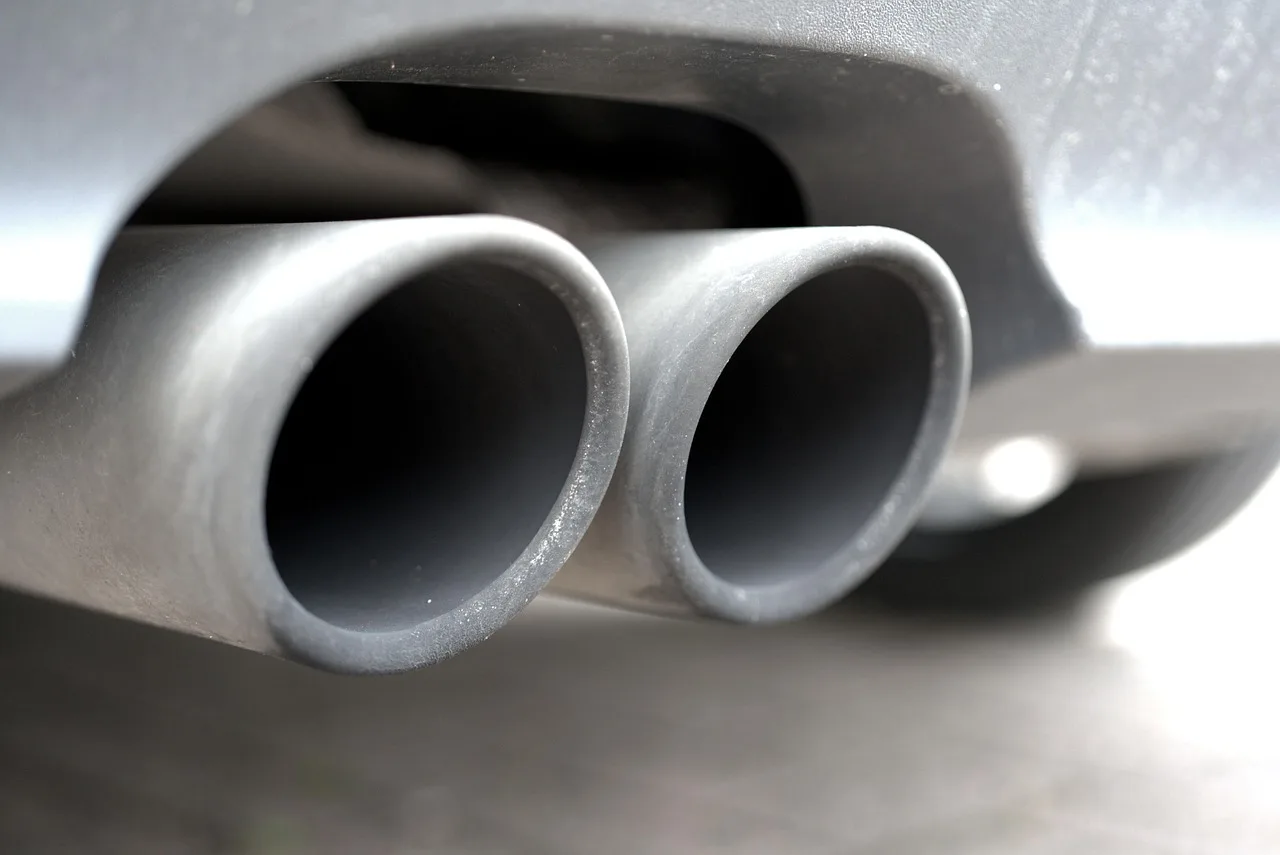
Replace the pipe when rust is deep, the section is crushed, the leak is at a flex joint, or the metal around the hole is too thin to hold clamp load. A sleeve only works when the pipe can still act like pipe.
If the damaged area is longer than the sleeve can cover with good overlap, a cut-and-replace section is safer and usually longer lasting. That also applies when the exhaust is already patched once and failing again nearby.
When to seek welding or shop repair
A muffler shop repair is the better choice when the leak sits near a bend, hanger, bracket, sensor bung, or welded seam, or when the pipe must be cut out anyway. Welding can be more permanent than a clamp if the surrounding metal is still healthy enough to bond.
Cost often moves the decision. A sleeve may need only the part, sealant, and basic hand tools, while welding adds labor and sometimes cutting or fabrication. Still, a failed sleeve that turns into a larger repair can cost more in the end.
Will a repair sleeve stop an exhaust leak long enough to pass inspection?
Yes, a properly sized sleeve can stop a small exhaust leak long enough to pass inspection if the pipe is straight, the metal is sound, and the repair seals fully before the test. It is less likely to hold if the leak is in rust-thinned pipe, flex tubing, or a crushed section.
After the repair, run the engine, listen for ticking, and check for soot or fumes. If the leak returns quickly, the inspection result may not hold, and the repair should be upgraded.
Is an exhaust pipe repair sleeve better than tape or a patch?
Yes. A metal sleeve is generally better than tape because it clamps the pipe with real mechanical force and can survive exhaust heat far better. A patch can work in some cases, but it usually depends on welding and a cleaner, flatter repair area.
Tape is at best temporary and should not be treated as the same class of repair. For a real leak fix, a properly sized sleeve, clamp, weld, or replacement section is the safer path.
Can a sleeve be used on a flex pipe leak?
Usually no. A flex pipe moves constantly, so a rigid sleeve tends to lose its seal or crack nearby because it cannot follow the motion of the braided section. The better fix is a flex pipe replacement or a muffler shop repair.
If the leak is at the flex pipe weld rather than the braid itself, the shop may still recommend cutting in a new flex section. That is more reliable than trying to clamp a moving target.
Do I need welding to install an exhaust repair sleeve?
No, many sleeves are designed for bolt-on installation without welding. The key is correct diameter, enough straight pipe, a clean surface, and proper torque on the hardware so the sleeve seals evenly.
Welding becomes the better option when the pipe is too thin for clamping, when the leak sits at a weld or flex section, or when the repair must be permanent rather than temporary.
Which one should you buy
Buy the stainless split-clamp sleeve if the pipe is straight, clean, and thick enough to clamp, especially in wet or salty climates. It gives the best mix of fit, heat resistance, and corrosion resistance.
Buy the aluminized budget sleeve only when cost matters more than life span and the vehicle sees mild weather. It is a reasonable short-term repair on a dry-climate daily driver.
Buy the flex repair pipe instead of a sleeve if the leak is in the flex section, at a flex weld, or on any moving part of the exhaust. A rigid sleeve is the wrong tool there.
Skip sleeves and go to welding or full section replacement if the pipe is rusted through, crushed, or too short for proper overlap. That is also the better path if the leak is close to the manifold, cat, hanger, or another welded seam.
Frequently asked questions
How to repair exhaust pipe
Start by letting the exhaust cool, then locate the leak with soot marks, ticking noise, or fumes. If the pipe is straight and solid, clean it, measure the outside diameter, and install a correctly sized sleeve or clamp. If the pipe is rusted thin, replace the section or weld in a repair.
How to fix broken exhaust pipe
A broken exhaust pipe can sometimes be fixed with a sleeve if the break is short and the metal around it is still strong. If the break is jagged, the pipe is thin, or the damage extends beyond the clamp area, cut out the bad section and replace it or have it welded.
How to repair exhaust flex pipe
Repairing a flex pipe usually means replacing it, not sleeving it. The flex section is meant to move with engine vibration, so a rigid sleeve is usually unreliable there. If the leak is near the flex joint, a muffler shop can install a new flex section or weld in a replacement.
How to repair a leaking pipe
For a leaking exhaust pipe, choose the smallest repair that still clamps onto sound metal. Clean off rust and soot, verify the diameter, and use high-temperature hardware or sealant if the product allows it. Check for fumes afterward, because a sealed-looking joint can still leak under load.
How to fix a cracked exhaust pipe
A cracked exhaust pipe is a good sleeve candidate only when the crack is short, the pipe is straight, and the surrounding metal is still thick enough to hold pressure. If the crack is long or the pipe is flaking, welding or section replacement is more durable and usually cheaper than repeated patching.
How do I size a repair sleeve correctly for my exhaust pipe?
Measure the pipe’s outside diameter, not just its nominal exhaust size. Calipers are best, but a tape can work if you calculate the diameter from circumference. Then confirm you have enough straight pipe on both sides of the leak for proper overlap, or choose a different repair.