Best Flex Pipe Repair Kit for DIY Fixes (2026): we compared
For a flex pipe leak, choose a stainless clamp-on flex pipe repair kit for pinholes or seam splits, but replace the flex section if the braid is torn, the pipe is crushed, or the leak is at the bellows. Temporary wraps rarely last past a few heat cycles. A bad fix can leave exhaust fumes under the car, trigger a louder drone, and waste money on a part that fails again. This guide compares patch kits, sleeve kits, and full flex section replacements by leak type, pipe size, heat load, and expected life.
Quick comparison
| Product | Badge | Best for | Price | ||
|---|---|---|---|---|---|
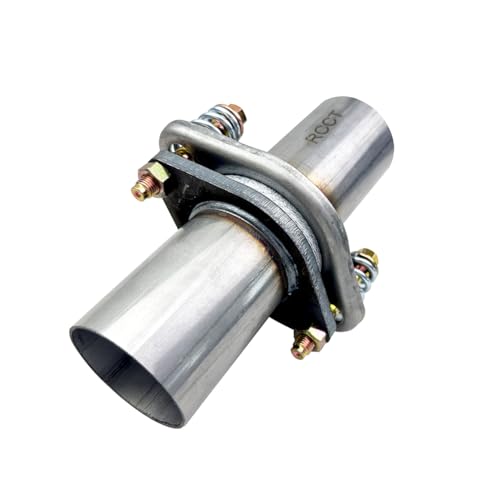 |
RCCT 2’’ Exhaust Flex Pipe Repair Kit, Spring Joint 50mmRCCT | Our pick | 2” exhaust flex pipe repair kit with universal flange | $29.99
Price as of 10 Oct 2026
|
View |
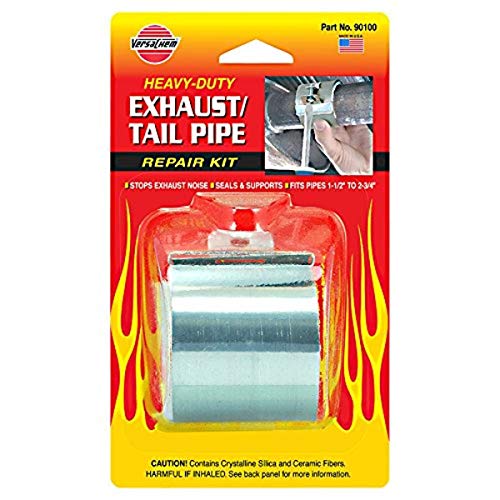 |
Versachem 90100 Exhaust/Tail Pipe Repair KitVersachem | Budget pick | All-steel clamp kit for 1-1/2" to 2-3/4" pipes | $9.89
Price as of 10 Oct 2026
|
View |
 |
DEWALT 1/4 "Hose Repair Kit with Torque Range of 90-100DEWALT | Also great | 1/4" NPT hose repair kit with aluminum construction | $7.31
Price as of 10 Oct 2026
|
View |
Use the table as a damage-first filter, not a brand list. Exhaust flex pipe repair depends on fit, heat, and movement, so the best choice can change once the bellows, braid, or weld ends are involved.
📊 RectorSeal Pipe Repair 82112 is rated to 450 psi. Source: Best Pipe Repair Kit for DIYers 2026: 7 Tested & Ranked.
How we chose
We compared repair types by four exhaust-specific factors: heat resistance, vibration tolerance, fit range by pipe diameter, and how much surface prep they demand before installation. Temporary and longer-lasting uses also matter, because some products only buy time on a hot, moving exhaust stream.
We also weighed whether a repair can handle curved sections, road salt corrosion, and crushed or rust-scaled pipe. A kit that works on a straight tail pipe may fail on a flex section because the pipe never stops moving.
Finally, we separated outer-braid damage from structural bellows failure. That distinction decides whether a patch is realistic or whether replacement is the safer answer.
RCCT 2’’ Exhaust Flex Pipe Repair Kit: best for a direct replacement on a 2-inch flex section
- Universal fit allows axial and lateral flex under heat and vibration
- Integrated flange and spring bolts provide a direct replacement solution
- Resists vehicle vibration stress while maintaining reliable sealing and service life
This is for a DIY owner who wants a replacement-style fix rather than a patch. The RCCT kit is built around a 2” exhaust flex pipe repair setup with a universal flange, so it seems better suited when the original flex section has failed at the joint rather than just at a small pinhole in the braid.
Its main strength is fit and movement control. The listed spring joint design is meant to allow axial and lateral flex under heat and vibration, which is exactly what a flex section must do in service.
The drawback is scope. If your exhaust is not a 2-inch setup, or if the damage is only a tiny leak on an otherwise sound straight section, this is more part replacement than cheap patching. It also will not solve severe bellows collapse or a crushed canister area.
Versachem 90100 Exhaust/Tail Pipe Repair Kit: best budget clamp kit for 1-1/2-inch to 2-3/4-inch pipes
- Adjustable size fits pipes ranging from 1-1/2 inches to 2-3/4 inches
- All-steel clamp includes a high-temperature gasket for sealing
- Helps stop exhaust noise while supporting leaking pipes
This is the low-cost option when you need a clamp-and-gasket repair on a pipe that still has usable shape. The Versachem kit is described as an all-steel clamp kit for pipes in roughly the 1-1/2″ to 2-3/4″ range, so it should fit a fairly broad set of common exhaust diameters.
It makes sense for outer-shell leaks, split seams, or a straight section near the flex pipe where the metal is still round enough to clamp. The high-temperature gasket is the useful part here, because seal quality depends on clean contact and a pipe that has not rusted into an oval.
The drawback is fitment. Corrosion, scale, and crush damage can keep any clamp from sealing evenly. If the flex braid is torn or the bellows itself is failing, a clamp kit is only a stopgap.
DEWALT 1/4 “Hose Repair Kit: not a fit for exhaust flex pipe repairs
- Lightweight aluminum construction provides exceptional strength without added weight
- Includes hose end fitting, mender, and three hose clamps
- Heavy barbs ensure secure holding power for reliable connections
This kit is for hose repair, not exhaust repair. The DEWALT hose kit is built around 1/4″ NPT hose work and lightweight aluminum construction, so it does not match the heat, vibration, or pipe diameters involved in exhaust flex pipe repair.
It is a useful reminder of a common buying mistake: plumbing-style and hose-style kits can look similar to a quick shopper, but exhaust repair needs high-temperature materials and a seal that can survive constant thermal cycling.
The drawback is obvious. It is not intended for hot exhaust gas, so it should be excluded from exhaust repair searches even if it appears in repair-kit results.
Which one should you buy
Start with the damage, then pick the repair. For a 2-inch flex section that needs replacement, the RCCT kit is the cleanest non-weld option on this list. For a budget clamp repair on a straight, still-round pipe from 1-1/2 inches to 2-3/4 inches, the Versachem kit is the better value. Skip hose-repair kits entirely for exhaust work.
If the flex braid is torn, the bellows are split, or the pipe is crushed, buy replacement parts rather than a patch. If the leak is a tiny pinhole on a straight section and you only need to get the car home, a temporary wrap or tape can buy time, but it should not be treated as a lasting fix.
Can you repair a flex pipe without welding?
Yes, but only in limited cases. A clamp, sleeve, or replacement-style bolt-on flex section can work when the pipe is still round, the leak is on a straight segment, and the damage is not in the bellows. Sealing products alone are for small leaks and short-term use, not for a torn flex assembly.
When a clamp or sleeve is realistic
A clamp or sleeve works best on straight exhaust pipe near the flex section, where you can measure a clean outer diameter and get even contact. Stainless hardware is preferable because undercar corrosion and heat cycling punish mild-steel fasteners quickly.
When sealing products only buy time
Repair tape, bandage wraps, and high-temperature epoxy can reduce noise from a tiny leak, but they do not restore the flex function of the section. On a vibrating exhaust, adhesive repairs face constant movement and thermal expansion, so they are usually temporary.
When replacement is the safer call
Replace the flex section if the braid is torn through, the bellows are split, the weld ends are cracked, or the pipe has collapsed from rust. Those failures are structural, not cosmetic, and the exhaust will keep moving until the damaged section is removed.
What size repair kit do you need?
You need the outer diameter of the exhaust pipe, measured on the straightest clean section you can find. Do not guess from the nominal pipe size, because rust, crushing, and previous repair work can change the actual outside diameter enough to ruin the fit.
How to measure outer diameter correctly
Use a tape measure or caliper around the pipe’s outside edge, not the inside. If the pipe is rusty, scrape a small clean spot first so rust scale does not add false thickness. Measure away from the crushed or swollen area if possible.
Imperial and metric size matching
Match the reading to the product’s stated range in inches, then convert if needed. A 2-inch exhaust section is roughly 50.8 mm, so a 51 mm part is close enough that the physical fit matters more than the exact label.
Why rust and crush damage change fit
Clamp kits and sleeves depend on roundness. If the pipe has flattened, flared, or pitted badly, the hardware may seal one side and leak on the other. In that case, replacement is usually safer than forcing a bad fit.
Quick picks
| Option | Best for | Key spec | Use level |
|---|---|---|---|
| RCCT 2’’ Exhaust Flex Pipe Repair Kit | 2-inch flex section replacement-style repair | Universal flange; spring joint for movement | Longer-lasting non-weld fix |
| Versachem 90100 Exhaust/Tail Pipe Repair Kit | Budget clamp repair on round straight pipe | All-steel clamp; 1-1/2" to 2-3/4" range | Short- to mid-term repair |
| Temporary wrap or tape | Tiny pinholes and emergency noise reduction | High-temp patch use only | Temporary |
Decision table: patch, sleeve, or replace
| Damage type | Pipe diameter | Leak location | Driving urgency | Safest choice |
|---|---|---|---|---|
| Small pinhole, braid intact | Any clean round size you can measure | Straight section near flex | Need to drive today | Patch with high-temp tape or bandage, then plan a sleeve or replacement |
| Short seam split, pipe still round | Matches clamp or sleeve range exactly | Straight pipe, not bellows | Need a longer-term DIY fix | Sleeve or stainless clamp |
| Outer-braid torn but bellows sound | Known measured OD, no crushing | Over flex section shell | Can leave car parked | Replace flex section |
| Bellows split or collapsed | Any | Flex center | Urgent | Replace |
| Weld ends cracked or rusted through | Any | At flange or weld bead | Need temporary transport only | Replace; patch only as a short-term stopgap |
| Pipe crushed, oval, or heavily pitted | Unreliable measurement | Any leak point | Any | Replace |
Should you patch a flex pipe or replace it?
Replace it when the damage is structural, not cosmetic. A torn braid, split bellows, crushed tube, or failing weld end means the exhaust is moving in ways a patch cannot correct. Patching only makes sense when the leak is tiny and the surrounding metal is still solid enough to hold a seal.
Signs the pipe is too damaged to save
If you can flex the section by hand and feel the bellows move unevenly, or if the leak widens when the engine rocks, the section is failing mechanically. Heavy rust flakes, missing braid, and distorted pipe walls are strong signs that a patch will not last.
Temporary repair limits on older rusted exhausts
Older systems often crack again next to the repair because corrosion spreads beyond the visible leak. A wrap may quiet the sound for a short time, but rusted metal around the repair can open a new leak as soon as the exhaust heats and cools.
Safety, noise, and inspection consequences
A leaking flex pipe can let exhaust fumes collect under the car, increase cabin odor, and make the exhaust louder. Depending on the vehicle, a leak before oxygen sensors can also trigger a check engine light, and some inspection programs will reject visible exhaust leaks or emissions-related faults.
Will repair tape hold on an exhaust flex pipe?
Only for tiny pinholes or very short-term sealing. Exhaust repair tape depends on clean contact and enough surface area to grip, which is hard on a curved, vibrating flex section. It is not a permanent fix for a torn braid or bellows failure.
Where tape can work
Tape can buy time on a small leak in a relatively smooth, straight section of pipe. Surface prep matters: remove soot, rust, and loose scale before wrapping, or adhesion drops fast once the exhaust cycles through heat.
Where tape usually fails
It struggles on the moving bellows itself, on oily or rusty surfaces, and on damaged weld ends. Once the exhaust expands and contracts, the wrap can loosen, crack, or burn through at the edges.
Is a clamp or sleeve better for a flex pipe leak?
A sleeve is usually stronger for a straight section because it covers more length and supports the pipe over a larger area. A clamp is better when the pipe is still round, the leak is modest, and you need a simpler install with fewer parts.
When to choose a sleeve
Choose a sleeve when the pipe diameter is known, the section is straight, and you want more coverage around the leak. Stainless or band-clamp sleeve designs are better choices than thin wrap-only fixes for heat and vibration.
When to choose a clamp
Choose a clamp when the pipe range matches closely and the leak is near a seam or small split. Products like the Versachem all-steel clamp kit are aimed at this kind of repair, not at a torn bellows or collapsed flex core.
Limits on corroded or misshapen pipe
Neither a clamp nor a sleeve can force a badly rusted or oval pipe back into shape. If the metal has lost strength, the repair may seal briefly and then leak again as the exhaust flexes.
Can I drive with a leaking flex pipe temporarily?
Yes, but only if the leak is small, the cabin stays clear of fumes, and you are treating the repair as temporary. A loud exhaust, strong odor, or visible smoke near the floor pan means you should avoid extended driving and repair it immediately.
What temporary really means
Temporary means getting home, reaching a repair bay, or moving the vehicle before a scheduled replacement. It does not mean running the car for weeks on a wrap that is already heat-cycled and loosening.
When not to drive
Do not drive if fumes enter the cabin, if the pipe is dragging, or if the leak is near the floor under the passenger compartment. Carbon monoxide risk is the reason this repair category needs caution.
How long does a flex pipe repair kit last on an exhaust?
It depends on the repair type, but heat and vibration shorten every seal’s life. Wraps and tape are usually temporary. Clamp kits and sleeves last longer when the pipe is round, the metal is sound, and the repair is on a straight section rather than on the flex joint itself.
Heat-cycle and vibration limits
Exhaust flex pipes move every drive. That motion, plus repeated heating and cooling, is why many generic repair products fail even if they seem tight at first. A kit that is fine for plumbing may not survive undercar movement.
Corrosion limits lifespan too
Road salt and moisture attack the clamp, the pipe wall, and the repair edge. Stainless hardware helps, but it cannot restore metal that is already thinned by rust.
Do exhaust repair kits work on heat and vibration?
Some do, but only if they are built for exhaust conditions. Stainless clamps, sleeve kits, and replacement-style flex sections handle heat and movement far better than general-purpose wraps or plumbing sealants. The best kits still depend on proper sizing and clean surfaces.
Why generic kits fail on flex pipes
Exhaust flex pipes do not sit still. A rigid repair on a moving section tends to crack, separate, or buzz over time. That is why the leak location matters as much as the leak size.
What to look for instead
Look for high-temperature materials, stainless construction, and fit ranges that match the pipe’s outside diameter. Fast cure or fast clamp time helps with installation, but it does not compensate for a bad size match.
What is the best flex pipe repair kit for a DIY fix?
The best flex pipe repair kit for a DIY fix is the one that matches the damage, not the cheapest one on the shelf. For straight, round pipe leaks, a stainless clamp or sleeve is the strongest non-weld choice. For a failed flex section, replacement is the safer fix.
Best answer by damage type
Use tape only for tiny pinholes and only as a short-term patch. Use a clamp or sleeve for straight pipe leaks where the metal is still round. Replace the flex section if the braid is torn, the bellows is split, or the pipe is crushed.
Scenario examples
Say your 2-inch exhaust has a pinhole a few inches before the flex joint and the pipe is still round. A stainless clamp or sleeve is the better long-term non-weld choice, while tape can get you through a short trip if you need to drive immediately.
Suppose the bellows has split open at the center and the car drones badly under load. No wrap will restore the flex function, so replacement is the safer repair even if the rest of the exhaust looks usable.
Frequently asked questions
What size repair kit do I need for my exhaust pipe?
Measure the exhaust’s outside diameter on a clean, straight section and match the kit to that size range. Do not size from rusted edges or crushed areas. For close imperial and metric matches, compare both values before buying so the clamp or sleeve seats evenly.
Can I repair a flex pipe without welding?
Yes, if the damage is small and the pipe is still structurally sound. Clamp kits, sleeves, and replacement-style bolt-on flex sections can work. If the bellows is split or the braid is torn through, welding-free repair is usually a stopgap, not a final fix.
How do I know if my flex pipe is too damaged to patch?
If the bellows is split, the braid is missing in sections, the pipe is crushed, or the weld ends are rusted apart, patching is not enough. Those conditions mean the flex pipe is failing as a structure, not just leaking at one point.
Will repair tape hold on an exhaust flex pipe?
Only for a tiny leak and only temporarily. Tape struggles on curved, vibrating exhaust parts and needs very clean surface prep to stick at all. It can reduce noise for a short time, but it is not a permanent fix for a flex section.
Is a clamp or sleeve better for a flex pipe leak?
A sleeve is usually better for a straight section because it covers more area and supports the pipe more evenly. A clamp can work well on a round pipe with a modest split or seam leak. Neither is a good answer for a torn bellows.
Can I drive with a leaking flex pipe temporarily?
Only if the leak is minor and exhaust fumes are not entering the cabin. Keep the trip short and treat it as a temporary move to a repair location. Loud leaks, floorpan fumes, or visible damage near the cabin area mean you should not keep driving.