Does Changing Exhaust Tip Void Warranty? Essential Guide
Does Changing Exhaust Tip Void Warranty? Essential Guide: Generally, changing only the exhaust tip will not void your car’s factory warranty, as it’s considered a cosmetic or minor aftermarket part. However, if the new tip is installed incorrectly, causes damage, or is part of a more extensive exhaust system modification, it could impact your warranty coverage. Always check your warranty details.
Thinking about giving your car’s rear end a fresh look with a new exhaust tip? It’s a common question among car owners: will this simple upgrade void my vehicle’s warranty? Many people worry that any change to their car’s original parts might cause their manufacturer warranty to disappear. This can be a real headache, especially if something goes wrong with your car later. But don’t let that stop you from personalizing your ride! This guide is here to break down exactly what you need to know about exhaust tips and your car’s warranty. We’ll cover everything in simple terms, so you can make an informed decision without any confusion. Let’s dive in and figure out if changing your exhaust tip is a warranty-safe move!
Understanding Your Car’s Warranty
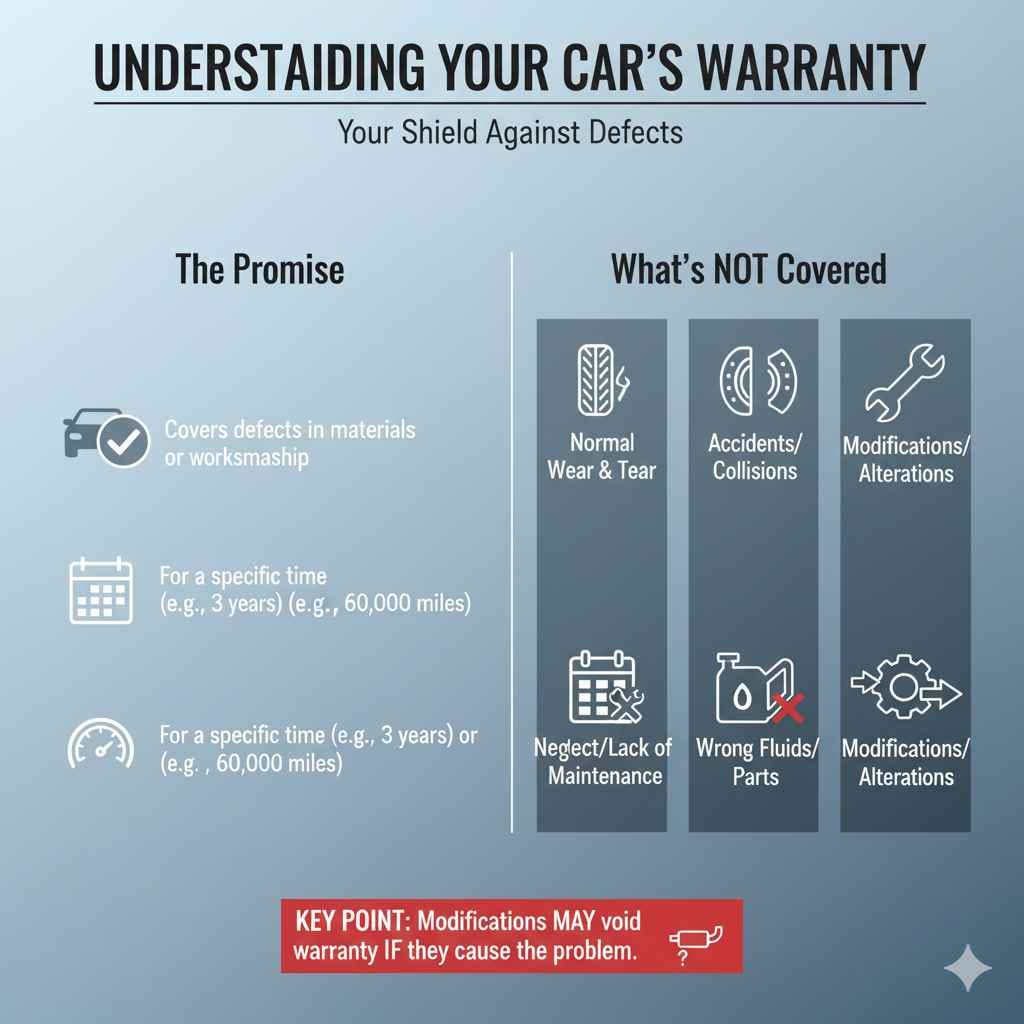
Before we talk about exhaust tips specifically, it’s important to understand how a car warranty generally works. Think of your car’s warranty as a promise from the manufacturer that they will cover the cost of repairs for any defects in materials or workmanship for a certain period or mileage. This is usually for a few years or tens of thousands of miles.
However, manufacturers have specific terms and conditions. They generally won’t cover damage caused by:
- Normal wear and tear (like brake pads or tires wearing out).
- Accidents or collisions.
- Neglect or lack of proper maintenance.
- Using the wrong fluids or parts.
- Modifications or alterations made to the vehicle.
The key phrase here is “modifications or alterations.” This is where exhaust tips come into play. Manufacturers can legally refuse to cover a repair if the problem was caused by a modification you made. The important part is the causation – if your modification didn’t cause the problem, they should still cover it.
What is an Exhaust Tip?
An exhaust tip is the very end piece of your car’s exhaust system. It’s the part you see sticking out from under the bumper. Its main jobs are:
- Aesthetics: It’s often designed to look good, adding style and sportiness to the back of your car. They come in various shapes, sizes, and finishes like chrome, black, carbon fiber, or brushed metal.
- Directing Exhaust Flow: It helps direct the exhaust gases away from the vehicle body.
- Minor Sound Modification: While not its primary purpose, some tips can slightly alter the exhaust note, making it sound a bit deeper or sportier.
Crucially, the exhaust tip is usually attached to the muffler or the tailpipe, which is the final section of the exhaust system. It’s typically the most visible and easily changeable part of the entire exhaust assembly.
Does Changing Just the Exhaust Tip Void Warranty?
In most cases, the answer is no, changing only the exhaust tip will not void your car’s factory warranty. Here’s why:
- It’s a Minor Component: An exhaust tip is generally considered an accessory part rather than a critical engine or emissions component.
- No Impact on Performance or Emissions: A simple tip swap usually doesn’t affect how your engine runs or how much pollution your car produces. These are areas manufacturers are very strict about.
- Ease of Reversal: Most exhaust tips simply clamp on or bolt directly to the existing tailpipe. They are easy to remove and put the original back on if needed for warranty work, which further lessens the risk.
Think of it like changing your car’s floor mats or adding a spoiler. These are usually cosmetic or minor additions that don’t affect the core mechanical or electronic functions of the car. The Magnuson-Moss Warranty Act, a U.S. federal law, protects consumers by preventing manufacturers from voiding warranties just because you used an aftermarket part. They must prove that the aftermarket part caused the failure.
However, there are a few important caveats:
When a Tip Change Could Cause Issues
- Improper Installation: If you install the new tip incorrectly, it can cause damage. For example, if it’s too loose and vibrates against other parts, or if you overtighten a clamp and crack the existing pipe. Any damage resulting from poor installation is your responsibility and could be denied by a warranty claim if it’s related to that specific damage.
- Damage to Other Exhaust Components: If the new tip is too heavy or poorly designed, and it puts excessive stress on the hangers or the rest of the exhaust system, leading to a break or other damage, the warranty claim for that specific exhaust component might be denied.
- Part of a Larger Modification: If the tip is part of a full aftermarket exhaust system (cat-back or axle-back), then it’s much more likely to affect your warranty, especially concerning engine performance and emissions.
- Altering Sound Significantly: While less common with just a tip, if the tip drastically changes the exhaust sound in a way that’s illegal for your region, or if it’s intended to amplify sound and is part of a performance upgrade, a manufacturer might look more closely.
It’s always wise to check your specific vehicle’s warranty booklet. Sometimes, the language can be vague. If you’re unsure, contacting your dealership’s service department with a specific question about just replacing the tip (without mentioning any other potential modifications) can sometimes offer clarity, though their answers should be taken with a grain of salt as they represent the manufacturer.
Types of Exhaust Tips and Installation Methods
Understanding how exhaust tips are attached can help you see why most are low-risk modifications.
Common Types of Exhaust Tips:
- Bolt-On/Clamp-On: These are the most common and easiest to install. They slide over the existing tailpipe and are secured with bolts or a hose clamp. They require no welding or permanent alteration to your factory exhaust.
- Weld-On: These tips require welding to permanently attach them to your tailpipe. This is a more involved installation and might be best left to professionals. This type of modification is more likely to raise questions about warranty if issues arise with the exhaust system itself.
- Slip-On: Similar to clamp-on, these simply slide onto the tailpipe and might be held in place by friction or a simple set screw.
Installation Considerations:
For most bolt-on or clamp-on tips, you likely won’t need many special tools. Here’s a typical list:
Tools You Might Need:
- Socket wrench set (for bolts)
- Screwdriver (for clamps)
- Penetrating oil (if the existing tailpipe is rusted or stuck)
- Gloves (for protection)
- Safety glasses (always important when working under a car)
- A new exhaust tip!
Basic Installation Steps (Clamp-On Tip):
- Safety First: Ensure your vehicle is parked on a level surface, the parking brake is engaged, and the engine is completely cool. If you need to raise the vehicle for better access, use jack stands for safety. Never rely solely on a jack.
- Locate the Tailpipe: Find the end of your exhaust pipe where the current tip is located.
- Remove Existing Tip (If Applicable): If you have an old tip to remove, loosen the clamp or bolts holding it in place. It might be stuck due to rust. A little penetrating oil can help. Gently twist and pull the old tip off.
- Clean the Tailpipe: Wipe down the end of the tailpipe to ensure a clean surface for the new tip.
- Position the New Tip: Slide the new exhaust tip over the clean end of the tailpipe. Ensure it’s straight and centered.
- Secure the Tip: Tighten the clamp or bolts firmly but avoid overtightening. You want it snug so it doesn’t move but not so tight that you damage the pipes or hangers.
- Check Alignment: Step back and look at the installation from a few angles. Make sure the tip is positioned how you want it and doesn’t look crooked.
- Test Fit: Start the engine briefly and listen for any unusual rattling or vibrations. Check the tip again after a short drive to ensure it remains secure.
For a more visual guide, you can check out resources like YouTube for countless videos demonstrating exhaust tip installations for various car models. Always refer to the specific instructions that come with your new exhaust tip.
When More Extensive Exhaust Modifications Could Affect Warranty
While a simple tip change is usually fine, modifying other parts of your exhaust system is where warranty concerns become much more significant. This includes:
- Axle-Back Exhaust Systems: These replace the muffler and tailpipe section. While often designed for sound and aesthetics, they can sometimes affect backpressure and emissions, which are covered by warranties, especially emissions warranties which often last longer (e.g., 8 years/80,000 miles in the US).
- Cat-Back Exhaust Systems: These replace everything from the catalytic converter back. This is a substantial modification. Any issues with engine performance, fuel efficiency, or emissions directly related to changes in exhaust flow, backpressure, or catalytic converter efficiency could be denied warranty coverage.
- Performance Headers: These replace the exhaust manifold. This is a major engine modification and can significantly impact performance and emissions. Warranty claims related to the engine, exhaust, or emissions will likely be scrutinized very closely.
- Removing or Altering Catalytic Converters: This is illegal in most places and will absolutely void any related emissions warranty and likely other powertrain warranties.
Table: Impact of Exhaust Modifications on Warranty
Here’s a general guideline for how different exhaust modifications might affect your vehicle’s warranty. Remember, this is not definitive, and your specific warranty terms apply.
| Modification Type | Likely Warranty Impact (Specific Component) | Likely Warranty Impact (Powertrain/Emissions) | Reasoning |
|---|---|---|---|
| Exhaust Tip Only (Clamp/Bolt-On) | Minimal to None | Minimal to None | Accessory, cosmetic, easily reversible, no impact on performance/emissions. |
| Axle-Back Exhaust System | Low to Moderate (for dedicated exhaust parts) | Moderate to High (if it affects performance/emissions) | Replaces mufflers/pipes; potential impact on sound, flow, and backpressure. |
| Cat-Back Exhaust System | Moderate to High | High | Significant system alteration; directly affects flow and backpressure, potentially impacting engine and emissions components. |
| Performance Headers | High | Very High | Major engine component modification; directly impacts combustion and exhaust characteristics. |
| Catalytic Converter Removal/Modification | Very High | Void | Illegal and directly impacts emissions control systems. |
For the most authoritative information on emissions system warranties in the United States, you can refer to the Environmental Protection Agency (EPA) guidelines, which outline required warranty coverage periods.
How to Maximize Your Warranty Protection
Here are some tips to keep your warranty intact:
- Read Your Warranty Booklet: Understand what is and isn’t covered. Pay attention to sections on modifications and aftermarket parts.
- Keep Records: Save receipts for all maintenance and any parts you install. If you have a professional install an exhaust tip, keep that receipt.
- Stick to Simple Modifications: For minimal risk, stick to cosmetic or easily reversible add-ons like exhaust tips.
- Professional Installation: If you’re not comfortable, have a reputable shop install any aftermarket parts. This ensures it’s done correctly and reduces the chance of causing damage.
- Choose Reputable Brands: Most aftermarket brands design their parts to fit specific vehicles and to minimize issues.
- Revert to Stock for Major Repairs: If you’re going to a dealership for a significant warranty repair and you’ve made modifications, consider reinstalling the original parts if it’s feasible and won’t cause further issues. This is more relevant for larger modifications than just a tip.

FAQ: Your Exhaust Tip Warranty Questions Answered
Q1: Will changing my exhaust tip affect my car insurance?
A: Typically, changing just an exhaust tip, especially for aesthetic reasons, will not affect your car insurance premiums. Insurance typically covers the vehicle’s value and liability. However, if the modification significantly increases the perceived value or is part of a performance package, it’s always good to inform your insurer.
Q2: If my exhaust tip falls off, will the manufacturer fix it under warranty?
A: If the original exhaust tip falls off due to a defect in its material or installation by the factory, it would likely be covered under warranty. If you replaced it with an aftermarket tip and it falls off, it falls under the rules of aftermarket part installation – if it was installed correctly, it’s unlikely to have warranty implications. If it falls off due to faulty installation, that repair is on you.