Is It Bad To Put Exhaust Tip On Hayabusa? Essential Guide
Putting an exhaust tip on a Hayabusa can change its sound and look. For most riders, it’s not inherently “bad” if done correctly. However, a poorly chosen or installed tip can affect performance or sound legality. This guide will help you understand the pros, cons, and essential considerations before adding a tip to your Hayabusa.
Are you dreaming of a more aggressive sound or a slicker look for your Suzuki Hayabusa? Adding an aftermarket exhaust tip is a popular way to achieve this. Many Hayabusa owners wonder if this modification is a good idea or if it could cause problems. Rest assured, with the right information, you can make a choice that enhances your bike’s appeal without any nasty surprises. This guide breaks down everything you need to know about exhaust tips for your Hayabusa, making it easy to understand and decide. We’ll cover what happens, what to look for, and how to do it right!
Understanding Exhaust Tips for Your Hayabusa
So, what exactly is an exhaust tip, and why do people add them to their Hayabusa? Think of the exhaust tip as the final flourish at the end of your motorcycle’s exhaust system. It’s the part you see and hear most prominently. For many riders, the stock Hayabusa exhaust can be a bit too quiet or lack the visual punch they desire. Aftermarket exhaust tips are designed to change this. They come in various shapes, sizes, materials, and finishes, offering a personalized touch.
Why Riders Choose Aftermarket Exhaust Tips
Aesthetics: This is often the biggest driver. A polished chrome tip, a sleek carbon fiber look, or an aggressive black tip can dramatically change the bike’s appearance.
Sound: Many riders seek a deeper, sportier, or more distinct exhaust note. While a simple tip won’t usually change the fundamental tone of the engine as much as a full exhaust system, it can still modify the sound characteristics.
Weight Reduction: Some aftermarket tips, especially those made from carbon fiber or titanium, can be significantly lighter than the stock component, contributing to a small overall weight saving.
Customization: It’s a relatively simple and affordable way to make your Hayabusa stand out from the crowd.
Is It Bad To Put an Exhaust Tip on a Hayabusa? The Real Answer
The short answer is: No, it’s generally not bad to put an exhaust tip on a Hayabusa if you choose and install it wisely. However, “wisely” is the key word. There are potential downsides if you don’t consider the specifics.
Here’s a breakdown of things to consider:
Potential Downsides to Consider
Legality Issues: This is a major one. Some aftermarket exhaust tips, especially those with less baffling or designed purely for maximum sound output, can produce noise levels exceeding legal limits in many areas. Always check your local noise ordinances. A tip that’s too loud can lead to tickets or even require you to revert to a stock or quieter system.
Performance Impact: While a tip alone usually has a minimal impact on the Hayabusa’s powerful engine performance, choosing a very restrictive tip could slightly hinder exhaust flow. Conversely, a very open tip without proper tuning could potentially lead to minor performance issues or a lean fuel mixture, though this is less common with just a tip replacement compared to a full system.
Fitment Problems: Not all exhaust tips are made to fit all stock Hayabusa exhaust cans. Trying to force a poorly fitting tip can damage your existing exhaust or the tip itself, leading to leaks or an unsightly appearance.
Durability and Quality: Cheaply made tips might rust quickly, fade, or have welds that fail. This not only looks bad but can be a safety concern if parts become loose.
Drone or Annoyance: Some tips can create an unpleasant “drone” sound at certain RPMs, which can be very annoying on longer rides.
Choosing the Right Exhaust Tip for Your Hayabusa
To avoid the pitfalls, careful selection is crucial. Here’s what to look for:
Key Features to Examine
Material:
Stainless Steel: Durable, resistant to rust, and typically more affordable. Offers a classic look.
Carbon Fiber: Very lightweight, high-tech appearance, and excellent heat resistance. Can be more expensive.
Titanium: Extremely lightweight and strong, often used in high-performance applications. Usually the most expensive.
Finish:
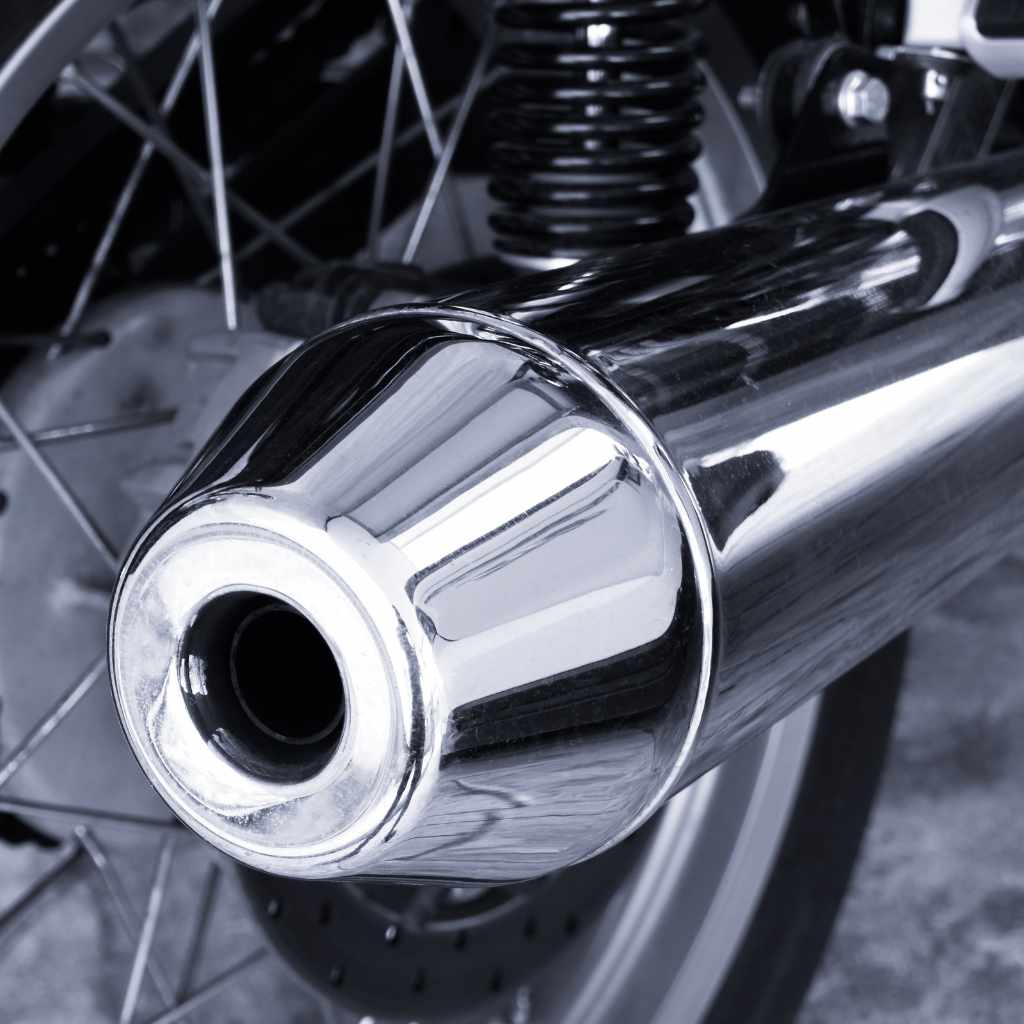
Chrome: Shiny, classic motorcycle look. Requires regular cleaning to maintain its luster.
Brushed/Satin: More muted, sophisticated look. Less prone to showing smudges than chrome.
Black (Ceramic Coated or Powder Coated): Aggressive, modern look. Offers durability and heat resistance.
Size and Shape: Hayabusa exhausts are typically quite substantial. Ensure the tip you choose is designed to complement the size of the stock muffler or aftermarket can. Common shapes include round, oval, and slash-cut.
Baffling/Sound Level: This is critical for legality and rider comfort. Many reputable manufacturers offer tips with options for different sound levels. Some may include removable baffles. If you want a louder sound, look for options that explicitly state they are designed for increased volume but still aim to stay within legal limits.
Mounting Mechanism: How does the tip attach? Is it a slip-on design that clamps onto the existing muffler outlet? Does it require welding? For most beginner-friendly upgrades, a simple clamp-on slip-on design is easiest.
Reputable Brands and Resources
When looking for aftermarket parts for a high-performance machine like the Hayabusa, sticking to known brands is wise. Some manufacturers that produce high-quality exhaust components, including tips (though often as part of a full system), include:
Yoshimura
Akrapovič
Two Brothers Racing
M4 Exhaust
SC-Project
When searching for “Suzuki Hayabusa exhaust tips,” you’ll find many options. Look for product descriptions that clearly state compatibility with your Hayabusa model and year.
For understanding exhaust system components and regulations, resources like the U.S. Environmental Protection Agency (EPA) website can offer insights into emissions and noise standards, although specific motorcycle regulations can vary by state and locality. For example, the EPA’s page on state and local regulations can be a starting point to understand the landscape of vehicle emission and noise rules.
How to Install an Exhaust Tip on a Hayabusa (Beginner-Friendly Guide)
Installing an exhaust tip is generally one of the simpler motorcycle modifications you can do. Most are designed to be a direct replacement or an add-on to the existing muffler.
Tools You’ll Likely Need:
Socket Wrench Set: For removing any clamps or bolts holding the stock tip or the new tip.
Screwdriver Set: Philips and flathead, depending on the fasteners.
Pliers: For manipulating clamps.
Hex/Allen Wrench Set: Common on many motorcycle components.
Measuring Tape: To ensure the new tip is the correct diameter.
Gloves: To keep your hands clean and protect against sharp edges.
Safety Glasses: Always protect your eyes.
Rags/Shop Towels: For cleaning.
Penetrating Oil (like WD-40): If bolts are stubborn or rusted.
Step-by-Step Installation Process:
1. Read the Instructions: Your new exhaust tip should come with specific installation instructions. Always read these first.
2. Cool Down the Exhaust: Ensure your Hayabusa’s exhaust system is completely cool before you begin. Hot exhaust components can cause severe burns.
3. Locate the Existing Exhaust Tip: It’s the end section of your motorcycle’s muffler.
4. Remove the Stock Tip (if applicable):
Some Hayabusa models might have a separate tip held by bolts or clamps. Look for bolts around the base of the tip where it connects to the muffler.
Loosen and remove these bolts.
If there’s a clamp, loosen the screw on the clamp.
Gently twist and pull the stock tip off the muffler. It might be stuck due to heat and carbon buildup. A gentle tap or some penetrating oil can help. Note: On some factory systems, the tip is welded or integrated into the muffler. In such cases, you might need to replace the entire muffler section rather than just adding a tip.
5. Clean the Muffler Outlet: Once the old tip is off, clean the end of the muffler where the new tip will attach. Remove any carbon deposits or debris. A clean surface ensures a good seal.
6. Prepare the New Exhaust Tip:
Inspect the new tip for any damage.
Identify the mounting hardware provided.
If it’s a slip-on design, ensure it fits snugly onto the muffler outlet.
7. Install the New Exhaust Tip:
Slide the new tip onto the muffler outlet. Make sure it’s positioned correctly and evenly.
If the tip has a mounting clamp, slide it into place over the connection point.
Tighten the clamp screw securely, but don’t overtighten, as you could crush the muffler or tip.
If there are bolts, insert them through the designated holes and tighten them evenly.
8. Check for Fit and Leaks:
Ensure the tip is firmly attached and doesn’t wobble.
Visually inspect the connection point for any gaps where exhaust gases could escape.
Optional but recommended: Start the bike briefly in a well-ventilated area and listen for any exhaust leaks (hissing sounds). If you detect leaks, you may need to adjust the clamp or consider a sealant designed for high-temperature exhaust applications (use with caution and ensure it’s compatible).
9. Test Ride: Take your Hayabusa for a short, gentle test ride. Listen to the sound and feel for any unusual vibrations or performance changes.
Important Note: If you are replacing an entire aftermarket exhaust system, the installation process for the tips (or the integrated tips) will be covered in the instructions for that system. This guide is primarily for adding or replacing a tip on a stock or a previously modified muffler.
Hayabusa Exhaust Tip Options: A Comparative Look
Here’s a table to help you visualize different aspects of common exhaust tip materials and styles for your Hayabusa:
| Tip Material | Appearance | Weight | Durability | Cost (General) | Pros | Cons |
|---|---|---|---|---|---|---|
| Stainless Steel | Chrome, Brushed, Satin | Medium | High | $ – $$ | Corrosion resistant, strong, affordable, classic look. | Can be heavier than other materials, chrome can pit if not maintained. |
| Carbon Fiber | Glossy or Matte weave pattern | Very Low | High (heat resistant) | $$ – $$$ | Extremely lightweight, high-tech look, excellent heat dissipation. | Can be more brittle than metal, can yellow or fade with extreme UV exposure, more expensive. |
| Titanium | Often iridescent or brushed finish | Lowest | Very High | $$$ – $$$$ | Lightest, very strong, excellent corrosion resistance, premium performance look. | Most expensive option, can discolor with extreme heat. |
Sound Considerations for Hayabusa Exhaust Tips
The Hayabusa is known for its powerful engine, and many owners want an exhaust note that reflects that power. While a tip alone won’t transform the sound into a loud, Harley-esque rumble or a high-pitched race bike scream, it can definitely make it more pronounced.
Deeper Tone: Many aftermarket tips are designed to reduce restrictions in the muffler, allowing for a slightly deeper and more resonant sound.
Increased Volume: Open-design tips will inherently increase the overall volume of the exhaust.
Raspiness: Some combinations of tips and mufflers can introduce a “raspy” quality to the exhaust note, which some riders love and others find irritating. Material and internal design play a big role here.