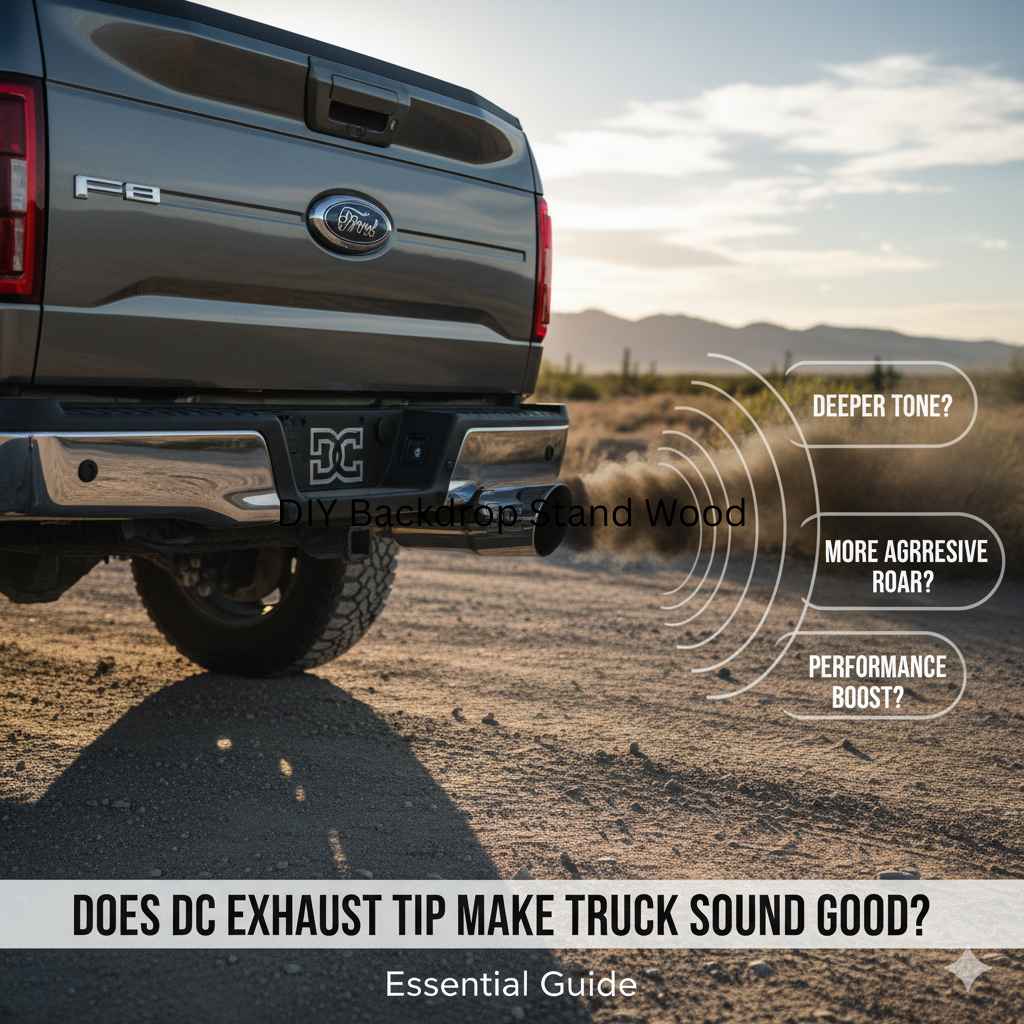
Does DC Exhaust Tip Make Truck Sound Good? Essential Guide
Does a DC Exhaust Tip Make Your Truck Sound Good? Yes, but it’s not just about the tip! A DC exhaust tip, along with the rest of your exhaust system, plays a role in your truck’s sound. The quality of the tip, its size, and importantly, the muffler and pipes it’s attached to, all contribute. We’ll explore how to get that desired rumble.
Ever wondered if adding a shiny exhaust tip to your truck will finally give it that deep, powerful rumble you hear on the highway? It’s a common question for truck owners who want their vehicle to sound as tough as it looks. Many people think just swapping out the tip will magically transform their truck’s exhaust note. While an exhaust tip can certainly influence the sound, it’s rarely the whole story. The real magic, or lack thereof, often comes from other parts of your exhaust system, like the muffler. But don’t worry! This guide will break down exactly what a DC exhaust tip can do for your truck’s sound, what else affects it, and how you can achieve that awesome exhaust note you’re dreaming of, all in simple, easy steps. Let’s dive in and make your truck sound as good as it performs!
Understanding Exhaust Tips and Truck Sound
When you think about your truck’s sound, the exhaust system is the key. It’s like the voice of your engine! The exhaust system’s main job is to carry harmful gases away from the engine and to the back of your vehicle. But along the way, it also creates and shapes the sound your truck makes.
An exhaust tip is the very end piece of this system, the part you see sticking out. It’s often the first thing people notice and consider for an upgrade. The shape, size, and material of the tip can slightly change how the sound waves exit your exhaust. However, it’s important to know that the tip is usually the smallest player in the sound game.
What Does a DC Exhaust Tip Actually Do?
DC exhaust tips are popular for a reason! They often look great and can add a polished, aggressive finish to your truck’s rear. But when it comes to sound, here’s what you need to know:
- Appearance: DC tips are known for their stylish designs, often made of durable stainless steel or chrome, giving your truck a sharper look.
- Slight Sound Modification: A larger diameter tip, or one with a specific shape (like rolled edges), can sometimes make the exhaust note sound a bit deeper or more resonant. It can help to channel and amplify the sound waves slightly as they leave.
- Not a Complete Sound Solution: Crucially, the tip alone won’t fundamentally change your truck’s sound from a quiet whisper to a roaring monster. That big change comes from the parts before the tip.
Think of the exhaust tip as the final flourish. It can add a little extra character, but the main melody is produced elsewhere in the system. If you’re aiming for a dramatic sound change, you’ll likely need to look beyond just the tip.

The Real Sound Makers: Mufflers and Exhaust Pipes
If the tip is just the announcer, what’s the star performer? It’s mostly your muffler and the exhaust pipes. These are the unsung heroes that truly shape your truck’s unique exhaust sound.
The Mighty Muffler
The muffler is designed to reduce the noise from your engine’s combustion. It does this using a series of chambers and baffles that quiet down the loud, popping exhaust gases. But there are different types of mufflers:
- Stock Mufflers: These are built for quietness. They have many chambers to absorb sound, making your truck very stealthy.
- Performance Mufflers: These are designed to let more sound through. They often use a “straight-through” design with a perforated core surrounded by insulating material. This allows exhaust gases to pass more freely, resulting in a louder, deeper tone.
- Glasspack Mufflers: These are a type of performance muffler that uses fiberglass packing to absorb sound while allowing a more aggressive tone.
Changing your stock muffler to a performance muffler is one of the most effective ways to make your truck sound significantly better. A common upgrade is to a less restrictive muffler, often leading to a deeper tone.
The Flow of the Pipes
The diameter and material of your exhaust pipes also play a role:
- Pipe Diameter: Larger diameter pipes can allow exhaust gases to flow more freely, potentially contributing to a deeper sound. Smaller pipes can sometimes increase backpressure, which might alter the pitch.
- Pipe Material: While most pipes are made of steel, some performance systems might use different alloys that can subtly influence resonance.
- Pipe Length: The overall length of the exhaust system, from the engine to the tip, can also affect the way sound waves travel and interact.
When you upgrade your muffler, it’s often recommended to also consider the piping to ensure optimal flow and sound. This is why many people opt for a full cat-back exhaust system, which replaces everything from the catalytic converter back.
Can a DC Exhaust Tip Improve Sound on Its Own?
Let’s get back to the tip. While it won’t be the main driver of a sound transformation, a DC exhaust tip can contribute in a few ways, especially when paired with a less restrictive muffler or stock system:
- Amplification Effect: A wider, straight-through tip can act a bit like a megaphone, allowing the sound waves produced by the engine and muffler to exit with less restriction. This can make an existing sound slightly louder and more pronounced.
- Tone Refinement: The shape and construction of the tip can subtly alter the timbre or “character” of the sound. A rolled tip might create a slightly smoother tone, while a straight, larger tip might emphasize the deeper frequencies.
- Resonance: Sometimes, the material and thickness of the tip can cause it to vibrate slightly with the exhaust pulses, adding a subtle resonance to the sound.
So, if your truck already has a decent, perhaps slightly muted performance muffler, adding a DC exhaust tip could be that final touch to bring out a bit more of the desired rumble. It won’t turn a quiet exhaust into a loud one, but it can enhance what’s already there.
What Makes a “Good” Truck Sound?
This is where things get personal! What one person considers a “good” truck sound, another might find too loud or not aggressive enough. Generally, people looking for a better sound from their truck often want:
- Deep Rumble: A low-frequency, resonant sound that conveys power.
- Aggressive Growl: A more throaty and assertive tone, especially under acceleration.
- Noticeable Presence: A sound that lets others know the truck is there, but not so loud that it’s obnoxious or illegal.
- No Drone: A key factor is avoiding a constant, annoying hum (drone) that can be heard inside the cabin at cruising speeds. This is a common problem with poorly designed exhaust systems.
The goal is usually to enhance the natural sound of the engine, making it sound more powerful and refined, without causing discomfort or violating noise ordinances.
Choosing the Right DC Exhaust Tip for Sound
If you’ve decided to go with a DC exhaust tip, and perhaps hope to get a slight sound enhancement, here are a few things to consider:
Tip Size Matters
Generally, larger diameter exhaust tips tend to produce a deeper sound. Truck owners often prefer tips that are significantly larger than the stock pipe. Here’s a simple breakdown:
| Tip Diameter Range | Typical Sound Effect | Common Truck Usage |
|---|---|---|
| 2.5″ – 3.5″ | Subtle depth, slight volume increase | Smaller trucks, mild upgrades |
| 3.5″ – 4.5″ | Noticeable deeper tone, moderate volume | Most pickup trucks, popular choice |
| 4.5″ – 6″ | Deepest tone, significant volume potential | Larger trucks, performance-focused builds |
Remember, this is a general guideline! The actual sound will depend on your entire exhaust setup.
Tip Style and Design
Beyond size, the internal design of the tip can influence sound:
- Straight Through: These tips have an open inner pipe, similar to a straight-through muffler. They offer the least restriction and can contribute to a louder, more aggressive sound.
- Chambered/Resonated: Some tips have internal chambers designed to tune the sound. These are less common for pure sound enhancement and more about appearance or specific acoustic effects.
- Rolled vs. Straight Cut: A rolled edge can sometimes create a slightly smoother, more refined tone, while a sharp, straight cut might emphasize loudness.
Material Considerations
Stainless Steel is a very popular choice for its durability, corrosion resistance, and its ability to withstand high exhaust temperatures. It doesn’t directly impact sound much but ensures your tip lasts and looks good.
Installation
Most DC exhaust tips are designed for clamp-on or weld-on installation. Clamp-on is easier for a DIYer, while weld-on provides a more permanent and secure fit. If you’re unsure, it’s always best to have a professional install it.
When a DC Exhaust Tip is NOT Enough
If your truck’s exhaust is currently very quiet, like many modern vehicles designed for fuel efficiency and low emissions, just adding a DC exhaust tip might not give you the sound you’re looking for. In these cases, you should consider upgrading other parts of the exhaust system first:
- Muffler Replacement: This is your top priority for changing the deep tone and volume of your exhaust. Look for performance mufflers designed for a deeper sound.
- Cat-Back Exhaust System: This is a comprehensive upgrade that replaces the exhaust piping, resonator (if present), and muffler from the catalytic converter back to the tip. These systems are engineered to provide a specific sound profile and improved flow. Reputable brands like MagnaFlow, Borla, and Flowmaster offer various options. For example, MagnaFlow designs systems for a wide range of vehicles aiming for both sound and performance.
- Resonator Delete: Sometimes, removing the resonator (a small chamber designed to cancel out certain frequencies) can add a bit more tone and volume. However, this can also introduce unwanted drone, so proceed with caution. Always check local regulations, as modifying emission control systems can have legal consequences. For more on exhaust regulations, you can refer to the U.S. Environmental Protection Agency (EPA).
A DC exhaust tip can then be added to complement these more significant upgrades, completing the look and potentially fine-tuning the sound further.
DIY vs. Professional Installation
Installing an exhaust tip can be a straightforward DIY project, but there are times when professional help is recommended.
DIY Installation (Clamp-On)
Tools You Might Need:
- Adjustable wrench or socket set
- Screwdriver (if using band clamps)
- Safety glasses
- Gloves
- Possibly a jack and jack stands if you need to get underneath your truck (ensure they are rated for your vehicle’s weight!)
Steps:
- Prepare: Ensure your exhaust tip and the existing exhaust pipe are clean. Let the exhaust cool down completely.
- Position: Slide the DC exhaust tip over the end of your truck’s existing exhaust pipe.
- Adjust: Ensure the tip is centered and straight. You might need to wiggle it into the perfect position.
- Secure: Tighten the clamp(s) that came with the tip firmly around the existing pipe and the new tip. If welding, this is where a professional would come in.
Pros of DIY: Saves money, satisfying to do it yourself.
Cons of DIY: Requires some basic tools and mechanical aptitude. May not be as secure as a welded installation.
Professional Installation (Weld-On or Complex Systems)
If you’re getting a full exhaust system, a custom tip that requires welding, or just aren’t comfortable working under your truck, a professional mechanic or exhaust shop is the way to go.
Pros of Professional: Guaranteed secure and correct installation, expertise with exhaust systems, access to specialized tools (like welders).
Cons of Professional: Costs more than DIY.
A professional installation ensures that your exhaust system is correctly fitted, preventing leaks and ensuring safety. They can also advise on the best options for your specific truck model and desired sound.
Common Pitfalls to Avoid
Even with a simple upgrade like an exhaust tip, there are a few common mistakes beginners might make:
- Buying the Wrong Size: Make sure the tip’s inlet diameter matches your truck’s existing exhaust pipe diameter. These are often standard sizes (e.g., 2.5 inches, 3 inches).
- Ignoring Drone: A tip alone won’t cause drone, but if paired with a poorly chosen muffler or deleted components, it can contribute to an annoying cabin hum.
- Overestimating Sound Change: Don’t expect a small tip to turn your 4-cylinder into a V8 monster. Manage your expectations based on realistic upgrades.
- Rusting/Corrosion: Cheap tips made from low-quality steel can rust quickly, ruining the look you wanted. Stick with stainless steel or chrome-plated options for longevity.
- Legality: Be aware of local noise ordinances. Some aftermarket exhaust setups, even with a stylish tip, can be too loud for street use in certain areas.
A little bit of research and careful selection can save you a lot of frustration down the road.

The Synergy of Sound and Style
Ultimately, whether a DC exhaust tip makes your truck sound “good” depends on your expectations and the rest of your exhaust system. A DC tip excels at enhancing the visual appeal of your truck. When combined with a performance muffler or a well-designed cat-back system, it can also be the final piece that helps achieve the desired deeper, more aggressive exhaust note.
Think of it as a team effort:
- Engine & Headers: The source of the initial sound.
- Catalytic Converter: Helps reduce emissions and some noise.
- Resonator (Optional): Fine-tunes sound by canceling specific frequencies.
- Muffler: The primary sound reducer and tone shaper.
- Exhaust Pipes: Guide the sound and can influence flow and resonance.
- Exhaust Tip: The final exit point, impacting aesthetics and slightly modifying the outgoing sound.
A high-quality DC exhaust tip will boost your truck’s style, and when paired with the right performance components in the rest of the system, it can contribute to that satisfying rumble you’re after. It’s about creating a balanced system where form meets function.
Frequently Asked Questions (FAQs)
Will an exhaust tip alone make my truck loud?
Generally, no. An exhaust tip’s primary role is visual enhancement. While a larger or straight-through tip can slightly amplify or refine the existing sound produced by your muffler, it won’t fundamentally transform a quiet exhaust into a loud one on its own. For significant noise increase, you’ll need to upgrade your muffler.
What size DC exhaust tip is best for a deeper sound?
For a deeper sound, larger diameter tips usually help. Tips in the 3.5-inch to 4.5-inch range are very popular for trucks and can contribute to a deeper tone, especially when paired with a performance muffler. Even larger sizes (4.5-inch to 6-inch) can emphasize deeper tones on larger trucks.
How do I know if a DC exhaust tip will fit my truck?
You need to measure the outer diameter of your truck’s existing exhaust pipe where the tip will attach. Then, choose a DC exhaust tip with an inlet diameter that matches or is slightly larger than your current pipe. Most tips are sold with their inlet sizes clearly stated (e.g., “fits 2.5-inch pipe”).