What Does A Vented Exhaust Tip Do? Essential Guide
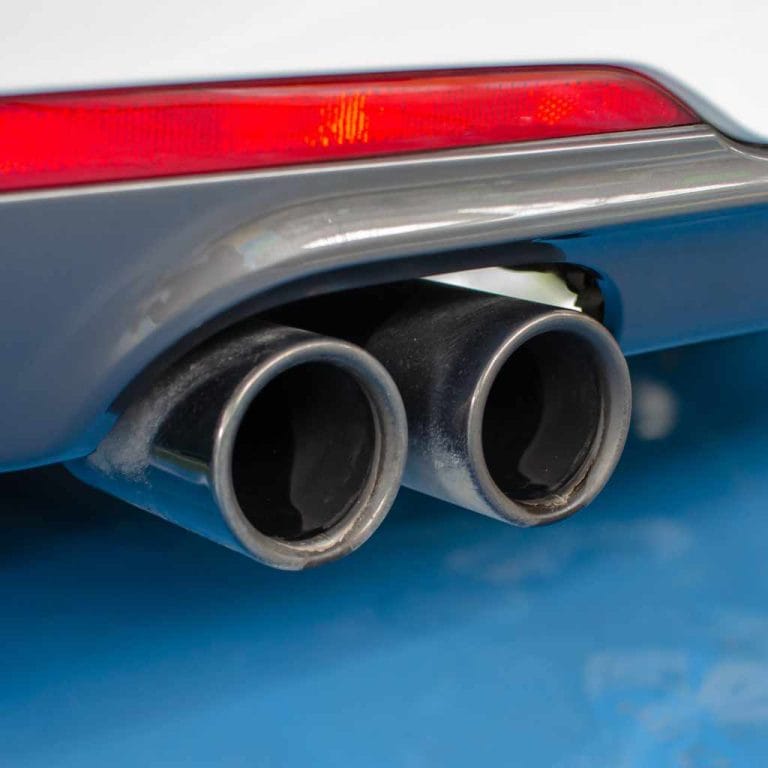
A vented exhaust tip primarily enhances the vehicle’s appearance with a sportier, finished look, often featuring angled or dual-exit styling. While sometimes mistaken for performance parts, their main job is cosmetic and sound aesthetic, helping to direct fumes away from the rear bumper.
Have you ever looked at a high-performance car and noticed that cool, stylized tip at the back? Maybe you’re considering swapping out your standard tailpipe because it looks plain or rusted. Understanding what different exhaust parts actually do can feel confusing, especially when you start hearing terms like “vented,” “rolled,” or “slash-cut.” You want your car to look great and maybe sound a little better, but you certainly don’t want to install something that hurts performance or safety. That’s where vented exhaust tips come in. We are going to demystify exactly what a vented exhaust tip does—it’s simpler than you might think! We’ll cover the looks, the small sound changes, and the easy steps to install one safely, so you can upgrade your ride with total confidence.
What Does A Vented Exhaust Tip Do? The Beginner’s Guide
As your trusted automotive guide, I’m here to break down confusing exhaust components into easy-to-understand concepts. The exhaust system is vital for safety, moving dangerous gases away from you and your passengers. But let’s be honest—it’s also one of the biggest areas for personal modification!
When we talk about “exhaust tips,” we are usually referring to the very last piece that attaches to the muffler outlet. These are often decorative additions that simply slide over or clamp onto the existing pipe. A “vented” tip usually refers to a specific style, often characterized by an angled cut or sometimes a decorative cutout or shape along the outer edge.
Understanding the Exhaust Tip Connection
Before diving into what makes a tip “vented,” let’s clarify that exhaust tips are almost always cosmetic additions, not mechanical necessities for a factory car. Your car already has a functional exhaust system, including a muffler, catalytic converter, and tailpipe, designed by the manufacturer for efficiency and emissions compliance (as regulated by bodies like the Environmental Protection Agency (EPA) in the US).
The aftermarket exhaust tip connects at the very end, and its primary function relates to aesthetics and sound direction.
The Purpose of Aftermarket Exhaust Tips
Why do people buy these? For three main reasons:
-
- Cosmetics: Factory tips are often dull, small, or tucked away. Aftermarket tips offer chrome, stainless steel, black ceramic coating, or unique shapes (like angle-cut or rolled edges).
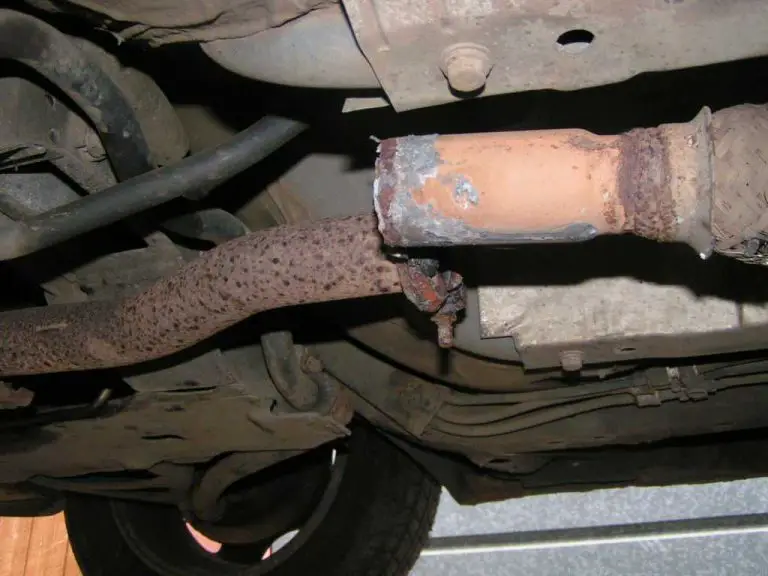
- Hiding Imperfections: If your original tailpipe is rusted or damaged, a new tip can cover it up affordably.
- Subtle Sound Change: Sometimes, a larger or differently shaped tip can slightly alter how the sound waves exit the system, often giving a slightly deeper rumble or perceived volume boost, though this is minor compared to a full muffler swap.

Defining the “Vented” Style
The term “vented” in the context of exhaust tips isn’t a strictly standardized technical term, but in the aftermarket world, it generally refers to one of two common visual designs:
-
-
- Angle Cut (Common Interpretation): This is the most common visual association. The tip is not cut straight across (like a knife across a table), but rather cut on an angle, sloping downwards or slightly outward. This creates a more aggressive, sporty look, popular on street cars and trucks.
- Dual-Wall or Double-Walled Style: Some tips are constructed with two layers of metal, creating a chamber. When cut, this design might appear as if the outer wall is “venting” around an inner pipe, especially if it has a very clean, sharp edge.
-
| Style Name | Primary Look | Primary Function |
|---|---|---|
| Straight Cut | Simple, clean, flat exit. | Cosmetic cover. |
| Rolled Edge | The edge of the pipe curls outward smoothly. | Aesthetics, smoothing harsh edges. |
| Vented/Angle Cut | Pipe exit is angled for a sporty appearance. | Aesthetics, directing exhaust slightly away from the bumper. |
| Double Wall | Two concentric pipes creating visual depth. | Heat shielding appearance, premium look. |
Does “Vented” Mean Better Performance?
This is a crucial point for beginners: No, a vented exhaust tip generally does not improve engine performance.
Performance gains come from maximizing the flow through the entire system—starting from the engine headers, moving through high-flow catalytic converters, and exiting through a properly sized performance muffler. A tip is the very last few inches. Changing the tip might cause minor adjustments in backpressure, but these changes are usually negligible for street-driven vehicles (under 5 horsepower, typically).
Think of it this way: If your car is a highway, the muffler is the main bottleneck. The tip is the tiny opening at the very end of the on-ramp. You change the tip? You might see a flicker in the flow, but you haven’t fixed the main restriction.
Safety and Practicality: Directing Fumes
One important, albeit often overlooked, practical aspect of angle-cut or vented tips is how they manage exhaust gases near the vehicle body.
Modern cars are designed so the exhaust exits neatly. However, when owners install decorative tips that stick out too far, or if the original pipe is rusted and sagging, exhaust soot can stain the bumper. A properly sized and angled (vented) tip can help direct the hot exhaust stream slightly downward or outward, away from these painted surfaces.
The Importance of Proper Venting Technique
When installing any tip, you must ensure it doesn’t point excessive heat or fumes directly at a component that shouldn’t receive it. For example, tips should never point directly under the car where heat buildup could affect the undercarriage or chassis components. They should exit cleanly behind the bumper line.
If you are ever unsure about the safe exit point for your specific vehicle, consulting a professional diagram or guide, such as those provided by automotive safety organizations regarding undercarriage clearance, is wise. Exhaust pipe exit standards are often discussed when installing tow hitches or trailer wiring, as clearances matter for heat protection.
Step-by-Step: Choosing and Installing Your Vented Tip
Ready to make your ride look sportier? Installing a basic slip-on vented exhaust tip is a fantastic, confidence-building first modification. You usually don’t need a welder!
Step 1: Measure Twice, Buy Once
This is the most common mistake beginners make: buying a tip that doesn’t fit the existing pipe. You need two measurements:
-
-
- Inlet Diameter: Measure the outside diameter (OD) of your existing tailpipe where the new tip will slide over. Common sizes are 2 inches, 2.25 inches, or 2.5 inches.
- Outlet Diameter: This is the visual size you want the new tip to be (e.g., 3 inches or 4 inches).
-
Make sure the new tip’s inlet diameter is either the exact same size as your pipe, or slightly smaller if it uses a clamping mechanism.
Step 2: Gather Your Simple Tools
For a bolt-on or clamp-on vented tip, you rarely need specialized equipment. Here’s what you’ll likely need:
-
-
- Safety Glasses (Always first!)
- Work Gloves (Exhaust metal can get surprisingly sharp)
- Measuring Tape or Calipers
- Screwdriver or Socket Wrench (for tightening clamps/bolts)
- Pliers or Wire Brush (to clean off any rust or grime)
- High-Heat Spray Paint (optional, for touching up the old pipe before covering it)
-
Step 3: Prepare the Mounting Surface
A clean connection ensures the tip doesn’t slip off while driving.
-
-
- Inspect the Old Pipe: Check the last 4-6 inches of your existing tailpipe. If it’s rusty, use a wire brush or sandpaper to clean off flaky metal.
- Clean Thoroughly: Wipe down the clean area with a degreaser or rubbing alcohol. This removes old soot and oil, which prevents your new tip from sliding around immediately after installation.
- Cool Factor: Ensure the entire exhaust system is completely cool. Never work on an exhaust immediately after driving. Exhaust components can retain heat for hours. If you need to drive the car briefly to warm up the metal for easier removal of an old rusted tip, let it cool completely before touching it.
-
Step 4: Installation and Securing the Vented Tip
Different tips secure differently. Always follow the specific instructions that came with your purchase, but generally, the process is:
-
-
- Test Fit: Slide the new vented tip over the existing tailpipe. Push it on as far as it will comfortably go, ensuring it aligns perfectly in the center and at your desired angle (if it is adjustable).
- Positioning: Pull the tip back slightly so that the clamp or set screw lines up over a solid, un-rusted section of the original pipe. You want the opening of the new tip to terminate slightly behind, or flush with, the bumper, never deeply recessed.
- Tighten Securely: If your tip uses a bolt/clamp system, tighten the screw until the tip is firmly gripped onto the pipe. You should feel significant resistance. Don’t overtighten to the point where you crush the original pipe, especially if it is old or thin metal.
- Final Check: Give the tip several firm shakes. If it waggles or rotates, tighten the screw a little more. If it’s very tight, you are ready to test!
-
Why Some Vented Tips Require Welding
While most beginner-friendly tips are slip-on, some high-end cosmetic or performance-oriented tips designed for universal fit or heavy-duty use require welding. This is generally not recommended for a first-time DIY project.
Welding creates a permanent, airtight seal. A professional welder can ensure the connection is visually perfect and cannot vibrate loose. If you opt for a welded tip, seek a reputable exhaust shop. They can also ensure the weld doesn’t compromise the integrity of an emissions-critical pipe, such as the section immediately before or after the resonator.
When Should You Worry About Exhaust Leaks?
A slip-on tip should not cause leaks if installed correctly, as it just covers the existing exit. However, if the original pipe was rusted out before the tip was installed, you might have a leak between the muffler and the new tip. You might hear hissing or popping sounds from that area, especially when the engine is cold.
Exhaust leaks are dangerous because they can introduce carbon monoxide into the cabin. If you suspect a leak before the tip installation point, have the whole system inspected by a professional. You can learn more about the dangers associated with exhaust leaks on government safety sites dedicated to vehicle maintenance.
Acoustics: What Sound Changes Can You Expect?
As Monowar Shohag, I want to set realistic expectations. A vented tip is not a muffler replacement. However, the shape does affect sound egress.
Angle-cut or slightly flared tips can sometimes seem to push the exhaust note outward more effectively than a dull, straight cut. This can make the car sound:
-
-
- Slightly throatier at idle.
- Clearer when accelerating hard.
- Less likely to bounce sound back directly toward the rear bumper, which can sometimes create undesirable drone in the cabin.
-
The change is subtle. If you are seeking a dramatic change in volume or tone, you need to look at replacing the muffler or resonator, not just the tip.
Maintenance Tips for Your New Vented Tip
Stainless steel and chrome tips look fantastic when new, but they are exposed to road grime, heat, and corrosive salt in the winter. Proper care keeps that “vented” style looking sharp for years.
Cleaning Routine
-
-
- Cool Down: Always ensure the exhaust is cool before touching it.
- Daily Grime: For light dust and road film, use mild soap and water and a soft sponge. Rinse thoroughly.
- Soot Removal: For stubborn black soot, use an automotive residue remover or a dedicated metal polish designed for exhaust systems. Avoid harsh, abrasive scouring pads which can scratch chrome finishes instantly.
- Preventing Blue/Purple Heat Stains: Extreme heat can turn stainless steel tips blue or purple, especially near the exit. Using a high-quality metal polish regularly helps buffer some of that immediate heat exposure and keeps the surface clean, which slows down the discoloration process.
-
Checking Security
Because these tips rely on friction, clamps, or set screws, vibrations can slowly loosen them. Check the tightness every few months or after a long road trip. A loose tip can rattle against the original pipe, causing an annoying noise, or worse, fall off entirely while driving.
Aesthetics vs. Function: When Tips Become Performance Parts
While typical bolt-on vented tips are cosmetic, there is one area where the exhaust exit truly matters for performance: race cars or heavily modified off-road vehicles. In these extreme cases, the geometry of the exit pipe (its velocity and angle) is tuned precisely to manage airflow dynamics at very high speeds.
For the average daily driver, though, the only measurable “function” of a vented tip is managing the aesthetics near the bumper cover. Remember, the primary function of the entire exhaust system remains safety and emissions control, governed by legal standards like those established by federal regulations.
Choosing a vented tip is about expressing your style. It’s that final flourish that makes your car look finished and purposeful.
Frequently Asked Questions (FAQ) About Vented Exhaust Tips
Q1: Can a vented exhaust tip cause my car to fail an emissions test?
A: Highly unlikely. Emissions tests check what comes out of the tailpipe (the chemical makeup of the gases). Since the tip is only the very last piece of metal, it doesn’t affect the combustion process or the catalytic converter’s function.
Q2: Do I need to weld the vented tip on, or will a clamp work?
A: For most cosmetic upgrades, a high-quality friction-fit or clamp-on vented tip works perfectly well. Welding is only necessary for permanent installations or very large, heavy tips that might vibrate loose.
Q3: Will a vented tip make my car louder?
A: Only minimally. You might notice a slight change in tone or volume because the sound waves exit differently, but it will not sound like a full muffler upgrade. The main sound components are controlled by the muffler.
Q4: How far should the exhaust tip stick out past the bumper?
A: Generally, the tip should not extend more than 1 to 1.5 inches past the bumper line. Extensively long tips can look awkward, get damaged easily, and might direct hot exhaust fumes onto the plastic bumper cover, causing discoloration or melting over time.
Q5: My new tip is rattling. What should I do?
A: A rattle means the set screw or clamp is loose. Park on a level surface, let the exhaust cool down completely, and use a socket wrench to tighten the mounting screw until the tip is absolutely secure and no longer spins freely.
Q6: Can I put a vented tip on a diesel truck?
A: Yes, you can! Diesel trucks often use very large, aggressive V8 or angle-cut tips for huge visual impact. Just ensure the tip inlet diameter matches your diesel’s larger factory exhaust pipe size (which is often 3 inches or more).
Q7: Is it safe to drive with a standard exhaust tip that has rusted off?
A: If the tip has rusted off but the main tailpipe underneath is solid, it is generally safe to drive short distances. However, you risk exposure to heat, sharp edges, and potential soot staining on your bumper. It’s best to replace or cover the exposed pipe immediately.
Conclusion: Final Thoughts on Your Vented Exhaust Tip
We’ve covered the basics, and hopefully, the mystery of the “vented exhaust tip” is solved. For the everyday driver, a vented exhaust tip serves as a fantastic, simple modification dedicated to improving the vehicle’s rear-end aesthetics. It provides that sporty, finished look that factory pipes often lack, and sometimes offers a slight visual direction change for corrosive exhaust gases away from sensitive body panels.
Remember the key takeaways: installation is easy—measure carefully and clean the old pipe well. The performance gains are negligible, but the visual reward is immediate. By prioritizing a secure, safe fit that doesn’t point excessive heat where it shouldn’t go, you can enjoy your new, custom look confidently. Enjoy looking back at your ride and knowing you accomplished a cool, visible upgrade all by