What Exhaust Tip Angle: Proven Best Angles
The best exhaust tip angle is generally 10 to 20 degrees downward or straight out (0 degrees) for street-driven cars, balancing the look, sound, and protection from soot. Extreme angles, like 45 degrees, are often for looks only and can cause issues.
Choosing the right exhaust tip angle might look like a small detail, but it truly affects how your car looks, sounds, and even stays clean. Have you ever noticed how some tips look perfectly aligned while others seem oddly positioned? It can be confusing when you are looking to upgrade. Many people worry about getting the angle wrong, thinking it might hurt performance or look bad. Don’t worry! This guide will break down exactly what exhaust tip angle works best for different needs. We will look at the safe, proven angles so you can choose confidently and finish your exhaust upgrade perfectly, making your ride look fantastic without any headaches.
Understanding Exhaust Tip Angles: More Than Just Looks
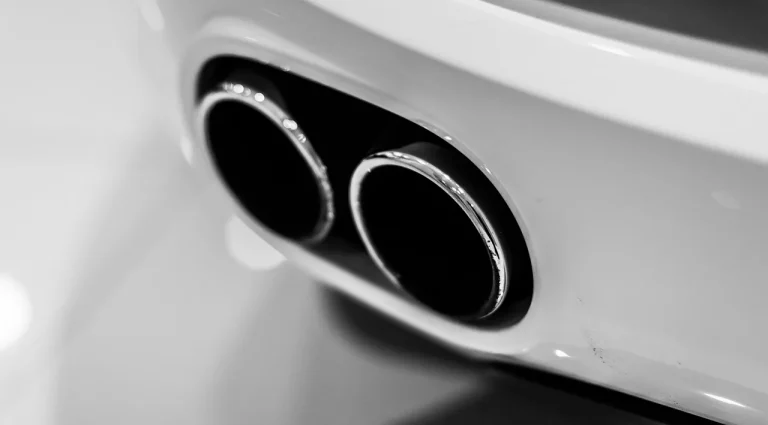
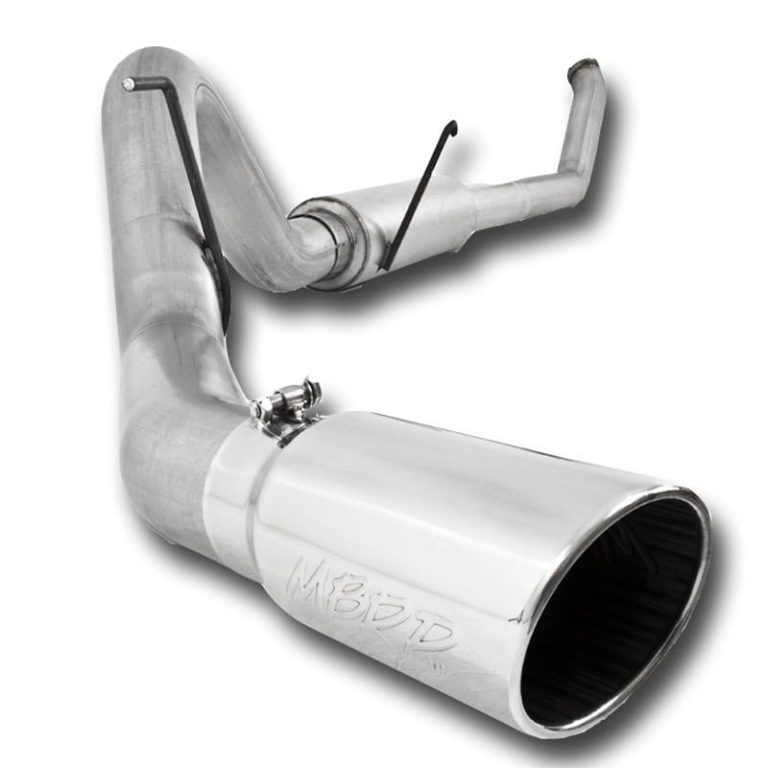
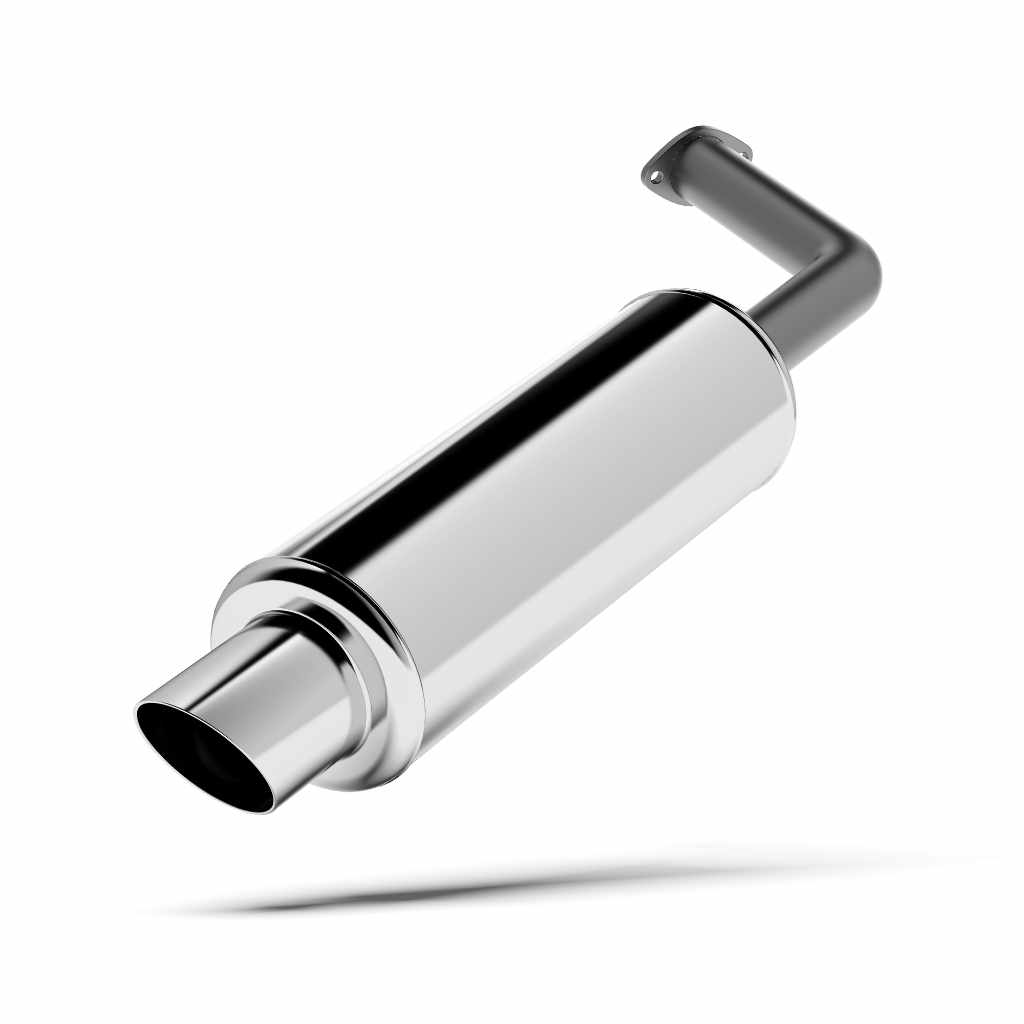
When we talk about exhaust tip angle, we are simply talking about the direction the very end of your muffler pipe points when it leaves the bumper area. You might think this is purely for style, but the angle actually plays a role in several important areas of your vehicle maintenance and driving experience.
For beginners, it helps to know that the factory angle is usually set for a reason—often related to safety and keeping dirt down. However, aftermarket options allow for more customization. We need to understand the trade-offs involved when changing that angle.
The Three Main Categories of Exhaust Tip Angles
Exhaust tip angles mostly fall into three simple categories. Knowing these will help you decide what you want for your car:
- 0 Degrees (Straight Out): The tip points directly parallel to the ground, straight out the back of the car. This is very common.
- Positive Angle (Angled Down): The tip points slightly downward toward the ground, usually between 5 and 30 degrees.
- Negative Angle (Angled Up/Out): The tip points upward or aggressively outward. This is often seen on race or show cars.
The angle is measured relative to the horizontal line of the ground or the bottom of the rear bumper. Let’s dive into why certain angles are recommended over others.
Proven Best Angles for Street Cars (Safety and Cleanliness)
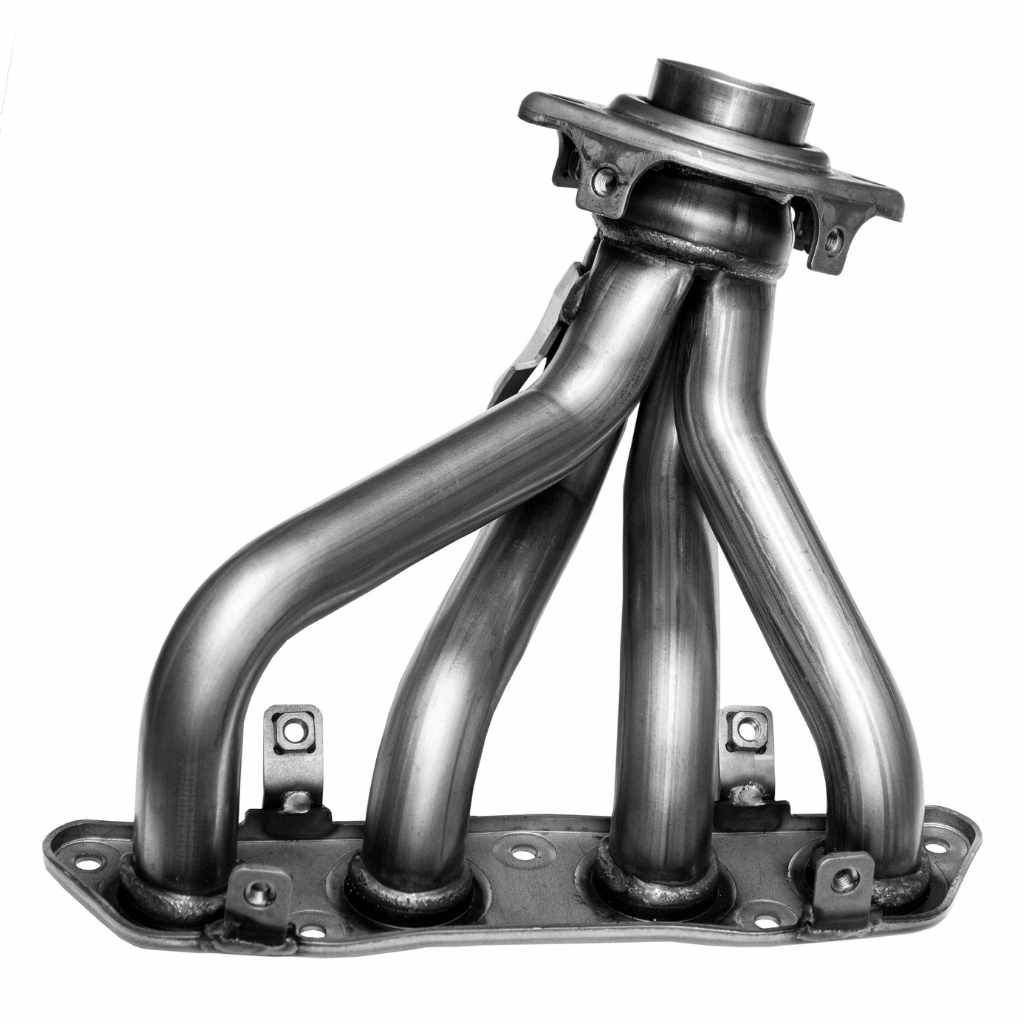
If you drive your car every day on public roads, your main concerns should be vehicle safety, legal compliance, and cleanliness. You want to avoid shooting hot exhaust gases directly onto your bumper paint or undercarriage components.
The Recommended Street Angle: 10 to 20 Degrees Downward
For most daily drivers looking for a clean, performance-oriented look, an angle pointing slightly downward—between 10 and 20 degrees—is the proven best choice. This sweet spot provides several practical benefits:
- Soot Management: Most exhaust soot and condensation are directed safely onto the road surface directly behind the car. This prevents unsightly black streaks from running down your freshly painted bumper and rear fascia, keeping your car looking cleaner longer.
- Heat Dispersion: Pointing the exhaust slightly down helps direct hot gases away from sensitive plastic or rubber components near the bumper, enhancing long-term safety.
- Aesthetics: This angle provides a subtle, aggressive look without appearing overly modified or out of place.
This general recommendation aligns with many manufacturer guidelines for optimal heat management. For example, organizations focusing on vehicle construction often recommend clearance and aiming hot exhaust streams away from adjacent materials, which a slight downward angle achieves effectively.
The Factory Standard: 0 Degrees (Straight)
Many factory exhausts exit perfectly straight out (0 degrees). This is an excellent, safe setting, especially if your tips are tucked neatly just behind the bumper line. It keeps emissions away from the immediate paintwork but can sometimes result in more noticeable soot buildup if you drive aggressively or have a slightly richer tune.
| Angle Range | Best For | Pros | Cons |
|---|---|---|---|
| 10° to 20° Downward | Daily Drivers, Clean Aesthetics | Excellent soot control, better heat dissipation from bumper. | Requires slight adjustment on some aftermarket kits. |
| 0° (Straight Out) | Factory Replacements, Subtle Look | Simple, reliable, meets most standards. | Can allow more soot to settle directly on the rear bumper. |
| Over 30° Downward | Off-Road, High Suspension Lifts | Maximum protection from rock impacts underneath. | Can look overly aggressive for a standard street car. |
When Angle Affects Performance and Sound (Advanced Considerations)
While the tip angle is technically the last point of the exhaust system, and where most performance gains or losses occur is much further upstream (mufflers, resonators, piping diameter), the angle can subtly affect how acoustics travel, especially with performance exhausts.
The Effect on Sound Resonance
Sound waves bounce inside the exhaust piping and exit the tip. A properly angled tip (usually straight out or slightly down) helps direct the sound waves away from the ground and towards the sides and rear of the vehicle. When tips shoot straight up or aggressively out, sound waves can reflect off surfaces nearby, sometimes causing unwanted drone or vibration inside the cabin at certain RPMs.
Things to consider regarding sound:
- Tip Diameter: The opening size matters more than the angle for final volume, but angle manages direction.
- Reflection: Avoid pointing tips directly at low road surfaces or hard barriers close to the car if you are sensitive to cabin noise.
- Diffusers: If your car has a rear diffuser (common on sporty models), the angle must clear this aerodynamic part. Tips shooting straight up might look fantastic, but they can disrupt the airflow intended by the diffuser.
Legal and Safety Considerations
This is crucial, especially for beginners. In many regions, local laws dictate how close an exhaust exit can be to passengers or the ground, particularly concerning under-car exits. While laws vary widely, pointing the exhaust downward at an angle is generally accepted because it ensures the hot gases dissipate quickly into the atmosphere above the road surface rather than being trapped close to the ground or directed toward pedestrians.
You should always check local Department of Motor Vehicles (DMV) or state safety guidelines. For instance, some jurisdictions might require that exhaust gases exit behind the rear axle and away from any openings where fumes could enter the passenger compartment. An aggressive upward angle might sometimes violate these safety proximity rules, depending on local interpretation.
How to Measure and Set the Perfect Exhaust Tip Angle
If you have aftermarket tips or are installing an adjustable cat-back system, knowing how to set the angle correctly is straightforward. You don’t need complex engineering tools—just common household or garage items.
Tools You Might Need:
- A quality pair of safety glasses (always first!).
- A flashlight or work light.
- A small level (carpenter’s level, or even a level app on your smartphone).
- Measuring tape or ruler.
- Wrenches or Allen keys (to loosen clamp bolts on slip-on tips).
Step-by-Step Guide to Setting the Angle
Follow these steps to achieve that ideal 10 to 20-degree downward angle, or whatever angle you prefer:
- Prepare the Vehicle Safely: Ensure the vehicle is parked on flat, level ground. Engage the parking brake securely. If you need to crawl underneath (which you likely won’t for just adjusting tips), use proper jack stands—never rely only on a jack. Safety is paramount when working near the exhaust system, as components can retain heat for a long time.
- Locate the Existing Exit Point: Look where the existing pipe exits the muffler system or slips into the decorative tip.
- Use the Level for Reference: Place your small level against the bottom edge of the rear bumper fascia (the part parallel to the ground). This line represents 0 degrees (perfectly level).
- Measure Your Desired Angle: If you are aiming for a 15-degree downward angle, you need to angle the tip downward by that amount relative to the ground reference.
- Adjust the Tip:
- For Clamp-On Tips: Loosen the set screw or clamp holding the tip onto the exhaust pipe. Gently pivot the tip until the desired angle is achieved. Use your level or smartphone app to verify the orientation.
- For Weld-On or Slip Fit Systems: If you have adjustable slip joints, you may need a buddy to hold the tip while you carefully tighten the joint bolts, or you might need to physically bend the hanger arm slightly. If the pipe itself needs bending, consult a local exhaust shop, as excessive bending of mild steel exhaust pipes can introduce stress points.
- Final Check: Have someone stand back and look at the car from behind and slightly to the side. Does the tip line up nicely with the curve or cutouts in your bumper? Make small adjustments until it looks visually appealing and aligns with your chosen degree.
- Tighten Securely: Once satisfied, securely tighten all clamps or bolts. Always apply mild thread locker (if applicable) to bolts on high-vibration components, although often this isn’t necessary for decorative exhaust tips.
When Is an Aggressive Upward Angle Acceptable?
While we recommend downward or straight angles for daily driving, there are specific scenarios where a more aggressive, upward-swept angle (sometimes 30 degrees or more) is used. This is where automotive style often overrides practical daily driving concerns.
1. Show Cars and Custom Builds
For vehicles built specifically for car shows, drifting, or motorsport aesthetics where road legality and daily wear-and-tear are secondary concerns, an upward angle (often called “race style” or “drift style”) can look fantastic. These require precise fabrication to ensure the tip clears aggressive rear body kits or diffusers.
2. Off-Road Vehicles
On Jeeps, trucks, or other off-road focused vehicles, an upward angle is often practical. If your exhaust pipe tucks high up next to the frame or points sharply upward behind the rear tire, it protects the tip from being crushed by rocks, stumps, or deep water crossings. This is functional angling for rugged terrain.
3. Vehicles with Extreme Rear Diffusers
Some high-performance sports cars have deep rear diffusers designed to manage high-speed aerodynamics. The stock exhaust exit may be recessed far up into this diffuser structure. In these cases, the angle is dictated by the bodywork, and the tips must angle upward or outward to clear the diffuser fins effectively.
Warning for Upward Angles: If you angle your street car exhaust tips significantly upward (above 30 degrees), you significantly increase the risk of soot staining your rear bumper, potentially damaging paint over time, and possibly directing hot gases toward anything parked too closely behind you. Always verify local regulations before making extreme cosmetic changes.
The Role of Exhaust Tip Material and Finish on Perceived Angle
Sometimes, what looks like a poor angle is actually related to the tip material or finish. Believe it or not, the look of the tip can change how critical drivers perceive that angle.
Polished vs. Black Chrome vs. Burnt Titanium
A highly polished, reflective stainless steel tip will catch the light and clearly show any soot or residue in the angle you choose. On the other hand, a black chrome or “burnt” titanium tip (which has a blue/purple heat treatment) can hide minor misalignment or soot streaks much better. This finish might make a slightly less-than-perfect angle look intentional and much cleaner.
When selecting a tip, consider your driving frequency. If you wash your car weekly, polished tips showing every flaw work well. If you drive long distances and clean infrequently, a darker finish is more forgiving regarding soot distribution from the angle you choose.
Troubleshooting Common Angle Issues
Even when you try to set the angle perfectly, you might run into a few hiccups. Here are common problems and quick fixes.
Issue 1: The Tips Don’t Match Each Other’s Angle
On dual exhaust systems, it is incredibly frustrating when one tip is angled 15 degrees down and the other is straight. This usually means the mounting brackets for the muffler or the connecting pipe sections are slightly bent or uneven.
- The Fix: Check the entire exhaust run, from the muffler outlet to the tip connection. Often, the heat shield or a hanger bracket near the rear tire is bent, pulling one side down more than the other. Straighten any bent aluminum or steel hangers gently using pliers or a pry bar if necessary (while the system is cool!).
Issue 2: Tip Keeps Spinning Back to Zero Degrees
This is common with inexpensive, slip-on tips that rely solely on a small friction clamp or set screw. The vibrations from the engine cause the tip to rotate slightly, losing your carefully set angle.
- The Fix: You need better grip. If the tip is simple slip-on, you can try winding a small layer of high-temperature exhaust tape around the pipe before sliding the tip on to increase friction. For a more permanent fix, carefully drill a small hole through the tip and the exhaust pipe (when aligned perfectly) and use a small bolt and locking nut to physically secure the angle.
Issue 3: The Angle Causes Road Rash or Scraping
If you have a low-riding vehicle or frequently drive over steep driveways, your downward-angled tips might scrape. This usually happens if you set the angle too aggressive (over 25 degrees) or if the mounting height is too low.
- The Fix: You must sacrifice some downward angle. Re-align the tips closer to 0 degrees (straight out) until they clear obstacles. If clearance is still an issue, you may need to look at raising the exhaust hanging points slightly, or consider shorter/non-angled aftermarket tips.
FAQ: Beginner Questions About Exhaust Tip Angles
Here are quick answers to the most common beginner questions about exhaust tip positioning.
Q1: Does exhaust tip angle affect performance (horsepower)?
A: Not meaningfully. Actual performance comes from the size and flow characteristics of the piping before the tip. The angle primarily affects aesthetics and how effectively soot is managed.
Q2: Is it illegal to point exhaust tips straight up?
A: It depends entirely on where you live. In many places, extreme angles are fine if they are 100% behind the passenger cabin. Always check your state or province’s vehicle codes, as some strictly regulate exhaust exit orientation for safety reasons.
Q3: How much soot is normal on my bumper?
A: A slight, thin layer of black residue after many miles of driving is normal, especially on direct-injection or performance engines. If it’s thick and accumulating quickly near the tip, adjusting your angle to point away from the bumper (10–20 degrees down) can help redirect that soot downwards.
Q4: Should I choose a larger diameter tip, regardless of the angle?
A: Diameter affects sound and look far more than angle. Generally, a larger diameter tip looks better on larger cars or performance models, but make sure the diameter does not exceed the length of your current muffler pipe; this can create unwanted pressure drops.