Are Carbon Fiber Exhaust Tips Worth It? Price Guide
Carbon-fiber exhaust tips make sense mainly if the look is worth paying a few times more than stainless, and you pick one rated for exhaust heat. Skip that and you risk paying cosmetic money for a part that can discolor, delaminate, or look out of place on an otherwise stock car. This guide explains when carbon makes sense, when stainless is the smarter buy, and what details to check before you spend.
Verdict
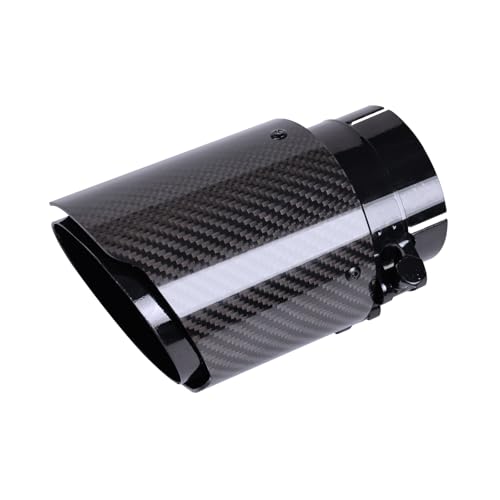
- Gloss or matte carbon fiber shell options
- Upgraded black rust-resistant clamp
- Easy clamp-on installation design
They are mainly a cosmetic upgrade rather than something that typically adds noticeable horsepower. Judge them that way. If your car already has black trim, a diffuser, or BMW M Performance-style styling cues, carbon fiber can fit the rear of the car well. If you want the least maintenance, the most heat tolerance, or the lowest total cost of ownership, stainless or burnt-finish tips usually make more sense.
Pros and cons
- Pros: premium modified look; works well with black trim and diffuser styling; good examples use a stainless steel inner structure.
- Cons: higher price; more sensitive to heat and cleaning; fitment mistakes are expensive and visible; clear coat can haze or scratch.
Specs at a glance
| Item | What to verify | Why it matters |
|---|---|---|
| Outer material | Carbon fiber shell or forged carbon fiber styling | Drives the visual effect and finish quality |
| Inner structure | Stainless steel inner structure, often SUS 304 | Helps with heat resistance and corrosion control |
| Fitment | Inlet diameter, outlet diameter, clamp-on vs slip-on | Controls whether the tip fits the pipe and stays aligned |
| Clearance | Rear bumper clearance and tip angle | Prevents heat damage to nearby trim or valance pieces |
| Maintenance | Clear coat care and soot removal | Keeps the surface from looking dull, hazy, or stained |
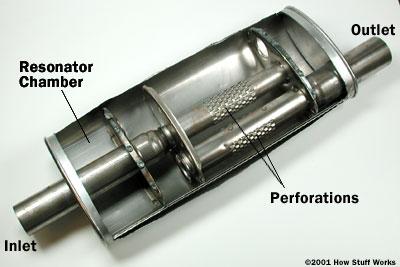
Carbon fiber exhaust tips are a cosmetic exhaust part, not a performance modification. A good one combines an outer carbon shell with a stainless steel inner structure, often SUS 304. That construction matters because the metal core handles the hot exhaust stream while the carbon layer provides the appearance buyers want.
Fitment is where many bad purchases start. Verify the inlet diameter, outlet diameter, and whether the part is clamp-on or slip-on before you order. On cars with tight rear fascias, rear bumper clearance matters as much as pipe size. If the tip sits too close to a valance, heat can mark nearby trim or cook adhesive-backed pieces over time.
Who is this for?
Carbon fiber exhaust tips are for buyers who want a premium rear-end look, especially on cars with black trim, gloss black diffuser pieces, or BMW M Performance-style styling. They also suit show-car builds where appearance matters more than easy upkeep. They are a poor fit for drivers who want a fit-and-forget part, or anyone chasing sound and power only.
Suppose your stock exhaust already exits cleanly under the bumper and you want a subtle OEM+ touch. A carbon tip can work if the outlet shape and angle match the car. Suppose you drive through winter salt, slush, and road grime every week. Then the extra care and higher replacement cost make stainless the calmer choice.
What works
Premium appearance
Carbon fiber tips change the look at the rear of the car without changing exhaust output. That is the main point. The finish reads as modified and higher-end, and it pairs well with black trim, smoked lighting, and diffuser pieces. Carbon fiber is also a styling cue many buyers associate with BMW M Performance-style accessories.
Construction that makes sense
One of the strongest signs of quality is a stainless steel inner structure under the carbon shell. That is not optional trim detail. It is part of the tip’s heat management and durability. Kipalm describes forged carbon fiber tips as using SUS 304 stainless steel, which is the kind of detail buyers should look for in any premium tip.
Material logic
Carbon fiber is lightweight and durable in general use, and it is used in airplanes because it is lightweight and strong. That does not make every exhaust tip heatproof. It does support the idea that the material can be practical when it is paired with the right metal core and enough clearance from hot bodywork.
What does not
The biggest drawback is heat and upkeep. Carbon fiber tips need gentle cleaning to avoid damaging the clear coat, and soot or water spots should be removed every few weeks. Abrasive cleaners can leave scratches, and repeated heat cycles can contribute to clear coat haze, especially on poorly built parts.
Delamination is another failure case to watch for. If the bond between the carbon shell and the inner metal structure is poor, heat and vibration can create separation. Bad clamp fit or poor alignment can make the tip sit crooked, which looks cheap and can reduce clearance at the bumper edge. A common first-timer mistake is buying for the weave pattern and ignoring the inlet size and outlet angle.
Common failure cases
- Clear coat haze: often linked to harsh cleaners, heat exposure, or poor finishing.
- Scratches: caused by abrasive pads, stiff brushes, or dirty microfiber towels.
- Delamination: a sign of weak bonding between layers or repeated thermal stress.
- Trim damage: more likely when clearance is tight or the tip points too close to the bumper.
Carbon fiber tips vs stainless, black stainless, and burnt tips
| Product | Badge | Best for | Price | ||
|---|---|---|---|---|---|
|
Carbon Fiber Exhaust Tip 2.5" Inlet to 4"Outlet, UniversalJiarear | Budget pick | 2.5" inlet to 4" outlet gloss carbon fiber | $29.99
Price as of 13 Oct 2026
|
View |
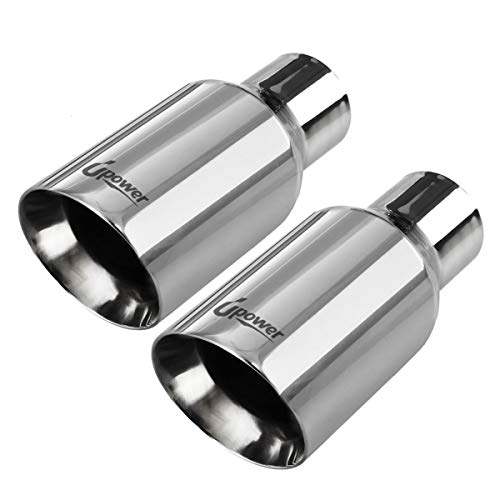 |
Upower Pack of 2 Exhaust Tip 2.5 inch Inlet 4 inch OutletUpower | Also great | Pack of 2 stainless steel 9" tips | $59.99
Price as of 13 Oct 2026
|
View |
 |
Car Forged Carbon Fiber Exhaust Pipe Muffler Tips withKipalm | Upgrade pick | Forged carbon fiber with 4.5" outlet | $52.00
Price as of 13 Oct 2026
|
View |
| Type | Appearance | Heat tolerance | Maintenance | Fitment risk | Total cost of ownership | Best use case |
|---|---|---|---|---|---|---|
| Carbon fiber | 5/5 | 3/5 | 2/5 | 3/5 | 2/5 | Show cars, OEM+ styling, black trim builds |
| Stainless steel | 3/5 | 5/5 | 4/5 | 4/5 | 5/5 | Daily drivers, winter use, stock exhaust upgrades |
| Black stainless | 4/5 | 4/5 | 4/5 | 4/5 | 4/5 | Dark trim setups, lower-maintenance cosmetic upgrades |
| Burnt finish | 4/5 | 5/5 | 4/5 | 4/5 | 4/5 | Performance-themed looks with strong heat tolerance |
Simple recommendation by use case: choose carbon fiber if the goal is premium appearance and you accept more care. Choose stainless if you want the best value and the fewest worries. Choose black stainless if you want a darker look without carbon-level upkeep. Choose burnt tips if you want a performance look and maximum heat comfort.
What should you check before buying?
Measure the inlet diameter first, then confirm the outlet diameter and shape. Check whether the tip is clamp-on or slip-on, because that changes installation and compatibility. Finally, inspect rear bumper clearance and tip angle so the finish sits where it should without heating nearby plastic or hanging too far out.
Fitment checklist
- Measure the existing exhaust pipe inlet diameter.
- Confirm the tip outlet diameter matches your styling target.
- Choose clamp-on or slip-on based on the car’s pipe end.
- Check rear bumper clearance from the tip to the valance or diffuser.
- Look for a stainless steel inner structure, preferably SUS 304.
- Inspect the clear coat finish and ask how it should be cleaned.
Fitment matters more than carbon weave. A tip that sits too close to the bumper can create heat damage, while a tip that is too large can look forced on a stock rear end. If the car has an offset pipe, a slant cut, or a recessed bumper opening, the outlet shape should match that geometry instead of fighting it.
Are carbon fiber exhaust tips worth it for my car?
They are worth it if you want the premium look and your car has the right fitment, clearance, and styling to support it. They are not worth it if you want the cheapest upgrade, no maintenance, or a part that adds sound or horsepower. On a stock exhaust, the visual payoff has to carry the purchase.
BMW M Performance-style buyers are the clearest fit. So are owners building around black trim, gloss black valances, or forged carbon fiber accents. Drivers with winter exposure, a lot of road grime, or a tight bumper opening usually get better value from stainless or black stainless tips.
Who should buy them
- Appearance-first owners who want a premium rear-end look.
- BMW-style OEM+ builds with black trim or a diffuser.
- Show cars that are cleaned and inspected often.
Who should skip them
- Drivers who want zero maintenance.
- Owners with very tight bumper clearance.
- Buyers who only want louder sound or more power.
Do carbon fiber exhaust tips last in hot weather?
They can last in hot weather only if the construction, coating, and clearance are right. They are not a free pass for heat exposure. A stainless steel inner structure helps, but nearby bumper material, diffuser plastic, and poor alignment can still fail first. Hot-weather use raises the importance of fit more than the weave pattern.
Carbon fiber itself is used in demanding applications because it is lightweight and strong, but an exhaust tip is a mixed-material part. That means the outer shell, the clear coat, the metal core, and the surrounding trim all matter. Tight clearances are where problems show up first.
Do carbon fiber exhaust tips add horsepower?
No. Carbon fiber exhaust tips are not a horsepower upgrade. They are mainly a cosmetic part at the rear of the exhaust system, so any performance claim should be treated with skepticism. If more power is the goal, money belongs elsewhere in the exhaust or engine path.
This is why the value question matters. A carbon tip may look great, but if the buyer wants stronger flow, louder tone, or measurable output gains, it is the wrong purchase. F1 says they are worth it for a premium modified look, and F2 says they are not worth it if you only want louder exhaust sound.
How much do carbon fiber exhaust tips cost?
Prices vary by size, finish, and construction, but carbon fiber tips usually sit above basic stainless options. In the product set here, the carbon-fiber Jiarear tip is $29.99, while a forged carbon option from Kipalm is $52.00 and a stainless pair from Upower is $59.99 for two. The real cost question is not only price, but price versus upkeep and lifespan.
That is why total cost of ownership matters. A cheaper carbon tip with poor clear coat or weak fitment can cost more over time if it needs replacement, polishing, or extra cleaning. Stainless usually wins on long-term value because it tolerates heat and grime with less attention.
What makes a carbon fiber exhaust tip good quality?
A good carbon fiber exhaust tip has a stainless steel inner structure, a durable clear coat, and fitment dimensions that match your exhaust and bumper. The finish should resist simple cleaning, and the shell should stay bonded under normal exhaust heat. If the listing does not clearly mention the inner metal structure, keep looking.
Also check the details that affect day-to-day use. The product should state inlet diameter, outlet diameter, and whether it is clamp-on or slip-on. A clean edge, even weave, and accurate tip angle are worth more than flashy marketing language. Forged carbon fiber is a styling variant, not a guarantee of better heat performance, though it is often paired with stainless exhaust hardware.
Do carbon fiber exhaust tips need special maintenance?
Yes. They need gentle cleaning to protect the clear coat and keep soot from building up on the rear-facing surfaces. Kipalm recommends cleaning soot and water spots every few weeks. That schedule is reasonable for any carbon exterior that sits behind an exhaust outlet, especially if the car sees short trips or wet weather.
Avoid abrasive pads and aggressive wheel cleaners. Use soft microfiber towels and mild cleaners that are safe for coated surfaces. If the finish starts to haze, cleaning habits are often the first thing to review. If the inner lip is packed with soot, the part may need attention more often than a plain stainless tip.
Are carbon fiber exhaust tips worth it on a BMW?
They often make the most sense on a BMW when the goal is an OEM+ rear-end look that matches M Performance-style trim. The styling language fits well with gloss black accents, diffuser inserts, and other subtle modifications. They are less convincing on a car that is otherwise stock and visually clean in stainless trim.
BMW owners should still check the same basics: inlet size, outlet size, mounting style, and bumper clearance. The badge on the trunk does not fix a bad fitment choice. For many BMWs, black stainless or burnt tips give a similar visual weight with less cleaning and less heat sensitivity.
Alternatives
- Made of high-quality 304 stainless steel
- Double wall slant angle cut design
- Comes as a convenient pack of two
Upower’s 304 stainless steel pair is the practical choice if you want the simplest ownership path. The double-wall slant cut look gives a clean upgrade without carbon maintenance, and the stainless construction is better suited to heat and winter exposure. The drawback is obvious: it looks more conventional than carbon or forged carbon.
- Made from real forged carbon fibre
- Lightweight and anti-corrosion durable build
- Bolt-on or weld-on installation flexibility
Kipalm’s forged carbon fiber tip targets buyers who want a more premium visual texture and a blacked-out tailpipe theme. Its forged carbon styling and black 304 stainless tailpipe fit the OEM+ crowd well. The tradeoff is price and care, and the 4.5-inch outlet may be too assertive for smaller rear valances.
Should you buy it
Buy carbon fiber exhaust tips if you want the premium modified look and you are willing to verify fitment, accept routine cleaning, and pay more than stainless. Do not buy them as a sound mod, power mod, or zero-maintenance part. For most daily drivers, stainless or black stainless is the smarter buy.
The answer is simple on stock exhausts, too. If the rest of the car is plain, a carbon tip can look out of place unless the rear styling supports it. If the car already has black trim, diffuser styling, or a BMW M Performance-style theme, carbon becomes easier to justify. For winter use, tight bumper clearances, or track-style heat, stainless is usually the safer decision.
Frequently asked questions
Are carbon fibre exhaust tips different from carbon fiber exhaust tips?
No. “Carbon fibre” is the British spelling and “carbon fiber” is the American spelling. The product is the same material concept either way, so the buying checklist does not change. Focus on the inner structure, clear coat, fitment dimensions, and heat clearance instead.
Do carbon fiber exhaust tips need special maintenance?
Yes. They need gentle cleaning to protect the clear coat and remove soot, road grime, and water spots. Avoid abrasive cleaners and harsh pads. Regular attention every few weeks is a sensible baseline for a rear-mounted carbon part that lives in exhaust heat and road spray.
What should I check before buying carbon fiber muffler tips?
Measure the inlet diameter, confirm the outlet diameter, choose clamp-on or slip-on based on the pipe, and check rear bumper clearance. Also verify the inner structure material and finish details. Those checks matter more than the weave pattern because they decide whether the tip fits and survives.