How Much Labor Does Flex Pipe Welding Cost?
Labor to weld a flex pipe usually runs about $100 to $300, with easy undercar access near the low end and rust, tight routing, or removal work pushing the bill higher. Skipping a proper weld can leave exhaust leaks, noise, fumes, and a repair bill that grows once the pipe or flange is damaged. This guide breaks down labor-only pricing, shop rate math, access time, removal, and when diagnostics change the quote.
Hourly rates and factors affecting total cost
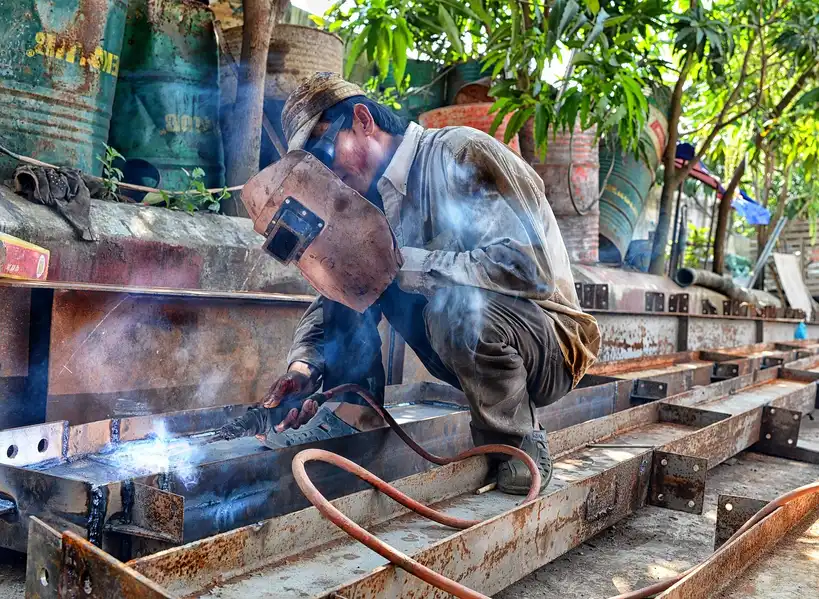


A flex pipe is the flexible exhaust section that absorbs engine movement and vibration. On many passenger vehicles, it is a small component, often about 2.0 to 2.5 inches in diameter, but the surrounding layout can turn a short weld into a longer job. Labor cost follows access, not just weld size.
For automotive exhaust work, many shops bill by the hour. Competitor pricing commonly puts labor in the $60 to $150 per hour range, with some sources showing $75 to $150 per hour and standard labor rates at $80 to $120 per hour. Mobile mechanics may quote $60 to $100 per hour.
How shops separate labor from parts
The bill usually has two parts: labor and the replacement part. That matters because a weld quote can look low until you add a new flex pipe, clamps, sleeves, hardware, or any flange repair. Labor covers diagnosis, access, cutting, fitting, welding, and reassembly. Parts are separate unless the shop bundles the job.
Welding method also changes labor. A simple in-place weld can be quick if the pipe is exposed and the section is sound. Clamp or sleeve repairs can take less welding time, but they still need clean edges and enough straight pipe to fit correctly. If the pipe has to come off the car, labor rises fast.
Why hourly billing is the usual model
Hour-based billing matches the real variables in exhaust work: rust, heat shields, catalytic converter proximity, and underbody clearance. A small repair can take one hour on a clean car and three or more on a cramped one. Fixed pricing is possible, but the shop still builds it from expected labor hours.
That is why a labor quote for a flex pipe is not the same as a generic exhaust weld or a plumbing repair. Automotive exhaust work involves underbody access, welded hangers, sensors, shields, and corrosion. Pipeline welding or general fabrication uses different equipment, access, and pricing rules.
How much does the labor usually cost?
Labor for a flex pipe weld usually falls in the $100 to $300 range when the job is straightforward. The lower end fits easy access and a quick weld. Higher labor charges show up when rust, tight routing, or removal time turns the repair into a longer exhaust job.
Published repair guides put flex pipe labor in a wide band. One source lists professional installation labor at $60 to $240, another shows labor at $70 to $420, and one replacement guide estimates labor at $150 to $450. Those spreads reflect vehicle layout, not just shop pricing.
Typical labor-rate bands
For a quick quote, think in hourly bands rather than a single number. A shop charging $80 to $120 per hour will land near the middle of many flex pipe weld estimates. A higher-rate shop can still be fair if the vehicle needs removal, extra welding setup, or more cleanup.
A basic repair often lands in the 1 to 3 hour range. A straightforward repair may take 1 to 2 hours, while complex routing or access issues can push labor to 3 to 4 hours or more. Another guide lists typical job duration at 1.0 to 3.0 hours.
What a basic weld quote often includes
A basic quote usually includes inspection, lift time, cutting out the damaged section, cleaning the pipe ends, welding the new flex section or patch, and checking for leaks. Some shops include a short test in the labor. Others bill diagnostics separately.
If the pipe is heavily rusted, the shop may need extra time to free clamps or hardware before any weld begins. That prep can matter as much as the welding itself. The most common quote mistake is treating a 20-minute weld as a 20-minute job.
Flex pipe labor quote framework
This table shows a labor-only pricing lens for automotive exhaust flex pipe welding. Parts are excluded. Diagnostic inspection may be separate unless the shop waives it with repair, which is common on many exhaust jobs but not guaranteed.
| Access scenario | Estimated labor hours | Likely shop-rate band | Prep/removal time | Welding time | Expected labor total | Diagnostics separate? |
|---|---|---|---|---|---|---|
| Easy access | 1 to 1.5 | $60 to $100 per hour | 20 to 40 minutes | 20 to 30 minutes | $60 to $150 | Often waived with repair order |
| Moderate access | 1.5 to 3 | $80 to $120 per hour | 45 to 75 minutes | 30 to 45 minutes | $120 to $360 | May be billed if leak location is uncertain |
| Difficult access | 3 to 4+ | $100 to $150 per hour | 1 to 2 hours | 30 to 60 minutes | $300 to $600+ | Usually separate if inspection takes time |
Use the table as a framework, not a promise. A car with a clear, exposed flex section may stay near the easy-access row. A vehicle with the flex pipe tucked near the catalytic converter or sandwiched behind heat shielding can move into the difficult-access row quickly.
How to read the table
The prep/removal column is where many quotes drift upward. That time can include rust cleanup, cutting the failed section out, and freeing the exhaust enough to align the new piece. The welding time itself is often shorter than the prep time, especially on older vehicles.
Say your sedan has a split flex section that is visible from under the car and the pipe is still straight. A shop may quote a short labor window because the section can be cut, fitted, and welded in one visit. If the same car has a rusted flange and shielded routing, the quote can double even though the part is small.
Why do quotes vary so much?
Flex pipe repair quotes vary because labor depends on vehicle layout, rust, and how much of the exhaust must move to reach the failed section. The same weld can be a quick patch on one car and a half-day exhaust removal on another. That is the main reason broad online totals mislead buyers.
Vehicle layout and underbody clearance
Low clearance slows access. Tight routing near the catalytic converter, crossmembers, or heat shields adds time before the torch or welder even comes out. If a tech has to work around a crowded underbody, labor rises because the setup is harder and the risk of damaging nearby parts is higher.
That is also why front flex pipe jobs often cost more than rear exhaust work. The front exhaust section usually sits closer to heat-sensitive components and tighter packaging. More constraints means more prep, more handling, and more billed time.
Rust, heat shields, and tight routing
Corrosion can turn a repair into removal work. A rusted clamp or brittle hanger may snap during disassembly, which adds labor before welding starts. Heat shields can also force a shop to remove or reposition hardware just to make room for the repair tool.
When the flex pipe is welded into a larger exhaust assembly, labor rises again. The shop may need to cut farther back, rebuild more of the section, or replace adjoining hardware. In that case, the quote is no longer about one small weld.
In-place welding versus removal and bench work
In-place welding is usually the cheaper labor path when the pipe can be reached cleanly and aligned without removing the whole assembly. Bench work takes longer because the exhaust section has to come off, be fitted off the car, and then go back on. That extra handling is often what shifts a repair from 1 to 2 hours into 3 to 4 hours or more.
Suppose a crossover vehicle has a flex pipe tucked above a subframe brace. The shop may choose to remove the section rather than force an in-place weld. The labor climbs, but the repair can be cleaner and less likely to fail from poor access.
Regional shop-rate differences
Regional pricing matters. Competitor pricing commonly places the Midwest below the national average, the West Coast higher because of shop rates, and the Southeast near the national average. That does not mean every town follows the pattern, but the region can move a quote by a meaningful amount.
A shop at $90 per hour in one region and $140 per hour in another can produce very different totals for the same repair time. That is why two quotes for the same flex pipe can both be fair and still differ by a wide margin.
Is welding cheaper than replacement?
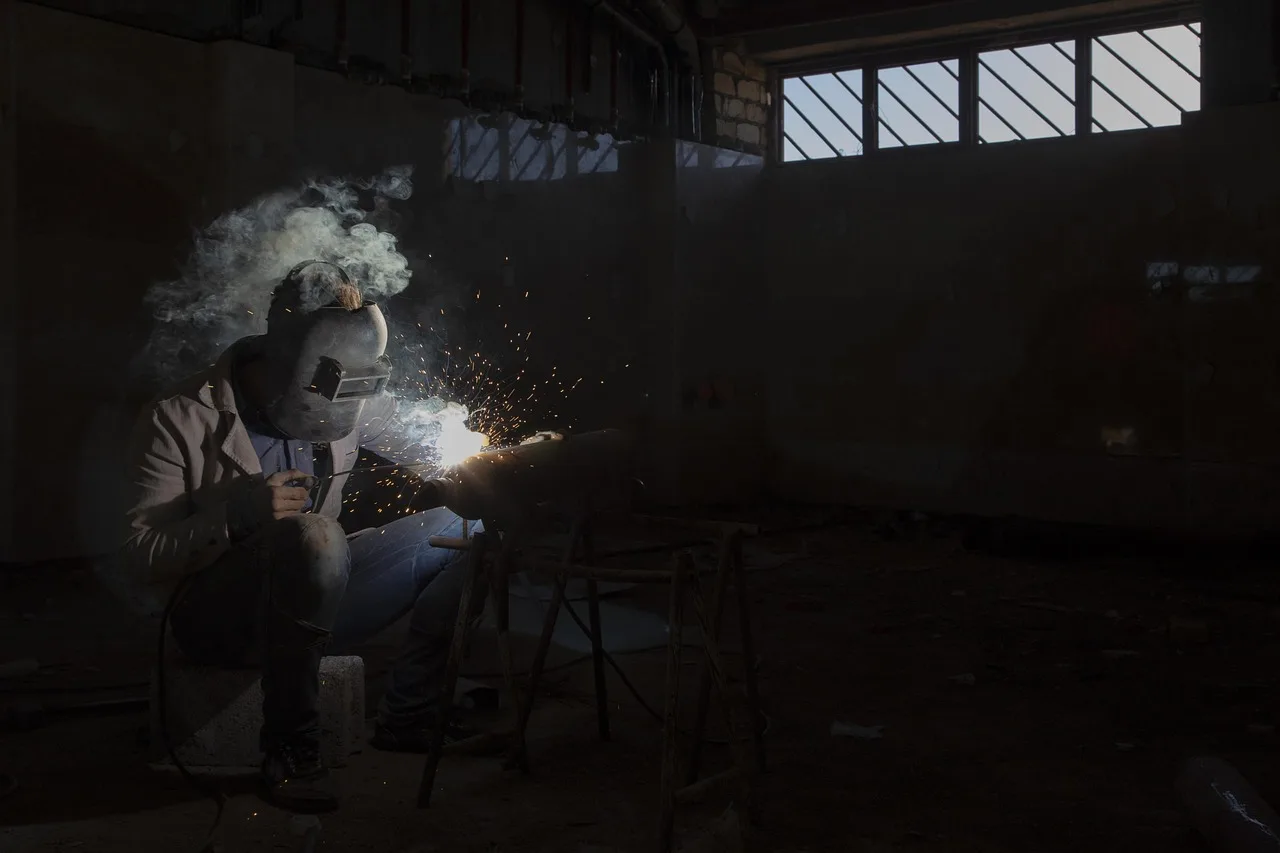
Welding is often cheaper than replacing the whole flex section when the pipe body is sound and only the failed area needs repair. If corrosion is localized and access is straightforward, labor stays lower because the shop can weld in less time and avoid full exhaust disassembly.
When welding is the lower-cost option
Welding makes sense when the flex pipe is damaged but the surrounding exhaust metal still has enough life left for a clean repair. In those cases, labor may be the smaller part of the bill. The repair can also avoid the added part cost of a full replacement section.
That said, welding may cost more than a simple clamp repair because the weld needs prep, fitting, and equipment. Clamp or sleeve repairs can reduce torch time, but they still depend on enough straight pipe and enough solid metal to hold. If the pipe is too thin or cracked farther out, clamps stop being a good option.
When a full replacement makes more sense
If the flex section is badly rusted, the adjacent pipe is thin, or the flange area is damaged, replacement can be the better value. Replacement parts raise the total, but they can prevent a second repair when the existing pipe cannot hold a weld. One guide puts replacement labor at $150 to $450, which can still be justified if the repair would fail soon.
Parts matter here. OEM and aftermarket flex pipes can change the final bill even when labor stays similar. A cheaper part does not always save money if the fit is poor or if extra adjustment time is needed.
When welding becomes poor value
Welding becomes poor value when the labor to expose, remove, and rebuild the section approaches the labor for a full replacement plus a new part. If the shop has to unbolt half the exhaust, fight corrosion, and still weld in a cramped spot, the cheaper-looking repair can stop being the better call.
In plain terms, if the quote starts to look like full replacement labor plus extra cleanup, replacement often wins. That is especially true when the exhaust has more than one weak point.
What a shop may charge for inspection
Diagnostic inspection is sometimes charged separately. Some shops waive it if you approve the repair, while others bill a flat diagnostic fee before any welding starts. That fee confirms the leak location and shows whether the flex pipe is the only damaged part.
Leak confirmation and damage check
A good inspection checks more than the visible crack. The shop should confirm where the leak starts, whether the pipe is safe to weld, and whether nearby flanges, hangers, or heat shields also need work. That keeps the labor estimate closer to reality.
Flat-rate diagnostics are common when the cause is unclear. If the leak is obvious and the car is already on the lift for repair, the shop may roll the inspection into the labor total. Ask before the car is left behind.
How to ask for a labor-only estimate
- Ask whether the quote includes diagnostic time or only repair labor.
- Ask for the shop hourly rate and the estimated number of hours.
- Ask whether the job is in-place welding, clamp repair, sleeve repair, or section replacement.
- Ask whether removal of the flex section is expected.
- Ask whether parts are included or quoted separately.
A clear estimate should show where the time goes. If the shop cannot explain prep, removal, welding, and reassembly as separate pieces, the final bill may be harder to predict.
Frequently asked questions
How much does labor cost to weld a flex pipe?
Labor to weld a flex pipe usually falls between $100 and $300 for a straightforward exhaust repair, though difficult access can push it higher. That range reflects hourly billing, prep time, and whether the pipe can be welded in place or must come off the car first.
What is the hourly rate for flex pipe welding?
Mobile mechanics may be lower, often $60 to $100 per hour, depending on region and setup.
How many labor hours does a flex pipe weld usually take?
A straightforward flex pipe weld often takes about 1 to 3 labor hours. A simple job may take 1 to 2 hours, while difficult routing or access issues can move the labor to 3 to 4 hours or more.
Does access under the car change welding labor cost?
Yes. Underbody clearance is one of the biggest labor drivers because it affects how quickly a tech can reach the pipe, remove rusted hardware, and position the welder. Tight routing near the catalytic converter or heat shields usually increases labor time and the final bill.
Is welding a flex pipe cheaper than replacing it?
Often yes, if the pipe body is still sound and only one section needs repair. Replacement becomes the better value when the surrounding metal is thin, rusted, or damaged enough that a weld would be short-lived. Parts cost can swing the total either way.
Can a shop give a flat rate for flex pipe welding?
Some shops do, especially when the car has clear access and the failure is obvious. Even then, the flat rate is usually built from expected labor hours, not a universal price. Many shops still quote hourly labor plus parts because access and corrosion change the work.
How much should I expect to pay for a flex pipe repair near me?
For many cars, a flex pipe repair lands within the $200 to $600 total range once labor and parts are combined. Your local rate, the vehicle layout, and whether the shop has to remove part of the exhaust will move the number up or down.
When does flex pipe welding become more expensive than replacement?
Welding becomes more expensive than replacement when the labor needed to reach and prep the pipe eats up most of the quote, especially if the surrounding exhaust also needs work. If removal, corrosion cleanup, and fitting time keep climbing, a full flex section replacement can cost less in the end.