Can You Drive with a Broken Flex Pipe?
You can usually drive a short distance with a broken flex pipe only if the exhaust leak is small, fumes stay out of the cabin, and the car still runs normally; if you smell exhaust inside, hear loud ticking under load, or see the pipe separated, do not drive. A leak near the manifold or firewall is far more dangerous than one farther back. Ignoring it can send carbon monoxide into the car, damage nearby exhaust parts, and trigger inspection failure. This guide explains when a flex pipe is a short-drive repair and when it is a no-drive safety hazard.
What a flex pipe does
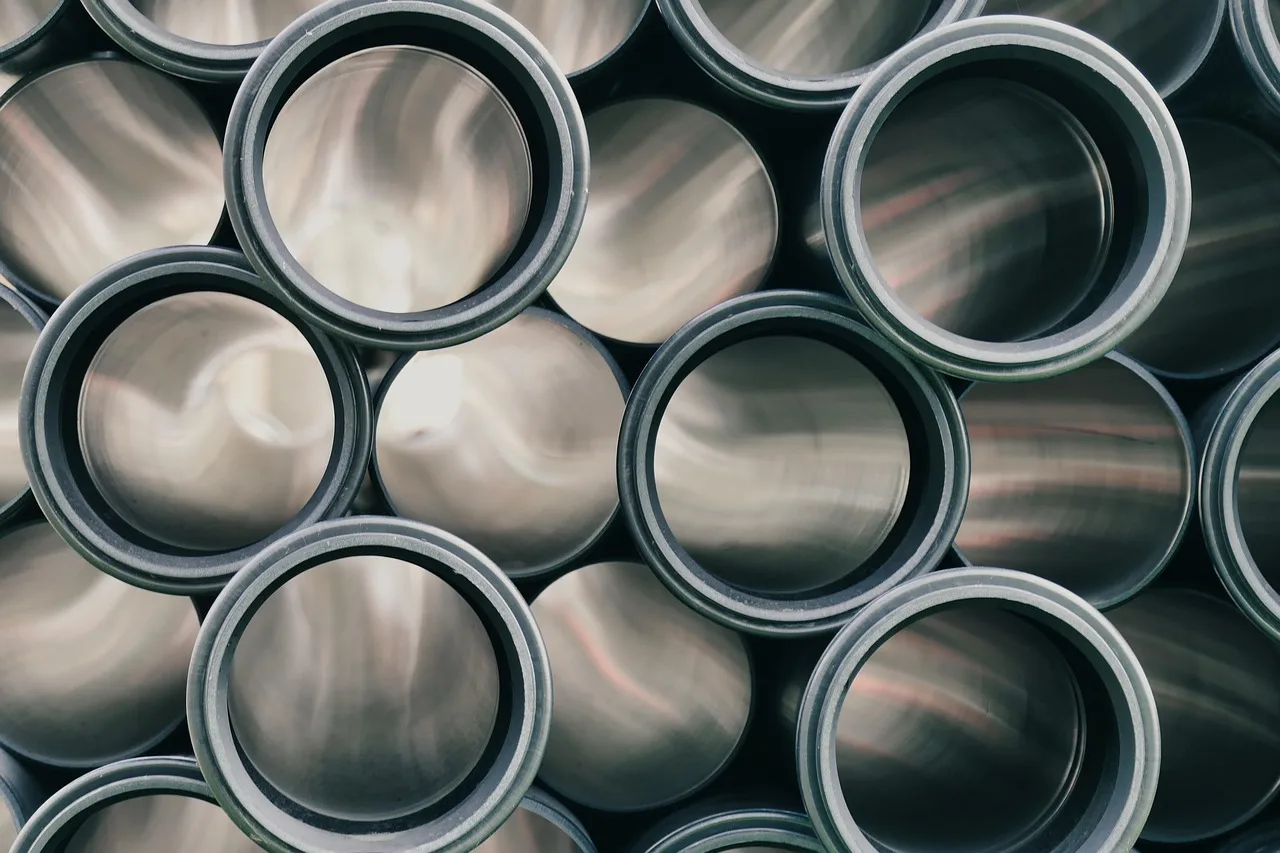


The flex pipe is the corrugated stainless section in the exhaust system that absorbs engine movement and vibration. It sits between the exhaust manifold and the catalytic converter or front pipe on many vehicles, so the engine can rock slightly without cracking the rest of the exhaust.
Common failure modes include cracks, pinholes, broken braid, and separation at the welds or clamps. Rust, heat cycles, and engine movement usually drive the damage, and once the inner braid or outer wall opens up, the leak often gets louder under load.
Why the location matters
A flex pipe leak near the manifold or firewall is generally considered more serious than a leak farther downstream. The closer the opening is to the engine and cabin air intake path, the more likely hot exhaust and carbon monoxide can enter the passenger compartment.
What a broken flex pipe sounds and feels like
A broken flex pipe often makes a ticking, blowing, hissing, or rasping noise. The sound may be mild at idle and sharper when you accelerate, cold start the engine, or climb a hill, because exhaust pressure rises and opens the leak wider.
You may also notice a stronger exhaust smell outside the vehicle, rougher throttle response, or a louder-than-normal exhaust note from under the car. Those symptoms do not prove the leak is severe by themselves, but they do tell you the joint is no longer sealing correctly.
Cabin fumes and carbon monoxide risk
Cabin fumes are a major safety concern. Carbon monoxide is toxic, and the risk rises when the leak sits near the engine, firewall, or any path that can draw exhaust into the cabin. If you feel headache, dizziness, nausea, drowsiness, or confusion, stop driving and get fresh air immediately.
A leak that is only noisy outside the vehicle is different from a leak that lets fumes into the cabin. Sound alone does not decide safety. Fume intrusion does.
Warning signs of a larger exhaust leak
- Loud ticking or blowing that gets worse with throttle
- Exhaust smell inside the cabin with windows up
- Visible separation, torn braid, or a gap at the flex section
- Rough idle, hesitation, or drivability complaints that appear with the exhaust noise
- Check engine light paired with lean codes or oxygen sensor codes
Can you drive with a broken flex pipe?
You can sometimes drive about a short distance with a broken flex pipe if the leak is minor, stays outside the cabin, and the car still drives normally. You should stop driving if the leak is loud, fumes enter the cabin, the pipe is separated, or the engine runs poorly under load. Tow the vehicle when the leak is severe or safety is unclear.
When a short drive may be acceptable
A short drive may be reasonable when the leak is small, the exhaust stays routed away from the cabin, and the vehicle has no major drivability issues. That means driving straight to a repair shop, not using the car for daily trips, highway runs, or long idling.
- Confirm the leak stays outside. Check for exhaust smell in the cabin with the windows closed and the fan set to fresh air. If fumes enter the cabin, do not drive the car.
- Limit the trip length. Drive only the few miles needed for repair. Avoid high throttle, steep climbs, and long idling because they can widen the leak and push more exhaust through the opening.
- Watch for new symptoms. If the noise gets suddenly louder, the check engine light begins flashing, or the car loses power, stop and arrange towing instead.
When you should stop driving
Stop driving if the flex pipe is separated, the braid is hanging loose, or exhaust is hitting the floorpan or nearby components. Stop as well if the car smells strongly of exhaust inside the cabin, because that points to an active fume path and a carbon monoxide hazard.
When towing is the safer call
Tow the vehicle if the leak is near the manifold, firewall, or upstream oxygen sensor, or if the pipe has split enough that exhaust noise is extreme. Towing is also the safer call if the car has major fuel-trim changes, misfire-like behavior, or an inspection date that will be affected by additional driving.
Flex pipe decision matrix
This table gives a severity-based drive / do not drive decision. The key questions are direct: how large is the leak, where is it located, and do fumes or drivability symptoms show up inside the cabin or at the engine.
| Severity tier | Typical symptoms | Likely risk | Short-distance driving? | Recommended action |
|---|---|---|---|---|
| Minor leak | Small tick or hiss, no cabin smell, no separation, may be louder on cold start | Noise, inspection concern, possible early sensor skew | Yes, for a short trip only | Inspect soon and schedule repair |
| Moderate leak | Clear blowing sound under acceleration, occasional exhaust smell outside the car, light drivability complaints | Fuel-trim errors, possible check engine light, emissions failure risk | Only if necessary and only to reach a shop nearby | Repair soon; avoid long use |
| Severe leak | Pipe separated, strong cabin fumes, loud rasping or roaring, power loss, harsh odor | Carbon monoxide exposure, catalytic converter stress, roadworthiness failure | No | Tow immediately |
Suppose the flex section has a small crack and only ticks at cold start, but there is no smell in the cabin and the car runs normally. That fits the minor-leak tier, so a short drive to a repair shop is usually acceptable. Now change one detail: the same crack opens enough that exhaust smell reaches the cabin at idle. That moves it to severe risk, and the car should not be driven.
How leak location changes the risk
Location changes both safety and diagnosis. A leak before the catalytic converter or near the manifold can affect upstream oxygen sensor readings, let fresh air enter the exhaust stream, and create drivability complaints that look like a misfire or bad sensor. A leak farther downstream usually creates less sensor distortion, but it can still fail inspection and should still be repaired.
Leaks near the manifold or firewall
These are the highest-concern leaks because they sit closest to the engine and cabin bulkhead. Exhaust in this area is hotter, louder, and more likely to enter the cabin. The upstream oxygen sensor is also usually nearby, so the leak can skew fuel trims and make the engine computer report the wrong mixture.
Leaks near the catalytic converter or farther downstream
A leak closer to the catalytic converter or beyond it may be less likely to push fumes into the cabin, but it still can be a problem. It can create an audible exhaust leak, affect emissions testing, and in some cases alter how the vehicle’s monitors or sensors read exhaust flow.
What happens if you drive with a broken exhaust pipe depends on where the break is and how big it is. A small downstream leak may be mostly noise and inspection trouble. A front-section break can become a safety issue fast, especially if fumes reach the cabin or the engine starts running poorly.
Can a broken flex pipe trigger check engine issues?
Yes. A broken flex pipe can trigger check engine issues if the leak changes upstream oxygen sensor readings or causes the engine computer to correct fuel delivery too far. It may set lean codes, catalyst efficiency codes, or other fault codes, but not every vehicle will turn the light on.
Oxygen sensor readings and fuel trims
The upstream oxygen sensor measures exhaust oxygen content before the catalytic converter. If outside air gets pulled into a leak near that sensor, the computer may think the engine is running lean and add fuel that is not actually needed. That can create bad fuel trims and drivability complaints even when the engine itself is fine.
Catalytic converter and emissions effects
A severe or long-term leak can affect catalytic converter operation because it changes exhaust flow and may let unmetered oxygen enter the system. That can hurt emissions performance and make the converter work harder than designed. If the leak is large enough, downstream readings may also become unreliable.
Why the light alone is not enough
Diagnosis should not start with the check engine light alone. Some vehicles show no light with a clear exhaust leak, while others set a code for lean operation or catalyst efficiency before the leak is obvious by sound. The physical leak, sensor location, and cabin symptoms matter more than the lamp by itself.
Repair options for a damaged flex pipe
Repair choice depends on crack size, location, rust, and the condition of the pipe around the damage. A small patch can only cover a short, contained split. If the pipe is badly rusted, the metal around the break is thin, or the section has pulled apart, replacement is the proper fix.
Temporary patch or clamp-on sleeve
A patch or clamp-on sleeve may help if the damage is small and the surrounding metal is still solid. This is a short stopgap, not a permanent repair. It is usually not appropriate when the pipe is badly rusted, separated, or located where the repair cannot seal against movement and heat.
Cut-and-weld replacement
Cut-and-weld repair is often the cleaner choice when the rest of the front pipe is in good shape. The damaged flex section is cut out and a new section is welded in place. Good fitment matters, and welding access has to be available for the repair to last.
Full front pipe replacement
A full front pipe replacement makes sense when rust is widespread, the flange area is damaged, or the flex pipe is part of a larger assembly that no longer seals well. This option usually offers the best long-term result for badly damaged pipes and can be the most practical route for inspection or emissions compliance.
- Inspect the full section. Look beyond the obvious split and check the manifold joint, welds, hangers, and nearby oxygen sensor area. One crack often means the surrounding pipe is thin too.
- Choose the repair that fits the damage. Use a temporary patch only for a small, contained leak. Choose cut-and-weld or full replacement when the pipe is rusted, separated, or too damaged to seal reliably.
- Verify the fix after repair. Start the engine cold and listen for leaks at idle and during a brief throttle blip. A repair that still ticks or blows under load is not finished.
Will a broken flex pipe fail emissions or inspection?
A broken flex pipe can fail a visual inspection, and an audible exhaust leak may fail roadside or state checks even before the vehicle is tested on emissions equipment. Readiness monitors, fault codes, and visible exhaust damage may all matter, and the exact rule depends on your state or province.
Can you drive with a broken exhaust pipe and still pass inspection later? Sometimes, if the leak is minor and repaired before testing. But if the leak is loud, the check engine light is on, or the exhaust system shows separation, the odds of failure rise quickly.
Frequently asked questions
Can you drive with a cracked flex pipe?
Yes, but only if the crack is small, the exhaust stays outside the cabin, and the trip is short. A crack that gets louder under acceleration, creates fumes, or sits near the firewall should not be ignored. That is a repair-now problem, not a drive-it-for-weeks problem.
How long can you drive with a broken flex pipe?
There is no safe mileage target. A minor leak may survive long enough for a short trip to a shop, while a separated pipe can become unsafe immediately. If the leak changes in sound, smell, or drivability, stop treating it like a minor issue.
Is a broken flex pipe dangerous?
It can be. The main danger is carbon monoxide if exhaust enters the cabin, especially when the leak is near the engine or firewall. It can also damage nearby exhaust parts, skew oxygen sensor readings, and make inspection or emissions failure more likely.
Can you drive without a flex pipe?
No, not as a normal operating condition. The flex pipe is there to absorb engine movement and vibration, so removing it leaves the exhaust system open to stress and leaks. If the flex section is gone or separated, tow the vehicle and repair it properly.
What symptoms mean the flex pipe is failing?
Common symptoms include ticking, hissing, blowing, or rasping noise, especially on cold start or acceleration. You may also notice exhaust smell, louder exhaust note, drivability complaints, or a check engine light. Cabin fumes make the situation urgent.
Should you repair a flex pipe immediately or can it wait?
If the leak is small and there is no cabin odor, it can usually wait only long enough to reach a repair shop. If fumes enter the cabin, the pipe is separated, or the engine runs badly, repair should be immediate and towing is the safer call.