Can You Wrap an Exhaust Instead of Using Heat Shields?
Yes, but only for radiant heat on the pipe itself: exhaust wrap can replace a heat shield on a hot tube, yet it is a poor substitute for shielding nearby plastic, wiring, or parts that must be removable. Done wrong, it can trap moisture, speed corrosion, and leave nearby parts overheated. This guide explains when wrap is a valid swap, when to keep the shield, and how to choose the safer option.
Quick picks


| Use case | Best pick | Why it fits |
|---|---|---|
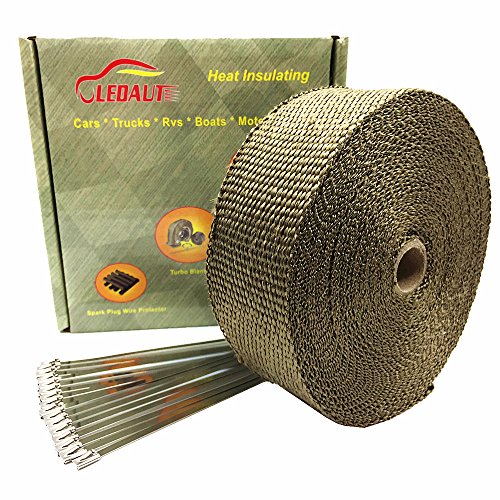
| Hot header or downpipe where you want a wrapped pipe | Thermo-Tec Exhaust Wrap Kit | Rated up to 2,000°F and sold with wrap, Hi-Heat Coating, and Snap Straps for a full install. |
| Removable protection near wiring, hoses, or service points | Thermo-Tec Original Clamp-On Heat Shield | Described as flexible and said to block over 95 percent of damaging radiant heat. |
| Exhaust-system heat control with a metal shield format | Thermo-Tec Stainless Steel Clamp-On Heat Shield | Useful when you want a clamp-on shield variant rather than wrap on the pipe. |
Can you wrap an exhaust instead of heat shields?
Yes, sometimes. Exhaust wrap can replace a heat shield when the problem is heat radiating off the pipe itself, such as on headers, downpipes, or a muffler section that sits near other parts. It is the wrong substitute when you need removable protection, moisture resistance, or coverage that does not stay on the pipe.
When wrap can do the job
Wrap makes sense when you want to cut radiant heat from the exhaust surface and you can accept a permanent, service-heavy install. It is a thermal barrier, not a structural shield. That matters if the goal is to reduce heat transfer into nearby wiring, fuel lines, or plastic intake pieces.
Thermo-Tec lists wrap kits with a temperature rating up to 2,000°F. The material is usually fiberglass, titanium, basalt, copper, or graphite black, and the product choice affects durability and appearance more than the basic job of reducing heat escaping from the pipe.
When a shield is the better choice
Choose a clamp-on shield when you need the part to come off later, when the exhaust section sees rain and spray, or when you are protecting a specific zone instead of the whole tube. Thermo-Tec says its Original Clamp-On Heat Shield blocks over 95 percent of damaging radiant heat, which makes it the cleaner fit for serviceable, localized protection.
A common first-timer mistake is wrapping a pipe near a starter or O2 sensor and assuming that is enough for the whole area. It is not. Wrap can help, but it does not replace a shield where access, moisture, or nearby parts matter more than pipe coverage.
How exhaust wrap works
Exhaust wrap reduces heat escaping from the pipe. The main target is radiant heat, the infrared heat that moves from a hot surface to nearby parts without direct contact. That is why wrap can lower heat soak around headers and downpipes, yet still leave the exhaust itself very hot.
Radiant heat is the main target
Competitor claims commonly put radiant heat reduction at 30 to 50%, with one owner test putting header surface temperature about 100°F cooler. Another common claim is a 50–100°F drop in under-hood temperatures in suitable use cases. Those figures vary with material, thickness, routing, and how well the wrap is installed.
That is also why wrap is not a horsepower part by itself. It may help keep heat out of the engine bay, but it does not add power directly.
Common wrap materials and ratings
Fiberglass is the common budget option. Titanium, basalt, copper, and graphite black versions are sold for different durability, look, and handling preferences. Thermo-Tec also offers a Copper Exhaust Wrap and a Basalt Exhaust Wrap as distinct variants.
The Thermo-Tec wrap kit uses 2 inches by 50 feet of wrap and includes Exhaust Insulating Wrap, Hi-Heat Coating, and Snap Straps. The coating is used as a finishing layer, not as a substitute for proper coverage.
| Use case | Install difficulty | Heat reduction type | Corrosion risk | Serviceability | Best-fit vehicle segment |
|---|---|---|---|---|---|
| Header or downpipe wrap | Moderate to high | Radiant heat reduction on the pipe | Higher if moisture cannot escape | Poor once installed | Turbo cars, track-only builds |
| Clamp-on heat shield | Low to moderate | Blocks radiant heat before it reaches nearby parts | Low | Good | Daily drivers, motorcycles, serviceable street builds |
| Ceramic coating | High, professional application | Heat management through a permanent coated finish | Lower moisture concern than wrap | Fair, but not removable | Long-life street builds, corrosion-sensitive exhausts |
Will wrap protect wiring, hoses, and nearby parts?
Sometimes, but only when the part is in range of the heat you are trying to control. Wrap can help reduce radiant heat reaching wiring, fuel lines, and plastic intake parts, and may help with heat control under the hood. It is not a universal fix for every component or every location.
Wiring, fuel lines, and plastic intake parts
If the exhaust passes close to these parts, wrap can help reduce the heat load that reaches them. That is the practical value: less radiant heat near vulnerable materials, not a promise that the area will stay cool in all conditions. If the part is tightly bundled, wrapped again, or already heat-stressed, a shield may be the safer choice.
Suppose a downpipe sits beside a wiring loom with only a small air gap. Wrap may cut some of the heat that reaches the loom, but a clamp-on shield can be better if you need a removable barrier and want to keep the pipe itself serviceable.
Starter motors, O2 sensors, and cabin floor areas
These are borderline or poor matches for wrap alone. A starter motor needs protection that survives service work. An O2 sensor needs access. A cabin floor often benefits more from a shield or a layered thermal solution than from wrap on the pipe alone, especially when the heat source is broad or the routing is awkward.
| Component | Wrap alone sufficient? | Notes |
|---|---|---|
| Wiring | Borderline | Useful for radiant heat, but only if the wire route is not directly against the exhaust and can tolerate residual heat. |
| Hoses | Borderline | May help with nearby coolant or vacuum hoses, but a shield is better when the hose cannot be moved. |
| Fuel lines | Not recommended | Use a better barrier if the line is close enough to need protection. |
| Starter | Not recommended | Service access and heat exposure both argue for a shield or reroute. |
| O2 sensor | Not recommended | Keep access in mind; wrap is not the right solution around sensor service points. |
| Cabin floor | Borderline | May help where radiant heat is the main issue, but floor protection usually needs more than pipe wrap alone. |
Heat wrap risks and maintenance
Exhaust wrap can trap moisture, and that is the main long-term risk. If water cannot escape after wet driving, corrosion can speed up, especially on mild steel and galvanized parts. Stainless is more forgiving, but it is not immune to trapped moisture or poor installation.
Moisture trapping and corrosion
Wrap is a bad choice for any pipe that cannot dry out. If the vehicle sees rain, winter roads, or frequent short trips, moisture can stay under the wrap longer than owners expect. That matters because the wrap’s thermal benefit comes with a maintenance tradeoff.
Ceramic coating is the better option when moisture and corrosion are the main concern. It is a permanent, professionally applied finish and is usually the cleaner answer for long-term street use where you want heat control without wrapping the metal in a moisture-retaining layer.
Smoke, odor, and inspection intervals
Initial smoke or odor during the first few heat cycles is commonly reported after installation. That usually comes from binders, coatings, or residue on the wrap. It should taper off after the early heat cycles, but you should still inspect the install for loose ends, hot spots, or signs of trapped moisture.
- Check the pipe material. Mild steel and galvanized parts usually need the most caution because trapped moisture can shorten service life. Stainless steel is generally more tolerant of wrap, but it still needs periodic inspection.
- Confirm heat exposure. Focus on the sections that actually radiate heat toward wiring, hoses, or the cabin floor. If the issue is access or removable protection, a clamp-on shield is usually the better fit.
- Inspect after the first heat cycles. A common recommendation is to recheck after the first few drives for smoke, loose straps, or movement. The goal is to catch installation problems before corrosion or contact damage starts.
- Reinspect on a schedule. Check the wrap at regular service intervals and after wet or winter use. If you see rust, fraying, or dampness that does not dry out, remove and reassess the setup.
Which setup fits your vehicle?
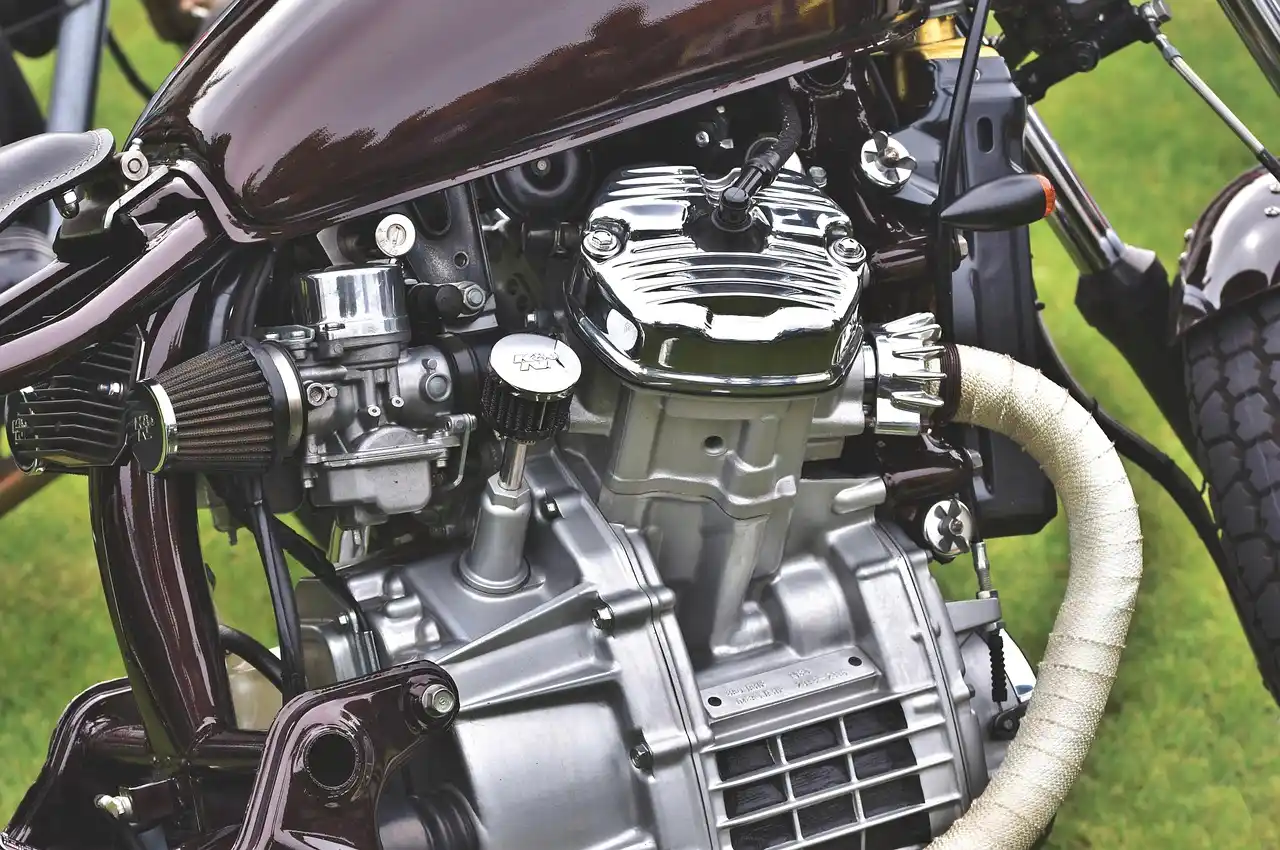
The best choice depends on how you use the vehicle. Daily drivers usually need serviceability and moisture resistance. Turbo cars often benefit from wrap on hot piping near sensitive parts. Motorcycles and track-only builds can use wrap more aggressively because access, heat containment, and packaging usually matter more than easy removal.
Daily drivers
For a daily driver, a clamp-on heat shield or ceramic coating is usually the safer choice. Wrap can work on a short hot section, but only if you accept the maintenance tradeoff and the pipe can dry out. If the exhaust is exposed to rain, road spray, or salt, wrap is a weaker long-term answer.
Is exhaust wrap worth it for a daily driver? Sometimes, but only when the heat problem is localized and you are willing to inspect it regularly. If you want lower upkeep and better corrosion resistance, start with a shield or coating instead.
Turbo cars and track-only builds
Turbo cars are a strong wrap candidate because the exhaust-side heat load is often concentrated in a small area. Track-only builds are even more forgiving because service intervals are shorter and moisture exposure is usually lower. Wrap works best here when the goal is radiant heat control from headers or downpipes, not removal-friendly shielding.
Picture a turbo downpipe that runs close to a wiring bundle and a brake line. Wrap can be the right first move if the pipe is dry, the material tolerates it, and you want to reduce heat escaping from the tube itself. If the bundle needs to be moved often, a clamp-on shield is the smarter fit.
Motorcycles and tight engine bays
Motorcycles often benefit from wrap because space is tight and radiant heat hits the rider and nearby parts quickly. Tight engine bays on compact cars can be similar. In both cases, wrap helps when the pipe is the source and the surrounding space leaves little room for a large shield.
If the part is exposed to weather, though, be careful. A stainless steel clamp-on heat shield or ceramic coating may outlast wrap when service access and moisture are bigger concerns than pipe coverage.
Frequently asked questions
Can you wrap an exhaust instead of using heat shields?
Yes, but only in the right use case. Wrap can substitute for a shield when the issue is radiant heat from the pipe itself and you can accept a more permanent install. It is a poor substitute when you need removable protection, moisture resistance, or coverage near parts that must stay serviceable.
Is exhaust wrap better than a heat shield?
Neither is always better. Wrap is better when you want to reduce heat escaping from the exhaust surface. A heat shield is better when you want a removable barrier that protects nearby parts without wrapping the pipe. The right choice depends on service access, weather exposure, and the exact component you are trying to protect.
Will exhaust wrap protect wiring and hoses?
It can help, especially when radiant heat from headers or downpipes is the main problem. But it is not enough for every routing layout. If wiring or hoses sit very close to the exhaust, a clamp-on shield or ceramic coating may give more reliable protection and less corrosion risk.
Does exhaust wrap reduce under-hood temperatures?
Yes, often by 50–100°F in suitable use cases, but that is not guaranteed. The effect depends on pipe routing, material, airflow, and installation quality. The practical gain is lower heat escaping into the engine bay, which can help nearby plastic parts, hoses, and wiring.
Does exhaust wrap cause rust or corrosion?
It can, because wrap may trap moisture against the pipe. The risk is higher on mild steel and galvanized parts, and on any exhaust section that sees rain or road spray and cannot dry out. Stainless steel handles the situation better, but it still needs inspection.
How hot can exhaust wrap handle?
Thermo-Tec lists wrap kits with a temperature rating up to 2,000°F. That rating is useful, but it does not mean every installation performs the same way. Material choice, overlap, and how well the pipe dries out all affect real-world results and durability.