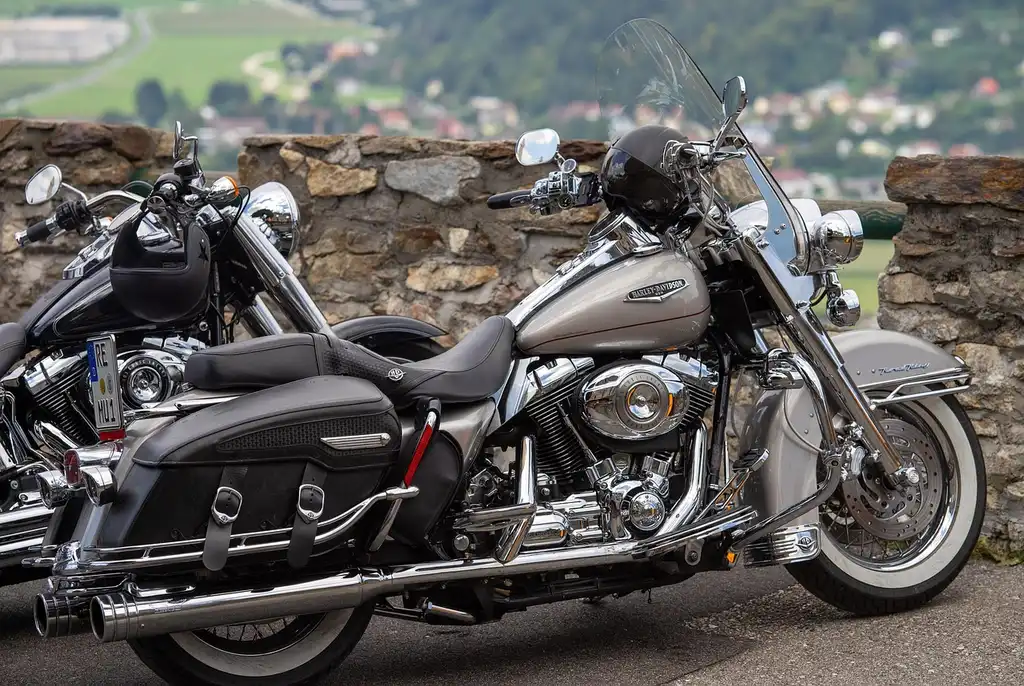
Are Race Mufflers Legal on Public Roads?
Race mufflers are legal on public roads only if they meet your state’s equipment rules, keep exhaust noise within the local limit, and are not marked or used as off-road-only parts. If you get it wrong, you can face tickets, failed inspections, forced repairs, or registration trouble. This guide breaks the legality test into equipment law, noise limits, and intended use so you can check a setup before you buy it or bolt it on.
Race muffler legality at a glance
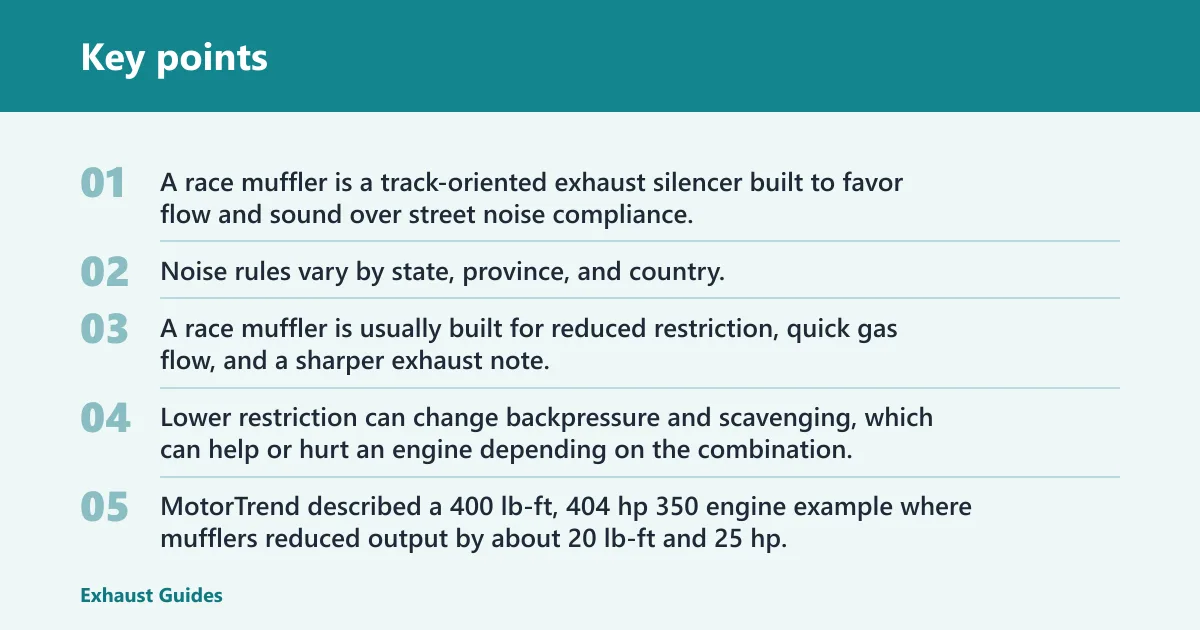
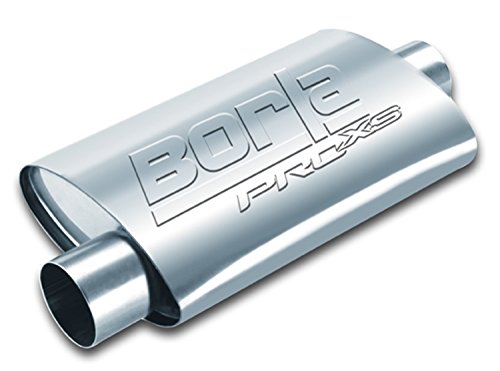

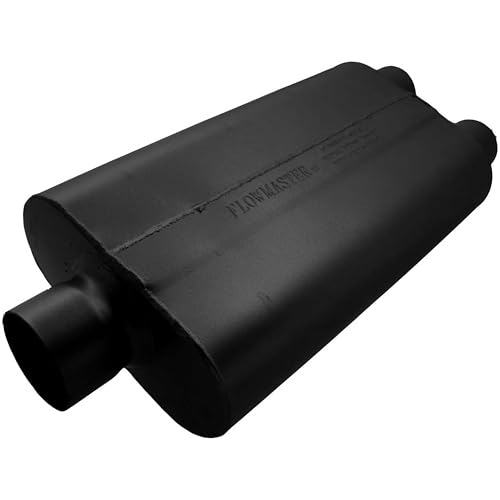
A race muffler is a track-oriented exhaust silencer built to favor flow and sound over street noise compliance. That makes it different from a stock muffler and different from many street-oriented performance mufflers. Public-road legality turns on three separate checks: what the law requires, how loud the vehicle is, and whether the part is sold or used for off-road or competition only.
Noise rules vary by state, province, and country. Some places use a measured sound limit. Others rely on equipment language, a visible inspection failure, or an officer’s judgment if the exhaust sounds excessive. That is why a muffler that is common at a track day can still be a problem on a public road.
What a race muffler
A race muffler is usually built for reduced restriction, quick gas flow, and a sharper exhaust note. It may use a straight-through or lightly baffled design, and it may be sold with fitment aimed at race cars or competition motorcycles rather than commuter vehicles.
Performance goals matter here. Lower restriction can change backpressure and scavenging, which can help or hurt an engine depending on the combination. MotorTrend described a 400 lb-ft, 404 hp 350 engine example where mufflers reduced output by about 20 lb-ft and 25 hp. It also referenced a pair of 2.25-inch Sonic Turbos, with 2.5-inch versions being developed. (Motortrend)
Are race mufflers legal on public roads?
Sometimes, but not by default. A race muffler may be legal on a public road only if it meets local equipment rules, stays within the noise limit, and is not barred by an off-road-only label or an inspection standard. If any one of those checks fails, the setup can be treated as illegal even if the part bolts on cleanly.
Equipment law
Some jurisdictions require a functioning muffler, exhaust system, or spark arrestor-style equipment. Others bar modifications that make the vehicle “excessively loud” or remove required emissions or noise-control hardware. If the law requires a muffler, a race muffler may still pass only if it is accepted as a muffler under that rule and installed in a compliant way.
Noise limit
Many road rules care more about measured or observed sound than about the label on the part. A race muffler that passes a roadside check in one town may fail an inspection in another. Loudness alone does not decide legality everywhere, but it often drives enforcement.
Intended use
“Off-road use only” is a warning that the seller does not intend the product for public roads. Jammoto says its products are sold for off-road use only, warns that items sold for off-road use only may be illegal on public roads, says intended use is the race track and/or private road course, and states that customers take responsibility for use and misuse. That kind of language does not make a part illegal by itself, but it is a strong sign that the buyer must verify street legality before installation.
Race muffler vs muffler delete vs legal aftermarket muffler
These three setups are not the same. A race muffler is still a muffler, but one tuned for track use or aggressive sound. A muffler delete removes the factory muffler entirely. A legal aftermarket muffler is designed and sold to meet street rules in a specific jurisdiction, even if it sounds deeper or louder than stock.
Track-oriented race mufflers
These parts usually keep some silencing function, but their main aim is flow and sound. They may be short, straight-through, or built for a narrow performance envelope. A race muffler can still be too loud for road use, and its fitment size, such as 2.25-inch or 2.5-inch inlet diameters, affects installation and system balance more than legality on its own.
Muffler deletes
A muffler delete is the most obvious sound change because it removes the factory muffler entirely. That often raises exhaust volume enough to trigger attention from police, inspection stations, or neighbors. Whether it is illegal depends on local equipment and noise rules, but the risk is higher because the vehicle loses a factory noise-control component.
Street-oriented performance mufflers
Some aftermarket mufflers are built for public roads and carry quieter tone targets, internal chambers, or resonators. These parts may still sound sportier than stock, but they are more likely to pass equipment checks because they keep a muffling function and are sold with street use in mind.
How noise laws and inspections affect street legality
Noise rules are the most common reason a race muffler becomes a public-road problem. Some places use a decibel test. Others use a subjective standard such as “excessive” or “unreasonably loud.” Inspection stations may check for a muffler, visible tampering, leaks, or obviously excessive volume.
Measured decibel limits
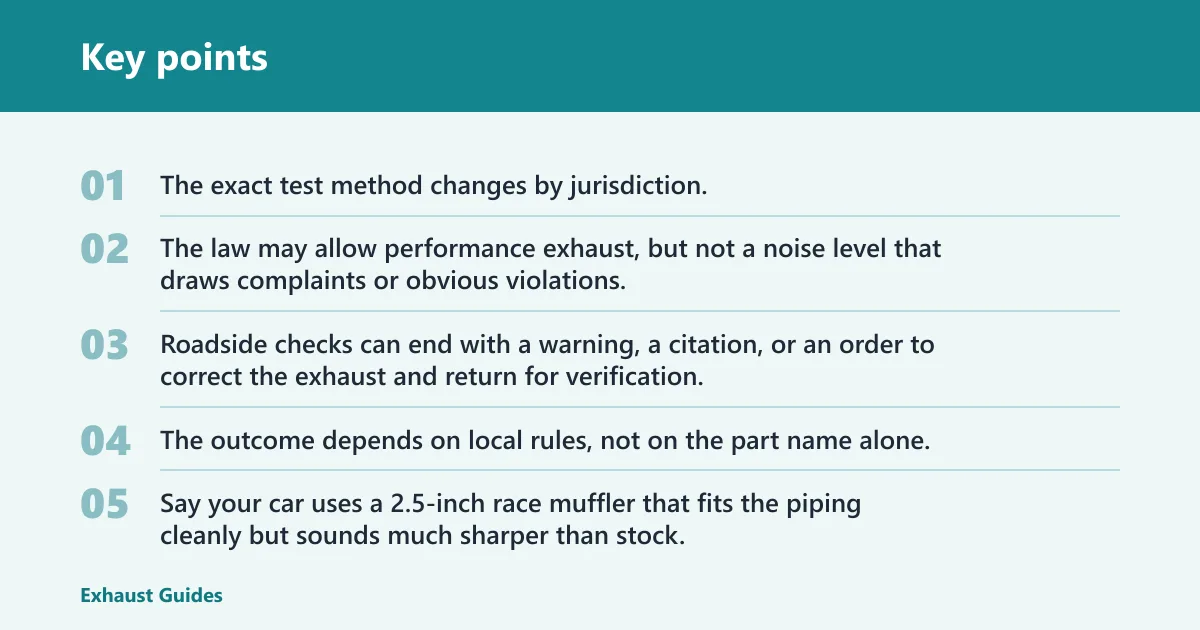
Where a fixed sound limit exists, the vehicle may need to stay under that number at a set distance, speed, or engine load. The exact test method changes by jurisdiction. A vehicle that passes one test at one rpm can fail another test under a different procedure, so the number alone is never the full story.
Subjective noise enforcement
Some officers can stop a car or motorcycle if the exhaust sounds clearly louder than expected, even without a roadside meter. That is why a loud muffler can be legal in one area and still get attention in another. The law may allow performance exhaust, but not a noise level that draws complaints or obvious violations.
Inspection and roadside checks
Inspection failure is common when a vehicle lacks a required muffler, shows a visible cut or weld from a delete, or sounds far louder than stock. Roadside checks can end with a warning, a citation, or an order to correct the exhaust and return for verification. The outcome depends on local rules, not on the part name alone.
Say your car uses a 2.5-inch race muffler that fits the piping cleanly but sounds much sharper than stock. If your state checks only for a muffler and the measured sound stays under the limit, it may pass. If your county uses a subjective loud-exhaust rule, the same setup can still draw a stop.
What the off-road use only label means
An off-road use only disclaimer usually means the seller is warning that the part is meant for track use, private property, or competition. It also shifts responsibility to the buyer. That wording matters most where equipment laws are strict, where inspection stations check labels or noise, and where any public-road use of a competition part can create legal exposure.
That warning is not a blanket proof that a part is illegal everywhere. It is, however, a strong signal that the buyer should treat the setup as street-uncertain until local law is checked. If the seller tells you the part is for race use only, assume public-road legality is your responsibility to verify.
Race muffler legality checklist
Use this checklist before you buy or install a race muffler. It is built to separate equipment rules, noise rules, and intended use, because those three questions decide most street-legal outcomes.
| Jurisdiction type | Equipment rule | Noise rule | Inspection risk | Street verdict |
|---|---|---|---|---|
| State or province with muffler required | Must retain a working muffler | Must stay under the local sound limit | Medium to high if the exhaust is visibly modified | Likely legal only if the race muffler is accepted as a muffler and passes sound rules |
| Area with subjective loudness enforcement | May forbid excessive or altered exhausts | Officer judgment can control the stop | High if the note is sharp or very loud | Needs local verification |
| Area with measured decibel testing | Must meet equipment and test procedure rules | Must pass the stated dB limit | High if the setup is near the limit | Likely legal only if tested and documented |
| Inspection-heavy area | Visible muffler required in many cases | Excessive noise can fail inspection | High at annual or roadside inspection | Needs local verification |
| Off-road-only part used on public roads | Label warns of noncompliance risk | Often louder than street parts | Very high | Likely illegal |
-
Check the equipment rule.
Confirm whether your jurisdiction requires a muffler, bans muffler deletes, or limits exhaust modifications. If the law names a required muffler, a race muffler only qualifies if it meets that rule. -
Check the sound rule.
Look for a decibel limit, a subjective noise standard, or both. If there is a published test method, compare the vehicle’s expected output to that method rather than guessing from the brand name. -
Check the product label.
If the part says off-road use only, treat it as street-uncertain until you verify local law. That label may be enough to trigger inspection scrutiny even if the part physically includes muffling hardware. -
Check inspection exposure.
If your area uses annual inspections, roadside checks, or emissions equipment reviews, expect higher risk. A loud or visibly modified system is more likely to be flagged there than in an area with light enforcement. -
Compare it to a legal muffler.
If a street-oriented aftermarket muffler can meet the same fitment and sound goals, it is usually the safer choice. A race muffler is a poor bet when the goal is predictable public-road compliance.
Suppose a rider swaps a stock motorcycle muffler for a short race can that has a 2.25-inch inlet. If the motorcycle code requires a muffler and the new can keeps the bike under the local sound limit, it may still be fine. If the same bike must pass a strict inspection lane, the result can change fast.
Can you ride a motorcycle without a muffler legally?
Sometimes, but motorcycle rules can differ from car rules in both wording and enforcement. Some places apply the same muffler requirement to all motor vehicles, while others write separate rules for motorcycles, especially on noise and aftermarket exhausts. A bike without a muffler often draws more attention because the sound signature is sharper and easier to notice.
Local verification matters most on motorcycles because exhaust systems are smaller, louder, and more likely to be modified. If the bike has a track-oriented pipe, an off-road use only label, or a delete-style setup, assume public-road legality is uncertain until you confirm the relevant motorcycle code, inspection rule, and sound limit.
What happens if your exhaust is not street legal?
Possible outcomes include a ticket, an inspection failure, a roadside warning, or an order to correct the exhaust before the vehicle can be driven again. In some jurisdictions, an issue can also complicate registration or inspection renewals. Insurance questions may come up after a crash if the vehicle was operating outside equipment rules.
Exact penalties vary widely, so it is better to think in terms of enforcement outcomes than fixed dollar amounts. A minor first stop may end with a warning. A repeated violation or an obvious muffler delete may lead to a citation and a repair order. If the vehicle must be rechecked, keep receipts and any compliant replacement parts.
Frequently asked questions
Is it illegal to have no muffler on a public road?
Often yes, but not everywhere. Many jurisdictions require a functioning muffler or another exhaust noise-control device, and a no-muffler setup can fail inspection or draw a roadside stop. The answer depends on local equipment law, noise limits, and how strictly those rules are enforced.
Is it illegal to remove your muffler?
It can be. Removing the muffler may turn a legal exhaust into one that violates equipment rules or exceeds the local sound limit. Even where the wording is broad, a muffler removal often raises the risk of tickets, inspection failure, or a correction order.
Are muffler deletes illegal?
Sometimes, yes. A muffler delete removes a factory noise-control part, which can conflict with state, provincial, or local exhaust rules. Even if the law does not ban the delete by name, the car may still fail because it is too loud or lacks the required equipment.
Are muffler deletes legal?
Only in some places and only if the vehicle still meets all equipment and noise rules. A delete that passes in one jurisdiction may fail in another because enforcement varies. If you want predictable street legality, a legal aftermarket muffler is usually the safer choice.
Why are loud mufflers legal in some places?
Because not every jurisdiction uses the same test. Some areas allow louder exhausts as long as the vehicle has required equipment and stays under a measured limit. Others rely on officer judgment, so a loud muffler may be legal in one town and still bring enforcement in the next.