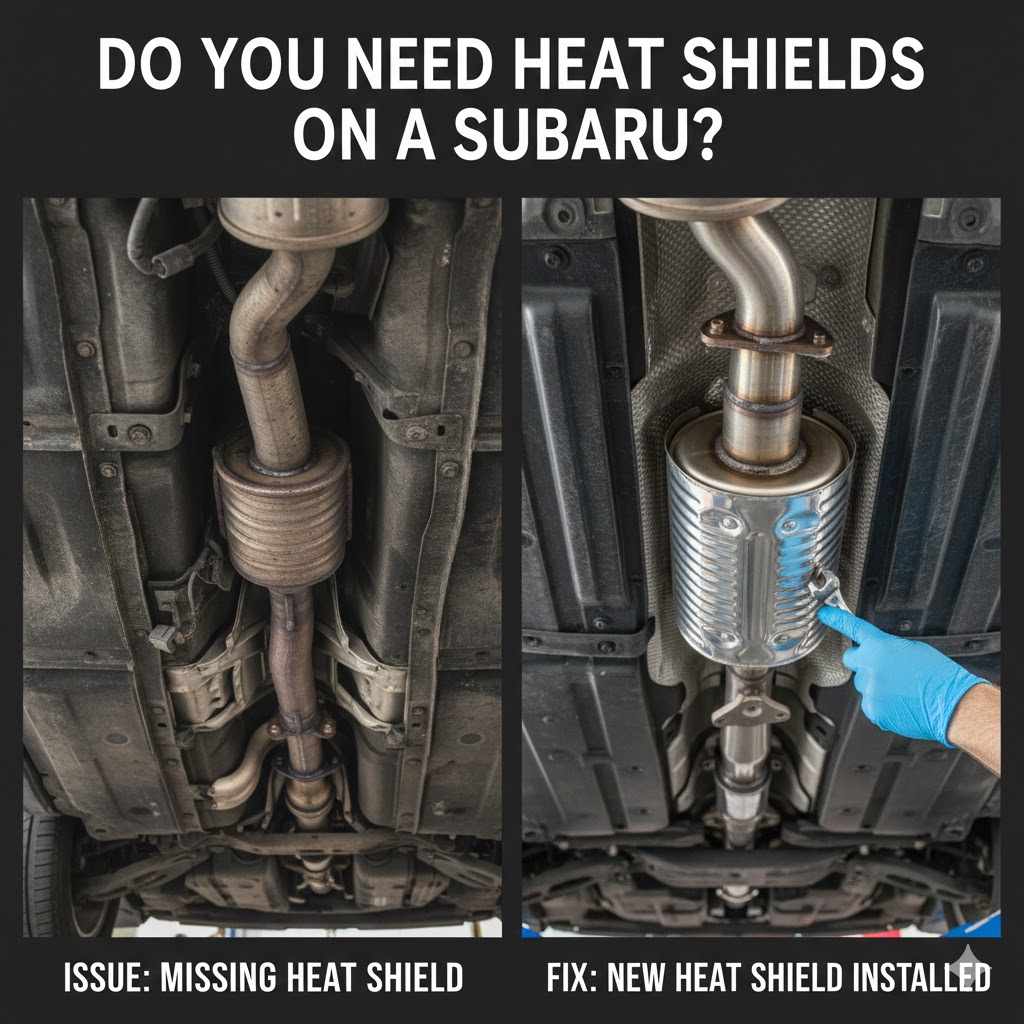
Do You Need Heat Shields on a Subaru Forester?
Figuring out if your Subaru Forester needs heat shields can be a bit confusing, especially if you’re new to car maintenance. Many car owners wonder about these parts because they’re not always obvious. This guide is here to make it super simple. We’ll walk through everything step-by-step so you know exactly what to do. Get ready to learn all about heat shields and your Subaru Forester.

Wigoo
Wigoo for Subaru Forester 2019-2026 Windshield Sunshade,…
- 【Designed for Subaru Forester】Compatible with Subaru Forester 2019–2026. Designed to provide reliable windshield coverage while fi…
- 【2026 Material & Tech Advancements】Featuring the latest materials from the Wigoo laboratory, our sunshade boasts a 210D Oxford clo…
- 【Hassle-Free Setup, Effortless Storage】Installing the sunshade takes just seconds—simply unfold and place it against the windshiel…
As an Amazon Associate I earn from qualifying purchases.
What Are Heat Shields
Heat shields are like tiny blankets for your car’s engine and exhaust system. They are designed to protect other parts of your car from getting too hot. Think of them as a shield that stops heat from spreading where it shouldn’t go. They are usually made of metal, often aluminum or stainless steel, which are good at reflecting heat away.
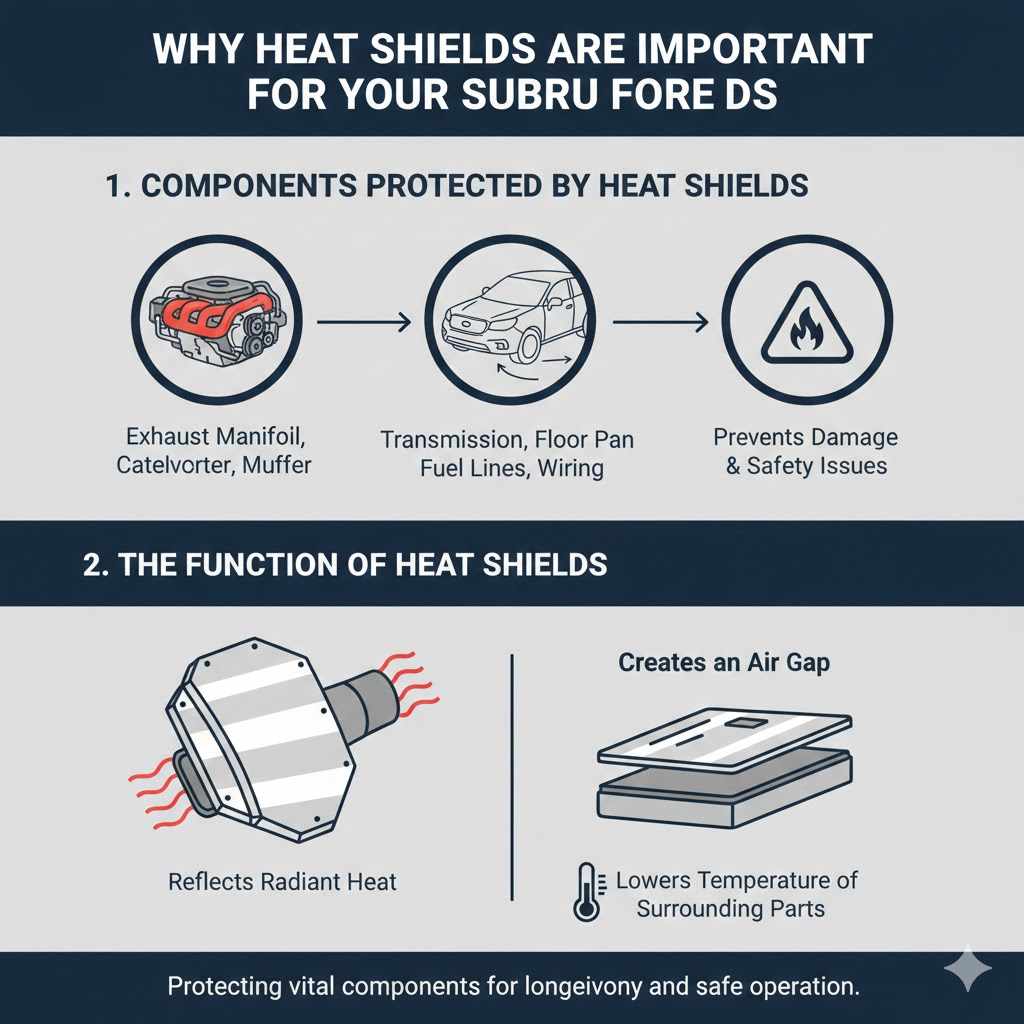
Why Heat Shields Are Important for Your Subaru Forester
Your Subaru Forester, like any car, has parts that get very hot. The exhaust system, for instance, can reach temperatures of over 1000 degrees Fahrenheit. Without proper insulation, this intense heat could damage nearby components. These could include plastic parts, fuel lines, or even electrical wiring. Damage from heat can lead to costly repairs and safety issues. This is where heat shields come in. They act as a barrier, keeping the heat contained and preventing it from causing harm.
Components Protected by Heat Shields
Heat shields protect several key areas under your Subaru Forester. The exhaust manifold, catalytic converter, and muffler all generate significant heat. Heat shields are often placed directly above or around these components. They prevent this heat from affecting the transmission, the floor pan, or sensitive fuel system parts. Protecting these areas is vital for the longevity and performance of your vehicle. It also helps prevent heat-related failures that could leave you stranded.
The Function of Heat Shields
The main job of a heat shield is to reflect radiant heat. Radiant heat is like the heat you feel from a campfire; it travels in waves. Metal surfaces, especially shiny ones, are good at bouncing these heat waves away. Some heat shields also work by creating an air gap. This gap traps air, which is a poor conductor of heat, acting as an insulator. By reflecting heat and creating air gaps, heat shields effectively lower the temperature of surrounding components. This process is crucial for maintaining a safe operating temperature for your Subaru Forester.
Common Issues with Subaru Forester Heat Shields
Over time, heat shields can develop problems. Driving on rough roads, hitting debris, or even just age can cause them to loosen, bend, or rust. When a heat shield is not properly in place, it can start to rattle. This rattling noise is often the first sign that something is wrong. It can be annoying and might sound like a serious engine problem, but it’s usually just a loose heat shield.
Signs of Damaged or Loose Heat Shields
One of the most common signs is a rattling or buzzing sound. This noise often happens when you accelerate or decelerate, or when you drive over bumps. It might be a high-pitched metallic sound. You might also notice a burning smell if a heat shield has shifted and is touching hot exhaust components. Sometimes, a damaged heat shield can even cause heat to build up in the cabin, making the floor feel warmer than usual.
Rattling Noises Explained
The rattling noise is typically caused by a loose heat shield vibrating against another part of the exhaust system or the car’s underbody. When a mounting bolt or bracket breaks, the shield can hang loosely. As exhaust gases flow through the pipes, they create vibrations that make the loose shield move and make noise. This is why it’s important to get it checked out.
Burning Smells
A burning smell could mean that a heat shield has fallen off completely or is so bent that it’s touching the hot exhaust pipe directly. This direct contact can cause heat to build up on anything it touches, leading to that acrid burning odor. It’s a sign that something is not right and needs immediate attention to prevent damage.
Causes of Heat Shield Deterioration
Several factors contribute to heat shield problems. Exposure to road salt and moisture can cause rust, especially on older models or shields made from less durable materials. Road debris, like rocks or sticks, can hit and bend or dislodge shields. Vibrations from the engine and exhaust system over many years can also weaken mounting points. Regular maintenance can help catch these issues early.
Do You Need Heat Shields on a Subaru Forester
The answer is generally yes, your Subaru Forester comes equipped with heat shields for a reason. They are a vital part of the vehicle’s thermal management system. These shields are installed from the factory to protect various components from excessive heat generated by the engine and exhaust. Removing them or failing to replace them when damaged can lead to problems. Therefore, for the safety and longevity of your vehicle, you do need heat shields on a Subaru Forester.
The Role of Heat Shields in Vehicle Safety
Heat shields play a crucial role in vehicle safety. By preventing heat from reaching sensitive areas, they reduce the risk of fires. For instance, if a heat shield is missing, hot exhaust parts could ignite nearby plastic components or undercoating. This is a serious fire hazard. They also protect the cabin from excessive heat, making the driving experience more comfortable and safer for occupants.
Impact of Missing Heat Shields
If your Subaru Forester is missing heat shields, you are exposing its vital components to unnecessary heat. This can lead to premature wear and tear on parts like rubber hoses, plastic connectors, and fuel lines. Over time, this can result in leaks or even component failure. The increased heat can also affect the performance of your transmission and other mechanical systems.
Damage to Undercarriage Components
The undercarriage of your Subaru Forester contains many plastic and rubber parts that are not designed to withstand high temperatures. Missing heat shields allow the radiant heat from the exhaust to bake these components. This can make them brittle and prone to cracking or melting. Replacing these damaged parts can be expensive and time-consuming.
Fuel System Vulnerabilities
The fuel lines and fuel tank are often located near the exhaust system. Excessive heat can cause fuel to vaporize more quickly, potentially leading to vapor lock, which can stall the engine. In extreme cases, prolonged exposure to high heat without proper shielding could even compromise the integrity of fuel lines, creating a fire risk.
Heat Shields and Subaru Forester Performance
While not directly related to horsepower, heat shields can indirectly affect your Subaru Forester’s performance. By keeping surrounding temperatures lower, they help ensure that the engine and its various sensors operate within their optimal temperature ranges. Overheating can cause the engine to run less efficiently, and in some cases, the engine’s computer might even reduce power to prevent damage. Proper heat shielding helps maintain consistent and optimal operating conditions for your engine.
Replacing Damaged Heat Shields
If you’ve identified that your Subaru Forester has damaged or missing heat shields, it’s important to get them
DIY Heat Shield Replacement Steps
Replacing a heat shield can be a straightforward DIY task. First, gather your tools, which typically include a socket set, wrenches, and possibly a new heat shield kit. Safety first: make sure your car is parked on a level surface, the engine is cool, and use jack stands if you need to lift the vehicle. Locate the damaged heat shield and identify how it’s attached. Usually, it’s held in place by bolts or clips. Remove the old shield by unscrewing the bolts or releasing the clips. Position the new heat shield and secure it with the new hardware. Double-check that it’s firmly attached and not rattling.
Tools and Materials Needed
For a typical heat shield
Safety Precautions
Before starting any work under your Subaru Forester, ensure the car is completely cool. Never work under a vehicle supported only by a jack; always use sturdy jack stands. Wear safety glasses to protect your eyes from debris. If you’re working on a lift, ensure it’s properly rated for the vehicle’s weight and that the vehicle is centered. Wear work gloves to protect your hands.
When to Call a Professional Mechanic
While heat shield replacement can be a DIY job, there are times when it’s best to consult a professional. If the heat shield is attached to a complex part of the exhaust system or if the mounting points are rusted and difficult to access, a mechanic might have specialized tools and experience to handle it safely and efficiently. Also, if you’re uncomfortable working under your vehicle or unsure about any step, it’s always safer to let a qualified mechanic do the job.
Alternatives and Aftermarket Options
For those looking for enhanced durability or different solutions, aftermarket heat shields are available. Some aftermarket options are made from thicker materials or designed for better heat reflection than the original factory parts. These can be a good choice if you frequently drive in demanding conditions or if you want to upgrade your vehicle’s thermal protection.
Aftermarket Heat Shield Benefits
Aftermarket heat shields can offer several advantages. They are often made from higher-grade materials that are more resistant to rust and damage. Some designs provide more comprehensive coverage or improved heat deflection. For performance enthusiasts, there are even specialized heat shields designed to manage extreme temperatures generated by modified exhaust systems. They can also be a more cost-effective solution than OEM (Original Equipment Manufacturer) parts in some cases.
Material Differences
Original heat shields are typically made from stamped steel or aluminum alloys. Aftermarket options might use stainless steel for superior corrosion resistance and durability. Some high-performance shields use composite materials or ceramic coatings for even better thermal insulation. The choice of material can significantly impact the lifespan and effectiveness of the heat shield.
Design Variations
Aftermarket designs can vary. Some are direct
Factors to Consider When Buying
When purchasing heat shields, whether OEM or aftermarket, consider the material quality and warranty. Check reviews from other Subaru Forester owners to see how well the part fits and performs. Ensure the shield comes with all the necessary mounting hardware, or be prepared to purchase it separately. Also, verify the shield’s compatibility with your specific year and trim level of the Subaru Forester.
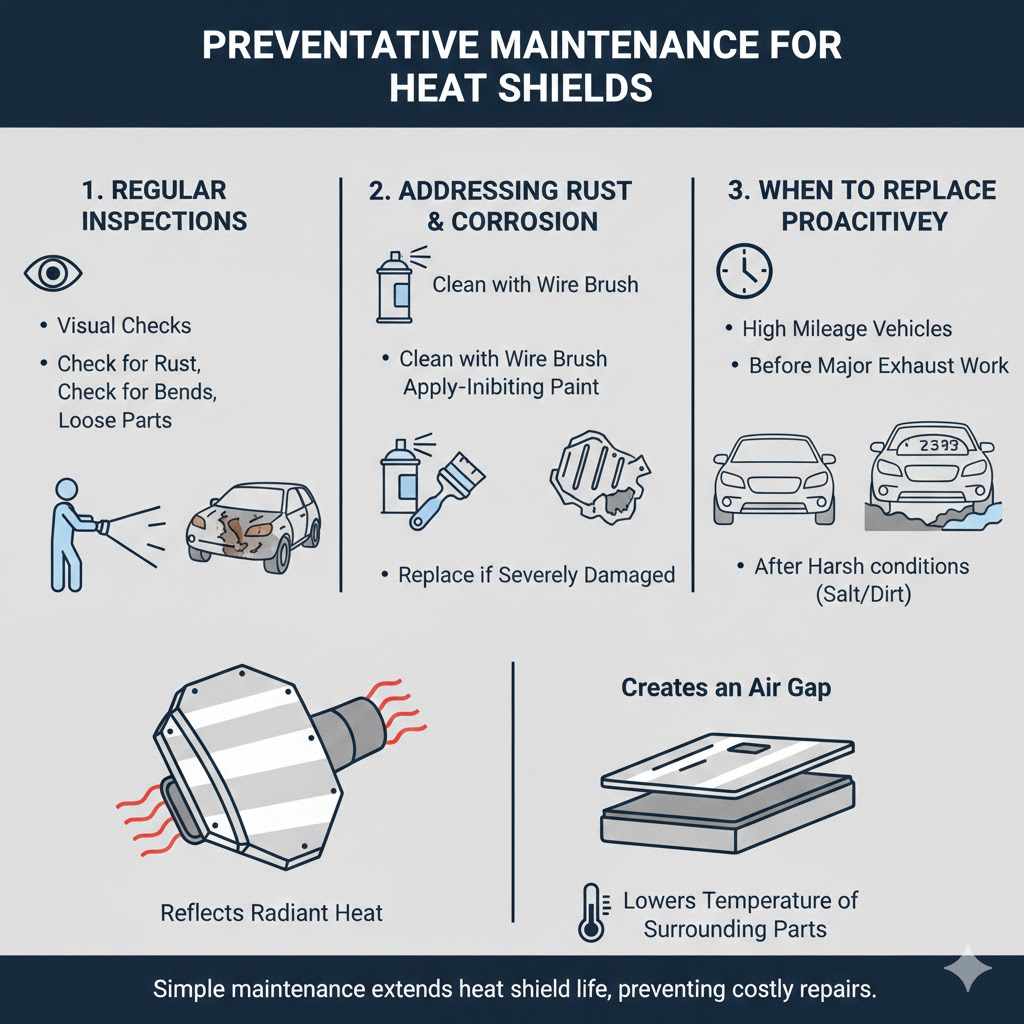
Preventative Maintenance for Heat Shields
Regular inspections can help you catch heat shield issues before they become serious problems. When you get your Subaru Forester’s oil changed or have other routine maintenance performed, ask your mechanic to check the condition of the heat shields. You can also do a quick visual inspection yourself.
Regular Inspections
Make it a habit to look at the underside of your Subaru Forester periodically. Pay attention to the exhaust system. Look for any signs of rust, bending, or loose components. A quick visual check while the car is parked can save you a lot of trouble down the line.
Addressing Rust and Corrosion
If you notice surface rust on your heat shields, you can often address it. Clean the affected area with a wire brush to remove loose rust. You can then apply a rust-inhibiting primer and a high-temperature paint designed for exhaust systems. This can extend the life of the heat shield. If the rust is severe and has caused significant thinning of the metal, replacement is usually the better option.
Frequently Asked Questions
Question: Can I drive my Subaru Forester if a heat shield is rattling
Answer: While it is generally safe to drive for short distances, a rattling heat shield should be addressed as soon as possible. The noise can be a sign of a loose shield that could fall off or cause damage. It can also be a distraction while driving.
Question: How long do heat shields typically last on a Subaru Forester
Answer: The lifespan of heat shields varies greatly depending on driving conditions, climate, and the quality of the original parts. However, they are often expected to last for many years, typically between 5 to 10 years or more, before they show significant signs of wear or damage.
Question: Will removing a heat shield improve my Subaru Forester’s exhaust sound
Answer: Removing a heat shield can sometimes make the exhaust sound louder or more raspy because it is no longer insulating the sound. However, it is not recommended to remove heat shields, as this can lead to heat damage and potential safety hazards.
Question: What is the cost to replace a heat shield on a Subaru Forester
Answer: The cost can vary depending on the specific heat shield, whether you buy OEM or aftermarket parts, and whether you do the work yourself or hire a mechanic. For a single heat shield, parts might cost between $20 to $100, with labor adding another $50 to $150 if done professionally.
Question: Are all Subaru Forester models equipped with heat shields
Answer: Yes, all Subaru Forester models come equipped with heat shields from the factory as part of their standard safety and thermal management systems. Their design and placement may vary slightly between different model years and trim levels.
Summary
Your Subaru Forester definitely needs its heat shields. They are essential for protecting critical components from extreme engine and exhaust heat. Signs like rattling noises or burning smells mean it’s time to check them. Replacing damaged shields is often a simple fix that prevents costly future repairs and keeps your car safe. Regular checks and prompt attention to any issues will ensure your Subaru Forester stays in top condition.
Related pick: Check today's price on Amazon