Is There An Exhaust Tip To Quiet Diesel Exhaust? Essential Guide
Yes, there are exhaust tips designed to quiet diesel exhaust. While a diesel’s natural rumble is a sign of power, specific exhaust tips and mufflers can effectively reduce noise levels for a quieter, more pleasant driving experience without sacrificing performance.
There’s no denying the distinct sound of a diesel engine – it’s often a sound associated with power and capability. However, for many drivers, that powerful rumble can quickly become an overwhelming roar, especially on longer journeys or in residential areas. If you’ve found yourself wishing for a quieter ride, you’re not alone. Many diesel owners start to wonder if there’s a simple solution to turn down the volume. The good news is, yes, there are ways to make your diesel exhaust quieter, and often, an exhaust tip is a key part of that solution. We’ll guide you through how exhaust tips work to reduce noise and what you need to know to make an informed choice.
Understanding Diesel Exhaust Noise
Diesel engines operate differently from gasoline engines. The way they ignite fuel (compression ignition) and the nature of their exhaust gases contribute to a generally louder sound. This inherent loudness can be exacerbated by the exhaust system’s design, including the pipes and the muffler.
Combustion Process: Diesel engines use high compression to ignite fuel, leading to a more forceful combustion event which, in turn, creates a deeper, more percussive sound.
Exhaust Gas Volume and Speed: Diesels often produce a higher volume of exhaust gases at greater speeds, contributing to the overall noise.
Lack of Muffler (in some cases): Some older or more basic diesel setups might have a less sophisticated muffler or even a straight-pipe exhaust, which does little to dampen sound.

Can Exhaust Tips Really Quiet Diesel Exhaust?
The short answer is: yes, to a certain extent, but it’s not always just the tip. While an exhaust tip itself is primarily an aesthetic component, it works in conjunction with the rest of the exhaust system, particularly the muffler, to influence sound.
Think of it like this: the muffler is the main sound-deadening component. The exhaust tip is the exit point for the gases and can influence how the sound waves dissipate as they leave the vehicle. Some tips are designed to alter the way sound particles exit, potentially making the noise less piercing or directional. However, relying solely on a tip to significantly quiet a loud diesel is often unrealistic. A more effective approach usually involves a combination of a good muffler and a well-designed tip.
How Exhaust Tips Affect Sound
Different exhaust tip designs impact sound in various ways:
Resonated Tips: These tips incorporate chambers or baffling that can cancel out specific sound frequencies, effectively muffling the exhaust note.
Diameter and Length: A larger diameter or longer tip can sometimes help to reduce the perceived loudness by allowing gases to expand and slow down slightly before exiting.
Internal Design: Some tips have internal baffles or perforated inserts that act like a mini-muffler, further dampening soundwaves.
Types of Exhaust Systems and Their Impact on Noise
When looking to quiet your diesel, it’s essential to understand your current exhaust system and the options available.
Stock Exhaust Systems
Most factory-installed diesel exhaust systems are designed to meet noise regulations and balance performance with everyday usability. They typically include a catalytic converter, a diesel particulate filter (DPF), and a muffler.
Pros: Quiet, compliant with regulations, designed for your specific vehicle.
Cons: Can be restrictive, may not offer the desired sound profile for some owners, can be expensive to replace if damaged.
Aftermarket Mufflers
This is often the biggest contributor to quieting a diesel exhaust. Aftermarket mufflers are specifically engineered to reduce noise.
Straight-Through (Perforated Core): These mufflers allow exhaust gases to flow freely through a perforated tube surrounded by sound-absorbing material. They offer a good balance between flow and noise reduction.
Chambered Mufflers: These use a series of internal chambers designed to reflect and cancel out sound waves. They can offer deeper tones and good quieting but can sometimes be more restrictive than straight-through designs.
Turbine Mufflers: Feature a turbine-like mechanism that spins with exhaust flow, helping to break up sound waves.
Performance Exhaust Systems
These systems are often designed to increase power by reducing backpressure. While they can sound impressive, they are generally not designed to quiet a diesel exhaust. In fact, they often make it louder.
Pros: Enhanced performance, aggressive sound.
Cons: Significantly louder, may not be legal in all areas, can lead to drone.
Straight-Pipe Exhausts
This involves removing the muffler entirely. This is rarely a good option for those seeking silence.
Pros: Maximum flow, aggressive sound (for those who want it).
Cons: Extremely loud, illegal in most places, drone, can negatively impact low-end torque.
Exhaust Tip Options for Quieter Diesel Exhaust
While the muffler does the heavy lifting for sound reduction, certain exhaust tips can complement a quiet exhaust system by subtly refining the sound that exits.
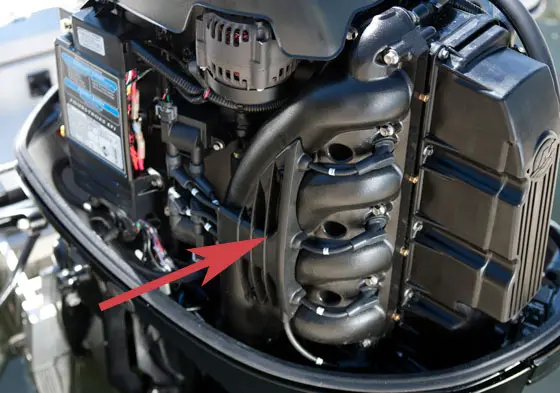
1. Resonated Exhaust Tips
These are designed with internal chambers that act as a secondary muffler. The chambers help to absorb and cancel out specific sound frequencies, often reducing the higher-pitched, raspier tones that can be irritating.
How they work: Exhaust gases enter the tip and pass through a series of baffled chambers. These chambers create turbulence and interference patterns that neutralize sound waves.
Benefits: Can make the exhaust note deeper and less piercing.
Considerations: May add a slight restriction to exhaust flow, choose a reputable brand for best results.
2. Larger Diameter and Longer Tips
Simply increasing the size of your exhaust tip can sometimes help. A larger diameter allows exhaust gases to expand more before exiting, which can reduce the velocity and thus the noise. A longer tip provides more surface area for sound to dissipate.
How they work: Increased volume allows for gas expansion and slower exit speed. Longer pipes can dampen sound waves through friction with the pipe walls.
Benefits: Simple solution, can provide a subtle reduction in volume.
Considerations: Ensure the tip is properly sized for your exhaust pipe to avoid leaks or a loose fit. Too large can sometimes negatively affect performance if not engineered correctly.
3. Internal Baffle or Perforated Tips
Some exhaust tips mimic the design of a muffler with internal perforated tubes and packing material.
How they work: Similar to a straight-through muffler, exhaust flows through a perforated pipe, and sound waves are absorbed by packing material (like fiberglass or steel wool) surrounding it.
Benefits: Can offer noticeable sound reduction.
Considerations: Packing material can degrade over time and may need replacement. These are essentially mini-mufflers and can add some backpressure.
4. Multi-Chambered or “Chambered” Tips
These tips incorporate multiple distinct chambers designed to target specific sound frequencies.
How they work: Each chamber is tuned differently to break up a range of sound waves, leading to a more refined and quieter output.
Benefits: Can provide a sophisticated sound reduction, targeting unwanted frequencies.
Considerations: More complex design, can be more expensive.
What to Look For in a “Quiet” Diesel Exhaust Tip
When shopping for an exhaust tip intended to quiet your diesel, prioritize these features:
Materials: Stainless steel is a popular choice for durability and corrosion resistance. High-quality construction ensures longevity.
Brand Reputation: Stick with well-known brands that specialize in exhaust components. They have a track record of engineering effective products.
Specific “Quiet” or “Muffler” Claims: Look for descriptions that explicitly mention sound reduction, silencing, or features like resonators and baffles. Avoid tips marketed solely for aesthetics or performance in terms of loudness.
Vehicle Fitment: Ensure the tip you choose is compatible with your diesel truck’s exhaust pipe diameter and mounting style.
Installation Guide for Diesel Exhaust Tips
Installing an exhaust tip is typically a straightforward process that most DIYers can handle. Always prioritize safety.
Tools You Might Need:
Wrench set or socket set (for clamps)
Screwdriver (if applicable)
Gloves (to protect hands from heat and sharp edges)
Safety glasses
Penetrating oil (for stubborn bolts)
Measuring tape
Step-by-Step Installation:
1. Safety First: Ensure your vehicle is parked on a level surface. Engage the parking brake. For added safety, place wheel chocks behind the rear wheels if you’re working under the vehicle or if it’s not on a lift. Allow the exhaust system to cool completely before starting.
2. Locate the Existing Tip: Identify where your current exhaust tip attaches to the exhaust pipe. It’s usually clamped or bolted on.
3. Remove the Old Tip (if applicable): Loosen the clamp or bolts securing the old tip. You might need to use penetrating oil if they are rusted. Carefully slide or twist the old tip off the exhaust pipe.
4. Prepare the New Tip: Inspect your new exhaust tip. Ensure it’s clean and free of any debris. Check the clamping mechanism.
5. Position the New Tip: Slide the new exhaust tip onto the end of the exhaust pipe. Position it so it’s centered and protrudes to your desired length. Ensure there’s enough overlap for a secure fit, usually at least a few inches.
6. Secure the Tip: Tighten the clamp or bolts firmly. Make sure the tip is flush and doesn’t rattle. If your tip uses a bolt system that cinches onto a sleeve, tighten the bolts evenly.
7. Double-Check: Give the tip a gentle shake to ensure it’s secure. You don’t want it coming loose while driving.
8. Test Drive: Start your engine and listen for any exhaust leaks around the connection. Take a short test drive and pay attention to the sound.
Important Note: If your goal is significant noise reduction, remember that the tip is only one part of the equation. If your truck has a loud muffler or is straight-piped, a new tip might only make a minor difference. For substantial sound dampening, consider upgrading your muffler first.
Essential Considerations for Diesel Exhaust Noise Reduction
Beyond simply choosing the right exhaust tip, several other factors play a crucial role in managing diesel exhaust noise.
1. The Muffler is Key
As mentioned, the muffler is the primary component responsible for reducing exhaust noise. If your diesel is loud, the most impactful solution will likely involve replacing or upgrading the muffler.
Stock Muffler Inspection: Check if your stock muffler is damaged or clogged. A failing muffler can become significantly louder.
Aftermarket Muffler Selection: When choosing an aftermarket muffler for noise reduction, look for terms like “quiet,” “touring,” or “reduced drone.” Reputable brands often offer specific models designed for quiet operation. For example, brands like MagnaFlow, Flowmaster, and Borla offer various muffler designs, with some focused on quiet performance. Understanding the Environmental Protection Agency’s regulations on noise pollution can also be insightful, though primarily focused on new vehicle emissions, it highlights the importance of controlled sound at a federal level.
2. Catalytic Converters and Diesel Particulate Filters (DPFs)
These components, especially on modern diesels, also play a role in sound. While their primary function is emissions control, they do help to muffle exhaust noise to some extent.
DPF Systems: Modern diesel trucks are equipped with Diesel Particulate Filters (DPFs) that trap soot. These filters can also have a muffling effect. Tampering with or removing a DPF is illegal and harmful to the environment.
Catalytic Converters: Like those in gasoline engines, diesel catalytic converters help reduce harmful emissions and can contribute to noise reduction.
3. Exhaust Leaks
Even the quietest exhaust system will be loud if it has leaks. Leaks can occur at joints, clamps, or through rusted sections of pipe or muffler.
Inspection: Regularly check your exhaust system for signs of leakage, such as black soot around connections or a louder-than-usual exhaust note.
Repair: Leaks should be repaired promptly by tightening connections, replacing gaskets, or repairing/replacing damaged sections of pipe.
4. Drone
Drone refers to a persistent, low-frequency humming or rumbling sound that can be very annoying, especially inside the cabin during highway cruising. Some aftermarket exhaust systems and even certain exhaust tips can create or worsen drone.
Mitigation: Choosing a muffler and tip specifically designed to minimize drone is crucial. Resonators can also help cancel out drone frequencies.
Testing: Many exhaust manufacturers provide sound clips or describe the sound profile of their products. Reading reviews from other diesel owners can be invaluable in avoiding drone.
5. Legal Considerations
Noise ordinances vary significantly by state, county, and even city. What’s acceptable in one area might be illegal in another.
Local Regulations: Before making any exhaust modifications, familiarize yourself with your local noise laws. Excessive noise can result in tickets and fines.
Emissions Equipment: As mentioned, tampering with emissions control devices like DPFs is illegal under federal law and can lead to severe penalties. Always ensure your modifications comply with EPA regulations.
Comparing Noise Reduction Methods
To summarize, let’s look at how different components contribute to quieting your diesel exhaust.
| Component | Primary Function | Impact on Noise Reduction | Effectiveness Rating (1–5) |
|---|---|---|---|
| Muffler | Sound dampening and flow control | Major: Designed to cancel sound waves using chambers, baffles, or packing. Essential for quiet operation. | 5/5 |
| Resonator | Targets and cancels specific sound frequencies (drone) | Moderate: Reduces drone and unwanted frequencies, works best paired with a muffler. | 3/5 |
| Resonated Exhaust Tip | Aesthetic + slight sound refinement | Minor to Moderate: Can slightly smooth tone and reduce rasp; not a substitute for a resonator. | 2/5 |
| Larger/Longer Exhaust Tip | Aesthetic + slight airflow expansion | Minor: May slightly alter tone or reduce sharpness, but hardly affects volume. | 1/5 |
| DPF / Catalytic Converter | Emissions control | Moderate: Naturally reduces noise by restricting and filtering exhaust gases, but not designed primarily for sound reduction. | 2/5 |
| Straight Pipe | Maximum exhaust flow | None: Removes all noise-reducing components, making the exhaust much louder. | 1/5 (for noise reduction) |
What Not to Expect from an Exhaust Tip
It’s important to set realistic expectations. An aftermarket exhaust tip alone is unlikely to transform a roaring diesel into a whisper quiet vehicle. If your diesel has a loud, factory-standard muffler or was modified with a performance exhaust, a tip can only do so much. The primary goal of most exhaust tips is aesthetics, offering different finishes, shapes, and sizes. However, some are specifically engineered with sound reduction in mind.
Choosing the Right Exhaust Tip: A Quick Checklist
Before you make a purchase, ask yourself these questions:
What is my primary goal? If it’s significant noise reduction, focus on mufflers and resonators first. If it’s a subtle refinement of an already quiet system, a resonated tip might be suitable.
What is my current exhaust setup? Is it stock, modified, or straight-piped? This will determine how much impact a tip can have.
What is my budget? Simple clamp-on tips are less expensive than integrated-resonator designs.
What is my vehicle’s exhaust pipe diameter? Ensure the tip you choose will fit.
Do I want a deeper, less raspy tone, or just less overall volume? This will influence the type of tip design.

FAQ About Quieting Diesel Exhaust
Q1: Will a louder exhaust tip actually make my diesel quieter?
A: Generally, no. Most exhaust tips are designed for looks. Only specific “resonated” or “muffler-style” tips are engineered to help reduce noise. For significant quieting, a performance muffler is the key.
Q2: What’s the difference between a resonator and a muffler?
A: A muffler is designed to cancel out a wide range of sound frequencies for significant noise reduction. A resonator is more targeted; it cancels out specific, often irritating, frequencies (like drone) to refine the exhaust note, but it doesn’t muffle overall volume as much as a muffler does.
Q3: Can I install a diesel exhaust tip myself?
A: Yes, many exhaust tips are designed for DIY installation using basic tools like wrenches and clamps. Always ensure the exhaust system is cool before starting, and check your tip’s specific installation instructions.
Q4: How much difference can a quiet exhaust tip make?
A: If your diesel already has a quiet muffler, a good resonated exhaust tip might make the sound slightly deeper and less raspy. If your diesel is loud due to a stock muffler or straight pipes, an exhaust tip alone will offer minimal noise reduction.