Does Resonated Tips Sound Loud? Essential Guide
Does resonated tips sound loud? Generally, resonated tips do not inherently make your exhaust sound significantly louder. Their primary role is to alter the exhaust note’s tone and reduce raspiness or drone, often making it deeper and smoother rather than just louder.
Tuning your car’s exhaust can be a fun way to personalize its sound. You might have heard about resonated tips and wondered if they’ll make your ride roar like a race car. That’s a great question! Many car owners worry about making their exhaust too loud, especially if they live in a quiet neighborhood or just prefer a more refined sound. The good news is, understanding what resonated tips do is simpler than you think.
We’re here to break down exactly what resonated tips are, how they work, and most importantly, whether they’ll turn up the volume on your car. We’ll explore their effect on sound, what makes an exhaust loud, and how to choose the right tips for your desired sound profile. Let’s dive in!
Understanding Exhaust Components
Before we talk about tips, let’s quickly look at how your exhaust system works. It’s like your car’s way of breathing out. The exhaust system takes the waste gases from the engine and sends them out the back of your car. It’s made up of several parts:
Exhaust Manifold: This collects the hot gases from the engine cylinders.
Catalytic Converter: This essential part cleans up the exhaust gases, reducing harmful emissions. You can learn more about its function from official government resources like the EPA’s guide on catalytic converters.
Resonator: This is a chamber designed to cancel out specific sound frequencies, particularly the annoying “drone” or “rasp” that can happen at certain engine speeds.
Muffler: This is the primary component that quiets down the overall exhaust sound by using baffles and chambers to reduce noise.
Exhaust Pipes: These carry the gases from one component to another and finally out of the vehicle.
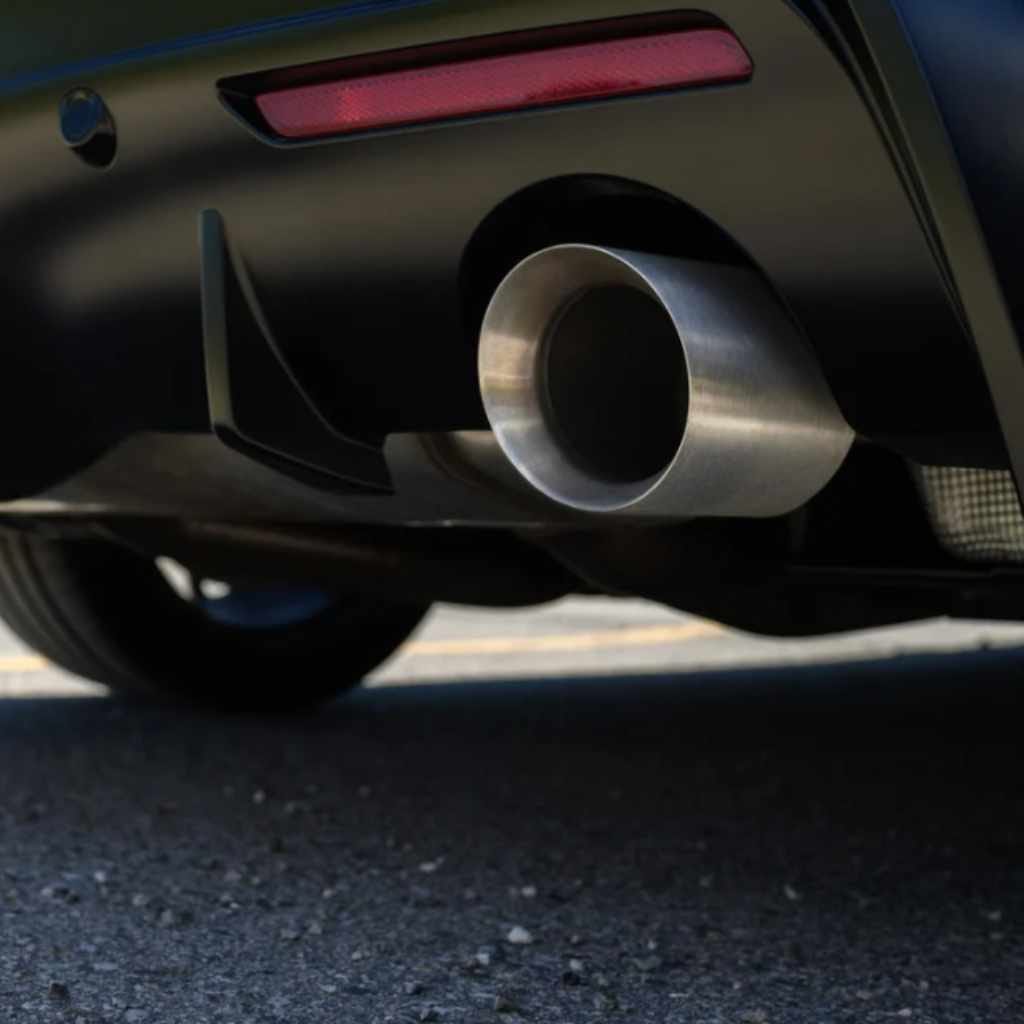
Exhaust Tips: These are the visible ends of your exhaust pipes. They don’t usually affect the sound much on their own, but sometimes they can be designed with internal features.

What Exactly Are Resonated Tips?
When people talk about “resonated tips,” they’re usually referring to exhaust tips that have a small, built-in muffler or a specially designed chamber within them. Think of them as a mini-resonator right at the end of your exhaust pipe.
So, does resonated tips sound loud? The answer is, not usually in the way you might think. Their main job isn’t to increase volume, but to refine the sound.
Here’s a breakdown of their purpose:
Reducing Rasp and Drone: The most common reason to choose resonated tips is to smooth out the exhaust note. When you modify your exhaust, you can sometimes get an unpleasant “rasp” (a tinny, high-pitched sound) or a “drone” (a persistent, low-frequency hum that can be annoying on the highway). Resonated tips are designed to cancel out these specific frequencies, leading to a cleaner, deeper sound.
Enhancing Tone: While not primarily for loudness, they can subtly shift the character of your exhaust note. Many find that resonated tips give the exhaust a deeper, more satisfying rumble without making it obnoxious.
Aesthetics: Let’s be honest, exhaust tips also play a big role in the look of your car! Resonated tips often come in stylish designs and finishes that can enhance your vehicle’s appearance.
The key thing to remember is that the loudness of your exhaust is mainly controlled by the muffler and the resonator (the larger component under your car, not the tip). The tip’s influence on overall volume is usually minimal.
How Do Resonated Tips Work?
The magic of a resonated tip lies in its internal design. Unlike a plain, open exhaust tip, a resonated tip contains internal baffling or a small chamber.
Imagine a sound wave traveling through your exhaust. When it hits the special design inside the resonated tip, some of that sound energy is reflected and canceled out. It’s a bit like how noise-canceling headphones work, but for your car’s exhaust.
Chamber Design: Some tips have a hollow chamber that resonates at a specific frequency. The sound waves from the engine bounce around inside this chamber, and certain frequencies interfere with each other, canceling out unwanted noise.
Baffle System: Others might have small internal plates (baffles) that disrupt the smooth flow of exhaust gas and sound waves. This disruption helps to break up and quiet down certain sound frequencies.
The effectiveness of a resonated tip depends on its specific design and how it’s tuned to cancel out particular sound waves. Manufacturers design them to address common exhaust sound issues.
Resonated Tips vs. Straight Pipes vs. Standard Tips
To really understand the impact of resonated tips, let’s compare them to other common exhaust tip setups.
Standard Exhaust Tips
These are your basic, no-frills exhaust tips. They are essentially just the open end of your exhaust pipe.
Sound: They don’t significantly alter the sound produced by your muffler and resonator. If your car has a loud muffler or no resonator, standard tips won’t make it quieter.
Volume: They add no backpressure and don’t attempt to cancel sound.
Appearance: They come in various shapes, sizes, and finishes (chrome, black, carbon fiber) to enhance the look of your car.
Straight-Through Tips (Often Misunderstood)
Sometimes, people confuse resonated tips with straight-through tips, or they might be looking into “muffler delete” pipes. These are very different.
Sound: Straight-through tips often have a perforated core that allows sound to pass through with minimal restriction. If combined with a muffler delete or a less restrictive muffler, this setup will generally be louder. They don’t cancel sound; they let it flow.
Volume: They are designed for maximum flow and minimal sound reduction.
Purpose: Primarily for those seeking a sportier, louder sound and potentially a slight performance gain by reducing exhaust restriction.
Resonated Exhaust Tips
As we’ve discussed, these have internal chambers or baffling.
Sound: They aim to refine the sound, reduce rasp and drone, and potentially deepen the tone. They are not designed to make your exhaust significantly louder.
Volume: They add a small amount of backpressure and sound dampening, but their effect on overall volume is usually very minor.
Purpose: To create a more pleasant, less aggressive exhaust note while maintaining a stylish appearance.
Here’s a table to help visualize the differences:
| Feature | Standard Tip | Straight-Through Tip | Resonated Tip |
|---|---|---|---|
| Internal Design | Open pipe | Perforated core, minimal restriction | Internal chamber or baffles |
| Sound Effect | None (relies on muffler/resonator) | Slightly louder, more aggressive flow | Refines tone, reduces rasp/drone |
| Volume Impact | Negligible | Minimal increase (if any) | Very slight decrease or no change |
| Primary Goal | Aesthetics | Aggressive sound, flow | Sound refinement, aesthetics |
Will Resonated Tips Make My Exhaust Louder? The Verdict
Based on their design and purpose, resonated tips do not typically make an exhaust system louder. In fact, in some cases, they might even make it slightly quieter by dampening certain frequencies.
If your primary goal is a louder exhaust, resonated tips are likely not the solution. You would typically look at removing or modifying the muffler or resonator (often called a “muffler delete” or “resonator delete”), or installing a performance exhaust system designed for increased volume.
However, if your car’s exhaust has an annoying rasp or a highway drone, resonated tips are an excellent way to smooth out the sound without drastically changing the volume or requiring major modifications. They can give you a more refined, deeper tone that many enthusiasts prefer.
Factors Affecting Exhaust Sound (Beyond Just the Tips)
It’s crucial to understand that exhaust tips are just one small part of your overall exhaust system. The real players in determining loudness and tone are:
1. The Muffler: This is the main silencer. A stock muffler is designed to be very quiet. Aftermarket mufflers range from quiet, slightly sportier options to race mufflers that are very loud.
2. The Resonator: This component specifically targets unwanted drone and rasp. Removing it often increases volume and can introduce new, sometimes unpleasant, sound characteristics.
3. Exhaust Pipe Diameter: Larger diameter pipes generally allow exhaust gases to flow more freely, which can lead to a slightly louder and deeper sound.
4. Engine Type and Size: A V8 will naturally sound different and often deeper than a 4-cylinder engine due to the number of cylinders and the firing order.
5. Material and Construction: The materials used in the exhaust system (like stainless steel vs. mild steel) and how the pipes are bent and welded can subtly affect the acoustics.
Resonated tips work in conjunction with your existing muffler and resonator. If you have a very quiet stock muffler and a functioning resonator, adding resonated tips will likely result in a very subtle change. If you have a performance muffler or have removed your resonator, resonated tips might have a slightly more noticeable effect on the tone, but still won’t be the primary driver of loudness.
When Would You Use Resonated Tips?
Resonated tips are a smart choice for specific situations aimed at sound quality rather than raw volume.
Taming Aftermarket Exhausts: If you installed an aftermarket muffler or removed your resonator and found the sound too raspy or droney, adding resonated tips can help mellow it out.
Achieving a Deeper Tone: Many owners of smaller displacement engines or certain V6/V8 cars find that resonated tips can help achieve a throatier, more mature exhaust note without making the car sound like it’s trying too hard.
Passing Emissions/Noise Tests: While not a substitute for a functioning catalytic converter or muffler, resonated tips can sometimes help slightly reduce the overall decibel reading by dampening peak sound frequencies, which can be useful in areas with strict noise regulations.
Improving Sound on Performance Cars: Even high-performance cars can sometimes suffer from an overly harsh or unrefined exhaust note at certain RPMs. Resonated tips can make the performance sound more enjoyable for daily driving.
What to Consider When Buying Resonated Tips
If you’ve decided resonated tips are for you, here are some things to keep in mind:
1. Diameter: Ensure the inlet diameter of the tip matches your exhaust pipe’s outer diameter or is slightly larger if you’re using a clamp-on style.
2. Length: Consider how much of the existing pipe you want the tip to cover.
3. Shape and Style: Do you want round, oval, square, or angled tips? What finish (chrome, black, carbon fiber)?
4. Brand Reputation: Look for reputable brands that specialize in exhaust components. They’ll often provide specifications about the sound characteristics.
5. Installation: Are they weld-on or clamp-on? Clamp-on are easier for DIYers, while weld-on offer a more permanent and secure fit. You can find excellent resources on exhaust installation best practices from reputable automotive repair sites. For example, AutoZone’s DIY section offers guides on exhaust work.
6. Reviews: Always check user reviews to see what others are saying about the sound and quality of specific resonated tips.
Installation Process (DIY Friendly)
Installing resonated tips can often be a straightforward DIY project, especially the clamp-on variety.
Tools You Might Need:
New resonated tips
Screwdriver or socket set for clamps
Wrench set (if welding or for securing clamps)
Gloves and safety glasses
Jack and jack stands (if needed to access under the car safely)
Wire brush (to clean the exhaust pipe)
Penetrating oil (if old clamps are stuck)
Possibly a hacksaw or grinder if you need to cut old tips off (less common for a simple tip swap)
Steps for Clamp-On Resonated Tips:
1. Safety First: Ensure your car is parked on a level surface. If you need to lift the car, use jack stands securely. Never rely solely on a jack.
2. Locate Current Tips: Identify the existing exhaust tips at the rear of your vehicle.
3. Clean the Area: Use a wire brush to clean the end of your existing exhaust pipe where the new tip will attach. This ensures a good seal and makes it easier to slide the new tip on.
4. Prepare New Tips: Loosen the clamps on the new resonated tips.
5. Slide On (or Overlap): Depending on the design, you’ll either slide the new tip over the existing pipe or slip it onto the pipe itself. Ensure it’s positioned correctly for the desired look.
6. Tighten Clamps: Once the tips are in the desired position, tighten the clamps securely. Make sure they are snug enough to hold the tips firmly but avoid overtightening, which can crush the pipes or clamps.
7. Check Alignment: Step back and visually check that both tips are straight and aligned properly. Make any necessary adjustments.
8. Test Drive: Go for a short drive and listen to the exhaust sound. Check for any rattling or leaks.
For Weld-On Tips: This process is more permanent and requires welding equipment and skills. If you’re not comfortable welding, it’s best to have a professional exhaust shop install them.
Frequently Asked Questions (FAQ)
Here are some common questions beginner car owners have about resonated tips:
Q1: Will resonated tips affect my car’s performance?
Generally, the impact of resonated tips on performance is negligible. They are designed primarily for sound modification. While any restriction can theoretically affect flow, the effect from resonated tips is so minimal that it’s unlikely to be noticeable in terms of horsepower or fuel efficiency.
Q2: Can I keep my factory muffler if I install resonated tips?
Yes, absolutely! Resonated tips are often installed onto factory exhaust systems. Their purpose is to modify the sound as it exits, working in tandem with your existing muffler and resonator. It’s a common and relatively simple upgrade.
Q3: How can I tell if my exhaust tips are already resonated?
The easiest way is to look at them. If they appear to be just the open end of the pipe, they are likely standard. If they look bulkier, have a seam around the middle where the tip meets the pipe, or you can see internal baffling if peeking inside, they might be resonated. Often, manufacturers will specify if a tip is resonated.
Q4: Are resonated tips legal?
In most places, resonated tips themselves are legal. The legality of exhaust systems usually pertains to overall noise levels and emissions. Since resonated tips are designed to refine sound rather than increase loudness, they are unlikely to cause legal issues caused by noise ordinance violations. Always check your local regulations regarding vehicle noise limits.
Q5: What’s the difference between a resonator and a resonated tip?
A resonator is a much larger chamber located typically under the middle or towards the rear of your car, as part of the main exhaust system. It’s designed to cancel out unpleasant drone frequencies. A resonated tip is a much smaller, tip-shaped component at the very end, with internal baffling that offers a similar but less powerful sound-filtering effect.
Q6: My car has an annoying drone. Will resonated tips fix it?
Resonated tips can help reduce or mitigate drone, especially if the drone is at higher frequencies or closer to the exit of the exhaust. However, the main component responsible for eliminating deep drone is the factory resonator (the larger unit under the car). If you have a significant drone issue, you might need to address the main resonator or pursue a more comprehensive exhaust solution.
Q7: Can I install resonated tips on a diesel truck?
Yes, you can install resonated tips on diesel trucks. The principles are the same: they will aim to refine the sound and reduce rasp, likely giving a deeper tone. However, diesel engines have a distinct sound profile, and the effect of resonated tips might be different compared to a gasoline engine. It’s always best to check reviews or examples from other diesel owners.
Conclusion: Tuning Your Sound Wisely
So, we’ve explored the world of exhaust tips and answered the burning question: Does resonated tips sound loud? The short answer is no, not in the way you might fear. Their true strength lies in their ability to polish your exhaust note, transforming a potentially harsh sound into something deeper, smoother, and more refined.
If you’re looking to subtly enhance your car’s auditory presence, reduce annoying highway drone, or simply give your ride a more sophisticated rumble without turning heads for the wrong reasons, resonated tips are an excellent choice.