Do Resonated Tips Make A Difference: Proven Impact
Yes, resonated exhaust tips can make a noticeable difference in exhaust sound by reducing drone and modifying the tone, often making it deeper and less raspy. While they don’t significantly boost performance, they offer a more refined and pleasing sound, especially for those sensitive to harsh exhaust notes. This guide explains their impact and how to choose the right one.
Ever notice how your car’s exhaust can sometimes sound a bit… much? Maybe it’s a loud rumble that’s exciting at first but gets annoying on long drives, or perhaps a sort of buzzing sound. If you’re looking for a way to adjust that sound without a full exhaust system overhaul, exhaust tips are often mentioned. But do they actually do anything besides look cool? Specifically, what about those “resonated” tips? It’s a common question for many car owners who want a better sound from their ride but aren’t sure where to start or if it’s even worth it. We’ll dive into what resonated tips are and how they can impact your car’s exhaust note, making it a more enjoyable sound for everyday driving.
What Are Resonated Exhaust Tips?
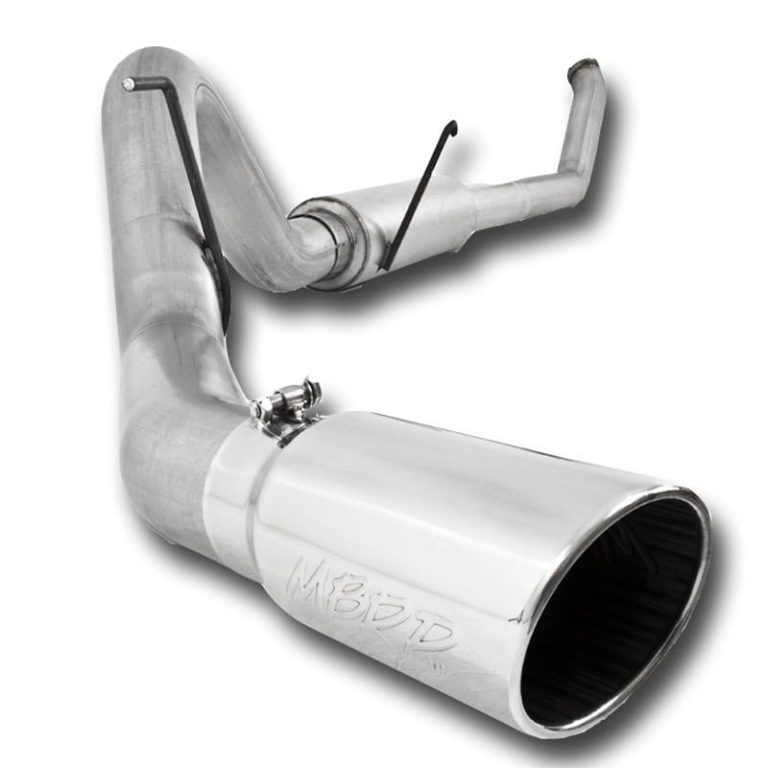
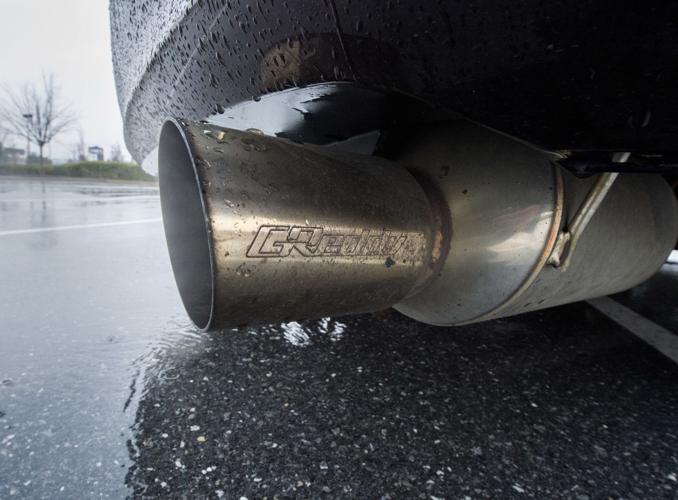
Let’s break down what “resonated” actually means in the context of exhaust tips. Think of a regular exhaust tip like an open pipe. It lets the sound wave from your engine travel pretty much as-is out the back. A resonated tip, on the other hand, has a bit of internal magic happening.
Inside a resonated tip, there’s a chamber or a series of baffles. These are like small, strategically placed obstacles or empty spaces designed to interact with the sound waves coming from your engine. When the exhaust gases and their associated sound waves hit these chambers or baffles, something interesting happens. The sound waves are reflected, cancelled out, or altered in frequency.
This process aims to:
- Reduce Drone: This is that constant, low-frequency humming or buzzing sound that can be really fatiguing on highways.
- Tame Harsh Frequencies: Sometimes, exhaust notes can be a bit too raspy or high-pitched, which some people find unpleasant. Resonators can smooth these out.
- Deepen the Tone: By altering the sound waves, resonated tips can sometimes make the exhaust note sound fuller or deeper.
It’s important to understand that these tips are a very subtle modification. They won’t magically turn your four-cylinder into a V8 monster in terms of volume or power. Their primary job is to fine-tune the quality of the sound coming out, making it more pleasant for the driver and passengers.

How Resonated Tips Work: The Science of Sound Quieting
The “resonance” in resonated tips refers to how they manipulate sound waves. It’s not about adding more muffling material like a traditional muffler, but about using the physics of sound reflection and cancellation. Imagine throwing a pebble into a pond; it creates ripples. Sound waves are similar, and by introducing specific shapes and volumes within the tip, we can make these “ripples” interact with each other.
Two main principles are at play:
- Reflection: Sound waves bounce off surfaces. In a resonated tip, these reflections are carefully angled to bounce back into the main flow of exhaust gases.
- Destructive Interference: When two waves meet, they can either add up (constructive interference) or cancel each other out (destructive interference). Resonators are designed to create conditions where certain sound frequencies, particularly the droning ones, are met by opposing sound waves, effectively cancelling them out.
Many resonated tips use a design similar to a Helmholtz resonator. This is essentially a cavity connected to the main exhaust pipe through a small opening. The air within the cavity vibrates at a specific frequency when sound waves pass through the opening. If the drone frequency matches the cavity’s resonant frequency, it absorbs and dissipates that specific sound energy. Think of it like a tuning fork that vibrates when it hears its specific note – in this case, vibrating to cancel out unwanted noise!
This is why you won’t find generic “one size fits all” sound fixes. The effectiveness of a resonated tip can depend on the engine’s specific frequencies and the tip’s design. However, for most passenger cars, they offer a noticeable softening of the most bothersome exhaust sounds.
You can learn more about how mufflers and resonators work on the Engineering Toolbox, which delves into the technical aspects of acoustics in exhaust systems.
Do Resonated Tips Make A Difference: Proven Impact
So, to get straight to the point: do resonated tips make a difference? In short, yes, they do. The impact is primarily on the quality and character of the exhaust sound, rather than its overall volume or your car’s performance.
Here’s a breakdown of the proven impacts:
Sound Modification:
- Reduced Drone: This is the most commonly cited and noticeable effect. If your car has an annoying highway drone, resonated tips can significantly quiet it down, making long trips more comfortable.
- Smoother Tone: They tend to filter out some of the harsher, raspier high-frequency sounds, leading to a deeper, more mellow exhaust note.
- Subtle Volume Reduction: While not a primary function, the sound wave manipulation can lead to a slight decrease in overall decibels, making the exhaust sound less aggressive.
Performance:
This is where the impact is minimal to non-existent for most daily drivers. Resonated tips are designed for sound, not for increasing horsepower or torque. They don’t significantly alter exhaust flow dynamics in a way that would boost performance.
Important Note: For those chasing every last bit of power, a resonated tip might introduce a tiny bit of backpressure. However, for a typical street car and a mild resonated tip, this effect is negligible – often less than 1 horsepower. If you have a highly tuned race car, you might opt for straight-through tips or a full performance exhaust system designed for maximum flow.
Aesthetics:
While not directly related to their resonating function, exhaust tips are a popular aesthetic upgrade. Resonated tips come in various shapes, sizes, and finishes (chrome, black, carbon fiber) and can significantly improve the rear-end look of your vehicle. The sound they provide is an added bonus to the visual enhancement.
Resonated Tips vs. Standard Tips: A Clear Comparison
To fully understand the difference, let’s compare resonated tips with standard, non-resonated tips. It’s like comparing a simple pipe to one with a built-in sound filter.
| Feature | Standard (Non-Resonated) Tip | Resonated Tip |
|---|---|---|
| Primary Function | Aesthetics; slight alteration of exiting sound. | Sound modification (reduce drone, smoother tone) plus aesthetics. |
| Internal Design | Typically a hollow tube. | Contains internal chambers, baffles, or sound-absorbing structures. |
| Sound Impact | Lets exhaust sound pass through with minimal alteration; can sometimes amplify drone. | Reduces drone frequencies, can deepen tone, slightly softens harsh notes. |
| Performance Impact | Negligible. | Negligible to very minor potential flow restriction. |
| Installation | Usually clamped or welded. | Usually clamped or welded. |
| Cost | Generally less expensive. | Often slightly more expensive due to internal complexity. |
| Ideal For | Quieter cars needing a visual touch-up; those who don’t mind the stock sound. | Cars with noticeable drone; drivers seeking a more refined exhaust note. |
When is a Resonated Tip the Right Choice?
- You’re experiencing annoying exhaust drone, especially at highway speeds.
- You want a slightly deeper, less raspy exhaust note without making it excessively loud.
- You’re looking for an exhaust upgrade primarily for sound refinement and appearance.
- You want a noticeable change in exhaust character without installing a full, expensive aftermarket exhaust system.
Types of Resonated Tips and Their Design
Resonated tips aren’t all built the same. While the core principle of using internal chambers is constant, the specific design can vary:
Chambered Resonators:
These are the most common type. They feature one or more internal chambers designed to resonate at specific frequencies. The size and shape of these chambers are key to their effectiveness. Some might have a single, larger chamber, while others have multiple smaller ones.
Perforated Tube Resonators:
In some designs, a perforated tube (a tube with many small holes) is placed inside the main tip. The exhaust gases flow through the perforations, and the space between the perforated tube and the outer tip acts as a resonance chamber. This design helps break up sound waves and absorb certain frequencies.
Baffled Resonators:
These tips have internal baffles or plates that the exhaust gases must navigate. These baffles redirect the sound waves, causing them to collide and cancel each other out, much like a mini-muffler within the tip.
Helmholtz Resonators (Less Common in Tips, More in Systems):
While more typically found in larger resonator boxes within the exhaust system, some advanced tip designs might incorporate principles of Helmholtz resonance – a cavity connected by a narrow neck, designed to absorb specific sound frequencies. These are highly effective for targeting particular drone frequencies.
Material Matters:
The material of the tip can also play a small role. Stainless steel is common for its durability and resistance to corrosion. Some high-end tips might use titanium or carbon fiber for weight savings and aesthetics, though this usually doesn’t significantly alter sound characteristics beyond what the internal design dictates.
Pros and Cons of Resonated Exhaust Tips
Like any automotive modification, resonated tips have their upsides and downsides. Understanding these will help you decide if they’re the right choice for your vehicle and your preferences.
Pros:
- Sound Refinement: Significantly reduces or eliminates annoying exhaust drone and can smooth out raspy notes.
- Deeper Tone: Can provide a more satisfying, deeper exhaust note.
- Improved Comfort: Makes driving more pleasant, especially on long journeys.
- Cost-Effective Upgrade: A more affordable alternative to a full exhaust system for sound modification.
- Easy Installation: Can often be clamped on, requiring minimal tools and expertise.
- Aesthetic Enhancement: Available in various styles to improve the look of your car’s rear.
Cons:
- Minimal Performance Gain: Do not expect any significant increase in horsepower or torque.
- Not for Everyone: If you love a loud, aggressive exhaust, these might mute it too much.
- Limited Customization: The sound modification is specific; you can’t infinitely tune it like with a full variable exhaust system.
- Potential for Incorrect Fitment: Choosing the wrong size or style can lead to poor sound, or even leaks if not installed properly.
- Can Still be Too Loud/Quiet: Effectiveness varies by vehicle and tip design; some may find the result isn’t exactly what they wanted.
Installation: A Beginner’s Guide
Installing resonated exhaust tips is usually a straightforward process, making it a great DIY project for beginners. Most aftermarket tips are designed to clamp onto your existing exhaust pipe. Always ensure you have the correct size tip for your vehicle’s exhaust outlet.
Tools You’ll Likely Need:
- New resonated exhaust tip(s)
- Socket wrench set (or adjustable wrench)
- Screwdriver (usually Phillips or flathead, depending on clamp type)
- Rust penetrant spray (optional, but helpful for stubborn clamps)
- Measuring tape (to confirm existing pipe size)
- Gloves and safety glasses
Step-by-Step Installation:
- Safety First: Ensure your car is parked on a level surface. Engage the parking brake. If the exhaust system is hot, wait for it to cool down completely. Never work under a car supported only by a jack; use jack stands if you need to lift the rear end.
- Locate Existing Tip: Identify the current exhaust tip at the rear of your vehicle.
- Clean the Area: Wipe down the existing exhaust pipe where the new tip will attach. Remove any dirt or rust.
- Loosen the Clamp: If your current tip is clamped, use your socket wrench to loosen the clamp bolt. If it’s welded, you might need to cut it off (this is less common for simple tips and more for replacing a whole section).
- Remove Old Tip (if applicable): Gently wiggle and pull off the old tip. It might be stuck; a gentle tap with a rubber mallet can sometimes help.
- Position the New Tip: Slide the new resonated tip onto the exhaust pipe. Ensure it’s aligned correctly and positioned to your desired depth. Don’t overtighten the clamp yet.
- Tighten the Clamp: Use your wrench to tighten the clamp bolt securely. Go around the clamp evenly to avoid stressing one side. Make sure the tip feels firm and doesn’t move easily.
- Check Alignment: Step back and check the alignment from different angles. Adjust the position and re-tighten if necessary.
- Test: Start your car and let it idle. Listen for any leaks around the clamp. Rev the engine gently and listen to the new sound.
For more detailed visual guidance, resources like YouTube tutorials can be incredibly helpful for seeing the process in action.
Choosing the Right Resonated Tip for Your Vehicle
Selecting the perfect resonated tip involves a few key considerations. It’s not just about picking the prettiest one; it’s about finding one that complements your car and your audio preferences.
1. Diameter:
Measure the outer diameter of your existing exhaust pipe where the tip will attach. Resonated tips are usually designed to fit specific pipe diameters. Ensure the inner diameter of the tip’s inlet matches your exhaust pipe’s outer diameter, or is slightly larger to accommodate a clamp.
2. Length:
Consider how much of the exhaust pipe you want the tip to cover, and how far you want it to extend beyond the bumper. Some prefer a flush look, while others like a more pronounced tip.
3. Style and Finish:
Resonated tips come in various styles:
- Rolled Edge: The edge of the tip is rolled for a smooth, finished look.
- Straight Cut: A clean, crisp edge.
- Angle Cut: The tip is cut at an angle, often to follow the bumper line.
Finishes include polished stainless steel, matte black, carbon fiber wrap, and more. Choose a finish that matches or enhances your car’s overall aesthetic.
4. Resonator Design:
While most resonated tips aim to reduce drone, some designs might be more effective than others. Reading reviews can help. Look for comments from people with similar vehicles or those who specifically mention drone reduction or sound quality improvement.
5. Brand Reputation and Reviews:
Stick to reputable brands known for quality exhaust components. Look at customer reviews for insights into sound quality, durability, and ease of installation. Many online auto parts retailers offer extensive review sections.
Remember, sound is subjective. What one person finds perfect, another might find too quiet or too boomy. If possible, try to find videos or audio clips of the specific tip installed on a similar car to yours.

Frequently Asked Questions (FAQ)
Q1: Will resonated tips increase my car’s horsepower?
A: No, resonated tips are designed for sound modification, not performance gains. They have a minimal, if any, impact on horsepower. For performance increases, you’d need to look at more significant upgrades like performance exhaust systems or engine tuning.
Q2: Are resonated tips legal?
A: In most regions, resonated tips are legal as they are often used to reduce noise or alter frequency. However, local noise ordinances can vary significantly. It’s always a good idea to check your local regulations regarding exhaust noise levels and modifications.