How Much Does a Straight Pipe Cost?
A straight-pipe exhaust job is commonly reported to cost about $300 to $1,200 for custom fabrication, with lower costs for a basic section replacement and higher costs for stainless, turbo cars, or sensor work. Bad quotes usually mean extra welds, drone, check-engine lights, or a failed inspection. This guide breaks down parts, labor, vehicle factors, and the price differences shops put into straight-pipe estimates.
Costs vary by vehicle type

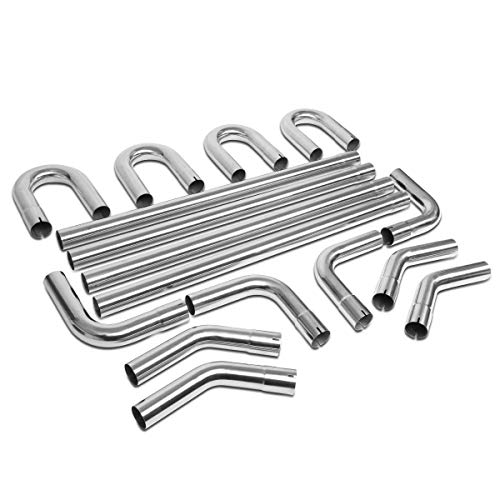

The quote changes with the job scope. A cat-back swap is often the least expensive of the common exhaust changes because it starts after the catalytic converter. An axle-back job is narrower still. A full straight pipe often has the widest price spread because it can involve pipe bends, hanger work, and emissions-related parts removal or retention.
Typical installed price ranges
For a straightforward section replacement, a shop may quote the low end when the pipe is easy to reach, the hangers can be reused, and the joints line up cleanly. The price climbs when the system needs custom bends, stainless material, rusted fastener removal, or extra welding around sensors and flanges.
As a practical rule, the quote often breaks into three buckets. Low means a short repair or simple weld-in section. Typical means a custom pipe section with normal labor. High means corrosion, tight packaging, sensor work, or a full custom exhaust path.
| Vehicle type | Low total | Typical total | High total |
|---|---|---|---|
| Car | $180 | $450 | $900 |
| Truck | $250 | $600 | $1,200 |
| Performance build | $350 | $850 | $1,800 |
Car, truck, and performance-build differences
A compact car usually needs less tubing and shorter labor time than a truck. A truck often needs more pipe length, larger diameter tubing, and more hanger work because the exhaust takes a longer route. A turbo or performance car can cost more because the downpipe area is tighter and the sensor layout is less forgiving.
Pipe material matters. Mild steel is usually the lower-cost option. Stainless raises the bill because the material costs more and the fabrication process can take longer. Mandrel-bent sections also cost more than simple crush-bent or custom-cut pieces, especially when the shop has to build around factory routing rather than bolt on a preformed part.
What changes a quote from low to high
Local labor rates, emissions equipment, and rust drive the spread. Two shops can quote very different totals for the same car if one shop cuts and welds a short section while the other replaces flanges, hangers, and sensor bungs. That is why a straight pipe quote is not one fixed number.
The same pricing problem shows up in other quote-based jobs too. Steam shower costs range from $2,650 to $6,050, with an average cost of $4,325. A 10-foot section of pipe and drape might rent for approximately $100 to $200, while an 80 to 100 linear foot setup could cost $800 to $2,000 or more. Pipe and drape is measured in linear feet rather than square feet, common heights include 3 to 4 feet, and eight feet is one of the most common heights. Those examples are unrelated, but they show the same pattern: scope changes the price.
What is included in a straight pipe quote?
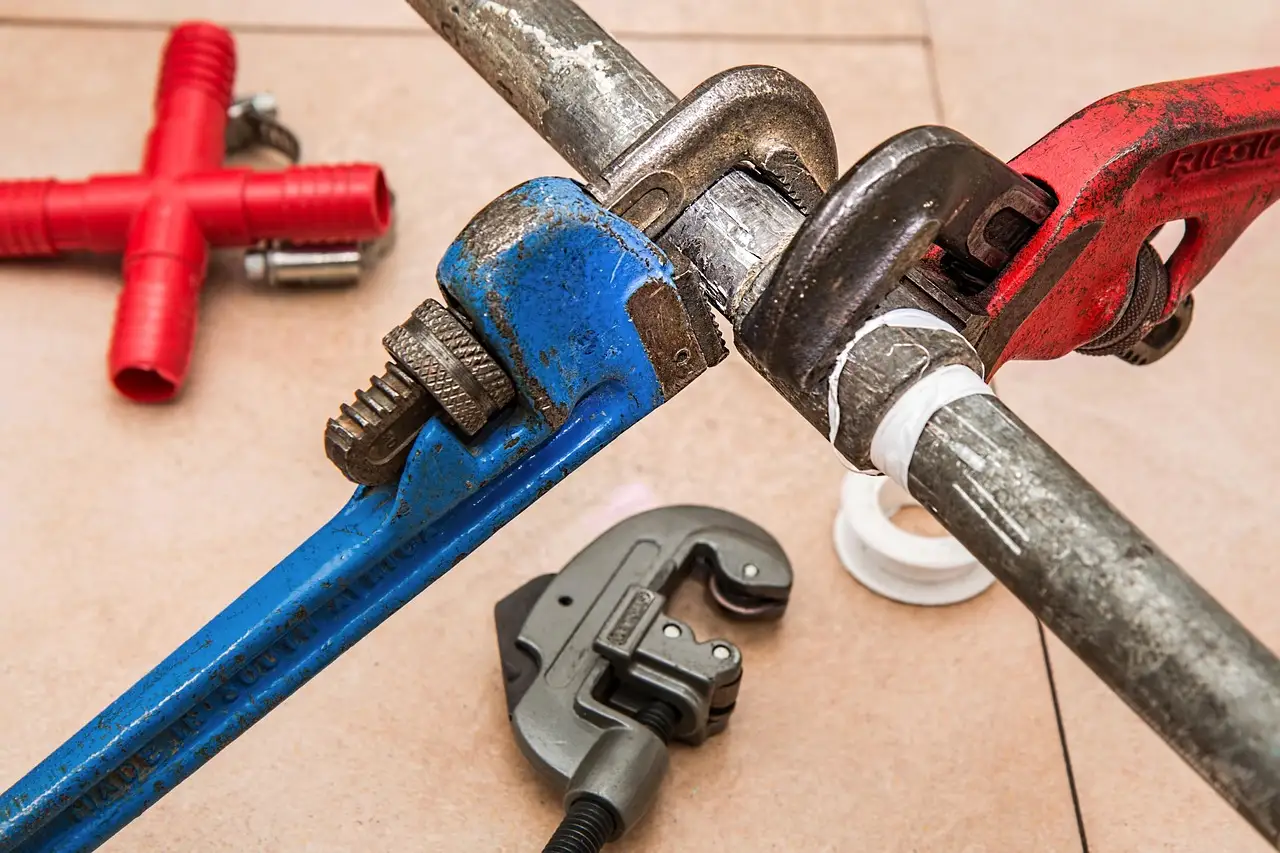
A real quote should separate pipe length, bends, hangers, hardware, and labor. If a shop only gives a single number, ask what material it includes, whether the work is welded or clamp-on, and whether emissions parts stay in place. That is the difference between a clean estimate and a surprise invoice.
Pipe length and diameter
Longer runs need more material and more labor, so pipe length changes cost directly. Diameter matters because larger tubing is pricier and can require different hangers, clamps, and reducers. A small car with a short single exhaust generally costs less than a truck with a longer dual setup.
Mandrel-bent versus custom-fabricated sections
Mandrel-bent sections usually cost more than simple straight sections because they keep flow through bends and often need better fitment. Custom-fabricated sections cost more still when the shop must cut, clock, tack, and rework the pipe to clear the floorpan, axle, fuel tank, or differential.
Hangers, clamps, gaskets, and flanges
Small hardware items add up. Rubber hangers, clamps, gaskets, and replacement flanges are common line items, especially when the original parts are rusted or crushed. O2 bung welding can also appear on the quote if a sensor needs to move or if the replacement pipe needs a new threaded bung.
- Ask whether the quote includes pipe, bends, and welding.
- Confirm whether hangers and hardware are reused or replaced.
- Check whether the catalytic converter and resonator stay on the car.
- Ask if rust repair or seized fastener removal is included.
- Confirm whether the shop is quoting clamp-on work or welded work.
Why labor changes the price
Labor often costs more than the steel itself. A shop charges for cutting, welding, fitting, alignment, and cleanup. If the pipe sits near heat shields, suspension parts, or sensors, the job takes longer and the quote rises. Local labor rates vary enough that the same car can get very different estimates from different towns.
Shop hourly rates
Exhaust shop labor is commonly billed by the hour or by flat-rate job. The rate depends on location, shop specialization, and how much fabrication the work needs. A general repair shop may quote less for a simple weld-in repair, while a fabrication-focused shop may charge more but include tighter fitment and cleaner welding.
Cutting, welding, and alignment time
Alignment time matters because an exhaust that hangs crooked can rattle, leak, or hit the body. The shop may need to cut the old pipe, tack in the new section, adjust hanger position, and then recheck clearances. That can add time even when the pipe itself is inexpensive.
Rust repair and seized fasteners
Rust can double the pain of an otherwise simple job. If bolts snap, flanges crumble, or pipe walls thin out around the clamp area, the shop may need extra fabrication or section replacement. That is one reason a broken exhaust pipe can cost much more to fix than the parts list suggests.
Say your sedan needs a 2-foot section replaced ahead of the rear axle, but the flange bolts are heavily corroded. The pipe itself is not the expensive part; the extra time to free the fasteners, cut the old section, and weld new hardware is what pushes the bill up.
Does vehicle type change the cost?
Yes. Vehicle layout changes how much pipe must be cut and replaced, where the welds land, and how hard it is to fit the new section. Sedans, trucks, turbo cars, single exhaust systems, and dual exhaust systems all create different labor and material needs, so the same work can price very differently.
Sedan versus truck packaging
Sedans usually have tighter floor clearance and shorter exhaust routes. Trucks often have more room underbody, but they also tend to use longer tubing and more hanger points. That longer route can raise both material cost and labor time.
Single exhaust versus dual exhaust systems
A single exhaust is simpler because there are fewer branches, fewer hangers, and less pipe to fabricate. Dual exhaust systems usually cost more because the work may need to be matched side to side, with two paths, more hardware, and more alignment time.
Turbo and downpipe clearance issues
Turbo cars can cost more because the exhaust starts close to the turbocharger and catalyst, where heat and packaging are tighter. The shop may need to keep sensors in place, preserve clearance from nearby components, and avoid creating a drone-heavy system that fails inspection or trips a check-engine light.
Picture a full-size truck with a rusted intermediate pipe and a missing hanger near the rear axle. The job can turn into a repair-plus-fabrication quote because the new pipe has to be supported correctly, not just welded in place.
Muffler delete versus straight pipe
A muffler delete usually costs less than a full straight pipe because it removes one component instead of replacing a larger section of the exhaust. It still changes sound a lot. A straight pipe goes further, often removing more restriction and more noise control, which raises legality risk and may increase drone inside the cabin.
Price difference
Because a muffler delete uses less pipe and less fabrication, it often lands on the lower end of the bill. A full straight pipe may need more tubing, more welds, and more attention to hangers and sensor placement. If the catalytic converter stays in place, the price and risk can stay lower than a full delete setup.
Sound and drone impact
A muffler delete tends to increase volume, but a straight pipe usually increases volume and drone more noticeably because there is less sound control left in the system. Resonator delete pricing sits between the two in many cases, because it removes a drone-control component without always changing the whole rear section.
Inspection and legality tradeoffs
Removing the catalytic converter is where legal risk rises fast. Many inspections check for catalyst presence, and the missing converter can trigger a check-engine light or an outright fail. Resonator removal is usually less severe from an emissions standpoint, but local noise ordinances can still matter.
Straight pipe quote worksheet
Use this worksheet to compare shop quotes line by line. It helps you see whether a quote is really for a simple section replacement, a custom fabrication job, or a rust repair that includes hardware and emissions work.
| Line item | Car low | Car typical | Truck typical | Performance high |
|---|---|---|---|---|
| Pipe and tubing | $40 | $90 | $140 | $220 |
| Pipe length | 3 ft | 5 ft | 7 ft | 8 ft |
| Bends | 0-1 | 1-2 | 2-3 | 3-4 |
| Hangers | $10 | $20 | $30 | $45 |
| Clamps and gaskets | $15 | $25 | $35 | $50 |
| Welding hours | 1.0 | 1.5 | 2.0 | 3.0 |
| Rust diagnosis | $0 | $40 | $60 | $100 |
| Emissions equipment | kept | kept | kept | removed or relocated |
| Estimated labor | $75 | $180 | $260 | $480 |
| Total | $140 | $355 | $525 | $895 |
For a car, a low quote usually means a short weld-in section with little corrosion. A typical truck quote often includes more tubing, more labor, and more hanger work. A high-performance quote usually reflects tighter packaging, more welding, and more emissions-related complexity.
Keep the worksheet focused on the line items that matter: pipe length, bends, hangers, hardware, labor hours, rust damage, and whether the catalytic converter and resonator remain. That is how a shop builds the price before it writes the invoice.
Broken exhaust pipe: repair or replace?
A broken exhaust section is often cheaper to repair if the damage is isolated and the surrounding pipe is still solid. Full replacement makes more sense when rust has spread, the flange is damaged, or the break is near a sensor or hanger that will fail again soon. Catalyst and resonator decisions change both cost and legality.
When a section repair is cheaper
If only one section has split or rotted through, a weld-in repair can keep the bill down. This works best when the remaining pipe has enough clean metal for welding and the hangers are intact. The shop can cut out the bad section and install a replacement without touching the rest of the system.
When full replacement makes more sense
If rust has spread across multiple joints, a repair may just delay the next failure. Full replacement can cost more up front, but it may save money if the old pipe would need repeated patching. That is especially true on older vehicles with corroded clamps and thin flanges.
Catalytic converter and resonator decisions
Keeping the catalytic converter usually reduces legal risk and check-engine-light problems. Removing it can create inspection trouble and may be illegal for street use. A resonator delete usually lowers cost a bit and raises sound, but it is not the same as a full straight pipe.
Frequently asked questions
How much should a straight pipe cost?
A straight pipe should usually cost somewhere in the $150 to $1,200 range depending on whether you need a short repair, a custom-fabricated section, or a full system change. The final quote depends on vehicle type, material, labor rate, rust, and whether emissions parts stay in place.
How much does a straight pipe cost on a car?
On a car, a basic straight-pipe section often lands on the lower end because the pipe run is shorter and the job may need fewer bends. Custom work, stainless tubing, or sensor relocation can push the quote much higher, especially if the car has tight underbody packaging.
How much does a straight pipe cost on a truck?
On a truck, expect a higher bill than on a small car because the pipe run is longer and the exhaust often needs more hanger work. A truck with rusted hardware, dual exhaust, or custom routing can move from a modest repair to a four-figure fabrication job quickly.
How much does a straight pipe exhaust cost?
A straight-pipe exhaust cost usually reflects parts plus labor, not just tubing. A shop quote should include pipe, bends, welding time, hangers, and any rust repair. If the catalytic converter or resonator is removed, the price and legal risk both rise.
How much does a straight pipe cost nearby?
Nearby pricing depends on local labor rates, shop workload, and whether the area has strict inspection rules. Two shops a few miles apart can quote very different totals for the same car. The best comparison is an itemized estimate that separates materials, labor, and emissions work.
How much does a broken exhaust pipe cost to fix?
A broken exhaust pipe often costs less to fix than a full straight-pipe conversion if the damage is limited to one section. If rust has spread, the repair can climb because the shop may need to replace more pipe, remove seized fasteners, or rebuild hangers and flanges.