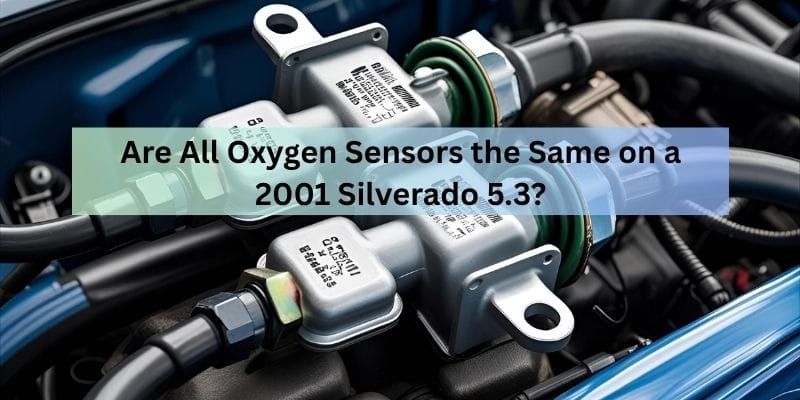
Are All Oxygen Sensors the Same on a 2001 Silverado 5.3?
Hey there! If you’re wondering, “Are all oxygen sensors the same on a 2001 Silverado 5.3?” you’re not alone. I’ve been down this road myself, tinkering with my truck and learning the ins and outs of its oxygen sensors. The short answer? No, they’re not all the same. Let me walk you through everything I’ve discovered to help you understand why and how to pick the right ones for your 2001 Silverado 5.3.
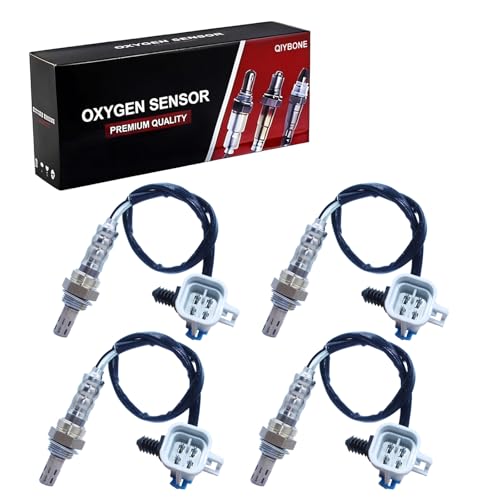
QIYBONE
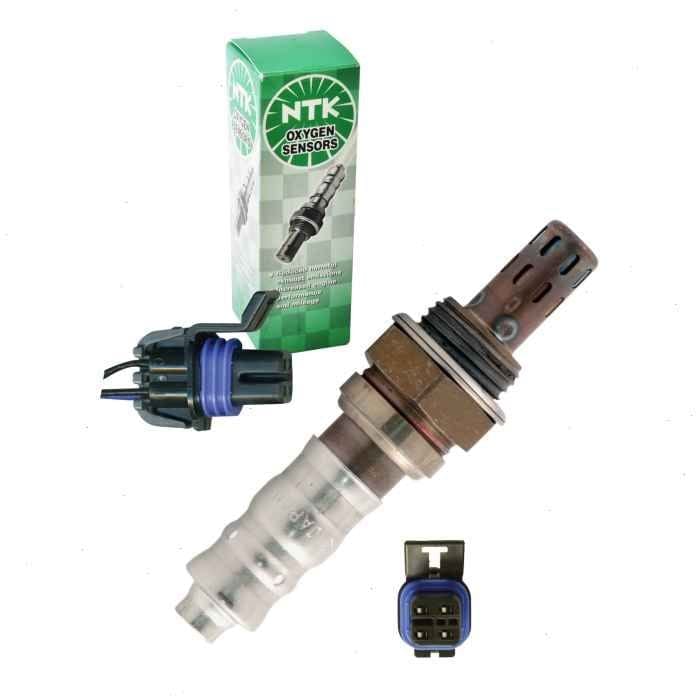
4PCS Oxygen O2 Sensor Upstream Downstream 234-4668…
- 【Vehicle Fitment】Chevy/Chevrolet Silverado 1500 5.3L 2003-2005, Tahoe 5.3L 2003-2005, Avalanche 1500 5.3L 2003-2005, Suburban 1500…
- 【Reference Number】Part Number or OE Number: Oxygen O2 Sensor Upstream Downstream: 234-4668, 15284, 21546, SG1857, 8125731670, 1258…
- 【Product Features】Our oxygen sensors are made of stainless steel and high temperature resistant materials, double protection with…
As an Amazon Associate I earn from qualifying purchases.
What Are Oxygen Sensors and Why Do They Matter?
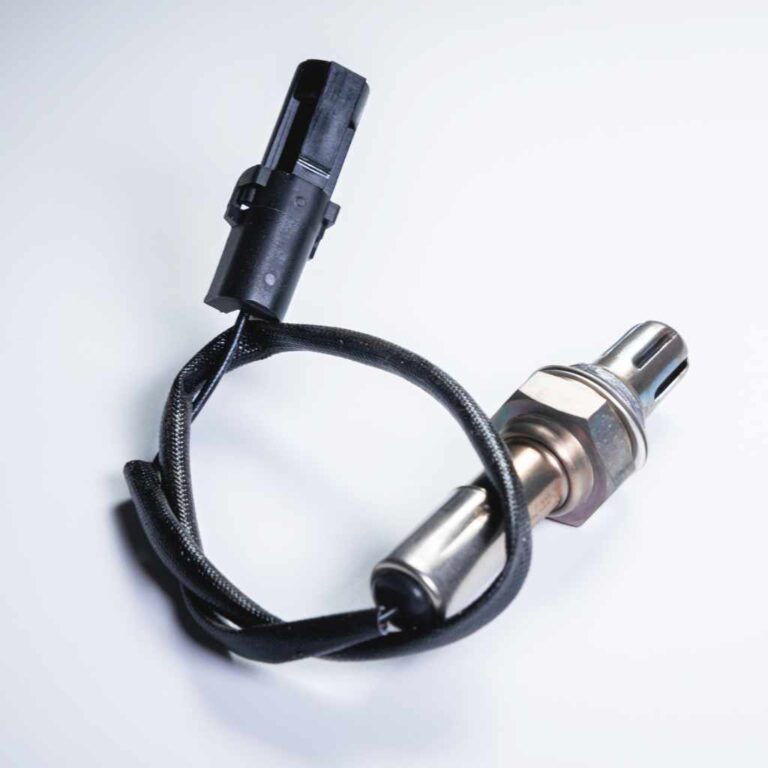
Let’s start with the basics. Oxygen sensors, often called O2 sensors, are small devices in your truck’s exhaust system. They measure the amount of oxygen in the exhaust gases. This information goes to your truck’s computer, the ECU, to adjust the air-fuel mixture. A good mix means better fuel economy, lower emissions, and smoother performance. For a 2001 Silverado 5.3, these sensors are critical because they keep that V8 engine running efficiently.
When I first worked on my Silverado, I didn’t realize how much these little sensors did. A bad O2 sensor can cause rough idling, poor gas mileage, or even a check engine light. Ignoring them can hurt your engine over time. So, understanding their role is the first step to knowing why not all sensors are the same.
How Many Oxygen Sensors Does a 2001 Silverado 5.3 Have?
Your 2001 Silverado 5.3 typically has four oxygen sensors. Two are located before the catalytic converters (upstream sensors), and two are after them (downstream sensors). The upstream sensors monitor the air-fuel ratio coming out of the engine. The downstream ones check how well the catalytic converters are working.
Here’s a quick breakdown of their positions:
| Sensor Position | Location | Purpose |
|---|---|---|
| Upstream (Bank 1, Sensor 1) | Before catalytic converter, driver’s side | Monitors air-fuel mix for engine performance |
| Upstream (Bank 2, Sensor 1) | Before catalytic converter, passenger’s side | Same as above, for the other bank of cylinders |
| Downstream (Bank 1, Sensor 2) | After catalytic converter, driver’s side | Checks catalytic converter efficiency |
| Downstream (Bank 2, Sensor 2) | After catalytic stubs | Same as above, for the other converter |
I remember crawling under my truck to locate these. It’s not too hard once you know where to look, but each sensor has a specific job, which is why they’re not interchangeable.
Are All Oxygen Sensors Identical on This Truck?
Here’s where things get interesting. No, not all oxygen sensors on a 2001 Silverado 5.3 are the same. The upstream and downstream sensors have different designs and functions. Upstream sensors are more sensitive because they directly affect how the engine runs. Downstream sensors focus on emissions and catalytic converter performance.
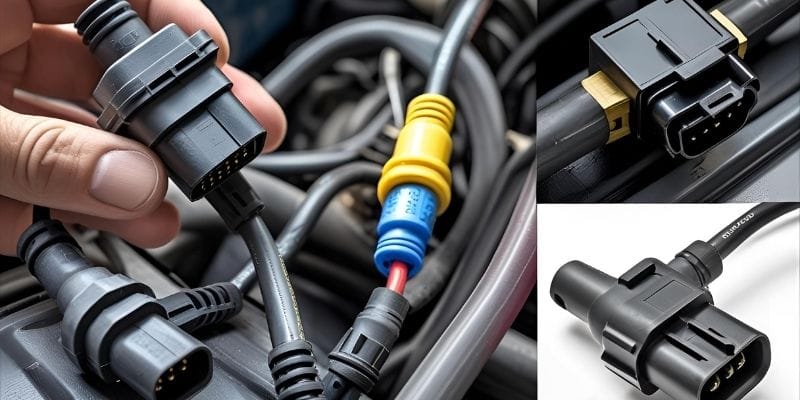
When I replaced one on my Silverado, I learned the hard way that using the wrong sensor caused my check engine light to stay on. The upstream sensors on a 2001 Silverado 5.3 usually have a different connector or wiring length compared to the downstream ones. Plus, the threading and fitment can vary slightly. Always check the part number for your specific sensor position.
What Types of Oxygen Sensors Are Used?
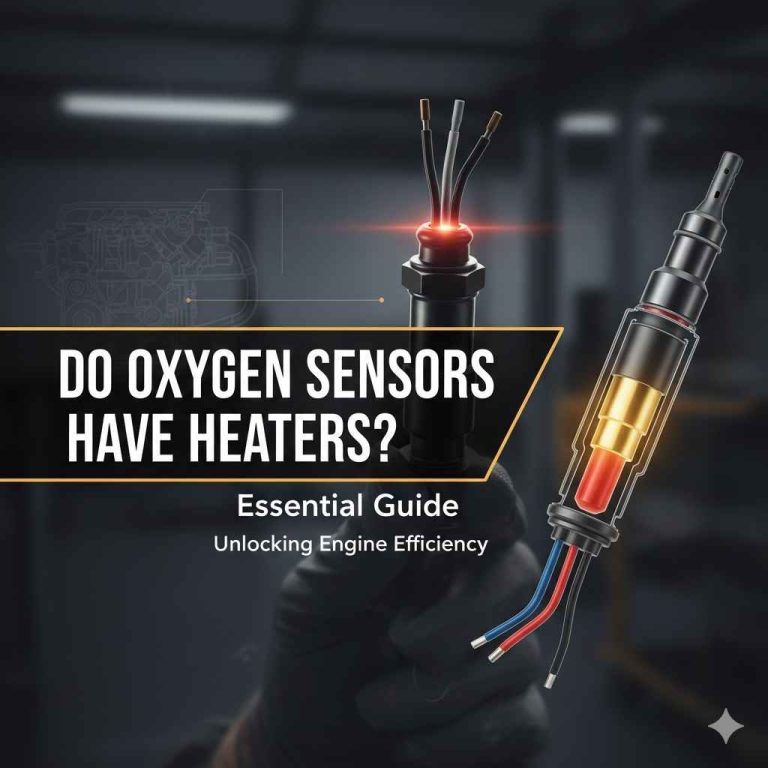
The 2001 Silverado 5.3 uses heated oxygen sensors (HO2S). These have a built-in heater to warm up quickly, which helps the engine reach optimal performance faster. There are two main types you’ll find:
- Zirconia Sensors: These are common in the Silverado. They generate a voltage based on oxygen levels.
- Wideband Sensors: Less common in older trucks like the 2001 model, but some aftermarket upgrades use them for better precision.
When I upgraded my sensors, I stuck with zirconia because they’re OEM-style and reliable for my truck. Wideband sensors are great for performance builds, but they’re not necessary for most daily drivers.
How Do I Choose the Right Oxygen Sensor?
Picking the right O2 sensor for your 2001 Silverado 5.3 can feel overwhelming. I’ve been there, staring at a wall of parts at the auto store. Here’s what I learned to make it easier:
- Check the Part Number: Each sensor has a specific part number. For example, ACDelco or Bosch part numbers are often listed for upstream or downstream sensors.
- Match the Position: Upstream and downstream sensors aren’t interchangeable. Make sure you’re buying the right one for the job.
- Go for OEM or Trusted Brands: I’ve had great luck with ACDelco, Denso, or Bosch. Cheap knockoffs can fail quickly.
- Verify Compatibility: Some sensors are universal, but I avoid them. They often require splicing wires, which can be a hassle.
Pro tip: Write down your truck’s VIN when shopping. It helps ensure you get the exact match for your 2001 Silverado 5.3.
Can I Use Universal Oxygen Sensors?
You might be tempted to save a few bucks with a universal O2 sensor. I tried this once, thinking it’d be a quick fix. Big mistake. Universal sensors often require cutting and splicing wires to fit your truck’s connector. This can lead to poor connections or even damage to your Silverado’s wiring.
For a 2001 Silverado 5.3, I recommend direct-fit sensors. They plug right in, no fuss. They’re a bit pricier, but the time and headache you save are worth it. Trust me, I learned this after spending an extra hour under my truck trying to make a universal sensor work.
How Do I Know If My Oxygen Sensors Are Bad?
When an O2 sensor starts failing, your 2001 Silverado 5.3 will let you know. Here are some signs I’ve noticed on my truck:
- Check Engine Light: This is the most common clue. A code like P0135 or P0141 usually points to an O2 sensor issue.
- Poor Gas Mileage: If your truck’s guzzling more fuel than usual, a bad sensor could be messing with the air-fuel mix.
- Rough Idling or Stalling: My Silverado started acting sluggish at stoplights when one sensor went bad.
- Failed Emissions Test: Downstream sensors often cause this if they’re not reading the catalytic converter properly.
I always use an OBD-II scanner to check the codes. It’s a lifesaver and helps pinpoint which sensor is the problem.
How to Replace Oxygen Sensors on a 2001 Silverado 5.3
Replacing an O2 sensor on your 2001 Silverado 5.3 isn’t too tough if you’ve got some basic tools. Here’s how I do it:
- Gather Tools: You’ll need a 7/8” or 22mm wrench, an O2 sensor socket, and some penetrating oil.
- Locate the Sensor: Find the bad sensor using the table I shared earlier.
- Disconnect the Battery: This prevents any electrical issues. I learned this after a small spark scared me half to death.
- Unplug the Sensor: Gently disconnect the wiring harness. Be careful not to break the clip.
- Remove the Old Sensor: Spray some penetrating oil and let it sit for a few minutes. Then, use the socket or wrench to loosen it.
- Install the New Sensor: Thread the new sensor in by hand to avoid cross-threading. Tighten it snugly but don’t overdo it.
- Reconnect Everything: Plug the harness back in and reconnect the battery.
- Clear the Codes: Use an OBD-II scanner to reset the check engine light.
The first time I did this, it took me about an hour per sensor. Now, I can swap one out in 20 minutes. Practice makes perfect!
How Often Should I Replace Oxygen Sensors?
There’s no set timeline, but oxygen sensors on a 2001 Silverado 5.3 typically last 60,000 to 100,000 miles. I’ve noticed mine start acting up around the 80,000-mile mark. If you drive in harsh conditions, like extreme heat or stop-and-go traffic, they might wear out faster.
I make it a habit to check my sensors every couple of years or when I notice performance issues. It’s cheaper to replace them early than to deal with engine damage or failed emissions tests.
Aftermarket vs. OEM Oxygen Sensors: What’s Best?
When I first needed to replace an O2 sensor, I was torn between OEM and aftermarket options. OEM sensors, like ACDelco, are made specifically for your 2001 Silverado 5.3. They fit perfectly and work reliably, but they’re pricey. Aftermarket brands like Bosch or Denso can save you money and still perform well, but quality varies.
Here’s my take: If you’re keeping your Silverado for the long haul, go OEM. If you’re on a budget, a reputable aftermarket brand is fine. Just avoid the cheapest options. I tried a no-name brand once, and it failed in six months.
Why Proper Maintenance of Oxygen Sensors Saves Money
Taking care of your oxygen sensors isn’t just about avoiding a check engine light. It saves you money in the long run. A bad sensor can lower your fuel economy by 10-20%. For a gas-guzzler like the 2001 Silverado 5.3, that adds up fast. Plus, a faulty sensor can stress your catalytic converters, which are crazy expensive to replace.
I’ve learned to keep an eye on my sensors and replace them as soon as I notice issues. It’s a small investment for a smoother ride and better mileage.
Conclusion
Figuring out if all oxygen sensors are the same on a 2001 Silverado 5.3 opened my eyes to how important these little parts are. They’re not all the same, and choosing the right one for your truck’s specific position makes a big difference. From understanding their roles to replacing them yourself, I hope my experience helps you keep your Silverado running strong. Take your time, pick quality sensors, and don’t skip regular maintenance. Your truck—and your wallet—will thank you. Got more questions? Check out the FAQs below or drop a comment on the blog. I’m happy to help!
FAQs
What happens if I use the wrong oxygen sensor on my 2001 Silverado 5.3?
Using the wrong O2 sensor can cause a check engine light, poor performance, or bad fuel economy. The ECU might not read the sensor correctly, messing up the air-fuel mix. I’ve seen this happen when I tried a universal sensor, and it was a headache to fix.
How much does it cost to replace oxygen sensors on a 2001 Silverado 5.3?
The cost depends on the sensor. OEM sensors like ACDelco run $50-$100 each. Aftermarket ones can be $20-$60. If you go to a mechanic, add $50-$100 per sensor for labor. I save money by doing it myself, but shops are handy if you’re not comfortable.
Can I drive my Silverado with a bad oxygen sensor?
You can, but I wouldn’t recommend it. A bad O2 sensor hurts fuel economy and can damage your engine or catalytic converter over time. I drove with a faulty sensor for a week, and my gas mileage dropped noticeably.
How do I know which oxygen sensor to replace?
Use an OBD-II scanner to read the error code. It’ll tell you which sensor—like Bank 1, Sensor 1—is acting up. I always double-check the position under the truck to be sure before buying a replacement.
Do all 2001 Silverado 5.3 models use the same oxygen sensors?
Most 2001 Silverado 5.3 models use the same sensors, but trim levels or emissions packages can vary. Check your VIN or consult your manual. I learned this when a friend’s Silverado needed a slightly different downstream sensor than mine.
Related pick: Check today's price on Amazon